
Skip links

US Construction News Pipeline Smoke Test Extended

U.S. construction teams are tracking labor, material cost, and financing changes across active projects. This extended smoke test validates that the News publish path can complete quickly while preserving editorial style, source-backed statements, and neutral language for market coverage. The objective is operational clarity rather than service-page conversion language.

Market Snapshot For US Construction News Pipeline

Current signals show mixed demand, uneven labor availability, and persistent procurement volatility. Also, Contractors continue tightening buyout timing, sequencing, and scope control to reduce downstream rework. Additionally, Owners are increasingly asking for schedule transparency and alternative options when long-lead items shift. These patterns affect bid strategy, milestone confidence, and subcontractor coordination. Teams that document assumptions and decisions usually adapt faster as conditions change.

In practice, estimators and operations managers are aligning earlier on alternates, substitutions, and phasing decisions. As a result, That alignment helps avoid late scope churn and supports predictable inspection readiness. For this reason, Regional differences remain material, so teams are validating local labor assumptions instead of relying on national averages alone.

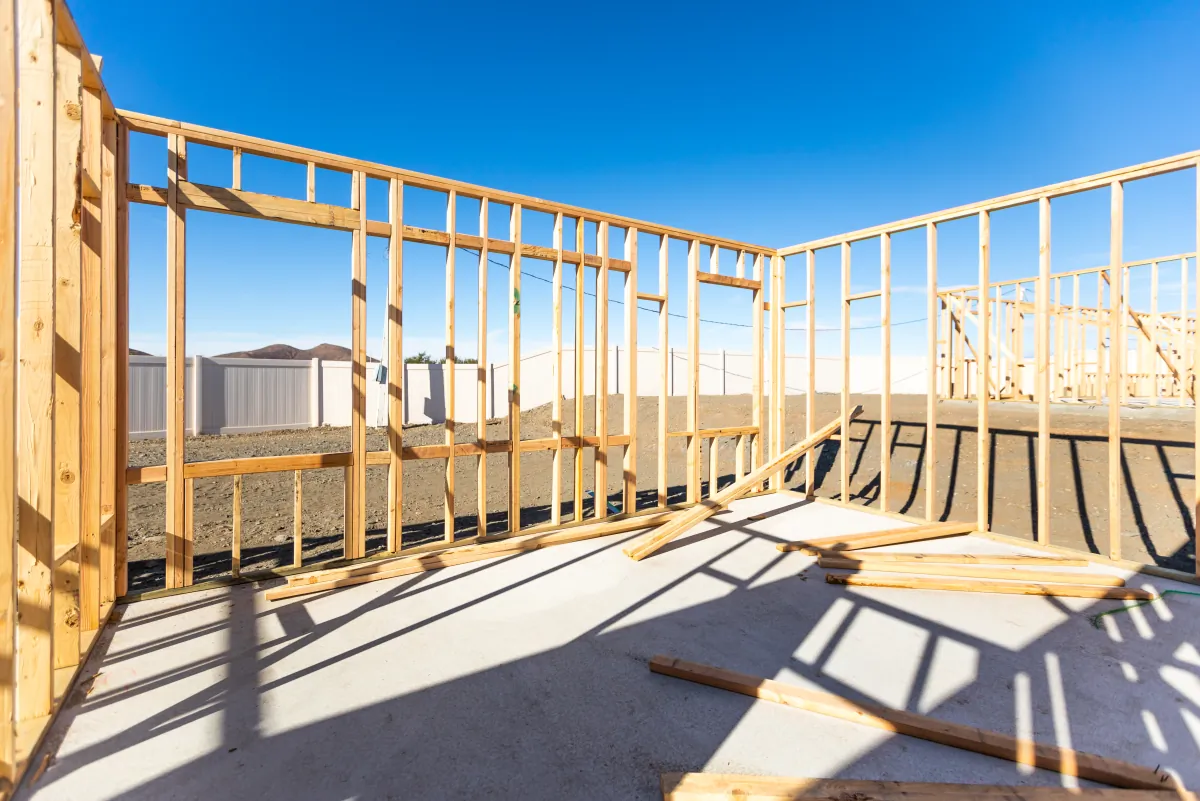
home additions man and woman inspecting their future wooden frame

Operational Implications For US Construction News Pipeline

For U.S. In addition, projects, the practical response is disciplined planning: lock critical materials earlier, validate labor assumptions, and maintain inspection readiness. Meanwhile, Program teams are using rolling forecasts to adjust pacing while protecting quality and contractual obligations. Field teams are focusing on clean handoffs and documented changes. This approach reduces delay risk and improves predictability under uncertain market conditions.

Where demand is stronger, procurement discipline and risk communication are now core schedule controls. For example, Where demand is softer, teams are prioritizing margin protection, quality assurance, and tighter change management. Overall, In both cases, project outcomes improve when assumptions are explicit and tracked over time.

Watchlist

  • Labor availability by region and trade
  • Lead-time shifts on schedule-critical materials
  • Owner pacing decisions and financing costs
  • Inspection throughput and permit timelines
  • Subcontractor capacity in high-growth submarkets

Editorial conclusion: market shifts require operational clarity, also documented assumptions, and source-backed communication across teams.

Leave a comment

This website uses cookies to improve your web experience.
Explore
Drag