
ROOF REPLACEMENT + EXISTING SOLAR / CSLB #1117562
Solar Panels and Roof Replacement in Sacramento
Plan the roofing work, solar removal and reinstallation interface, permits, electrical responsibilities, warranties, and closeout records before anyone disconnects the system.
One written responsibility map
Roofing, solar/electrical, permit, inspection, utility, storage, reconnection, testing, and warranty responsibilities should be assigned before mobilization.
START WITH THE ROOF AND THE EXISTING SYSTEM
The solar array and roof are connected scopes
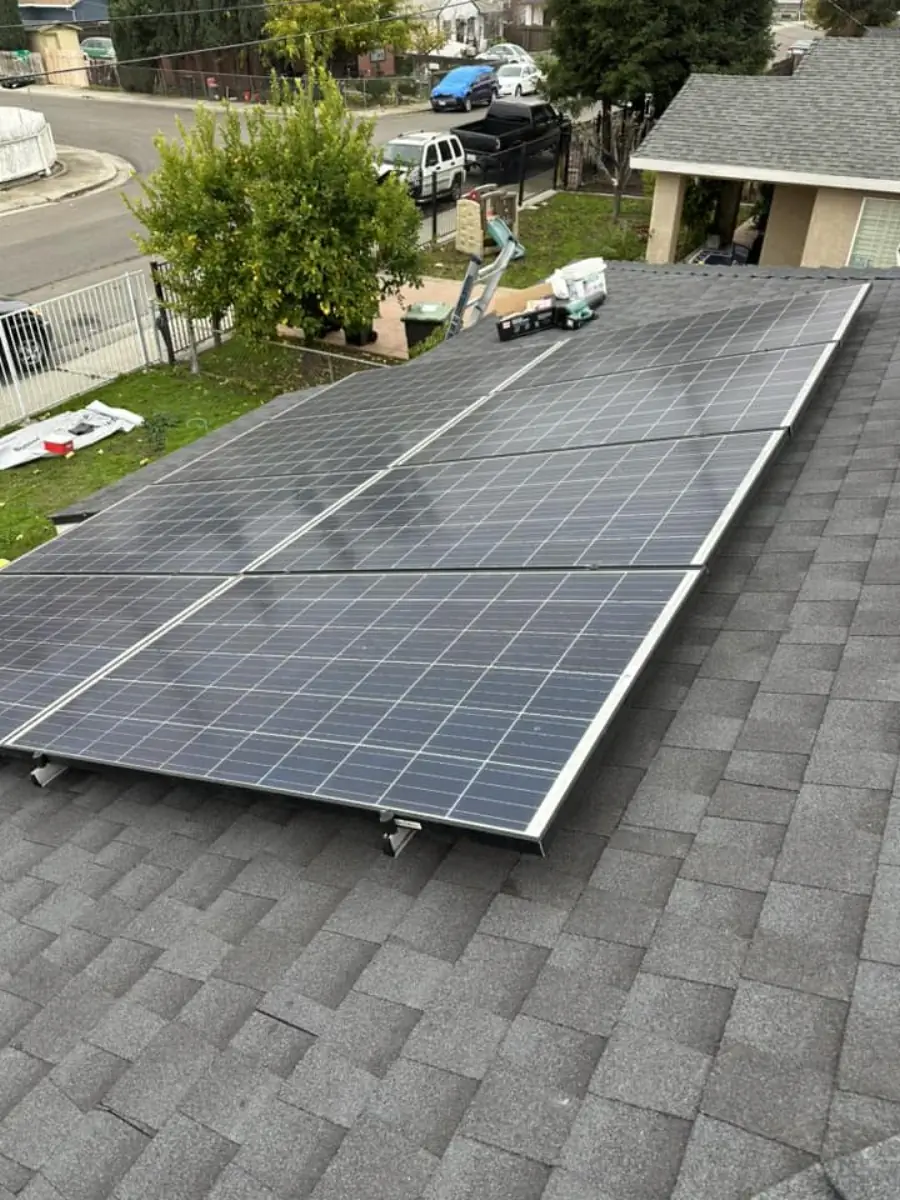
A roof replacement beneath an existing photovoltaic array is not only a panel-moving task. Record the roof condition, array and racking inventory, attachment locations, shutdown and electrical pathway, storage plan, flashing details, permit and utility responsibilities, system testing, monitoring verification, and the documents required to protect both roof and solar warranties.
FOUR COMMON PROJECT PATHS
Choose the path after inspection—not from a sales promise
The correct scope depends on roof life, leak location, array layout, equipment condition, access, licensing, warranty terms, permit pathway, and who accepts each responsibility in writing.
Repair outside the array
A localized roof repair may be possible when the affected area is accessible and the array, wiring, attachments, drainage, and warranty conditions do not interfere. Document limits and avoid promising that a patch resolves concealed or system-wide conditions.

Remove, reroof, reinstall
Inventory and safely remove the existing array, complete the measured roofing scope, then reinstall, reconnect, test, inspect, and restore monitoring through the responsible licensed parties.

Reroof before new solar
When a roof is near replacement, coordinate the roof assembly, attachment zones, flashing, layout assumptions, warranty requirements, permit sequence, and solar handoff before the new array is installed.
Modify the existing system
Layout, equipment, capacity, racking, inverter, battery, or electrical changes can trigger new design, permit, utility, equipment, and licensing requirements beyond a simple remove-and-reinstall scope.
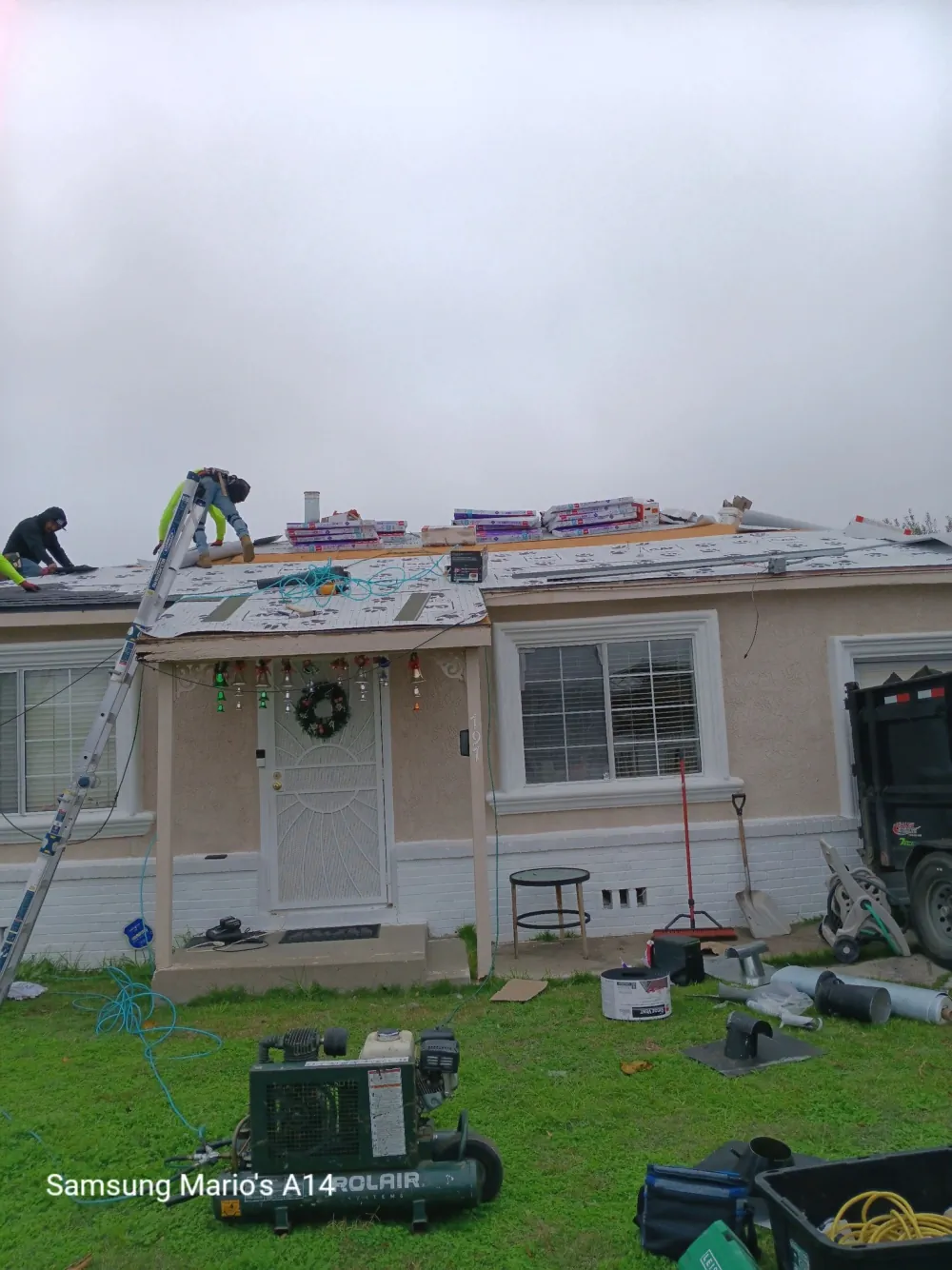
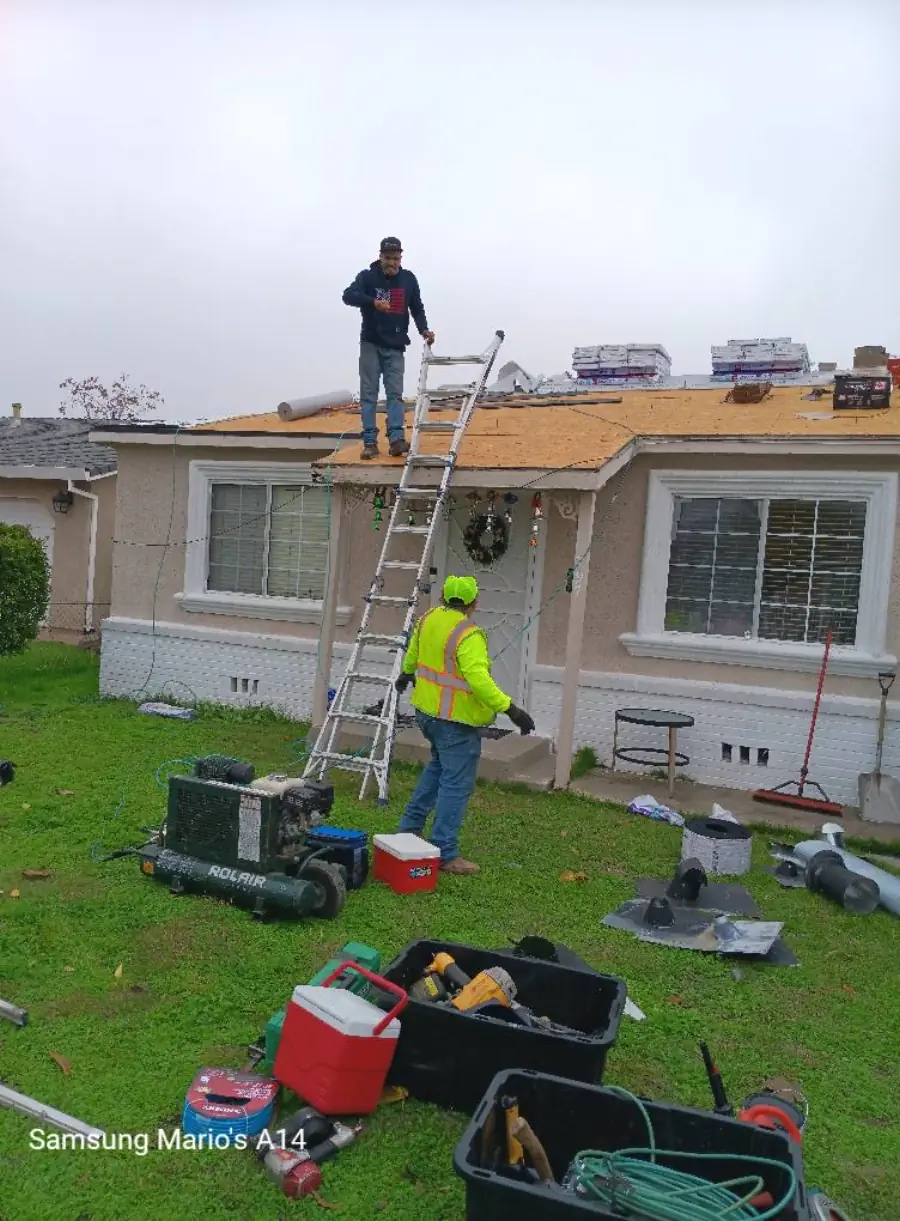
REAL ROOF + SOLAR COORDINATION
A verified roof replacement with the solar array removed and reinstalled
SIX INTERFACES TO ASSIGN
Make the handoffs visible before work starts
Confirm measured roof area, covering, age, leaks, deck condition, penetrations, drainage, ventilation, flashing, repair limits, reroof assembly, concealed-condition process, and inspection points.
Record module count, layout, labels, racking, attachments, wiring routes, inverter and disconnect information, monitoring access, equipment condition, photographs, and storage requirements.
Identify the licensed party and written procedure for shutdown, electrical isolation, disconnection, labeling, removal, lifting, transport or onsite storage, weather protection, and damage reporting.
Define attachment-zone access, deck repair, underlayment, membranes, flashing, mounts, penetrations, sealants, manufacturer instructions, roof warranty, and documentation before panels cover the work.
Assign racking and module reinstallation, torque and attachment checks, wiring, reconnection, equipment settings, testing, monitoring restoration, inspection, utility steps, photos, and acceptance records.
State who handles the City, SMUD, product, installer, roof, solar, and electrical documents; what changes require approval; and what warranty statements each responsible party will provide in writing.
California licenses solar work by scope
Sacramento has a residential PV pathway
Covered work must be inspected
SMUD controls applicable interconnection steps
Existing-system records matter
The roofing contract should name the interfaces
COMPARE THE SAME WRITTEN SCOPE
Four documents that prevent a coordination gap
System inventory
Module count and labels, array layout, racking and attachments, inverter and disconnects, wiring route, monitoring access, condition photos, known warnings, documents, and responsible contacts.
Responsibility matrix
Shutdown, disconnect, removal, storage, roof work, flashing, reinstall, electrical reconnect, testing, monitoring, permits, inspections, utility contact, warranty, and closeout owner.
Sequence & change control
Prerequisites, dates as dependencies rather than promises, weather protection, inspection holds, equipment findings, approval thresholds, written change orders, protection, access, and communication.
Closeout evidence
Roof and array photos, permit and inspection status, product records, test and monitoring confirmation, utility documentation when applicable, cleanup, lien releases, and written roof and solar warranty statements.
ABOUT THE AUTHORS
Who wrote this guide?

Written by Emin
Emin is the Chief Designer at US Construction Remodeling Corp. Emin leads client design meetings, measured layouts and 3D visualization in Revit, 3ds Max and Unreal Engine, and uses AI tools to speed up design and project planning. Meet our team.

Reviewed by Umit Sahin
Umit Sahin is a general contractor at US Construction Remodeling Corp. and oversees construction, permits, and inspections on our projects.
HOMEOWNER QUESTIONS
Roof and solar coordination FAQ
Sometimes a limited repair can be completed outside the array, but a full roof replacement commonly requires panels and related roof-mounted components to be removed from the work area. The safe path depends on array layout, roof access, attachment locations, electrical shutdown requirements, roof condition, and the responsible solar or electrical provider. Do not assume panels can remain in place until the parties inspect and document the scope.
The written scope should identify the appropriately licensed party responsible for shutdown, disconnection, removal, storage, reinstallation, electrical reconnection, testing, utility or permit documents, and warranty coordination. California licensing rules and the exact system scope matter. US Construction coordinates the roofing interface and records responsibilities rather than leaving them implied.
It can. Before work begins, collect the solar contract, equipment list, roof warranty, installer information, monitoring records, and attachment details. Ask each responsible provider to state in writing what work is permitted, what documentation is required, and which warranties remain in force, because coverage decisions belong to the manufacturer and the prior installer.
Permit and utility requirements depend on whether the project only replaces roofing, modifies the photovoltaic system, changes equipment or layout, or creates a new interconnection. The City of Sacramento publishes a residential PV submittal pathway, and SMUD requires interconnection review for applicable systems. Confirm the address-specific path before ordering or disconnecting equipment.
Compare the roof's remaining service life, current leaks or damage, deck condition, planned reroof timing, array layout, removal and reinstallation cost, and warranty terms before installing new panels. When the roof is near replacement, completing the roof scope first can avoid an avoidable second mobilization, but the decision requires a project-specific inspection.
No. Energy production, rates, incentives, tax treatment, financing, system ownership, shading, consumption, equipment, and utility rules are property- and time-specific. Use current SMUD information, qualified financial or tax advice, and a system-specific proposal. US Construction does not use this page to promise savings, payback, rebates, tax eligibility, or energy output.
Ask for roof measurements and system, panel and racking inventory, shutdown responsibility, removal method, labeling, storage and protection, roof penetrations and flashing, deck repairs, underlayment, reroof scope, reinstallation, electrical reconnection, commissioning, monitoring verification, permits, inspections, utility steps, warranties, schedule dependencies, exclusions, change orders, cleanup, and closeout records.
START WITH THE EXISTING ROOF AND ARRAY
Request a roof and solar coordination review
Roof and solar responsibilities should be written before work starts
Share the roof address and existing solar details
Useful starting information includes roof age and leaks, panel count, installer or owner records, monitoring access, warranty documents, known equipment warnings, prior repairs, photos, and whether you are planning a repair, reroof, or a new solar system.
What happens next?
California contractor license #1117562.
We review the roofing condition and define the roof–solar responsibility boundaries. Project-specific solar electrical work, interconnection, equipment changes, commissioning, and warranties must be assigned to the appropriately licensed and responsible parties in writing.
Continue planning:
Roofing services
Roof replacement cost
Roof inspection cost
Metal roof cost
Request a project review
This page is coordination guidance, not a solar-energy production estimate, financial or tax advice, financing offer, utility approval, permit determination, engineering document, electrical design, warranty promise, or bid.