
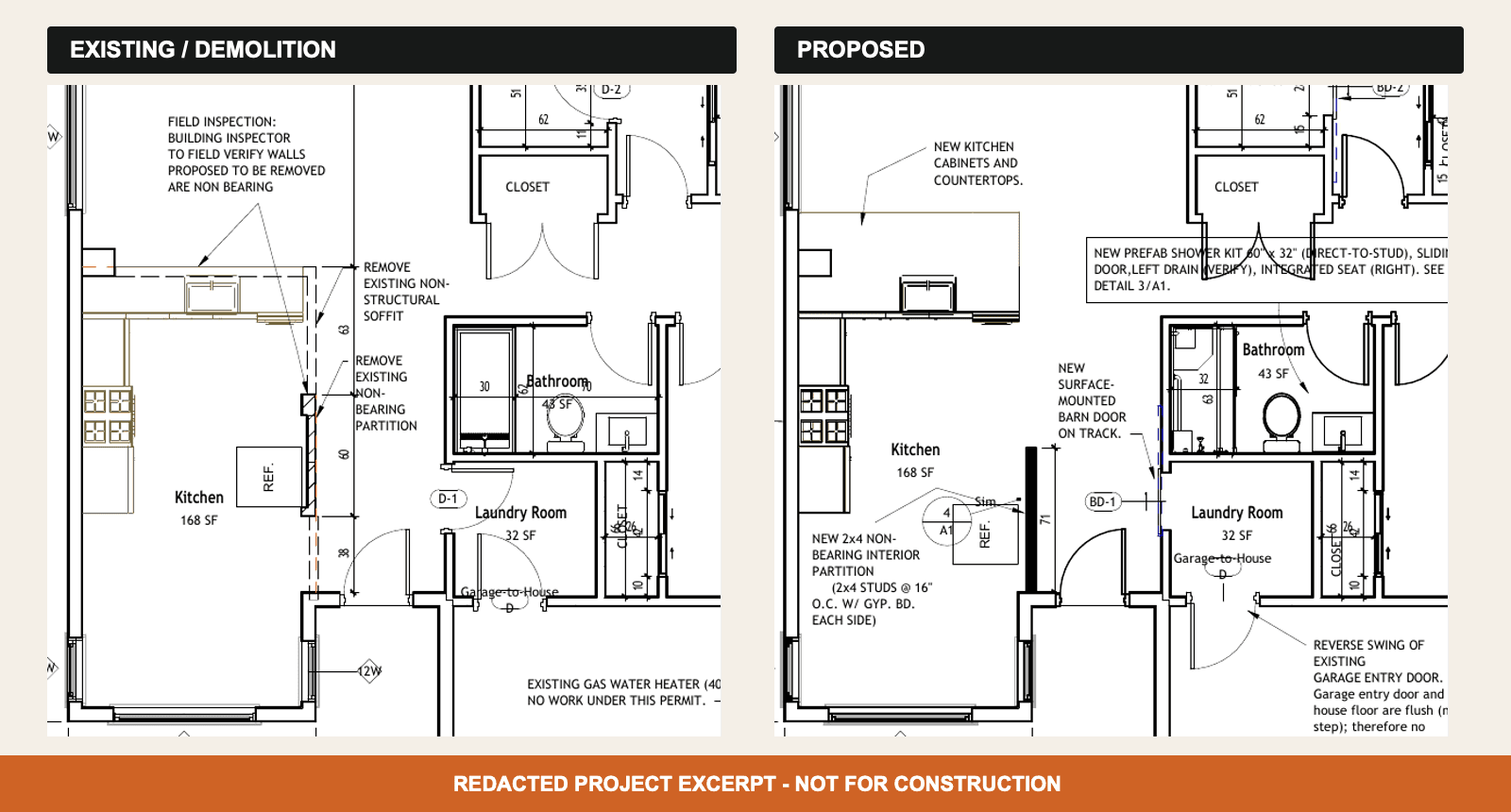
Plan from the inspection sequence backward
Sacramento Remodeling Permits & Inspections
Separate project assumptions from the agency decisions, documents, and hold points that must be confirmed before work is concealed.
Read the guideClear starting points for the questions homeowners, property owners, and project teams ask before construction: what affects cost, which approvals matter, what must happen first, and which assumptions still need field verification.
These are not generic inspiration posts. Each guide separates planning information from the measurements, agency decisions, existing conditions, and written scope that still require verification.
Separate project assumptions from the agency decisions, documents, and hold points that must be confirmed before work is concealed.
Read the guide
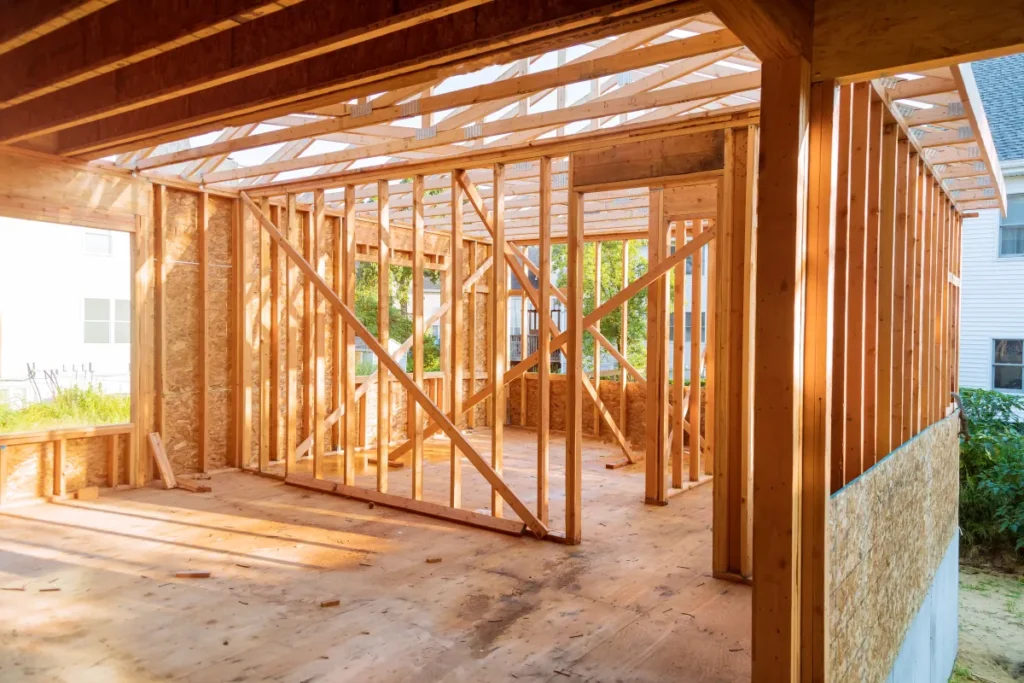
Review design, structural, utility, envelope, permit, access, finish, and sequencing factors before comparing addition pricing.
Read the guide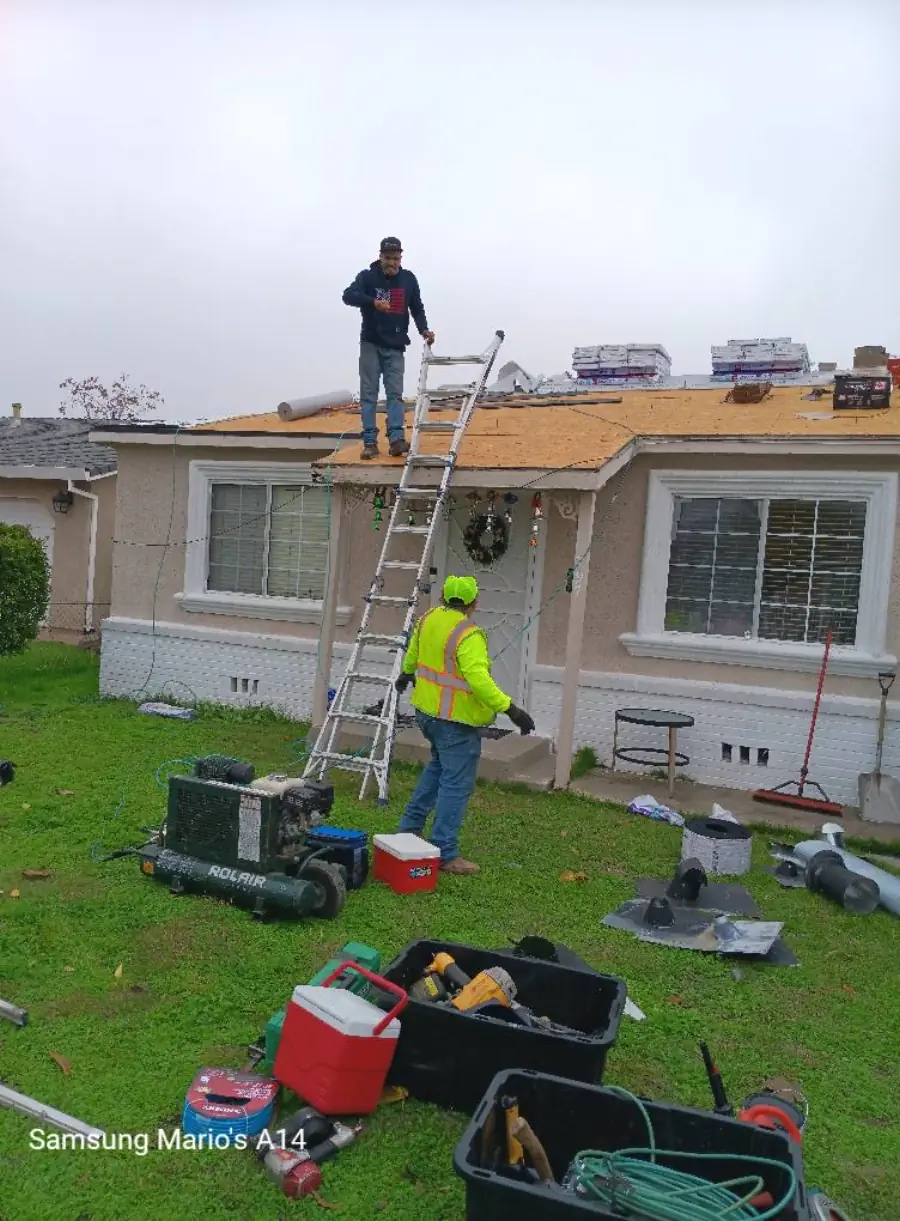
See how measured area, pitch, access, tear-off, deck work, ventilation, flashing, permits, and roofing system affect written scope.
Read the guide
Compare bathroom planning ranges without treating a generic number as a field-verified proposal.
Read the guideEach pathway keeps three closely related guides together so you can move from a broad question to the next useful project decision without scanning five separate page sections.
The curated pathways above are the fastest starting point. This chronological archive keeps every published remodeling article reachable, 12 at a time, without turning the top of the page into an unstructured feed.






Chief Designer
Emin is the Chief Designer at US Construction Remodeling Corp. Emin leads client design meetings, measured layouts and 3D visualization in Revit, 3ds Max and Unreal Engine, and uses AI tools to speed up design and project planning.

General Contractor
Umit Sahin is a general contractor at US Construction Remodeling Corp. and oversees construction, permits, and inspections on our projects.
Use the 24 construction calculators to organize measurements, scope questions, material quantities, system inputs, or an early budget before field verification.
Start with one project decision, keep track of assumptions, and move to verified project documents when a decision affects cost, safety, approvals, or construction.
The library focuses on costs and scope, permits and inspections, project sequencing, kitchens, bathrooms, additions, roofing, siding, commercial tenant improvements, construction technology, and tools that help organize early project questions.
No. Published figures are planning information unless a page explicitly identifies a field-verified written proposal. Dimensions, existing conditions, access, code requirements, selections, procurement, exclusions, allowances, and the date of pricing can change a project total.
No page can make a project-specific approval decision for the authority having jurisdiction. The permit guides explain the questions, agency routes, and documents to prepare; the applicable city, county, fire, health, utility, or other agency makes the final determination.
Use it to understand dependencies and questions, not as a guaranteed completion date. Confirm decisions, lead times, permit review, inspections, concealed conditions, trade coordination, access, and owner-supplied items in the written project schedule.
The Construction Calculators and Planning Tools directory includes 24 tools for roofing, exterior work, interiors, building systems, sitework, and structural quantities. Results remain planning inputs until measurements and scope are verified.
Editorial preparation and contractor review are identified separately. Sources, first-party project evidence, pricing inputs, and operational examples are used only where they support the visible claim, and limitations are stated when project-specific verification is still required.
