

Bathroom Remodeling Timeline In El Dorado Hills: Critical Path Overview

Bathroom Remodeling Timeline In : Critical Path Overview in El Dorado Hills should be planned around permit flow, trade sequencing, and realistic lead times.
Local permit source: official permit source.
This page focuses on city-specific constraints, cost drivers, and practical execution controls.
El Dorado Hills permit source and local constraints
Local permit source: official permit source.
Local risks to control
- Procurement timing for long-lead items controls downstream install pacing.
- Inspection availability and correction cycles are common schedule bottlenecks.
- Parallel trade overlap can accelerate delivery only with strict scope control.
El Dorado Hills cost drivers
Budget outcomes are usually determined by a few dominant variables:
- Lead-time risk on specialty materials.
- Crew handoff efficiency across trade phases.
- Permit/inspection hold points on the critical path.
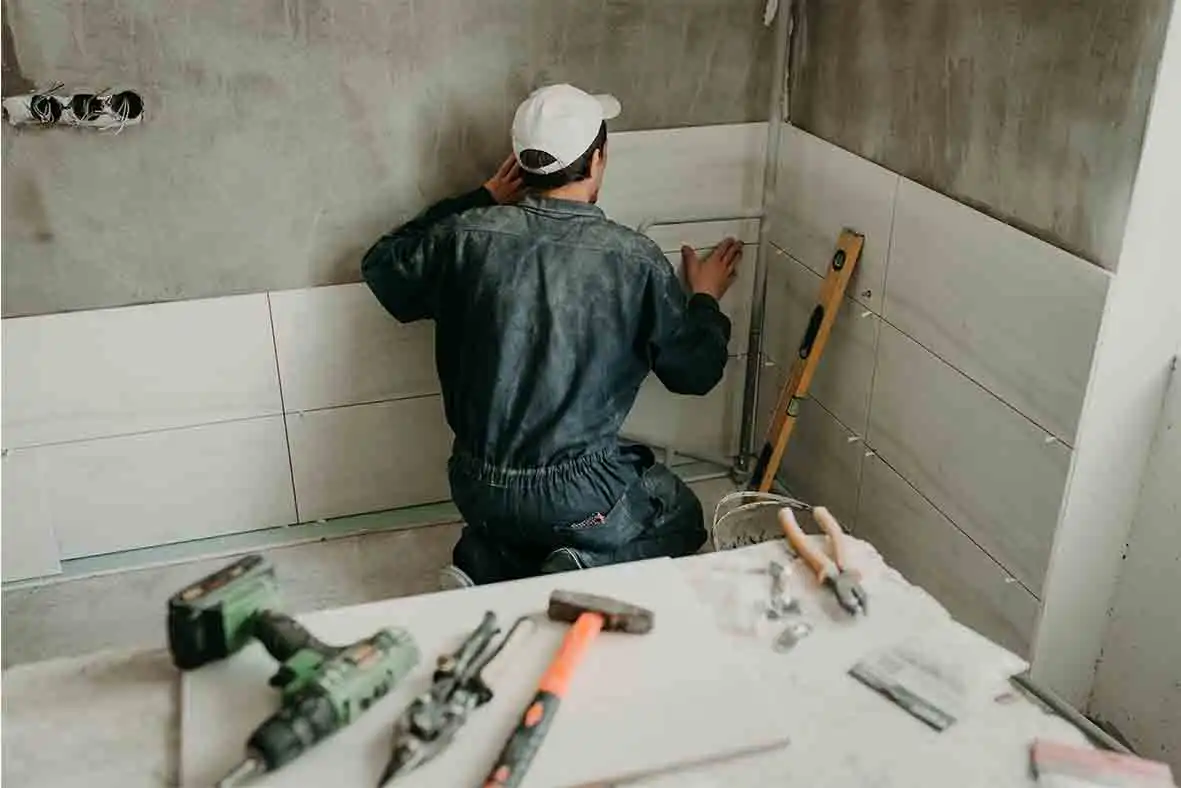
Local proof and planning context
Subcontractor travel/logistics can affect sequencing assumptions.
Before ordering long-lead items, confirm permit scope, inspection sequence, and handoff responsibilities across trades.
Frequently Asked Questions
Think in two clocks: lead time (decisions + ordering) and on-site construction. For a Bathroom Remodeling timeline el plan, the shortest disruption happens when major materials arrive before demolition.
- Simple refresh (same layout, limited system changes): often about 1–2 weeks on-site
- Full gut remodel (same layout): often about 3–5 weeks on-site
- Layout changes or specialty finishes: can take longer due to added rough work, inspections, and fabrication
Special-order vanities, tile, and shower glass can add weeks before work starts. Lock selections early if you want the calendar to stay tight.
It depends on what you change. Cosmetic swaps (like a new vanity and finish updates) may not require a permit. While work that changes plumbing routes, electrical circuits, ventilation wiring, or framing often does.
- Keeping the layout usually simplifies permit needs
- Moving a toilet, shower, or vanity can increase review and inspection steps
- Electrical and ventilation changes may require trade permits and inspections
In El Dorado Hills, many residential permits are handled through El Dorado County, depending on the exact address. A licensed contractor can help confirm requirements for your specific scope before you schedule demolition.
Schedule swing usually comes from decisions that change rough work or rely on special-order items. Lock these early and you’ll avoid the most common stop-and-start days.
- Layout changes (moving drains or supply locations)
- Custom or specialty tile patterns that increase install time
- Shower glass that requires templating after tile is complete
- Upgraded lighting plans that need new wiring or switches
- Accessibility features that change the shower entry or require wall reinforcement
If you want fewer surprises, approve the plan and the product list before the project starts. Then minimize changes once rough work begins.
Order anything that can halt progress if it’s missing when the crew needs it. In many bathrooms, the biggest schedule drivers are the vanity, tile, and shower glass.
- Vanity and countertop (confirm sizes, faucet holes, and sink type)
- Shower valve and trim compatibility (verify rough-in requirements)
- Tile and edge trims (confirm quantities and dye-lot consistency)
- Shower glass (plan for measurement after tile, then fabrication)
- Exhaust fan and lighting fixtures (confirm housings and ratings)
Before ordering, confirm delivery dates and inspect items on arrival so you don’t discover defects mid-install.
Coordination is mostly sequencing and communication. We schedule each phase so the next trade can start without rework. And we plan inspection windows (when required) before closing walls.
- Demolition and site protection
- Framing and prep, if the scope needs it
- Plumbing rough-in and electrical updates, then any required rough inspections
- Backer board, waterproofing, and cure time
- Tile, paint, trim, and fixture installation
- Punch list and final walkthrough
When a change comes up, we document it in writing with the time impact so you can make an informed decision.
Most homeowners do, but it takes planning. The key is to understand when the room will be out of service and to set expectations for noise, dust, and access.
- Ask for a day-by-day plan for demolition, rough work, and fixture installation
- Consider temporary alternatives (a second bath, gym access, or a short stay) during the heaviest disruption
- Choose in-stock materials to reduce downtime between phases
- Confirm where crews will stage tools and where debris will exit
If you share your household schedule upfront, we can build a timeline that reduces the hardest days.
It can. A shorter schedule may require larger crews, premium delivery options, or fewer “wait days” for material availability. That said, you can often keep costs reasonable by planning earlier instead of rushing later.
- Keeping the same layout usually controls both time and cost
- Selecting readily available finishes reduces expedited shipping and substitutions
- Some steps (like waterproofing and tile cure time) need time regardless of budget
If you want a faster completion date, we’ll talk through the trade-offs and build a plan that protects quality.