
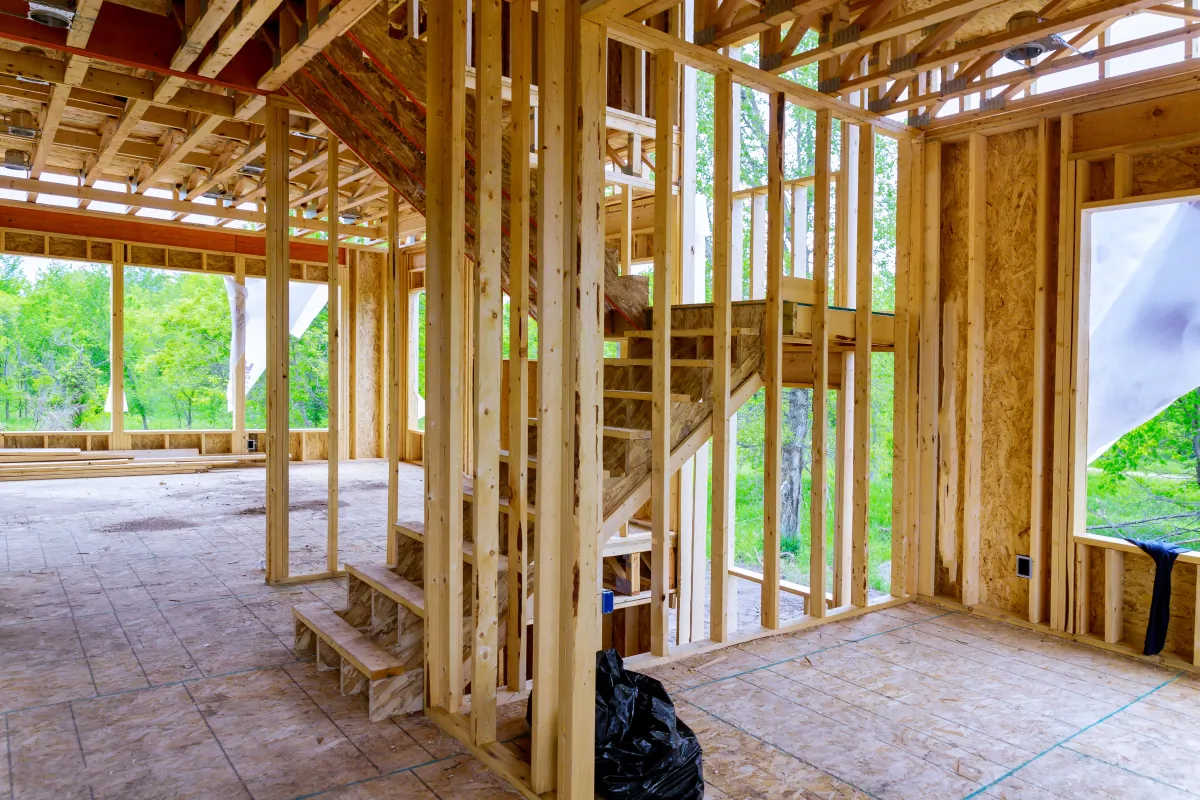
New Narratives in the Homebuilding Space (LPL Financial) Trends: Implications for Construction

The phrase 'New Narratives in the Homebuilding Space' (LPL Financial) is trending in search. For construction teams, the spike is a reminder that housing storylines can pivot quickly.
The source set for this brief is limited to the housing data, policy coverage, and market reporting listed in Sources. It summarizes what is verifiable, then translates it into operational implications for builders and trade partners.
Breaking Development For New Narratives Homebuilding Space
Search interest around the LPL Financial phrasing suggests more attention on how the residential cycle is being framed. The provided sources do not include a primary LPL document, so this brief focuses on themes that are observable elsewhere.
In market commentary, 'new narratives' often means a change in which risks get airtime and which levers get rewarded. Affordability execution, cycle-time discipline, and delivery methods that reduce on-site friction tend to rise in importance.
New Narratives In The Homebuilding Space
- Affordability as an operating constraint: scope choices, standardization, and rework rates determine whether a product hits a price point.
- Execution over expansion: tighter schedules, clearer handoffs, and faster closeout matter more when buyers are payment-sensitive.
- Industrialized methods: panelization and prefabrication may reduce labor variability, but they raise interface and logistics risk.
- Policy and legal exposure: hearings, permitting friction, and litigation can move timelines in ways spreadsheets miss.
Recent public releases and reporting touch parts of that story: a federal housing-data release (Census), a congressional affordability hearing wrap-up (House.gov), and coverage of builder messaging and industrialized construction approaches (Bloomberg, CNBC). A Reuters report on Orsted's New York offshore wind project underscores how legal outcomes can restart major construction work and can affect resource competition.
What We Know So Far
The source set does not provide detail on the specific LPL Financial thesis behind the phrase. Even so, the listed sources show where the conversation is clustering: affordability, delivery methods, and policy attention.
- Demand signals remain a baseline: the Census Bureau's New Residential Sales press release is a standard reference point for tracking new-home demand and revisions.
- Affordability remains a policy focus: House.gov published a hearing wrap-up centered on making housing more affordable.
- Messaging is sharpening: Bloomberg reported on builders pitching affordability using a 'Trump Homes' framing, highlighting how pricing narratives can become part of the sales strategy.
- Industrialized building is in the conversation: CNBC highlighted a major French construction firm positioning methods to address the U.S. housing dilemma.
None of these items, on its own, rewrites the playbook. Together, they explain why execution discipline keeps showing up in 'new narrative' discussions.
Operational Impact For New Narratives Homebuilding Space
When the market conversation shifts toward affordability and execution, the operational bar rises. Builders and trade partners tend to see more optioning, faster value-engineering cycles, and less tolerance for schedule drift.
Implications For Construction
- Bid with alternates, not assumptions: pre-price scope options (finish tiers, MEP approaches, exterior systems) so teams can adjust without redesigning midstream.
- Clarify allowance boundaries: tie allowances to specific SKUs or performance criteria to limit late substitution risk.
- Set selection deadlines by lead time: anchor owner and design decisions to the order date for long-lead items, not the start date.
- Build a substitution protocol: define 'equal' up front (spec, warranty, install method) and route approvals through one accountable owner.
- Protect the critical path: track inspections, utility releases, and submittal turnaround as schedule drivers, not administrative tasks.
- Document scope-change triggers: keep change order thresholds and time impacts explicit to reduce margin erosion from small changes.
- Strengthen QA on repeat details: when projects standardize, a single defect repeats fast; audit early and often.
Industrialized methods can support affordability goals, but only under the right conditions. Teams evaluating panelization or prefabrication can reduce risk by stress-testing fit, flow, and inspection strategy before committing.
- Design maturity: confirm coordinated drawings and tolerance stacks before fabrication.
- Logistics: verify crane access, laydown space, weather exposure, and sequencing on arrival.
- Trade interfaces: map who owns connections, firestopping, and punch work where systems meet.
- Inspection plan: align with the authority having jurisdiction (AHJ) on off-site work, special inspections, and documentation.
Political branding and policy attention can spill into customer expectations. Neutral documentation helps teams show how choices affect price, code compliance, and schedule.
What To Watch Next
For firms tracking this 'new narratives' trend, the practical question is what changes in the next few data points and decisions. A short watchlist can keep teams from overreacting to headlines while still preparing for real shifts.
- Housing data cadence: watch for the next Census new-home sales release and any revisions that shift the direction of demand signals.
- Affordability policy signals: track follow-on hearings, proposals, and program changes that could alter buyer incentives or compliance scope.
- Builder pricing behavior: monitor how affordability messaging translates into plan sets, spec packages, and concession structures.
- Execution expectations: if investors focus on cycle time, expect more pressure on trade availability, inspection scheduling, and closeout discipline.
- Cross-sector competition: large projects that restart or accelerate can pull labor and supplier capacity, as seen in Reuters' report on Orsted's offshore wind project resuming.
Sources
Source transparency: this brief uses only the links below for factual grounding. The trend query references LPL Financial, but no primary LPL material was provided in the source set.
- Reuters (2026-02-02) — US judge allows Orsted to resume building New York offshore wind project
- Visit census.gov
- CNBC (2026-02-10) — How this French building behemoth wants to solve the U.S. housing dilemma
- Bloomberg (2026-02-04) — Builders jump into the affordability fray with 'Trump Homes' pitch
- Visit house.gov
Related Coverage
Topic Hubs
Evergreen Explainers
Related reading
Related: News guides | Home remodeling guides