
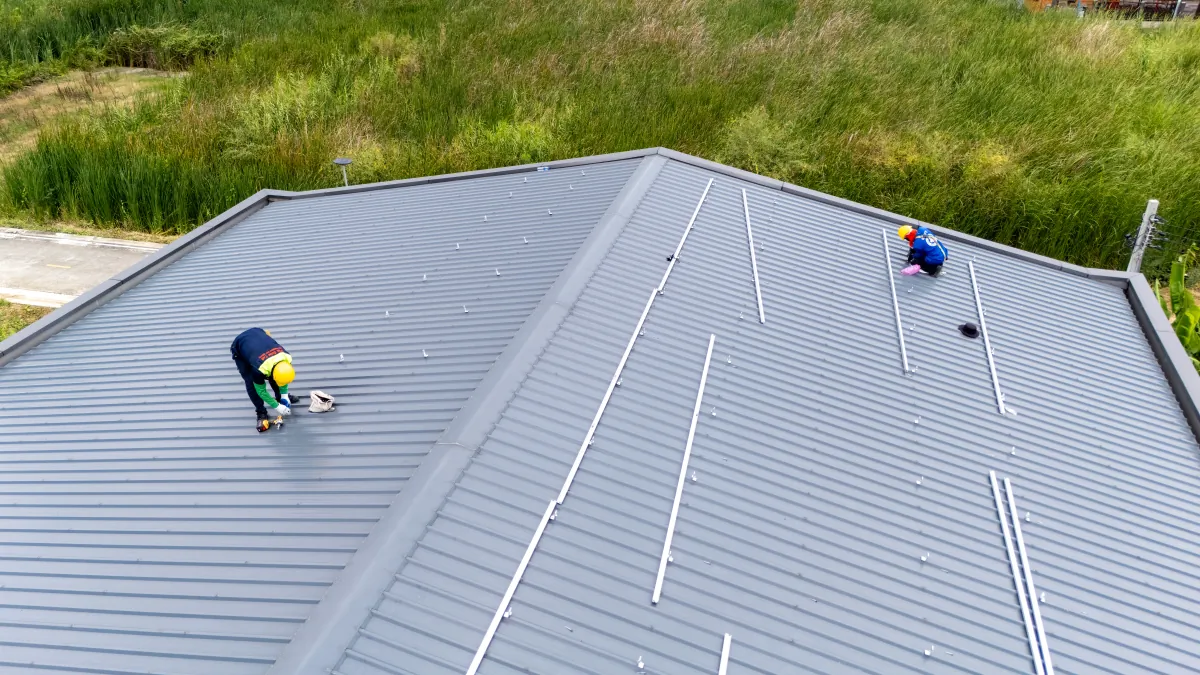
Roofing Timeline in Alameda: Permits & Schedule Checklist
A roof replacement feels simple until you try to put it on a calendar. This guide breaks down the roofing timeline alameda homeowners typically work through—planning, permits, scheduling, and the final walkthrough—so you can move forward with fewer surprises.
Quick checklist:
- Confirm the scope: repair, partial replacement, or a full reroof.
- Pick a material system and verify underlayment, flashing, and ventilation details.
- Clarify tear-off vs overlay and what happens if decking damage is found.
- Compare 2–3 itemized bids (materials, disposal, permits, warranty).
- Schedule around weather and confirm daily cleanup and protection.
- Do a final walkthrough: flashing, vents, and warranty documentation.
TL;DR: Most of the calendar time comes from decisions, estimating, and permitting. The on-site portion often takes a few working days once materials arrive and inspections line up. Build a buffer for weather and any roof deck repairs discovered after tear-off.
- Decide your goal and expected service life.
- Choose a material type and color before ordering.
- Confirm who pulls permits and schedules inspections.
- Pick a realistic start window and add a weather buffer.
- Plan access, parking, and where materials/debris will go.
- Gather estimate details: address, roof age, photos, and leak areas.
Want a written estimate you can schedule around? Call Call or use our Free estimate.
A Homeowner Checklist For Roofing Timeline Alameda
| Decision | Why it matters | Quick check |
|---|---|---|
| Material system | Affects lifespan, cost, and appearance. | Confirm shingle/tile type, underlayment, and warranty. |
| Flashing & penetrations | Most leaks start at edges and penetrations. | Specify flashing at chimneys, vents, and valleys. |
| Ventilation | Controls heat/moisture and protects decking. | Confirm intake/exhaust balance and vent types. |
| Tear-off & decking | Hidden damage can change cost and timeline. | Include an allowance and photo documentation. |
Homeowners usually don’t worry about the installation day—they worry about delays, surprise add-ons, and living through noise and debris. As a result, A plan helps because a roof project touches permits, materials, and scheduling all at once.
This checklist fits you if you’re replacing an aging roof, fixing recurring leaks, coordinating around travel, or trying to line the work up before another home project. For this reason, When you lock the big decisions early, you protect your timeline and your budget.
Decisions To Lock In Early
- Full replacement vs targeted repair plan (and what problem you’re solving).
- Your preferred roof covering and color (some options have longer lead times).
- Whether you want gutter work, also skylights, or other related items handled together.
- How you want the jobsite protected: landscaping, driveway, and attic access.
- Your acceptable work hours and any parking/staging constraints.
What To Prepare For A Written Estimate
- Your Alameda address and the best on-site contact.
- Any leak locations, interior photos, and attic access notes (if available).
- Rough roof age and any prior repair history you know.
- Preferences for materials, colors, and warranty level.
- Timing goals (a target month or deadline) so the schedule matches real life.
If you want a schedule-focused, written estimate, call Call or book online at Free estimate.
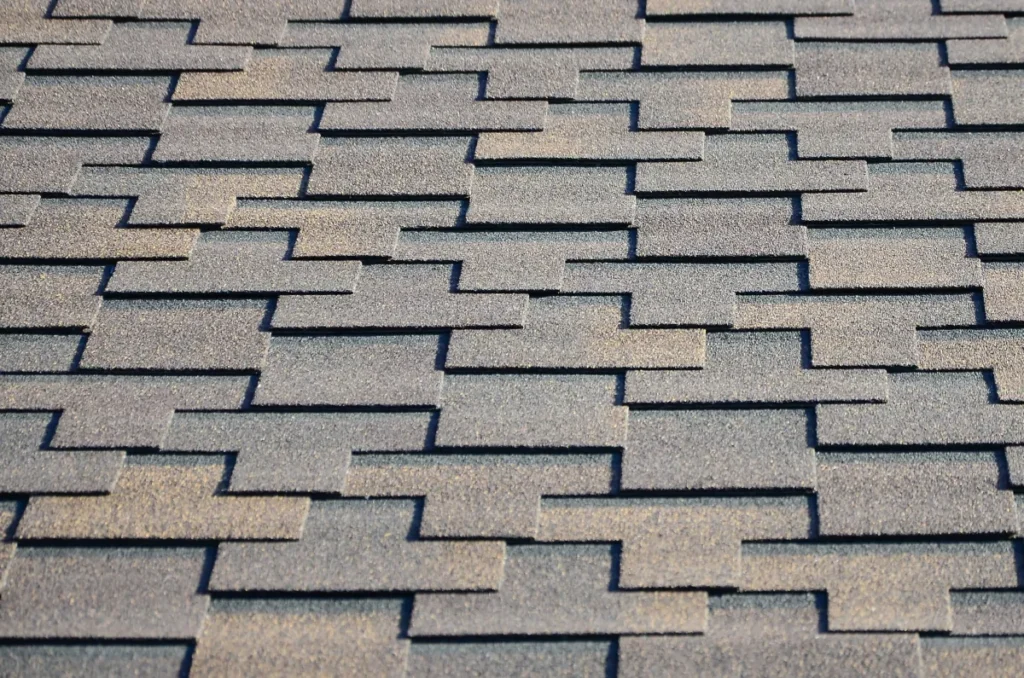
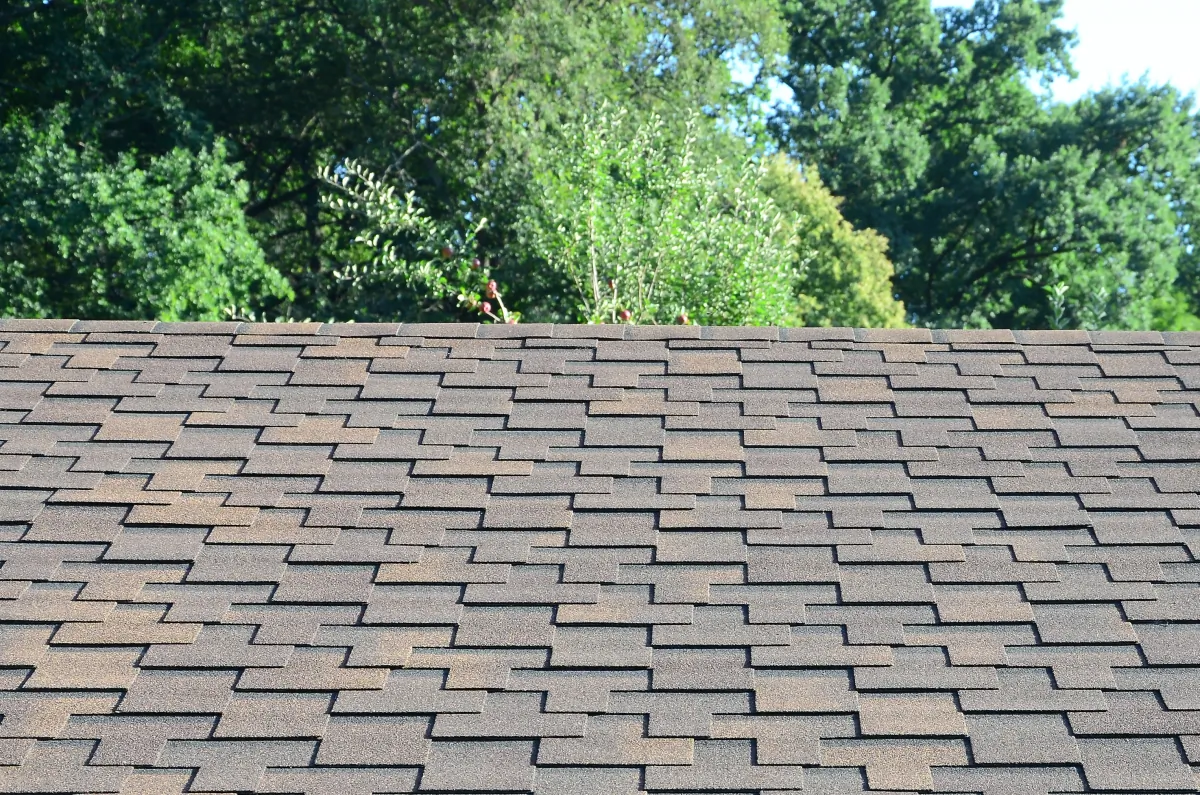
Permits And Code Considerations For Roofing Timeline Alameda
Permits protect homeowners by creating a documented scope and required inspections. They also affect your calendar, so treat permit planning as a timeline item—not an afterthought.
Permit Notes For Alameda Homeowners
In Alameda, the City uses an online permit portal (Accela) for many building and planning applications and status tracking. Meanwhile, Depending on what you’re changing, your project may require a building permit and one or more inspections.
- Replacing a roof covering often triggers a permit, especially when you remove existing layers.
- Structural changes, deck/sheathing repairs, and certain penetration changes can add inspection steps.
- Condo/HOA rules can add approvals even when the City permit stays straightforward.
How To Keep Permits From Slowing The Job
- Decide who will pull the permit and be the main point of contact with the City.
- Ask for an inspection plan in writing so you know when the work may pause.
- Confirm how access will work for inspectors and whether someone must be onsite.
- Keep your material selection consistent with the permitted scope to avoid re-submittals.
When in doubt, check with the City of Alameda or a qualified contractor before work begins. Overall, It’s easier to build the right steps into the schedule than to unwind a rushed start.

Timeline And Scheduling
A good schedule separates “calendar time” from “work time.” When you track the roofing timeline alameda homeowners deal with, decisions and permits usually drive the date more than the installation days do.
A Realistic Timeline (From Estimate To Closeout)
- Site visit + written estimate: scheduling and measuring, then a clear scope and price.
- Material choice + ordering: selections and lead times; special colors or premium systems can take longer.
- Permits + inspection scheduling: time varies based on scope and the City’s review queue.
- On-site work: many single-family homes complete the core work in a few working days, with longer durations for complex roofs or additional carpentry.
- Final inspection + paperwork: closeout after the City signs off (when required).
Key Decisions That Change Schedule And Budget
| Decision | Pick it by | Schedule impact |
|---|---|---|
| Roof covering type | Before ordering | Lead times and crew requirements can vary. |
| Tear-off vs overlay | Estimate stage | Changes labor, debris handling, and sometimes permit steps. |
| Roof deck repair allowance | Before signing | Hidden damage can add time once the old roof comes off. |
| Inspection plan | Before the start date | Some work must wait until an inspection happens. |
Common Mistakes That Delay A Roof Job
- Choosing materials after you’ve already “picked” an install week.
- Not confirming who pulls permits and who schedules inspections.
- Skipping a plan for access, parking, and where debris will be staged.
- Assuming the roof deck is perfect with no contingency plan for repairs.
- Adding scope changes midstream without written pricing and schedule impact.
- Scheduling other trades too tightly with no buffer for weather.
US Construction & Remodeling Corp. Also, helps Alameda homeowners turn an idea into a workable calendar by starting with a written estimate and a clear start window. In addition, Share your timing goals up front, and we’ll tell you what needs to be decided early to keep the schedule steady.
To get a quote and timeline built around your home, call Call or request an estimate here: Free estimate.
Frequently Asked Questions
Homeowners often see the crew for only a few days, but the full schedule starts earlier. In many projects, the roofing timeline alameda homeowners experience includes measuring, a written estimate, material ordering, and any required City permitting.
- Planning: a site visit, decisions on materials, and a written estimate.
- Permits (if required): review and inspection scheduling through the City.
- Installation: commonly a few working days for many homes, with longer durations for complex layouts or added carpentry.
- Closeout: cleanup, final inspection sign-off (when applicable), and warranty paperwork.
Weather and hidden deck repairs are the two most common schedule variables. Build a buffer and you’ll feel far less rushed.
Many reroof projects require a permit, especially when you remove existing roof layers or change parts of the assembly. Smaller repairs may not need one, but the line isn’t always obvious.
Alameda uses an online permit portal (Accela) for many applications and tracking. A qualified contractor can also help you confirm what applies to your specific scope and whether inspections are necessary.
When permits apply, treat them like a timeline step. Starting without them can cause stop-work delays and rework later.
Roof pricing varies because every home has different access, geometry, and condition under the old roof. Instead of chasing a “per-square” guess, ask for a written estimate that breaks out the major cost drivers.
- Roof size, pitch, and complexity (valleys, dormers, penetrations).
- How many layers need removal and how disposal will work.
- Material type and any special-order colors or accessories.
- Allowance for roof deck repairs discovered after tear-off.
- Permit fees and required inspections (when applicable).
- Warranty level and the components required to qualify for it.
If you want a schedule-friendly number, share your timing goals and material preferences up front.
Material selection doesn’t just change curb appeal—it can change lead times and installation pace. Standard, in-stock products usually move faster, while special-order systems can extend ordering time.
- In-stock vs special order: color and profile availability can shift delivery dates.
- Heavier systems: some options require extra prep or structural review.
- Accessory matching: edge metal, pipe boots, and valley materials must be compatible.
- Warranty requirements: higher tiers can require specific components and inspection steps.
If you’re on a deadline, ask your contractor what’s readily available before you fall in love with a hard-to-source option.
A good contract removes guesswork. Use questions that force clarity on scope, timing, and how changes get handled.
- What exactly is included in the written scope (materials, disposal, protection)?
- Who is responsible for permits and inspection scheduling?
- How do you price and approve deck repairs discovered after tear-off?
- What is the work schedule, and who supervises the crew onsite?
- How will you protect landscaping and manage daily cleanup?
- What warranties apply, and what paperwork will I receive at closeout?
It’s also smart to verify licensing and insurance before any work begins.
Coordination is easier when you decide what else gets touched before the roof work starts. Gutters, skylights, and solar attachments often interact with the roof surface, so the sequence matters.
- Gutters: decide on replacement vs re-hang early so edge details match.
- Skylights: confirm sizes and locations before materials are ordered.
- Solar (if you have it): schedule removal and re-installation with a buffer in case weather shifts the roofing days.
Ask for the coordination plan in writing. That way, you avoid “waiting on another trade” mid-project.
Use the final walkthrough to confirm the work matches the written estimate and the site is clean. Then keep the roof performing with simple maintenance.
- Confirm cleanup and nail sweep around the home.
- Check that roof penetrations look sealed and finished from the exterior.
- Ask for any required City inspection sign-off documentation.
- Collect warranty paperwork and basic care instructions.
Afterwards, keep gutters clear, trim branches back, and do a quick visual check after major storms. Small repairs handled early help prevent interior damage.
Start with the pillar guide
For a complete overview (scope, timeline, and planning tips), see our main page: Roofing Remodeling.