
Alameda Window Permit Checklist & Replacement Guide
Homeowners researching window replacements permit requirements in Alameda want a clear path that keeps inspectors and timelines on track. We keep the steps transparent so you know when to submit, how to stage the work, and who handles the paperwork.
Quick checklist:
- Choose the scope: replace all windows or stage the project by priority rooms.
- Confirm install type (retrofit vs full-frame) and any trim/stucco work.
- Pick a glass package for comfort and efficiency (Low-E, argon, U-factor/SHGC).
- Finalize measurements before ordering and confirm lead times.
- Compare 2–3 bids with the same scope (demo, install, disposal, exterior/interior finish).
- Confirm permit/inspection requirements and egress rules if applicable.
TL;DR: Confirm scope, document existing openings, check Alameda’s online permit portal, stage materials, and schedule inspections early. If you want a reliable start date, book a timeline call or dial Call to lock in your window plan.
- Map scope and any structural changes before ordering.
- Gather window specs (U-factor/SHGC) and drawings for the permit set.
- Upload to the City of Alameda permit portal and note review times.
- Stage lead times for custom units to fit the inspection calendar.
- Plan temporary protection and access for crews and inspectors.
- Schedule rough/flash/finishing inspections as required.
- Keep a punch list for trim, caulking, and final cleanup.
How To Plan Window Replacements Permit Requirements In Alameda Without Surprises
| Decision | Why it matters | Quick check |
|---|---|---|
| Install type | Retrofit vs full-frame changes cost and finish work. | Confirm if trim/stucco and interior casing will be disturbed. |
| Glass package | Affects comfort, energy use, and condensation. | Compare Low-E/argon and key ratings (U-factor/SHGC). |
| Measurements | Ordering wrong sizes causes delays and rework. | Do final measurements before ordering; confirm egress where needed. |
| Lead times | Windows often drive the schedule. | Lock selections early and confirm delivery dates. |
Upfront clarity avoids red tags. Additionally, Start with a site walk to confirm whether you are swapping like-for-like units or changing sizes, adding egress, or altering headers. For this reason, Note any HOA rules if they apply, and photograph existing conditions so the permit reviewer sees the before-and-after intent.
Document the basics: window count, locations, rough openings, safety glazing locations, and energy performance values. For this reason, Add a concise scope sheet that states who handles removal, disposal, and weatherproofing. In addition, Because Alameda uses an online permit center, having PDFs labeled and organized speeds review.
Common Pitfalls To Avoid
- Submitting without clear flashing details—include head/sill/jamb diagrams to satisfy waterproofing questions.
- Skipping tempered glass near doors or floors; inspectors flag it quickly.
- Ignoring ladder access or interior protection, also which slows the first inspection.
- Ordering custom units before verifying structural impacts; align orders with approvals.
When we manage the process, we upload complete packets, coordinate clarifications, and set the inspection cadence so homeowners stay on schedule.

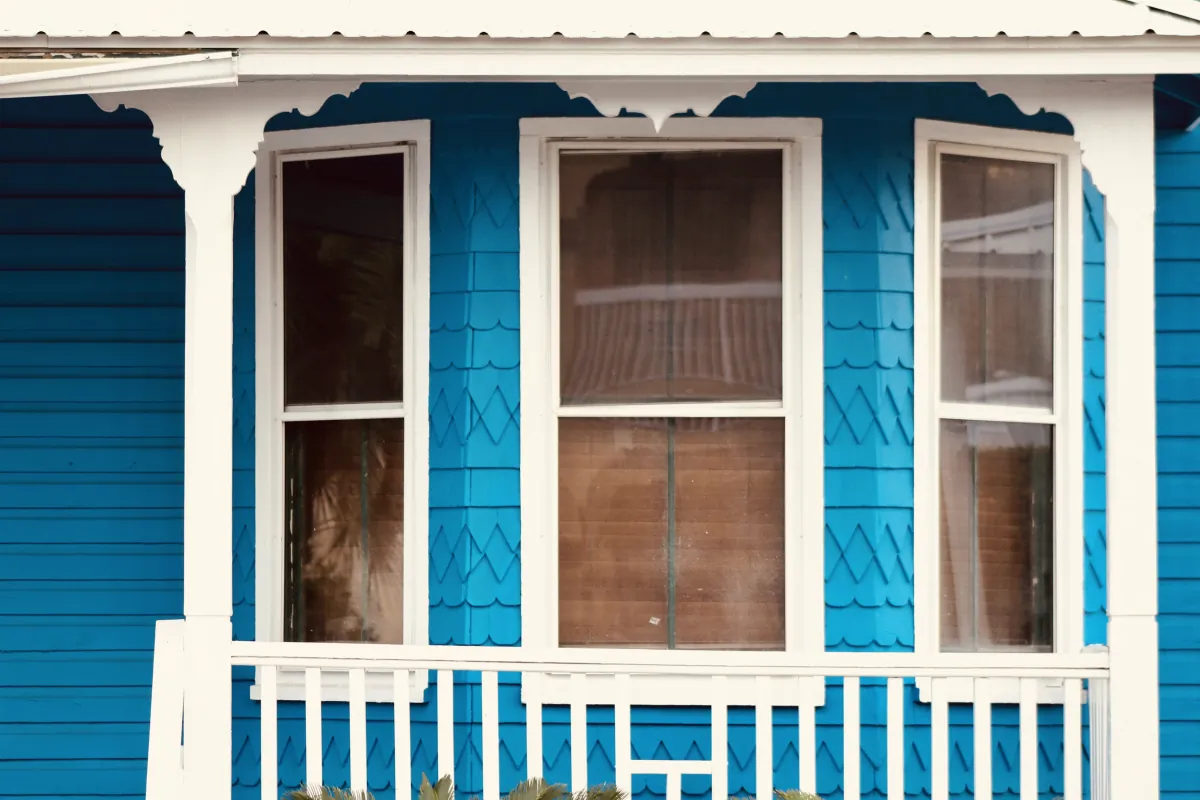
Scope, Budget, And Priorities
Use this checklist to keep scope and costs aligned. Meanwhile, It balances energy performance, aesthetics, and safety while respecting Alameda‘s review needs.
Scope And Selections
- Decide on retrofit vs. For example, full-frame replacement; full-frame demands more trim and waterproofing time.
- Confirm egress and tempered locations per code before signing purchase orders.
- Select frame material (vinyl, fiberglass, clad) and glass coatings that meet climate zone targets.
- Plan interior trim style and paint/stain sequence to avoid return trips.
Budget Guardrails
- Allocate for permit fees, possible engineering (if resizing), and debris haul-off.
- Reserve contingency for dry rot or stucco repairs uncovered during tear-out.
- Align delivery dates with crew availability to prevent storage costs.
Accessibility & Safety Considerations
For aging-in-place or accessibility, consider lower-height locks, lever handles, and wider egress where feasible. Also, Add easy-grip hardware and plan shading that reduces glare without compromising ventilation.

Permits & Inspections (General Guidance)
The City of Alameda processes building permits through its online Accela portal. In addition, Upload your application, plans, and product cut sheets, then track status electronically. In addition, Typical submittals include a floor plan with numbered windows, elevation notes, flashing details, and energy compliance data. In addition, Keep file names consistent so reviewers can respond quickly.
Inspections often include rough opening, flashing/weather-resistive barrier, and final verification. Overall, Schedule early to keep momentum, and have ladders, fasteners, and manufacturer instructions on site. Overall, If you’re in a coastal exposure, note corrosion-resistant fasteners and sealing steps.
To stay aligned with local requirements, monitor updates on the city site and maintain contact info for the assigned reviewer. As a result, Should conditions change (like discovering hidden damage), submit revisions rather than improvising; it protects your final approval.
Review the city’s guidance directly at the Alameda permit portal and keep your contractor of record listed on every inspection request.
Related articles
Frequently Asked Questions
Most residential window replacements require a building permit, especially if you alter openings, change egress sizes, or modify structure. Even like-for-like swaps often need approval so inspectors can verify safety glazing, energy compliance, and flashing. Submit through the City of Alameda portal and keep your contractor listed on the permit.
For straightforward replacements, initial review can take 1–3 weeks depending on city volume. Faster reviews happen when documents are complete: clear plans, cut sheets with U-factor/SHGC, and flashing details. We monitor status and respond quickly to keep your installation date on track.
Expect at least one rough/flashing inspection and a final inspection. Inspectors check anchoring, weather-resistive barrier integration, tempered glass locations, and operation. Keep ladders ready, expose flashing, and have manufacturer instructions on site to answer questions promptly.
DIY can work for small retrofit swaps, but Alameda permits, energy forms, and inspections still apply. If you are resizing, handling stucco repairs, or coordinating multiple openings, a licensed contractor saves time and reduces correction notices. Consider professional help when structural work or multiple inspections are involved.
Plan for permit fees, possible engineering if you change openings, disposal costs, trim/paint, and contingency for hidden dry rot. Custom lead times can impact storage or rescheduling costs, so align delivery with your crew calendar.
Select NFRC-rated windows that meet local U-factor/SHGC targets, use low-E coatings appropriate for sun exposure, and ensure proper insulation at the jambs. Correct flashing and air sealing protect performance; pairing them with balanced ventilation reduces drafts and moisture issues.