
Skip links

Window Replacements vs DIY in Berkeley: A Practical Guide

Deciding between hiring a professional and taking on the work yourself can feel like a simple cost choice. However, when you’re weighing window replacements vs diy in Berkeley, the real difference usually shows up in fit, water sealing, finish quality, and how predictable your schedule stays.

TL;DR: Deciding between hiring a professional and taking on the work yourself can feel like a simple cost choice. However, when you’re weighing window replacements vs diy in Berkeley, the real difference usually shows up in fit, water sealing, finish quality, and…

Quick checklist:

  • Choose the scope: replace all windows or stage the project by priority rooms.
  • Confirm install type (retrofit vs full-frame) and any trim/stucco work.
  • Pick a glass package for comfort and efficiency (Low-E, argon, U-factor/SHGC).
  • Finalize measurements before ordering and confirm lead times.
  • Compare 2–3 bids with the same scope (demo, install, disposal, exterior/interior finish).
  • Confirm permit/inspection requirements and egress rules if applicable.

This guide breaks down where DIY can make sense, where it tends to get expensive, and how to plan materials and timing so you don’t redo work later. If you want help turning your notes into a clear scope and timeline, US Construction & Remodeling Corp. can review your goals and provide a straightforward plan before you commit.

Common Pain Points With Window Replacements Vs DIY In Berkeley (And Fixes)

DecisionWhy it mattersQuick check
Install typeRetrofit vs full-frame changes cost and finish work.Confirm if trim/stucco and interior casing will be disturbed.
Glass packageAffects comfort, energy use, and condensation.Compare Low-E/argon and key ratings (U-factor/SHGC).
MeasurementsOrdering wrong sizes causes delays and rework.Do final measurements before ordering; confirm egress where needed.
Lead timesWindows often drive the schedule.Lock selections early and confirm delivery dates.

TL;DR: DIY can work for a single, same-size replacement if you already have the tools and you can keep water out of the opening while you work. However, once you scale to multiple windows, deal with out-of-square openings, or run into damaged framing, the risk and time cost jump quickly. For this reason, A professional install often costs more upfront, but it tends to deliver more consistent sealing and finish quality.

Quick checklist (5 minutes):

  • List every window you want to replace and note which rooms need ventilation or privacy.
  • Decide whether you are also swapping the same size or changing any openings.
  • Plan for exterior waterproofing and interior trim/paint touch-ups.
  • Set up dust protection and a debris/disposal plan before demo day.
  • Consider whether permits or inspections may apply based on the scope.
  • Pick a realistic schedule and a backup plan if weather delays the work.

Most homeowners compare window replacements vs diy because they want a straightforward upgrade: fewer drafts, smoother operation, and a cleaner look. That goal makes sense. Meanwhile, Still, windows touch structure, water management, and finish carpentry, so a small miss can create a big problem later.

Pain Point: Keeping Water Out At The Perimeter

When you remove an old window, you expose the rough opening. For example, If you rush the sill prep, flashing, or sealant work, water can find a path behind siding or stucco. Instead, think in layers: a properly prepared sill, flashing that integrates with the wall, and a continuous exterior seal. If you DIY, slow down here; if you hire help, ask how the crew handles flashing and sealing in writing.

Pain Point: Openings That Are Not Perfectly Square

Even when the opening looks fine, it can be out of square once you pull trim or old frames. As a result, DIY installers sometimes force the new unit into place, and then the sash sticks or the lock feels tight. The fix is patient shimming and checking operation as you go so the frame stays true and the reveal looks even.

Pain Point: Finish Work That Stretches The Schedule

A like-for-like replacement can still trigger interior casing work, drywall repair, painting, or exterior trim/stucco patching. In addition, If you do not plan for those steps, the job stops feeling simple and starts looking unfinished. Decide up front what “done” means for you: clean trim lines, caulked joints, paint touch-ups, and hardware that works smoothly.

Pain Point: Multi-Window Consistency

On a multi-window project, small differences stand out: uneven trim thickness, mismatched grid patterns, or inconsistent sightlines from the street. Overall, In Berkeley, where many homes sit close together, that visual consistency matters. Choose a single style direction early (frame color, grid/no-grid, trim profile) and apply it across the house for a cohesive result.

Pain Point: Safety And Access

Upper-story windows, tight side yards, and heavy glass add real risk. Additionally, If you cannot set up a stable work area, do not treat the job as a casual weekend project. In those cases, professional installation can protect your home and your schedule.
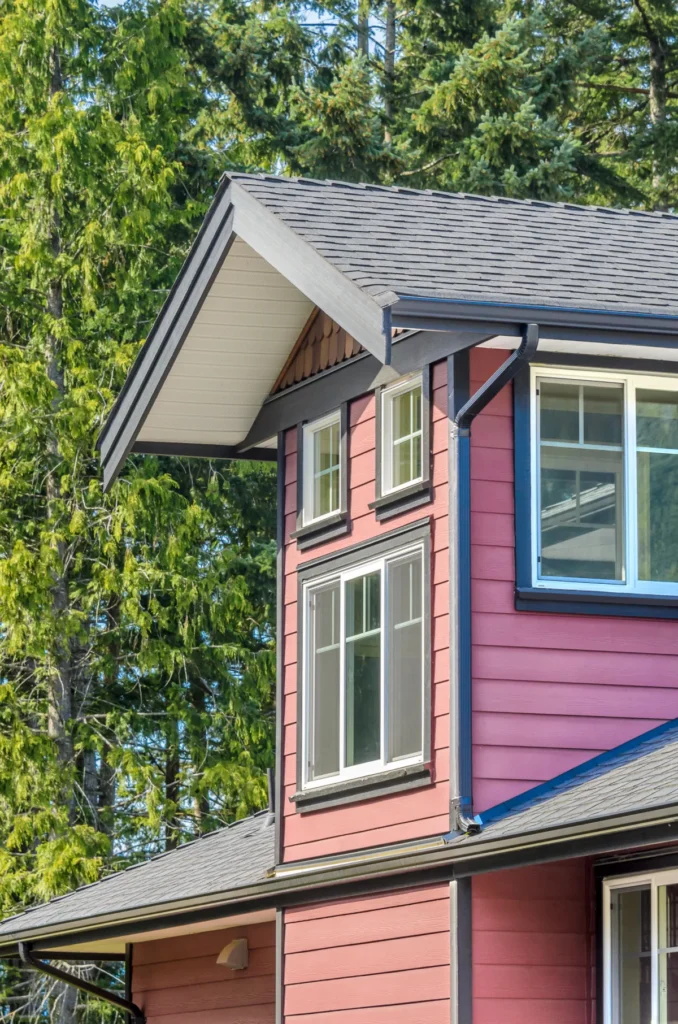
t1 siding roof house nice window

Planning, Budget, And Materials

Planning well makes the DIY-vs-pro decision easier. Also, When you map the window types, finishes, and room needs first, you avoid last-minute swaps that delay the job or create mismatched trim.

Layout Planning: Match Windows To How You Use Each Room

Start with function, then move to style. For example, you may want operable windows where you cook, bathe, or sleep, while fixed windows can work well where you want uninterrupted daylight and a cleaner view.

  • Ventilation: Choose operable styles (like casement, awning, or sliders) in rooms where you need fresh air quickly.
  • Privacy: In bathrooms or street-facing rooms, consider higher placement, frosted glass, or top-opening styles that let in light without giving up privacy.
  • Furniture clearance: Make sure the window style will not conflict with beds, sofas, or countertops when it opens.
  • Cleaning access: Think about how you will clean exterior glass on upper floors or tight side yards.
  • Exterior consistency: Keep head heights and style consistent across elevations so the finished look feels intentional.

Materials Deep Dive: Frames, Glazing, And Interior Trim

Frame material affects durability, maintenance, and how stable the window stays over time. As a result, Glazing options affect comfort, noise, and how the home feels during peak sun exposure. The best choice depends on your priorities, not just the sticker price.

  • Vinyl: Low maintenance and often budget-friendly; color options can be limited, and cheaper lines can feel less rigid.
  • Fiberglass: Very stable and paint-friendly; typically costs more but can deliver a more solid feel.
  • Wood or wood-clad: Classic interior look; requires ongoing maintenance and careful moisture management.
  • Aluminum: Slim sightlines and strength; look for designs that reduce heat/cold transfer for better comfort.

plan the finish details: interior casing profiles, exterior trim style, and hardware finish. For this reason, Those decisions shape the “remodel look” as much as the glass itself.

Small-Space Window Ideas (Bathrooms, Kitchens, And Hallways)

In tight rooms, the right window style can add light without sacrificing privacy or wall space. In addition, These options often work well when every inch matters.

  • Use awning windows higher on the wall for airflow while keeping privacy.
  • Consider frosted glass for bathrooms where you want daylight but need privacy.
  • In kitchens, prioritize easy-to-operate hardware over the sink or counter.
  • Add a small fixed window or transom where an operable unit would conflict with storage.

Budget Planning: What Drives The Total

Costs move more from scope and finish work than most homeowners expect. Additionally, Even if the window units cost the same, access difficulty and repair work can shift the total significantly.

  • Number of windows and how many are upper-story.
  • Any opening size changes or structural adjustments.
  • Interior and exterior trim repair, paint, stucco, or siding patching.
  • Hardware, screens, and specialty glass needs (privacy, safety, or noise reduction).
  • Disposal and jobsite protection (floors, furniture, landscaping).

If you are coordinating windows with a broader home remodeling plan, align your window style and trim so the whole home looks cohesive.

DIY Vs Professional Scope

DecisionDIY-friendly?Often pro-ledWhy it matters
Same-size replacementSometimesCommonLimits finish repair and complexity
Changing window size/styleRarelyYesMay involve framing, plan review, and inspections
Upper-story windowsNot idealYesSafety and watertight detailing
Exterior trim/stucco repairPossibleCommonImpacts water protection and curb appeal
Comfort/noise upgrade goalsHard to specCommonNeeds the right window build and air-sealing
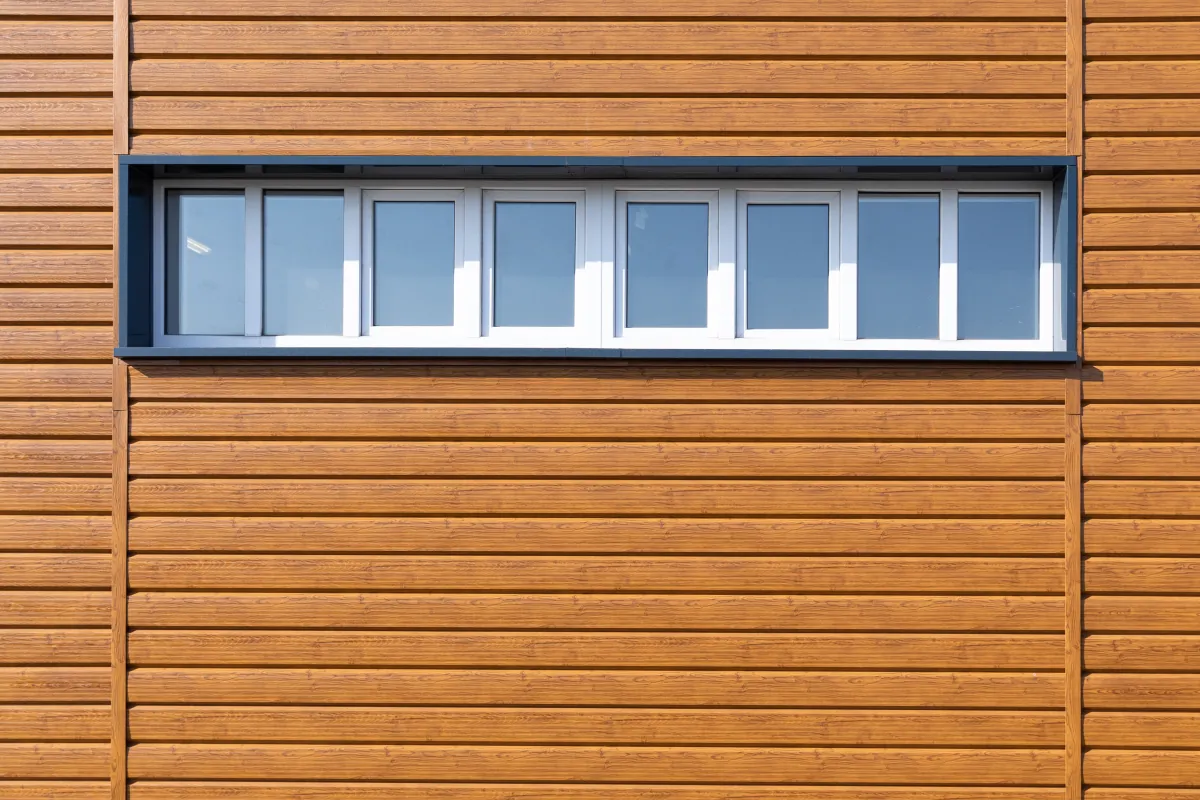
wood siding wooden wall background small windows light w

Timeline And Permit Considerations

US Construction & Remodeling Corp. As a result, helps Berkeley homeowners plan window projects with a clear scope, realistic scheduling, and coordination around installation details. Instead of guessing, you get a plan that matches your home, your priorities, and the window style you want.

Book a planning call to map your timeline, or call +1 (916) 234-6696 if you prefer to talk it through.

Typical Sequence (Planning To Install Day)

  1. Scope and goals: Confirm which windows you are replacing, what problems you are solving (drafts, operation, noise, appearance), and what “finished” means.
  2. Selections: Choose window styles, frame material, glass/privacy needs, hardware finish, and trim approach.
  3. Site verification: Verify conditions on site so the install plan accounts for any trim, repair, or access constraints.
  4. Ordering and production: Place the order and plan around the manufacturer turnaround time.
  5. Installation and sealing: Remove old units, install, seal, and verify operation and lock alignment.
  6. Finish and cleanup: Complete trim/patch work, touch up paint as needed, and clean the work area.

Budget & Timeline (Typical)

  • Budget drivers: Window count, access height, opening changes, and finish repair move the total the most.
  • Product turnaround: The window model and options can shift ordering to install by several weeks.
  • Installation time: Straightforward replacements often run one to a few days, depending on how many windows you are replacing.
  • Permits/inspections (when required): Plan extra time for review and scheduling through the City of Berkeley Permit Service Center.

Permits In Berkeley: Plan For Them When The Scope Triggers Them

Some window projects qualify as simple replacements, while others step into permit territory. As a result, In general, if you change an opening size, touch structural framing, or affect safety/egress requirements, you should expect additional review. Berkeley’s Permit Service Center supports online permitting (“Permits Online”) for many residential scopes, which can make tracking easier. Because rules depend on the exact scope and address, confirm requirements with the city before work starts.

DIY Scheduling Reality Check

A DIY install can feel fast on paper, but the calendar often stretches once you factor in setup, weather protection, tool runs, and finish repairs. For example, If your home needs to stay fully functional during the project, build in buffers. On the other hand, a professional crew typically compresses the disruption into fewer days because they coordinate labor, materials, and cleanup as one plan.

Leave a comment

This website uses cookies to improve your web experience.
Explore
Drag