

Skip links

Window Replacements vs DIY in Davis: A Practical Homeowner Guide

If you’re weighing window replacements vs diy for your Davis home, the decision isn’t just about tools—it’s about moisture control, comfort, and who owns the details when something doesn’t match the opening. This guide from US Construction & Remodeling Corp. walks you through the practical differences so you can choose confidently.

Because windows tie into your walls and exterior, a “simple swap” can turn into trim, drywall, or siding work. For a quick consult, call +1 (916) 234-6696.

TL;DR: DIY can work for small maintenance tasks, but full window replacement is a building-envelope job. A licensed team typically delivers a cleaner schedule, coordinated ordering, and workmanship you can hold accountable.

Quick checklist:

  • Decide whether you’re changing the frame or just the window unit
  • Pick the operation style that fits your room and ventilation needs
  • Choose a glass package that balances comfort and solar control
  • Plan interior trim and exterior sealing details before demo day
  • Confirm how you’ll protect floors, furniture, and pets during work
  • Build in time for ordering, scheduling, and any required approvals

What Changes The Experience The Most For Window Replacements Vs DIY

DecisionWhy it mattersQuick check
Install typeRetrofit vs full-frame changes cost and finish work.Confirm if trim/stucco and interior casing will be disturbed.
Glass packageAffects comfort, energy use, and condensation.Compare Low-E/argon and key ratings (U-factor/SHGC).
MeasurementsOrdering wrong sizes causes delays and rework.Do final measurements before ordering; confirm egress where needed.
Lead timesWindows often drive the schedule.Lock selections early and confirm delivery dates.

Most homeowners start with cost. However, also the day-to-day experience usually hinges on risk: water intrusion, glass handling, ladder work, and whether the opening needs repair once the old unit comes out. In other words, the “hard part” often isn’t the screw gun—it’s protecting the home while you work.

When homeowners compare window replacements vs diy, these decision points are the fastest way to tell whether DIY will feel manageable or whether a professional install will save you time and stress.

  • Scope: swapping the unit inside an existing frame vs rebuilding the opening
  • Exterior water management: flashing, pan details, and long-term sealing
  • Opening condition: rot, cracks, or out-of-square framing you can’t see until demo
  • Access: second-story work, steep landscaping, or limited exterior clearance
  • Glass handling: large panes add safety and breakage risk
  • Interior finish level: matching casing, stool, drywall texture, and paint
  • Security between steps: keeping the opening safe if the job spans multiple days
  • Noise and dust control: containment planning matters more than most expect
  • Performance checks: smooth operation, tight locks, and consistent reveals
  • Accountability: one party responsible for the install and any callbacks

Planning Errors That Create Rework

DIY projects often go sideways for predictable reasons. Additionally, a few small oversights can snowball into drywall, trim, or exterior repair.

  • Choosing a window style that fights the room layout or blocks furniture placement
  • Relying on surface caulk instead of proper water-shedding details
  • Skipping continuous air sealing around the perimeter
  • Underestimating interior finish work (casing, sills, paint touch-ups)
  • Not staging materials so the opening stays protected between steps

If you want a straight answer on whether your scope is DIY-friendly, call +1 (916) 234-6696 and we’ll talk it through.
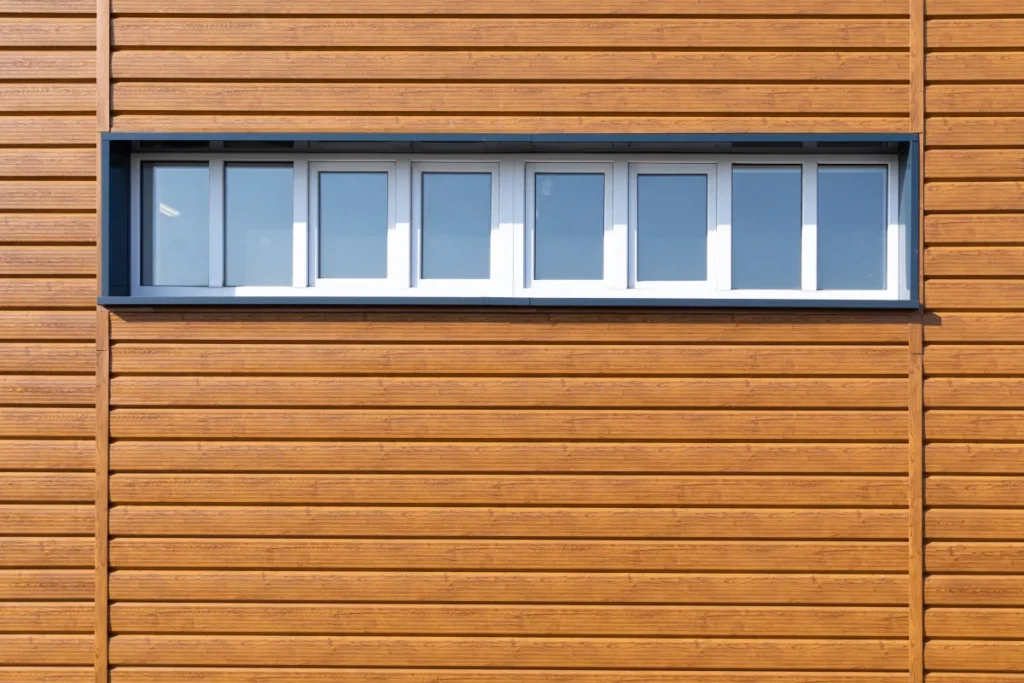
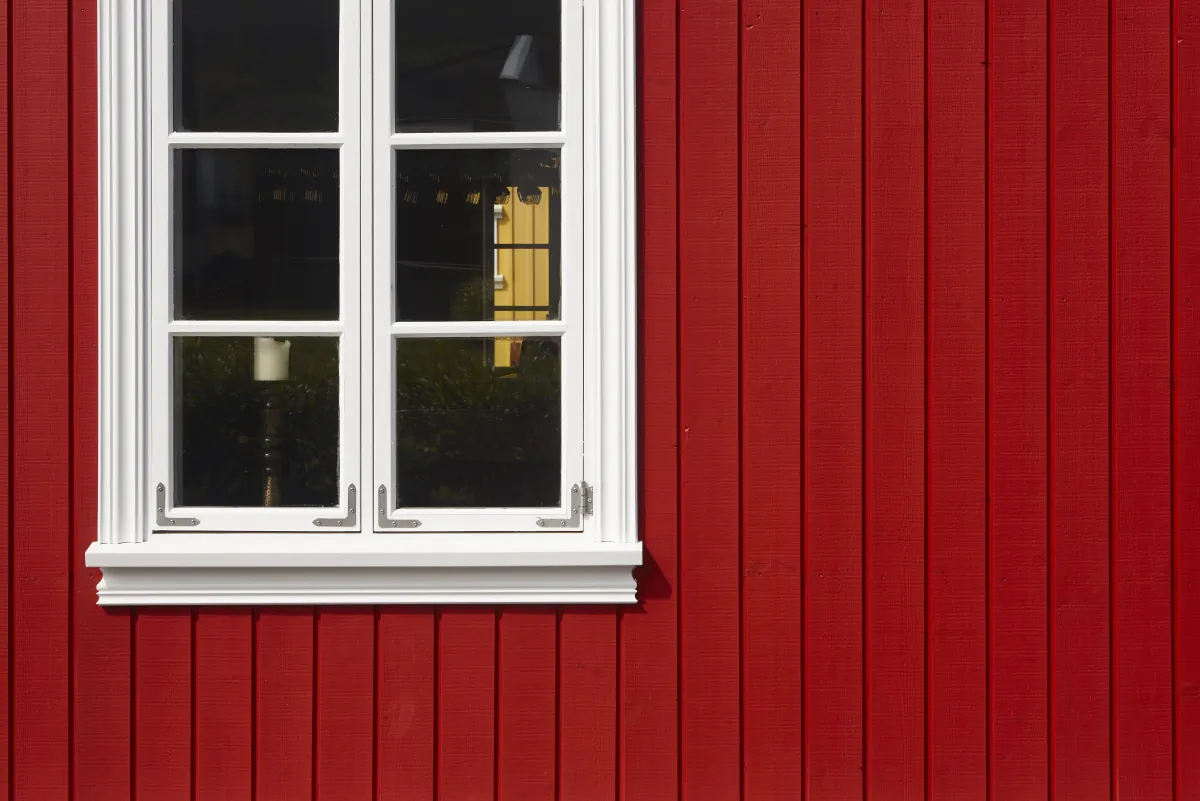
vinyl double pane window detail

Layout And Function Improvements For Window Replacements Vs DIY

Even if you keep the same window openings, new units can change how a room works day to day. For example, the way a sash opens can determine where you place a desk, how you circulate air, and how easily you clean the glass.

Small-Room Layout Moves That Work Well

In tight rooms, choose window styles that give you clearance and predictable airflow. Also, think about where screens and latches land so the window stays easy to use.

  • Sliding windows: stay within the frame, so they’re friendly near walkways and furniture
  • Casement windows: can capture breezes, but the crank-out panel needs exterior clearance
  • Awning windows: open at the bottom and can vent during light rain, which helps in compact spaces
  • Single-hung/double-hung: keep a clean exterior profile and work well where shrubs are close

Ventilation, Comfort, And Quiet

New weatherstripping, tighter locks, and a better glass package can noticeably reduce drafts and outside noise. Therefore, if comfort is your main goal, prioritize air sealing and the right glass over decorative upgrades.

Window-Adjacent Storage And Organization

Window work is also a good time to rethink the area around the opening. As a result, Depending on your room, you may add function without changing the footprint.

  • Consider a deeper interior sill as a usable ledge (plants, small décor, or a charging spot)
  • Add a low window bench with hidden storage if the wall supports it
  • Plan cordless shades or recessed treatments so the opening stays clean and easy to operate
  • Use consistent trim profiles so the room looks intentional, not pieced together

If you’re bundling window upgrades with broader improvements, keep the scope coordinated so finishes match across the home.

Sys

Materials And Finish Options

US Construction & Remodeling Corp. For this reason, helps Davis homeowners compare window materials, narrow down glass and hardware options, and plan the finish details so the new windows look clean from both inside and out.

Phone-first consult: call +1 (916) 234-6696. Overall, If you prefer online scheduling, you can request an estimate.

Frame Materials: What You’re Really Choosing

No frame material is “perfect” for every home. In addition, Instead, match the choice to maintenance expectations, exposure, and the look you want.

  • Vinyl: typically budget-friendly and low maintenance, with a wide range of colors
  • Fiberglass: stable and durable, often a strong choice when you want a crisp profile
  • Wood or clad-wood: classic interior appearance, but it requires more upkeep over time
  • Aluminum: slim profiles and modern lines, although comfort performance depends heavily on the product design

Glass Packages And Comfort

Double-pane glass is common, yet the coating and spacer choices change comfort more than most people expect. Additionally, Pay attention to U-factor and SHGC ratings when you want better temperature control and solar management, and consider sound-control glass if street noise is a concern.

Interior Trim, Exterior Lines, And Finish Match

DIY installs often stall at the finish stage. On the other hand, that finish work is what you see every day. Also, Decide up front whether you want new casing, a new stool and apron, or a minimal trim look, and plan how you’ll blend exterior details so the facade stays consistent.

Maintenance Habits That Keep Windows Performing

After the install, simple habits protect performance and extend lifespan.

  • Clean tracks and weep paths so water drains as designed
  • Lubricate moving hardware lightly and check locks for smooth engagement
  • Inspect interior and exterior sealant seasonally and touch up early, not after damage
  • Keep sprinklers and standing water away from window bases and trim

Frequently Asked Questions

It depends on the scope and the finish level you expect. DIY may work for minor repairs or very straightforward swaps, but full replacement often involves weather control, sealing details, and finish carpentry. If you want predictable results and less risk, talk through your project first by calling +1 (916) 234-6696.

Most of the schedule is usually driven by product lead time and planning, not the day of installation. Once materials arrive, many projects move quickly; however, interior trim, paint, exterior blending, and any required inspections can extend completion.

The biggest drivers are the ones that add labor and complexity.

  • How many windows you’re replacing and their sizes
  • Keeping an existing frame vs rebuilding the opening
  • Glass upgrades (comfort, solar control, sound reduction, safety options)
  • Access constraints (second story, tight exterior clearances)
  • Finish work expectations (trim, drywall, paint matching)

Sometimes. Permit needs depend on what changes you’re making and the specifics of the property. The City of Davis Building Division can confirm what applies to your scope, and a licensed contractor can typically handle permit coordination when it’s required.

Vinyl and fiberglass are common low-maintenance choices. Vinyl often fits budget-focused projects, while fiberglass can offer a stiffer, stable profile. Wood can look great inside, although it generally needs more upkeep over time.

A solid quote should make the finished result clear, not just the product list.

  • Written scope including demo, sealing, trim, and cleanup
  • Product specs and warranty terms (manufacturer + workmanship)
  • Clarity on permits and inspections if they apply
  • Insurance confirmation and a communication plan for the schedule

Leave a comment

This website uses cookies to improve your web experience.
Explore
Drag