

Bathroom Remodeling Timeline In Rocklin – Checklist + Schedule

Bathroom Remodeling Timeline In - Checklist + Schedule in Rocklin should be planned around permit flow, trade sequencing, and realistic lead times.
Local permit source: official permit source.
This page focuses on city-specific constraints, cost drivers, and practical execution controls.
Rocklin permit source and local constraints
Local permit source: official permit source.
Local risks to control
- Procurement timing for long-lead items controls downstream install pacing.
- Inspection availability and correction cycles are common schedule bottlenecks.
- Parallel trade overlap can accelerate delivery only with strict scope control.
Rocklin cost drivers
Budget outcomes are usually determined by a few dominant variables:
- Lead-time risk on specialty materials.
- Crew handoff efficiency across trade phases.
- Permit/inspection hold points on the critical path.
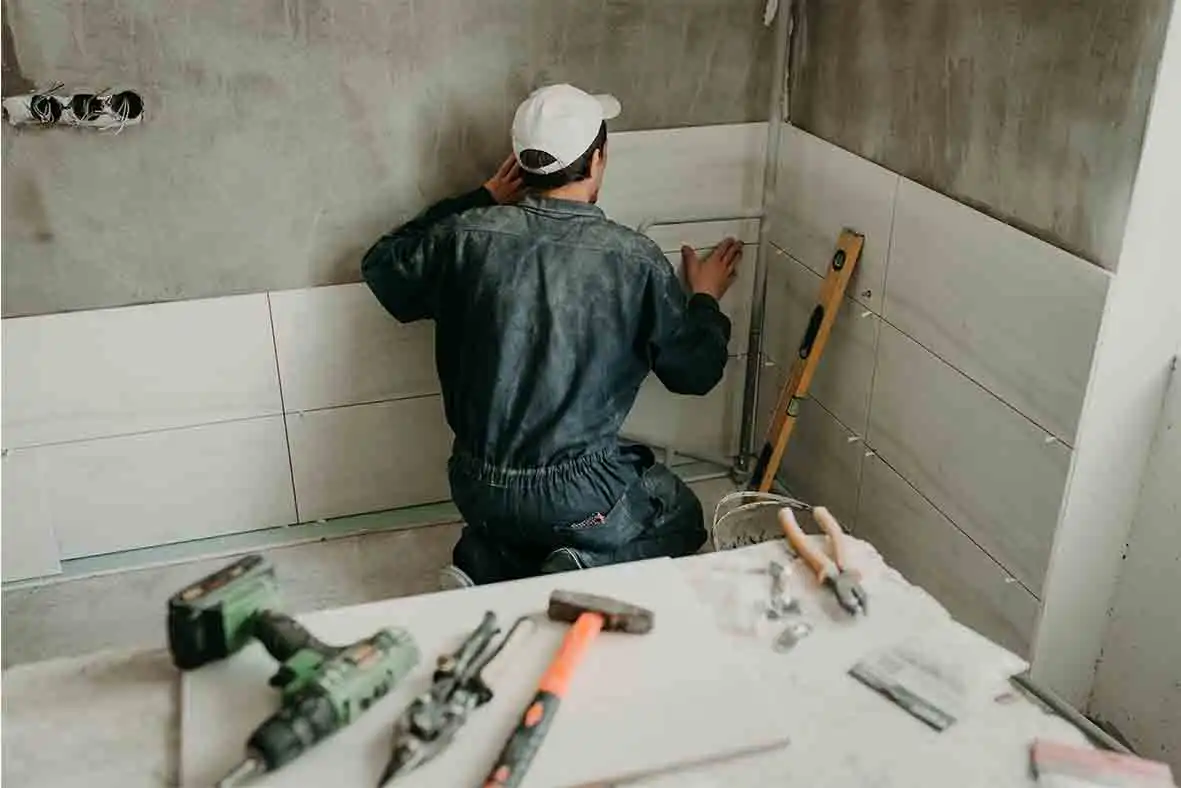
Local proof and planning context
Permit + inspection planning should be tied to procurement milestones.
Before ordering long-lead items, confirm permit scope, inspection sequence, and handoff responsibilities across trades.
Frequently Asked Questions
Timeline depends on scope, inspection needs, and product lead times. A simple refresh (paint, vanity swap, minor fixture updates) can move quickly because it avoids most in-wall work. A full gut remodel usually takes longer because you add rough plumbing/electrical, waterproofing, tile cure time, and a longer finishing phase.
Many projects follow this general flow:
- Selections and ordering (the biggest schedule lever)
- Demo and rough-in work
- Inspections when permits apply
- Waterproofing, tile, and cure time
- Fixture installs, trim, and punch list
To keep the Bathroom Remodeling timeline rocklin homeowners plan from slipping, finalize fixtures before demo and avoid midstream layout changes.
It depends on what you’re changing. Many cosmetic updates do not require permits, while work that modifies plumbing, electrical, ventilation, or walls commonly does. Because requirements vary by scope and the existing conditions at the home, confirm details with the City of Rocklin and your contractor before work begins.
- More likely to need permits: relocating fixtures, new circuits/outlets, fan changes, wall moves
- Less likely to need permits: paint, like-for-like fixture swaps, minor finish updates
When permits apply, plan for inspections as schedule milestones so walls don’t close until the work passes.
They can, but the time is manageable when you plan for it. Permits create defined inspection points (often after rough plumbing/electrical and sometimes at the end), which means certain phases can’t move forward until they pass.
In practice, delays happen when inspection scheduling isn’t lined up early or when required corrections aren’t handled quickly. Ask your contractor who schedules inspections, how far out they typically book, and what the contingency plan is if an inspector requests a change.
Most delays come from a handful of repeat issues. The good news is you can prevent many of them with upfront decisions and simple checks.
- Backordered fixtures: valves, shower trim, glass, and vanities can stall the critical path
- Unclear scope: “while we’re in there” changes add days fast
- Hidden damage: rot or subfloor repairs discovered after demo
- Inspection timing: rough approvals can pause the schedule when permits apply
- Decision lag: tile layout, grout color, niche placement, and accessory locations
Lock selections early, keep a written scope, and build a small buffer for the unknowns you can’t fully control.
Yes, but it takes planning. If it’s your only bathroom, treat “out of service” time as a hard constraint and plan around it before demo starts.
- Ask if the schedule can keep the toilet usable until late in the project.
- Confirm daily water shutoff windows so you can plan showers and routines.
- Set up a temporary bathing plan (family, gym membership, or short-term arrangements).
- Choose in-stock materials when timing matters more than a specific brand/style.
Hypothetical example: Some homeowners prioritize a simpler tile design and in-stock vanity to shorten downtime, then add accessories and upgrades later.
Bathroom remodel pricing varies widely, so the smartest approach is to understand the cost drivers and decide what you’re optimizing for (speed, durability, design, or a mix). When you align those priorities early, you reduce change orders that can raise cost and extend the timeline.
- Layout changes: moving plumbing and electrical increases labor and coordination
- Tile scope and complexity: more coverage and custom patterns typically cost more
- Fixture tiers: valves, trim, toilets, and vanities span a wide range
- Hidden repairs: water damage and subfloor work can add unexpected scope
- Permits/inspections: when required, they add coordination steps
For an accurate plan, request a written scope with allowances or specified products—then compare bids on what’s included, not just the total.
Either approach can work, but it changes responsibility and timing. Owner-supplied materials can save time in shopping, yet it can also create delays if parts arrive late or don’t match the rough-in requirements.
If you plan to purchase items yourself, use this checklist to protect the schedule:
- Confirm exact model numbers and rough-in specs before ordering.
- Order early and keep critical-path items on-site before demo.
- Buy extra tile (and store it) for future repairs.
- Verify return policies and inspect boxes for damage on delivery.
If timing is your top priority, contractor-supplied materials often simplify coordination because one party owns ordering, compatibility, and replacements.