

Local planning guide for Arden
Hiring the right contractor is the difference between a smooth remodel and months of rework. If you searched bathroom remodeling contractor arden vet, this guide breaks down exactly what to verify, what to decide before demo, and how to spot bid gaps before you sign.
TL;DR: Choose the scope first, compare bids line-by-line, and confirm who pulls permits and schedules inspections for your Arden address. You’ll save time by locking selections early and planning around material lead times.
- Confirm scope: shower/tub, vanity, flooring, and ventilation
- Ask for a written work plan with trade order and site protection
- Require a detailed line-item proposal (not a one-number bid)
- Verify who handles permits/inspections for unincorporated Arden areas
- Lock materials early to reduce delays (tile, glass, fixtures)
- Get a change-order policy in writing before construction starts
Want a timeline-driven plan for your bathroom? Free estimate and we’ll map the steps and realistic lead times for your specific scope.
Checklist: Decisions to Make Before Demo
A contractor can only price and schedule accurately when the decisions are clear. Use this list to define your remodel so the bids you compare are truly comparable.
Design decisions that change the scope
- Shower style: tiled shower, one-piece surround, or tub/shower combo
- Waterproofing approach and where it will be applied (wet zones, niches, benches)
- Tile direction and pattern (stack, offset, herringbone) and grout color
- Niche, shelf, or corner caddy layout in the shower
- Vanity width, toe-kick height, and whether you want a furniture-style look
- Cabinet finish and door style (Shaker, slab, raised panel) for the vanity
- Countertop material for the vanity (quartz, solid surface, natural stone)
- Mirror plan: framed mirror vs. medicine cabinet, plus integrated lighting
- Lighting layers: ceiling ambient + vanity task + shower-rated accent
- Flooring selection and transition details at the doorway
- Ventilation target: fan location, ducting path, and control (timer/humidity)
- Paint sheen and trim details for easy cleaning
Storage upgrades that earn their keep
When you compare bids, include storage choices in the written scope so they don’t get value-engineered away midstream.
- Vanity drawer stacks instead of doors for daily items
- Pull-out organizers for hair tools and toiletries
- Recessed medicine cabinet for hidden storage without crowding the vanity
- Over-toilet cabinet or shallow shelving (measured to clear headroom)
- Built-in shower niche sized to your actual bottles
Budget ranges & timeline (typical)
- Simple refresh: finishes/fixtures, minimal layout changes
- Mid-scope remodel: new shower system, vanity, tile, electrical updates
- Full remodel: layout changes, custom tile, upgrades across plumbing/electrical
- Timing: planning and selections often take as long as construction; long-lead items can extend the calendar
Bathroom Remodeling Contractor In Arden - How To Vet A Contractor: Step-by-Step Plan
Good vetting is structured, not emotional. This plan helps you evaluate a bathroom bid the way a builder does, so you avoid surprises during demo and finish work.
Step 1: Compare “apples to apples” scopes
Ask every contractor to price the same written scope: demolition boundaries, waterproofing, tile coverage height, fixture allowance rules, and who reconnects what. If the scope is vague, the price is vague.
Step 2: Confirm trade order and site protection
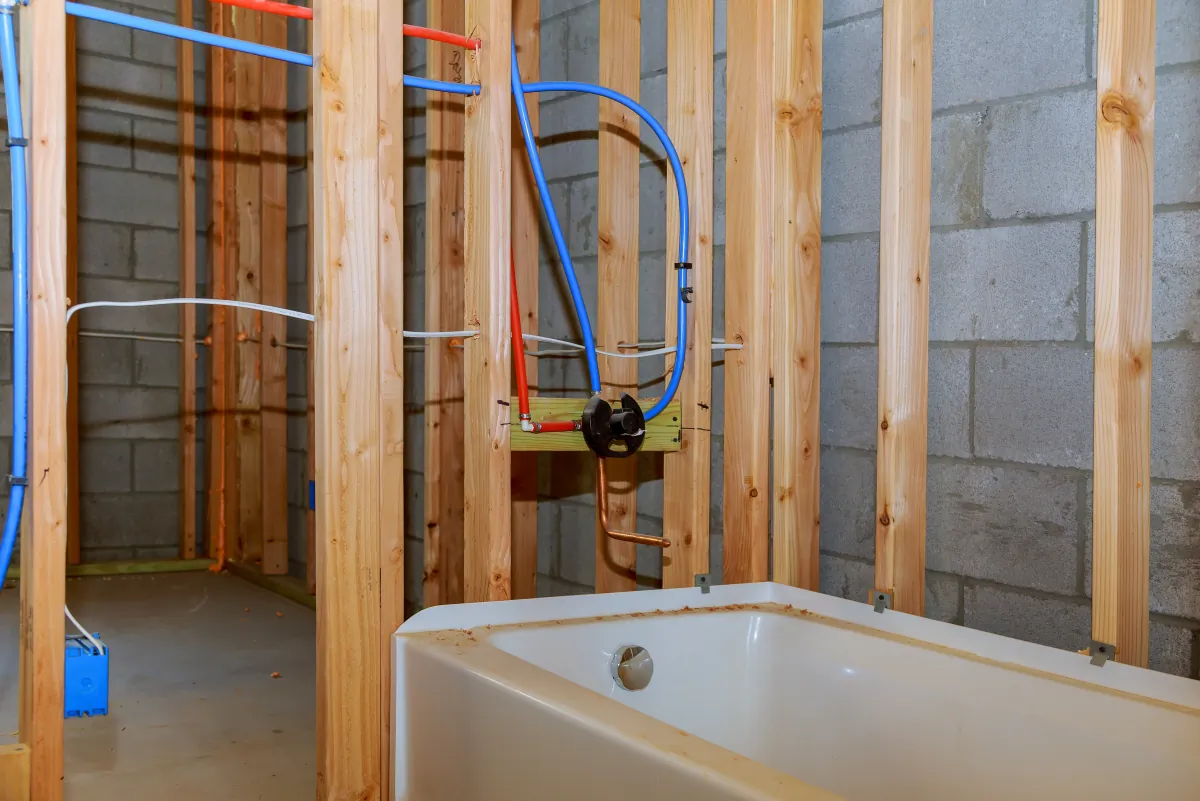
A well-run bathroom follows a clear sequence—demo, rough plumbing/electrical, inspections when required, waterproofing, tile, paint, trim, fixtures, and punch-list—plus daily dust control and floor protection.
Step 3: Review layouts the contractor is prepared to build
Even in a bathroom, “layout” is more than where the toilet sits; it’s how clearances, doors, and storage work together.
- Galley-style: fixtures aligned on two sides with a clear center path
- L-shape: vanity + shower on adjacent walls to open the entry zone
- U-shape: three-sided planning for larger baths or split wet/dry zones
- Island-centered: a freestanding vanity focal point when space allows and plumbing routes support it
Materials deep dive: what to ask before you sign
Use these questions to test whether the contractor understands performance, not just aesthetics.
- Vanity cabinets: plywood vs. particle board, soft-close hardware, moisture-rated finishes
- Door styles: Shaker hides wear well; slab reads modern; raised panel suits traditional looks
- Countertops: quartz for low maintenance; natural stone needs sealing; solid surface repairs well
- Tile: porcelain durability; natural stone maintenance; slip resistance on floors (ask for coefficient guidance)
- Shower fixtures: mixing valve compatibility, trim availability, and service access
- Glass: coating options that reduce spotting; door swing clearance at the entry
- Flooring: porcelain tile vs. waterproof rigid core; transitions and base details that resist moisture
Lighting plan (layered) you can verify in writing
Ask for a simple lighting schedule: ambient (ceiling), task (vanity), and accent (shower or niche). Make sure wet-area ratings and switch locations are included in the bid.
Quick comparison table (use this when reviewing proposals)
| Decision | What it changes | What to confirm in the contract |
|---|---|---|
| Shower system | Waterproofing, tile labor, lead time | Waterproofing method, tile coverage, fixture model/allowance |
| Vanity size | Plumbing placement, electrical, storage | Exact width, countertop cutouts, backsplash detail |
| Vent fan upgrade | Moisture control, duct routing | CFM target, duct path, roof/wall termination method |
| Tile selection | Cut complexity, grout maintenance | Pattern, grout type, edge trims, niche details |
Step 4: Put change-control in black and white
Clarify how changes are priced and approved. A solid process includes written change orders, price/time impacts, and a signature before extra work begins.
If you’re doing a bathroom remodeling contractor arden vet search to avoid surprises, this is one of the highest-value checkpoints to insist on.
Permits, Inspections, and Local Requirements
US Construction & Remodeling Corp. helps homeowners planning bathroom upgrades in Arden by building a clear scope, coordinating the trades, and aligning the schedule with typical plan submittal and inspection checkpoints for unincorporated areas. You’ll get a straightforward plan for what gets selected first, what gets ordered early, and what can wait until the finish phase.
Book a planning call focused on timeline and next steps, or call +1 (916) 234-6696 to talk through your schedule windows and selection lead times.
Local permit flow (Arden-Arcade areas)
Arden is largely unincorporated, so many permits are typically handled through Sacramento County’s building permit and electronic plan submittal process (the exact path depends on the address and scope). Ask your contractor to explain which permits apply, who submits, and how inspections will be scheduled.
- Confirm whether the scope touches plumbing, electrical, framing, or ventilation
- Identify inspection checkpoints early so the trades align around them
- Keep product specs ready (fans, fixtures, waterproofing system) if plan review requests them
Lead-time risks (and the trade order they affect)
Material delays usually hit showers and vanities first, so lock those early. Tile backorders, shower glass fabrication, and special-order fixtures can all shift the finish date even when the demolition is already done.
- Order the shower system, valve/trim, and drain style before rough plumbing begins
- Confirm tile availability and trim pieces before waterproofing is scheduled
- Measure for shower glass only after tile is complete and fully cured
Helpful links
Related articles
Timeline: What Happens Week by Week
This is a practical model for a single-bathroom remodel; the exact schedule depends on scope, inspections, and lead times. A strong contractor will show you where each trade fits, and which steps can’t be compressed.
Week-by-week (typical construction sequence)
- Week 0 (planning): finalize scope, drawings (if needed), and selections; order long-lead items
- Week 1: site protection and demo; assess framing/subfloor; confirm any hidden-condition fixes
- Week 2: rough plumbing and electrical; ventilation adjustments; inspection as required by scope
- Week 3: shower pan and waterproofing; flood test when applicable; prep for tile
- Week 4: tile installation and grout; paint and trim prep
- Week 5: vanity install, countertop, plumbing trim-out, lighting, mirror, and accessories
- Week 6: shower glass (if used), final touch-ups, punch-list, and final inspection if required
What slows a bathroom down
- Late fixture selections that change rough-in locations
- Special-order tile or missing trim pieces (bullnose, edge profiles)
- Change requests after waterproofing or tile begins
- Inspection scheduling gaps when trades aren’t coordinated
Use this schedule to pressure-test your bids: if one timeline looks dramatically shorter, ask what steps they’re omitting and how they’ll protect the home while waiting on materials.
Planning note for Arden: Treat permits, procurement, and inspections as one critical path. Lock scope and selections before demolition so trade handoffs do not stall.
Scope proof: A written line-item scope with allowances and exclusions is a better predictor of a smooth job than the lowest headline price.
US Construction & Remodeling Corp. (scope-first planning)