

Gutters Permit Requirements in Folsom: Checklist and FAQs
Homeowners in Folsom search for gutters permit requirements folsom when overflow, staining, or pooling water makes the job feel urgent. The catch is that a 'simple replacement' can turn into drainage changes, fascia repairs, or other scope that may need City review.
TL;DR: Many like-for-like gutter swaps don't require a permit, but changes to runoff routing, structural repairs at the roof edge, or new drain connections can trigger review. In Folsom, you can confirm requirements and track applications through the City's ePermit Center (eTRAKiT). For a quick scope check, call +1 (916) 234-6696. Quick checklist:
- Define the scope: replace only, or also repair fascia/soffit.
- Map where each downspout will discharge (and where water will go).
- Check for rot or soft wood at the roof edge before you order materials.
- Choose gutter size, profile, color, and whether you want guards.
- Ask who will handle permit questions and any inspection scheduling in eTRAKiT, if needed.
- Plan a water-test walkthrough the day of installation.
Who Should Double-Check For Gutters Permit Requirements Folsom
| Decision | Why it matters | Quick check |
|---|---|---|
| Gutter size (5-inch vs 6-inch) | Capacity affects overflow risk during heavy rain. | Ask the installer to size based on roof area and runoff. |
| Downspout locations | Where water lands affects erosion and slip hazards. | Map discharge points and confirm extensions/splash blocks. |
| Guards/screens | Reduces clogs but still needs maintenance. | Choose based on debris type and confirm cleaning access. |
| Fascia condition | Weak/rotted fascia causes sagging and leaks. | Inspect before install; include repair allowance in scope. |
A permit question usually comes up when gutter work touches more than just the metal along the eaves. Meanwhile, When you're sorting out gutters permit requirements folsom, focus on what's changing: structure, drainage, or both.
This matters because the wrong scope can also create rework. It can also leave you with water still dumping where it shouldn't.
This guide is most useful if your project includes any of the items below:
- Moving downspouts to new locations or adding additional downspouts.
- Routing discharge to a new location (for example, into new piping or to a different side of the home).
- Replacing damaged fascia, rafter tails, or soffit as part of the gutter job.
- Working on a taller home where access and safety planning affect the schedule.
- Changing gutter size and adding guards at the same time.
A Homeowner Checklist
Lock in these decisions early so your quote, materials, and (if needed) permit submittal all match the same scope.
- Water path: Where will each downspout discharge, and how will water move away from the foundation?
- Repairs: Do you want fascia/soffit repairs included, or handled by a separate trade?
- Gutter size: 5-inch works for many homes; 6-inch can help on larger roof areas or heavy runoff zones.
- Downspout count: Confirm how many downspouts you'll have and where they land.
- Guard choice: Decide between no guard, screen, or micro-mesh based on nearby trees and cleaning preference.
- Discharge details: Confirm splash blocks, extensions, or drain connections so water doesn't erode landscaping.
- Access: Note steep roof lines, tight side yards, or fragile landscaping that affect staging.
Common Mistakes To Avoid
These issues create surprise change orders or lead to water problems after install.
- Replacing gutters without checking the fascia for soft wood.
- Letting downspouts dump next to the foundation without a plan to move water away.
- Choosing guards without confirming how you'll keep outlets clear.
- Accepting a quote that doesn't specify gutter size, downspout count, and discharge locations.
- Starting work before you've clarified whether the scope needs a permit or inspection.
Permits And Code Considerations For Gutters Permit Requirements Folsom
Gutters themselves often fall into repair or replacement work, but permit needs can change when the scope affects structure or drainage. Overall, To keep gutters permit requirements folsom clear, treat it as a scope question: what are you changing, and where will water go when it leaves the downspout?
Because each address and scope is different, use the City of Folsom's ePermit Center (eTRAKiT) and the Building Division as your source of record.
Permit Notes For Gutter Projects
High-Level Triggers That May Require Review Or Inspection Include:
- Structural repairs: replacing fascia boards, rafter tails, or other roof-edge framing as part of the job.
- Drainage changes: rerouting downspouts to a new discharge location, adding new piping, or tying into an existing drain system.
- Roof edge changes: modifying roof edge components to correct drainage, not just swapping like-for-like gutters.
- Multi-trade scope: combining gutter work with exterior repairs that expand the job beyond a gutter swap.
If you're unsure, describe the scope in plain language (what you're removing, what you're adding, and where water will discharge). Additionally, That detail helps the City quickly tell you whether they want a permit.
Timeline And Scheduling
Most straightforward gutter replacements install quickly, but planning saves days when you add repairs or permit steps. Also, A good schedule leaves room for material lead times, dry-weather installation, and any required inspections.
| Decision | Why it matters | What to decide early |
|---|---|---|
| Like-for-like vs. repairs | Repairs can change cost and permit needs | Confirm fascia/soffit scope and finish work |
| Downspout discharge plan | Wrong discharge location causes pooling | Pick extension/splash block or drain routing |
| Gutter size and outlets | Size affects overflow risk | Choose 5-inch vs 6-inch and outlet count |
| Guard selection | Guards affect cleaning and water flow | Match guard type to debris and outlet access |
A practical sequence most homeowners can follow:
- Get a site walk and a written scope that lists gutter size, downspouts, and discharge locations.
- Confirm whether the scope needs a permit; if it does, clarify who will submit and who will schedule inspections in eTRAKiT.
- Order materials after the scope is locked, not before.
- Install on a dry day, then run a controlled water test to check slope and leaks.
- Close out any inspection items (if applicable) and document what was installed for future maintenance.

For Folsom homeowners, the fastest path is a clear scope and a plan for where roof runoff will go. In addition, If gutters permit requirements folsom feels unclear for your project, call +1 (916) 234-6696 and talk it through with the team at US Construction & Remodeling Corp.
How To Choose Materials And Trades
Start by matching materials to your priorities: lifespan, appearance, and how much cleaning you're willing to do. As a result, Keep the scope simple when you can, because every add-on (repairs, reroutes, guards) adds coordination.
Material And Sizing Decisions
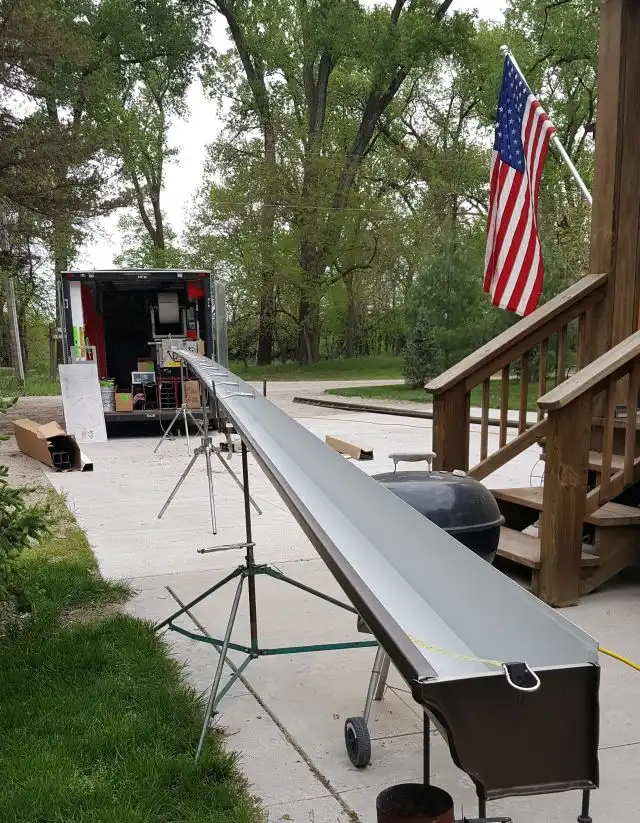
- Aluminum: common for seamless systems, lightweight, and available in many colors.
- Steel: tougher, but heavier; confirm coating and long-term corrosion expectations.
- Copper: premium look and longevity; expect higher material and labor costs.
- 5-inch vs 6-inch: larger gutters and outlets help where overflow has been a problem.
- Hidden hangers: generally hold better than older spike-and-ferrule methods.
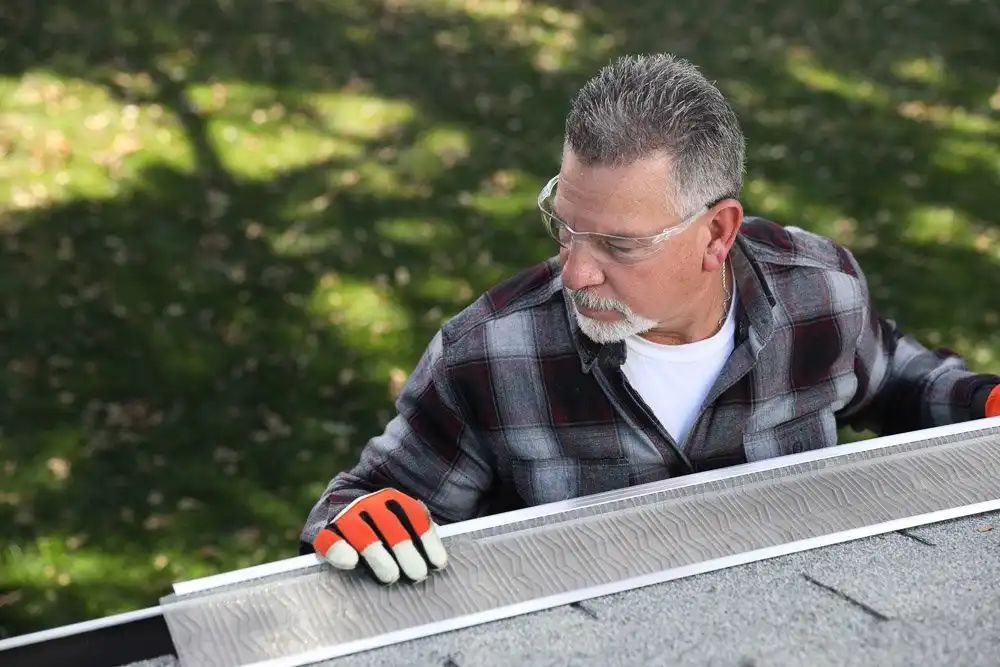
- Guards: micro-mesh can reduce cleaning, but it still needs periodic checks.
Contractor Interview Questions
Ask questions that force a specific, written answer. For this reason, You'll get cleaner quotes and fewer surprises.
- Will you provide a written scope that lists gutter size, downspout count, and discharge locations?
- If the City requires a permit, who handles the submittal and inspection scheduling in Folsom's eTRAKiT system?
- What thickness or gauge is the gutter material, and what hanger spacing do you use?
- How will you address fascia or soffit damage if you uncover it during removal?
- Where will downspouts discharge, and what do you include to move water away from the home?
- What warranty do you provide on workmanship, and what maintenance does it require?
- How will you protect landscaping and clean up debris and fasteners?
What To Verify
A short walkthrough catches most issues before the crew leaves. For example, Run water through each section, then check the items below.
- Gutters pitch toward outlets; water doesn't stand for long stretches.
- Joints, corners, and end caps stay dry during the water test.
- Hangers feel secure; gutters don't flex or pull away from the fascia.
- Downspouts are strapped, aligned, and discharge where you planned.
- Extensions or splash blocks keep water from pooling near the foundation.
- Guards sit flat, don't gap at edges, and don't block outlets.
Maintenance Tips After Installation
Even with guards, gutters need light maintenance so they keep draining the way you planned.
- Check after the first heavy rain for any drips at corners or outlets.
- Clear roof valleys and roof debris that can wash into the gutter line.
- Inspect downspout outlets for clogs and confirm extensions stay in place.
- Clean sections that collect granules or leaf sludge, especially near elbows.
- Once or twice a year, walk the perimeter and look for loosened straps or fasteners.
Helpful Links
Frequently Asked Questions
Many homeowners replace gutters as a like-for-like swap, and that scope often stays simple. Gutters permit requirements folsom can change, though, when the work includes structural repairs at the roof edge or changes where runoff discharges.
If your contractor is moving downspouts, adding new piping, repairing fascia, or tying into drainage, confirm the permit path with the City before work starts. When in doubt, ask the Building Division what they want for your exact scope.
For many residential projects, the City of Folsom uses an ePermit Center (eTRAKiT) for applications, plan review tracking, payments, and inspection scheduling. If your gutter scope needs a permit, that portal is typically where you'll see status updates and requests for corrections.
Have your scope written out before you submit: gutter size, downspout locations, where water discharges, and any fascia/soffit repairs. Clear details reduce back-and-forth.
Not every gutter job is the same. Review is more likely when you change structure or drainage rather than replacing metal in the same locations.
- Repairing or replacing fascia boards, rafter tails, or soffit framing.
- Moving downspouts to new sides of the home or adding new outlets.
- Connecting downspouts into new or existing underground drains.
- Changing roof-edge components to correct water flow issues.
Hypothetical example: If you plan to bury a new drain line and tie downspouts into it, treat that as a drainage project, not just a gutter swap, and confirm permit requirements early.
Once the scope is locked and materials are available, many homes can be installed in a day. The timeline stretches when you add wood repairs, specialty materials, or permit review steps.
A common planning window looks like this: site measure and quote, scope confirmation, permit check (if needed), material order, installation, then a water test and any required inspection sign-off. Build in extra time if you're coordinating with roofing or exterior painting.
Gutter pricing varies widely because linear footage is only one piece. Height, access, number of corners, downspout count, guard type, and fascia repairs all affect labor and materials.
- Material: aluminum, steel, or copper
- Size: 5-inch vs 6-inch gutters and outlet size
- Add-ons: guards, extensions, splash blocks, drain connections
- Condition: hidden rot at the roof edge
- Permitting: application fees and inspection coordination (when required)
The most reliable way to avoid surprises is an itemized written quote that states exactly what's included. For a quick consult, call +1 (916) 234-6696.
Many homes do fine with 5-inch gutters, especially when downspouts are sized and placed well. If you've had overflow, heavy roof runoff zones, or you're already changing the drainage plan, 6-inch gutters can provide more capacity.
Guards can reduce cleaning, but they don't eliminate maintenance. Micro-mesh tends to block smaller debris, while basic screens may clog less in some tree-heavy areas. Match the guard type to what actually falls on your roof, and plan to check outlets at least seasonally.
Coordination prevents rework. If you're repairing fascia/soffit or repainting the eaves, it's usually easier to do that work with the old gutters removed and before the new gutters are installed.
If roofing is in the mix, confirm roof-edge details so the gutter line catches runoff cleanly. A single written scope that lists which trade handles each step keeps the schedule tight.
Licensed, insured & trusted local contractor
US Construction & Remodeling Corp.
9821 Business Park Dr, Sacramento, CA, 95827
Phone: +1 (916) 234-6696
CSLB License #: 1117562 Fully licensed and insured.