
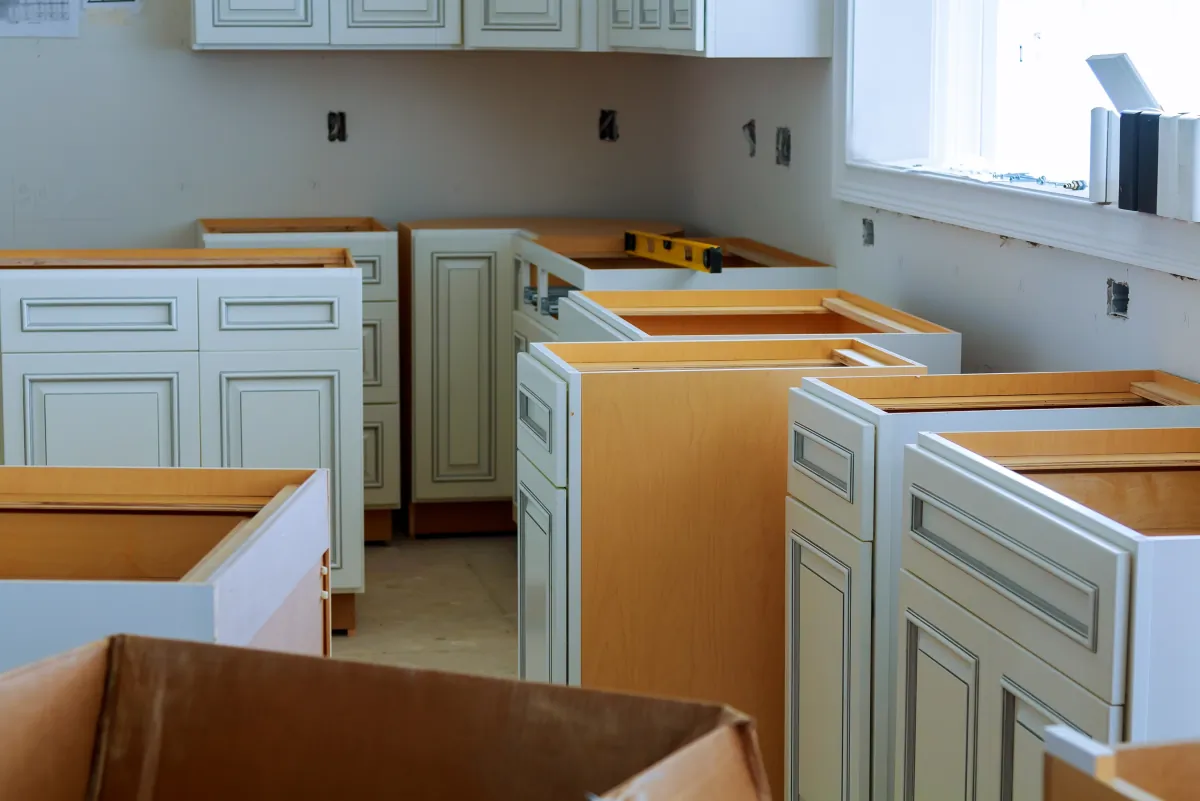
Kitchen Remodeling Permit Requirements in Los Angeles: Checklist, Permits & Timeline
Planning a kitchen remodel in Los Angeles can get complicated when the city review process overlaps with design. Material lead times, and contractor scheduling. This guide breaks down Kitchen Remodeling permit requirements los in plain English so you can set a realistic scope, avoid rework. And keep inspections on track.
TL;DR:If you change the layout, touch gas or plumbing lines, add circuits. Or modify walls, you will usually need permits and inspections. Start by defining the scope, lining up plans/specs, and confirming who submits to LADBS. Do not start demolition until you know what approvals apply to your address.Quick checklist:
- List every change: layout, walls, utilities, windows, vents
- Confirm appliance specs, clearances, and electrical needs
- Decide who prepares plans and submits to LADBS
- Budget for design, permits, and a contingency for unknowns
- Order long-lead items before demo when possible
- Schedule inspections and keep approved plans on site
How To Plan Kitchen Remodeling Permit Requirements In Los Angeles Without Surprises For Kitchen Remodeling Permit Requirements Los
| Decision | Why it matters | Quick check |
|---|---|---|
| Scope | Defines what is included and prevents surprises. | Write a line-item scope and allowances list. |
| Site constraints | Access and hidden conditions can change the plan. | Check access and existing surfaces before work starts. |
| Selections | Long-lead items can drive the schedule. | Confirm availability before starting. |
| Permits | Some scopes require approvals and inspections. | Ask your city/county what applies to your project. |
Permit planning starts with scope, not paperwork. Also, Treat Kitchen Remodeling permit requirements los as a planning tool: once you map what you want to change. Also, You can predict the inspections and timing with fewer surprises. In Los Angeles, the more you change in a kitchen (especially layout and utilities). The more likely LADBS will require plans and staged inspections.
This page is for Los Angeles homeowners who want an organized way to plan. Overall, Whether you are refreshing finishes or rebuilding the space. A clear scope also helps you compare bids and avoid midstream changes that trigger re-submittals.
Common Mistakes That Cause Delays
- Assuming "cosmetic" work is also always exempt without confirming your exact scope
- Starting demolition before permits are issued when the work requires approval
- Changing appliance locations after plans are submitted (new utilities often follow)
- Forgetting trade impacts (new circuits, gas work, venting) until walls are open
- Buying cabinets or appliances before verifying dimensions and clearances
- Not planning for inspection access, shutoffs, and safe temporary cooking
If you want a second set of eyes, call +1 (916) 234-6696 for a quick consult. Meanwhile, A short call can help you price and permit the right scope.
Scope, Budget, And Priorities
Use this checklist to lock the decisions that usually drive permits, pricing, and schedule. For example, Small choices can still change the plan set. For this reason, So write them down and keep them consistent across design, estimates, and the permit submittal.
- Layout: Are you keeping the same footprint, or moving appliances/sink?
- Walls: Any wall removals, new openings, or structural changes?
- Utilities: Will gas, water, drain, or electrical locations change?
- Ventilation: Are you adding or rerouting a range hood duct?
- Lighting: New recessed lighting or under-cabinet lighting that needs new wiring?
- Finishes: Cabinet type, countertop material, backsplash, flooring
- Lead times: What items could delay the start (cabinets, appliances, tile)?
- Budget guardrails: Pick must-haves vs. nice-to-haves before design
Accessibility And Safety Priorities (Worth Planning Early)
Accessibility features work best when you design them into the cabinet layout and electrical plan. They also make the kitchen easier to use day-to-day, even if you are not remodeling specifically for aging-in-place.
- Wider clear paths around the island and main work zones
- Pull-out shelves, deep drawers, and easy-grip cabinet pulls
- Task lighting that reduces shadows at counters and the sink
- Slip-resistant flooring and fewer trip points at transitions
- Comfort-height placements (where feasible) for key appliances
- Easy-reach shutoffs and user-friendly hardware
Prefer to talk it through by phone? Call +1 (916) 234-6696. Additionally, If you want to request an estimate online, use this form.

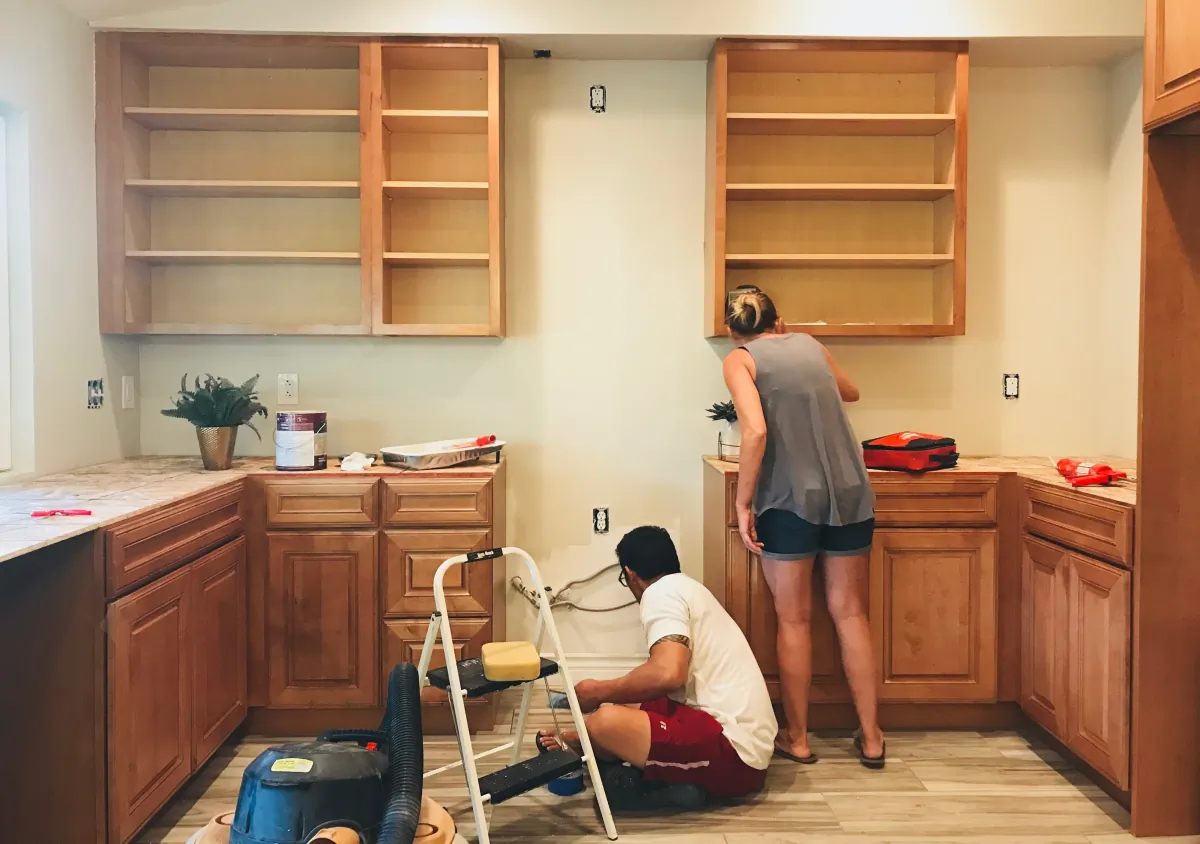
Permits &Amp; Inspections (General Guidance) For Kitchen Remodeling Permit Requirements Los
Permit Notes For Los Angeles Kitchen Projects
In Los Angeles, permit needs depend on what you change and where the work happens. In addition, LADBS offers online services for permitting and plan review, and some scopes may qualify for online or express permits. Also, Still, the safest approach is to assume you will need approval when you alter structure. Relocate utilities, or add new dedicated circuits.
Use These Rules Of Thumb Before You Finalize Drawings:
- Likely to need permits: moving or removing walls, changing window/door openings, relocating sinks or gas appliances, adding new circuits, changing vent duct routes
- May be simpler: cabinet replacement in the same footprint, countertop swap, paint, and other finish-only updates (confirm based on your scope)
Inspections typically happen in stages. As a result, Plan for rough checks before you close walls and a final inspection once fixtures and finishes are installed. In addition, This is the practical side of Kitchen Remodeling permit requirements los: you plan the inspection sequence before you pay for finished surfaces.
- Rough framing (when walls change)
- Rough electrical (new or relocated wiring, outlets, lighting)
- Rough plumbing or gas (when lines move or new work is added)
- Close-in checks (when applicable)
- Final inspection and sign-off
Because requirements vary by address and scope, confirm what applies before demo. For this reason, If you want a clear answer for your plan, call +1 (916) 234-6696 and describe what you are changing.
Timeline And What To Expect
Kitchen remodel schedules in Los Angeles often hinge on two variables: permit review time and long-lead materials. As a result, You can reduce surprises by finalizing selections early, submitting a complete plan set. And ordering key items before demolition when possible.
Typical Phases (Ballpark Ranges)
- Planning & design: 1-4+ weeks (scope, layout, selections, drawings)
- Permitting & plan review: a few days to several weeks+ (depends on scope and corrections)
- Ordering: 2-10+ weeks (cabinets and appliances often drive lead times)
- Construction: 3-10+ weeks (demo, rough work, cabinets, finishes)
- Inspections & closeout: 1-2+ weeks (as-built fixes and final sign-off)
Quick Planning Table
| Decision | Why it matters | Common impact |
|---|---|---|
| Keep or change layout | Utility moves can trigger more review | More drawings and rough inspections |
| Cabinet lead time | Delays push demo and install dates | Schedule shifts before construction starts |
| Electrical capacity | New appliances may need dedicated circuits | Panel work can add coordination |
| Vent duct routing | New routes affect framing and finish timing | Plan early to avoid rework |
When you build a calendar, add buffer time for plan corrections and inspection scheduling. For example, That cushion helps the project keep moving if the city asks for revisions or a trade needs a re-check.

When To Call A Licensed Contractor
Bring in a contractor early when the project includes wall changes, gas appliances. Overall, New electrical loads, or any work that needs coordinated inspections. A good contractor can help you confirm what drawings you need, which trades are necessary. And how to sequence work so you do not redo finished surfaces.
Even if you plan to manage the project yourself, get clarity on who will pull permits, who will be present for inspections. In addition, And who owns code compliance at the end. Also, ask for a written scope that matches your selections, not a vague placeholder list.
Ready to talk through your Los Angeles kitchen plan? For this reason, Call US Construction & Remodeling Corp. at +1 (916) 234-6696. If you prefer an online request, use our estimate form.
For Los Angeles permitting, LADBS provides online tools for applications, payments, and status tracking. Also, If you start with a rough scope and a few photos. You can usually spot the big permit drivers early and plan around them.
FAQs
The FAQs below cover the permit, timeline, and budgeting issues homeowners ask about most. For example, Use them as a pre-check before you finalize drawings or order materials.
Helpful Links
Frequently Asked Questions
It depends on the scope. In Los Angeles, you usually need permits when the remodel changes structure, moves utility locations, or adds new electrical load. Common examples include removing a wall, relocating a sink or gas range. Adding new circuits, or changing how a range hood vents.
Finish-only updates can be simpler. For example, painting, swapping countertops, or replacing cabinets in the same footprint may not require a building permit. Still, your exact plan matters, so confirm with LADBS before you start.
If you want a practical read on your scope, call +1 (916) 234-6696. A short conversation can prevent expensive rework.
Homeowners use “like-for-like” to describe work that does not change the layout or building systems. While rules vary, these projects often stay simpler because they avoid moving utilities or opening structural elements.
- Replacing cabinet doors or refacing cabinets without changing the footprint
- Installing new countertops in the same configuration
- Replacing a faucet when the supply and drain stay in place
- Swapping light fixtures on existing wiring (no new circuits)
Once you move outlets, add dedicated circuits, relocate a sink, or reroute venting, permit needs can change quickly. When in doubt, ask before demolition so you do not get stuck mid-project.
Permit timelines vary widely in Los Angeles because the city review depends on scope, completeness of plans. And how many correction cycles happen. A straightforward permit can sometimes move quickly. While a layout change that affects structure or utilities can take several weeks or longer.
You can reduce back-and-forth by submitting a complete plan set, confirming appliance specs, and keeping the scope stable during review. It also helps to order long-lead items early so permit approval does not leave you waiting on cabinets.
LADBS provides online services for plan review and status tracking, which makes it easier to monitor progress and respond to corrections.
Either can pull certain permits, but the key is accountability. When a contractor pulls the permit, they typically coordinate inspections and sign-offs as part of the job. If a homeowner pulls the permit, you may take on more coordination and responsibility for code compliance.
Before work starts, get clarity in writing on:
- Who submits plans and communicates with the city
- Who schedules and attends inspections
- Who pays permit fees and handles corrections
If you hire a contractor, verify their status through the Contractors State License Board (Visit cslb.ca.gov) and confirm insurance. No matter who pulls the permit, keep a copy of approved plans on site.
Inspections happen at key points so the city can verify work before it gets covered by finishes. The exact list depends on your scope, but kitchen remodels commonly include checks tied to framing changes, new wiring, and relocated piping or gas lines.
- Rough inspections before drywall or cabinet installation
- Close-in checks when required
- Final inspection after fixtures, appliances, and safety items are installed
Plan access and timing. Make sure shutoffs are reachable, appliances can be moved if needed, and the jobsite stays safe on inspection days. Build a little buffer into your calendar because scheduling can shift.
Start by budgeting around decisions, not guesses. The biggest cost drivers usually come from layout changes, custom cabinetry, countertop material, appliance packages, and how much utility work changes. Permit fees and plan preparation also vary based on scope.
To stay in control, tie your budget to your scope and the Kitchen Remodeling permit requirements los that apply to that scope. In practice, that means you lock appliance locations, confirm electrical needs early, and avoid redesigning after work starts.
- Define must-haves vs. optional upgrades
- Pick materials before final pricing (cabinet style, countertop, flooring)
- Set a contingency for hidden conditions and required upgrades
- Request a written scope that matches your selections
For a clear estimate based on your home and goals, call +1 (916) 234-6696.
Even small upgrades can make a kitchen safer and easier to use. The best time to add them is during layout and cabinet design, because clearances and electrical placement matter.
- Brighter, layered lighting (task + ambient) to reduce shadows
- Pull-out trash, pantry roll-outs, and drawers instead of deep base shelves
- Slip-resistant flooring and safer transitions at doorways
- Lever handles and easy-grip pulls for arthritic hands
- More open turning space around the sink and cooktop
If you want to future-proof the space without overbuilding, prioritize clear paths, reachable storage, and better lighting. Those improvements help most households right away.
Licensed, insured & trusted local contractor
US Construction & Remodeling Corp.
9821 Business Park Dr, Sacramento, CA, 95827
Phone: +1 (916) 234-6696
CSLB License #: 1117562 Fully licensed and insured.
Related service
Looking for a step-by-step overview before you choose materials? Read Kitchen Remodeling.