
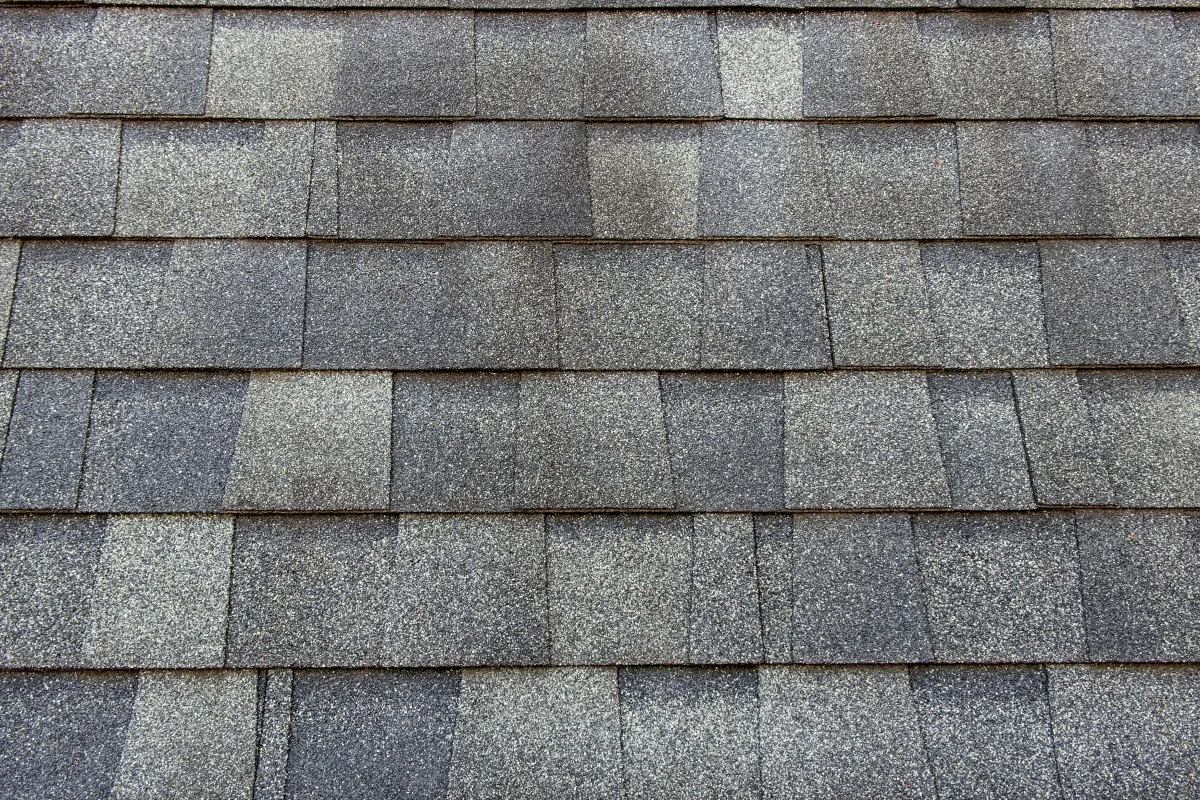
Roofing Cost In San Mateo
Budgeting for a roof in San Mateo gets confusing fast, because roofing cost san mateo depends on more than just the material you pick. Roof size, pitch, access, and any wood repair can move the total by thousands.
Quick checklist:
- List the biggest cost drivers (roof size/pitch, material, tear-off, decking repair, and flashing/vents).
- Pick a material system and verify underlayment, flashing, and ventilation details.
- Clarify tear-off vs overlay and what happens if decking damage is found.
- Compare 2–3 itemized bids (materials, disposal, permits, warranty).
- Schedule around weather and confirm daily cleanup and protection.
- Do a final walkthrough: flashing, vents, and warranty documentation.
TL;DR: Plan for a wide range and insist on an itemized scope so you can compare quotes line by line. Many straightforward replacements finish in a few workdays, while repairs or permitting can add time. Free estimate or call +1 (916) 234-6696.
- Decide: repair, partial, or full replacement
- Ask for roof measurements and the exact material spec
- Request tear-off and disposal as separate line items
- Set a realistic allowance for decking/wood repairs
- Confirm the permit and inspection plan for San Mateo
- Get a start-to-finish timeline in writing
Quick Snapshot For Roofing Cost San Mateo
San Mateo roofing prices usually track labor rates, disposal fees, and how complex the roofline is. Meanwhile, As a planning range for installed pricing (labor + materials), many homeowners see:
- Asphalt shingles: $8–$14 per sq ft
- Architectural shingles: $10–$16 per sq ft
- Standing seam metal: $14–$25 per sq ft
- Concrete or clay tile: $16–$30+ per sq ft
Use these numbers to set a budget, not to judge a contractor. For example, The only way to price accurately is an on-site inspection that confirms roof size, layers, access, and any damaged wood.
| Cost driver | What it changes | Timeline impact |
|---|---|---|
| Pitch, valleys, and roof shape | More labor, safety setup, and detail work | Often +1–3 days |
| Layers to remove | More demo time and hauling/disposal | Usually +0.5–1 day |
| Material choice | Material price and install time | Metal/tile can add days |
| Decking or trim repairs | Extra carpentry and materials | Can add 1+ days |
| Permits and inspections | City fees and scheduling | Can add days to weeks |
How Much Does Roofing In San Mateo Cost In San Mateo?
A roof quote is really a scope document: what gets removed, what gets replaced, and how the contractor handles surprises. For this reason, When two estimates look far apart, the difference is often scope, not just price.
How Contractors Build The Number
Most pricing falls into three buckets: labor, materials, and scope add-ons. Overall, Labor climbs with steep slopes, complex rooflines, and difficult access. As a result, Materials jump when you move from standard shingles to premium systems. For this reason, Scope add-ons include wood repair, gutter work, skylights, or coordinating around solar.
Cost Drivers That Usually Move The Price
- Roof size and pitch: more surface area and steeper angles mean more time and safety setup
- Roof complexity: hips, also valleys, dormers, and multiple transitions take longer to detail
- Existing layers: extra layers add demo, hauling, and disposal cost
- Access and staging: driveway space, roof height, and debris control matter
- Repairs: damaged decking, fascia, or trim changes both labor and materials
- Extras: gutters, skylights, chimney areas, and solar detach/reset can add line items
What An Itemized Estimate Should Include
- Protection and setup (property protection, debris control)
- Tear-off and disposal
- Deck preparation and any sheathing replacement (if needed)
- Underlayment and waterproofing layers
- New roofing installation (shingle/metal/tile)
- Flashing work at edges and penetrations
- Ventilation components (when part of scope)
- Cleanup and haul-away
Basic Vs Mid-Range Vs High-End
These are hypothetical examples for planning. Also, They assume a straightforward single-family home roof with easy access and one existing layer. In addition, Your pricing may differ after an inspection.
- Basic: $16,000–$26,000 for a standard asphalt shingle replacement with standard edge/penetration detailing and a modest wood-repair allowance.
- Mid-Range: $24,000–$38,000 for architectural shingles or upgraded protection layers, plus more detailed work at transitions and a larger repair allowance.
- High-End: $35,000–$70,000+ for premium materials (standing seam metal or tile), more complex rooflines, and higher repair/upgrade scope.
Hidden Costs To Plan For
Even if the roof looks fine from the street, some items only reveal themselves after removal starts. Additionally, Planning for them now keeps the project from turning into a budget emergency.
- Wood replacement: damaged decking, fascia, or trim
- Multiple layers: added tear-off time and higher disposal fees
- Penetrations and transitions: pipes, skylights, and chimneys often need extra metalwork
- Gutters and downspouts: replacement or re-hanging after the new roof goes on
- Solar detach and reset: if panels sit on the roof surface
- Access constraints: limited staging space can increase labor time
- Code-related upgrades: details that may be required when you open up the roof
Where Value Pays Off Long-Term
If you want the best long-term value, focus on the parts you can’t easily change later: clean water-shedding transitions at penetrations, solid edge protection, and balanced attic airflow. In addition, Material upgrades make sense when they match your time horizon in the home and the roof’s complexity.
Resale Value And ROI Priorities
A new roof can reduce buyer objections and inspection red flags. As a result, For resale-focused projects, prioritize clean curb appeal, neutral color choices, and documentation that shows exactly what was replaced. Overall, Spending on tidy edges and consistent detailing often pays off sooner than niche upgrades that buyers can’t see.
Financing Options To Consider
Homeowners commonly fund roofing through savings, a home equity loan/line of credit, or a personal loan. Some projects also involve insurance when covered damage applies, although coverage depends on your policy and the cause of loss. For example, Compare options by total cost and payoff timeline, not just the monthly payment.

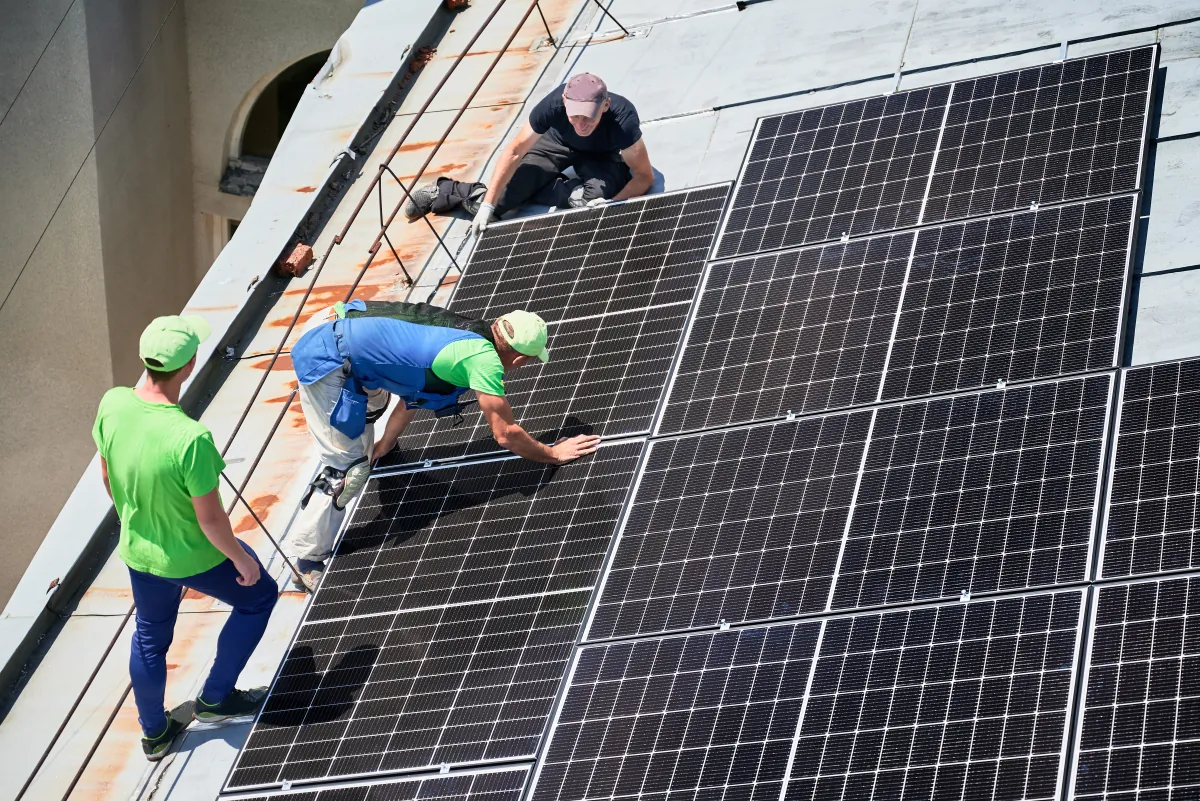
From Planning To Completion For Roofing Cost San Mateo
Roofing work can move quickly once you approve the scope and materials. That said, planning and permitting can add time, especially when repairs show up during the tear-off.
Typical Timeline (Week By Week)
- Week 1: On-site inspection, measurements, and photos; you get an itemized scope with options.
- Week 2: Finalize material choice, confirm start date, and place orders.
- Week 2–4: If permits are necessary, plan for review and inspection scheduling to extend this window.
- Install week: Tear-off, any needed wood repairs, protective layers, and the new roof installation.
- Wrap-up: Cleanup, haul-away, and any required sign-offs or punch-list items.
How Many Workdays On The Roof?
Many straightforward asphalt shingle replacements finish in 1–3 workdays. Additionally, Metal and tile systems, steep slopes, and complex rooflines often take longer. Repairs and inspections can also add days, which is why timeline and scope should be discussed together.
What Can Extend The Schedule
- Unexpected wood repair beyond the original allowance
- Material lead times on specialty profiles or colors
- Permit review and inspection availability
- Limited access for staging and debris handling
- Rain or high winds that pause safe installation
Simple Ways To Stay On Track
Clear driveway space for staging, confirm material selections early, and make attic access available for inspection if needed. It also helps to agree in advance on how change orders will be priced, so you stay in control if the roof deck needs more work than expected.
If you want a schedule tied to your home and scope, book an estimate so we can walk the roof and lay out a realistic calendar.

Questions To Ask Before You Book An Estimate
Ask the same questions of every contractor you speak with. For this reason, You’ll get clearer, comparable proposals and fewer surprises once work begins.
- Is the quote for a repair, a partial replacement, or a full replacement?
- How many layers will be removed, and how is disposal handled?
- What material brand and product line is included?
- How will wood repairs be priced if damaged decking is found?
- Which penetrations are included (pipes, vents, skylights, chimneys)?
- Who handles permits if they’re required, and who schedules inspections?
- What does cleanup include, and how will the property be protected?
Permits And Inspections In San Mateo
Permitting depends on scope. Also, Like-for-like replacements may still require a permit in some cases, and repairs discovered mid-project can change the requirements. For this reason, San Mateo homeowners typically track applications, payments, and case updates through the City of San Mateo Online Permit Center (Customer Self‑Service), and inspection scheduling can affect your calendar.
If you’re unsure, ask your contractor to explain when permits apply and what inspection steps are expected for your specific scope.
What You’ll Get From Our Estimate
US Construction & Remodeling Corp. For example, provides roofing estimates for San Mateo homeowners with clear scope and options, so you can make a decision without guesswork. As a result, Expect measurements, material choices, a plan for protecting your property, and a written outline of what’s included.
Free estimate or call +1 (916) 234-6696.
Helpful Links
Frequently Asked Questions
A solid estimate should spell out scope and materials, not just a single price. Look for line items like tear-off and disposal, deck prep, protective layers, new roofing installation, edge and penetration metalwork, ventilation scope, and cleanup.
If anything is vague, ask for it in writing so you can compare proposals fairly.
Both are common. Some contractors quote a total price, others talk in cost per square foot, and roofers also use “squares” (100 sq ft) as a measuring unit.
The key is consistency: ask how the roof was measured and what assumptions (layers, pitch, repairs) were used to build the price.
It depends on the scope and what the project involves. Some replacements require permits and inspections, and repairs discovered during removal can change the requirements.
Ask your contractor to explain the permit plan for your specific roof and how inspection scheduling fits into the timeline.
The biggest swings usually come from roof size and pitch, roof complexity (valleys and transitions), the number of existing layers, access and staging, material choice, and the amount of wood repair needed.
- Steeper, more complex roofs take more labor time
- Extra layers add demo and disposal
- Premium materials often add both cost and time
Many straightforward asphalt shingle replacements finish in 1–3 workdays once the job starts. Complex rooflines, premium materials, unexpected repairs, and inspection scheduling can add time.
Ask for a written schedule that includes planning, installation days, and any required sign-offs.
Common options include savings, a home equity loan or line of credit, and personal loans. Some homeowners also involve insurance when covered damage applies, depending on the policy and cause of loss.
If you want to talk through scope and budget first, start with an estimate so you have a real project number to plan around.
Licensed, insured & trusted local contractor
US Construction & Remodeling Corp.
9821 Business Park Dr, Sacramento, CA, 95827
Phone: +1 (916) 234-6696
CSLB License #: 1117562 Fully licensed and insured.
Start with the pillar guide
For a complete overview (scope, timeline, and planning tips), see our main page: Roofing Remodeling.