
Skip links

Roofing vs DIY in San Francisco: Practical Decision Guide

Most homeowners weighing roofing vs diy san francisco options aren't looking for a shortcut—they want to avoid a risky mistake. Roofing combines fall hazards, waterproofing details, and sometimes permit coordination, so the right choice depends on your roof and your tolerance for risk.

TL;DR: DIY fits small maintenance tasks you can reach safely and keep watertight the same day. Full replacements, steep slopes, and complex roof intersections are usually better handled by a contractor. In San Francisco, it also helps to confirm early whether DBI permits or inspections apply so your calendar stays realistic.

Quick Checklist Before You Decide:

  • Pin down the real problem (leak source vs interior symptom).
  • Be honest about access: height, slope, and where you can stage materials safely.
  • List every roof intersection (chimney, skylight, vent pipe, valleys, edges).
  • Plan for same-day weather protection if you open the roof.
  • Ask upfront who handles permits/inspections if the scope triggers them.
  • Compare total costs, including tools, disposal, your time, and rework risk.

If you want a second set of eyes before you climb a ladder, Free estimate. You can also call +1 (916) 234-6696 to talk through what you're seeing.

Why Homeowners Hire Help For Roofing Vs DIY In San Francisco For Roofing Vs DIY San Francisco

DecisionWhy it mattersQuick check
Material systemAffects lifespan, cost, and appearance.Confirm shingle/tile type, underlayment, and warranty.
Flashing & penetrationsMost leaks start at edges and penetrations.Specify flashing at chimneys, vents, and valleys.
VentilationControls heat/moisture and protects decking.Confirm intake/exhaust balance and vent types.
Tear-off & deckingHidden damage can change cost and timeline.Include an allowance and photo documentation.

Roofing looks manageable until you factor in height, slope, and the moment your home becomes exposed to weather. Additionally, The roofing vs diy san francisco decision is less about ambition and more about controlling downside.

A contractor earns their keep in practical ways: safer access, also tighter details where water tries to sneak in, and clear accountability through a written scope and closeout paperwork.

DIY Tasks That Often Make Sense

DIY can be a smart move when the task stays simple, you can work safely, and you can keep the roof watertight the same day.

  • Ground-level inspections and photo documentation to help a pro diagnose the leak path.
  • Gutter and downspout cleaning when you can do it safely.
  • Replacing a small number of damaged shingles in an accessible area (with the correct fasteners and sealants).
  • Minor surface sealing as a short-term stopgap while you schedule a repair.
  • Interior protection and cleanup: buckets, towels, and covering vulnerable flooring during a leak.

Work That Usually Belongs With A Contractor

  • Full roof replacement or any large tear-off where the roof deck may be exposed.
  • Steep roofs, multi-story access, or limited staging space for ladders and materials.
  • Complex intersections such as chimneys, skylights, dormers, parapet walls, and multiple valleys.
  • Suspected deck damage, rot, or structural concerns.
  • Projects that may trigger permits or inspections.

Common Homeowner Mistakes To Avoid

  • Chasing stains instead of the source: water can travel; confirm the entry point before you patch.
  • Opening the roof without a weather plan: have tarps and fasteners ready before you remove material.
  • Buying materials too early: measure and confirm the system first so you don't end up with mismatched products.
  • Skipping disposal planning: torn-off roofing is heavy, sharp, and messy—line up hauling or a dumpster.
  • Accepting a vague quote: if it doesn't spell out materials, disposal, and responsibilities, it's not comparable.

Keep DBI Timing In Mind

San Francisco DBI provides online permit tracking, and some common residential scopes may qualify for faster online permit processes. As a result, Even when your project seems straightforward, confirm early whether permits apply and who will handle the paperwork and inspection scheduling.

How To Choose The Right Contractor

A good contractor makes it easy to understand what you're buying. Also, You should never have to guess what's included, how changes get priced, or who is responsible for permits when they're required.

Questions That Reveal Real Competence

  • How will you protect landscaping, windows, and interior areas under active leak zones?
  • What's included in removal and disposal, and what counts as an extra?
  • Which material system fits my roof pitch and why?
  • How do you handle chimneys, skylights, and other penetrations—and will you document key details with photos?
  • Who is my point of contact day-to-day, and how will schedule updates be communicated?

Verify Before You Sign

In California, you can confirm a contractor's license status through the Contractors State License Board. In addition, Use that plus basic paperwork checks to avoid expensive surprises.

  • Verify license status: CSLB license check.
  • Ask for proof of insurance (liability and workers' comp, as applicable).
  • Get a written scope that names the product/system, includes disposal, and explains how changes get approved.
  • Confirm who pulls permits (if needed) and how inspections fit the schedule.
  • Make sure the payment schedule follows milestones, not just calendar dates.

house siding replacement

Planning To Completion For Roofing Vs DIY San Francisco

A reliable roofing job follows a predictable sequence. Meanwhile, Use this roadmap to compare bids, set expectations, and keep a roofing vs diy san francisco decision grounded in specifics.

Roadmap From Planning To Completion

  1. Inspection and diagnosis: document symptoms, inspect the roof surface, and identify the most likely entry points.
  2. System selection: choose the material and the components that match your roof pitch and exposure.
  3. Permit check: confirm whether your scope needs permits/inspections and account for DBI timing if it does.
  4. Protection plan: define staging areas, debris zones, and how the home stays protected during work.
  5. Removal and deck review: remove existing material as needed and check the deck condition before installing new layers.
  6. Installation: install the roofing system with attention to edges, transitions, and penetrations.
  7. Cleanup and closeout: haul debris, perform nail pickup, and provide photos and paperwork for your records.

Slopes, Edges, Penetrations

Layout matters on a roof even if you aren't changing its shape. Overall, Water concentrates in predictable places, so a good plan maps the high-risk areas and assigns a detail to each one.

  • Map slope transitions (main roof to dormer, porch, or addition) where water behavior changes.
  • Identify valleys and wall intersections where water volume increases.
  • List penetrations (chimney, skylight, plumbing vents) and decide how each will be detailed.
  • Confirm how gutters and downspouts will handle flow after the new surface goes on.

What Changes The Outcome

Material choice isn't just aesthetics. For this reason, It affects weight, maintenance, repairability, and how sensitive the roof is to installation quality. Additionally, Ask your contractor to name the exact product and explain what the manufacturer requires for warranty coverage.

  • Architectural asphalt shingles: common and repair-friendly; product quality and installation details drive long-term performance.
  • Metal roofing: durable with low routine maintenance; higher upfront cost and detail work that rewards experienced installers.
  • Tile or slate: long-lasting and distinctive; heavier materials may require structural confirmation and careful repair planning.
  • Low-slope membranes: used on flat/low-slope areas; seams, drains, and edge terminations matter more than the field.

Small Roof Sections And Tight Access

Not every project is a full replacement. For example, Small additions, porches, and low-slope transitions can be deceptively tricky because failure often happens at the changeover points.

  • Match the material to the pitch; low-slope areas often need a membrane rather than shingles.
  • Keep water moving by confirming slope and drainage before sealing anything in.
  • Plan staging carefully; even a small area creates sharp debris and heavy loads.
  • Make repairs accessible for future maintenance, especially around penetrations.

Budget & Timeline (Typical)

DIY can look cheaper because you only price materials. In practice, your total cost also includes safety gear, tools, disposal, your time, and the risk of rework. For this reason, Contractor pricing usually bundles labor, logistics, and warranty responsibility, which makes it easier to compare true "all-in" options.

Budget Ranges & Timeline (Typical)

  • Budget drivers: roof size, pitch, number of penetrations, material type, and any deck repairs.
  • DIY costs to include: safety equipment, tool rental/purchase, hauling, and time away from work.
  • On-site timeline: a straightforward replacement can take several working days; complex details or weather can extend it.
  • Calendar risk: permits, material lead times, and inspection availability can add time beyond the installation days.

Key Decisions In One Glance

Decision pointWhy it mattersWhat to ask
Access & pitchDrives safety setup and laborHow will you stage, protect, and keep the site safe?
Material systemChanges cost and repairabilityWhich product/model will you install, and why?
Deck conditionHidden damage changes scopeHow are repairs priced if issues appear after removal?
Permits/inspectionsCan affect schedule and closeoutWill DBI review/inspection apply for my scope?

Prioritize Documentation

Roof work can support resale value because buyers and inspectors pay close attention to leaks and water damage. As a result, Focus on watertight detailing, clean workmanship, and a folder of paperwork you can hand to a future owner.

  • Contract and scope
  • Material product information and receipts
  • Permit sign-offs (when applicable)
  • Written warranty terms
  • Photos of key areas before they were covered
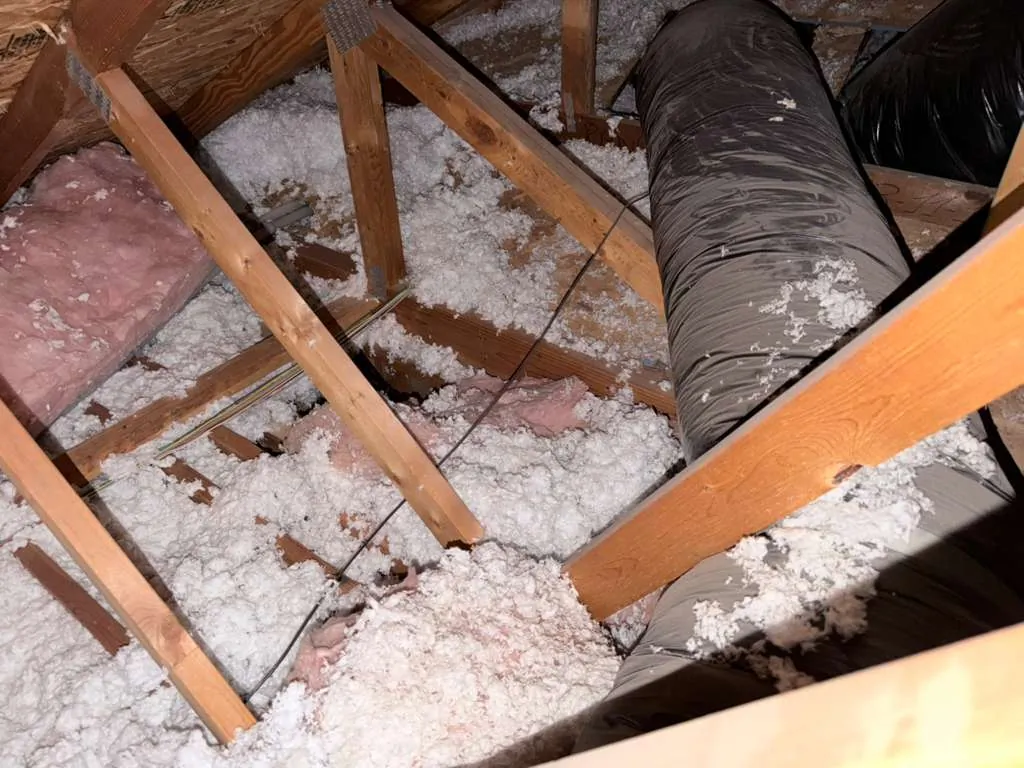
Attic inspection to trace ceiling leak path in CA

How We Help In San Francisco

US Construction & Remodeling Corp. In addition, helps San Francisco homeowners make the roofing vs diy san francisco decision with an on-site assessment, clear options, and a written plan you can compare. Free estimate, or call +1 (916) 234-6696 if you'd rather talk first.

What A Complete Roofing Scope Includes

  • A written scope that names materials, disposal responsibilities, and how changes get approved.
  • A protection plan for landscaping and for any interior areas affected by leaks.
  • Clear scheduling communication, including what happens if weather interrupts the plan.
  • Photo documentation of key areas (edges, penetrations, transitions) so you can see what was done.
  • Cleanup that accounts for sharp debris and nails.

Permits And Tracking

When your scope requires it, San Francisco DBI provides online permit tracking. Some common residential projects may also qualify for faster online permit processes, so it pays to clarify the path early and keep your calendar realistic.

Trust Signals (No Guesswork)

Whether you hire us or another contractor, you should be able to verify the basics and understand the plan in plain language.

  • Licensing and insurance: ask for proof and verify license status with the CSLB.
  • Permit responsibility: get it in writing who pulls permits (if needed) and who schedules inspections.
  • Communication: confirm a single point of contact and how often you'll get updates.
  • Workmanship verification: ask what photos, product info, and warranty terms you will receive at closeout.

Before/After Snapshot (Hypothetical Example)

Before: A homeowner notices ceiling stains and tries a few surface patches. Meanwhile, The stains return because the entry point sits higher up at a roof intersection, and water travels before it shows inside.

After: A contractor documents the likely entry points, installs a system designed for the roof's pitch, and details the intersections with photos so the homeowner can keep a clean record for the future.

Helpful Links

Frequently Asked Questions

DIY can make sense for low-risk maintenance you can do safely—like ground-level inspections or small, accessible fixes that you can keep watertight the same day. For steep roofs, large areas, or complex intersections, hiring a contractor usually reduces risk and surprise costs.

It depends on the scope. San Francisco DBI provides online permit tracking, and some residential scopes may qualify for faster online permit paths. A contractor should tell you early whether permits/inspections apply and who will handle them.

The biggest cost drivers are roof size, pitch, access, the number of penetrations/intersections, material choice, and any deck repairs found during removal.

  • Ask for a written scope that separates materials, removal/disposal, and allowances for repairs.
  • Compare timelines and protection plans, not just the bottom-line price.

Many projects take several working days on-site once materials are ready, but complexity and weather can extend that. Permits, inspections, and lead times can also add calendar time, especially if scheduling needs to align with DBI steps.

Common residential options include architectural asphalt shingles, metal roofing, tile/slate, and membranes for low-slope sections. The right choice depends on roof pitch, weight considerations, desired maintenance level, and how easy the system is to repair later.

Start with verification and paperwork.

  • Verify license status with the CSLB license check.
  • Ask for proof of insurance.
  • Require a written scope, a change-order process, and a milestone-based payment schedule.
  • Confirm who handles permits/inspections if your scope requires them.

Licensed, insured & trusted local contractor

US Construction & Remodeling Corp.
9821 Business Park Dr, Sacramento, CA, 95827
Phone: +1 (916) 234-6696

CSLB License #: 1117562 Fully licensed and insured.

View our Google Business Profile

Service info for Sacramento

For the complete overview of process and planning in Sacramento, visit Roofing Remodeling.

Leave a comment

This website uses cookies to improve your web experience.
Explore
Drag