
Skip links

Siding vs DIY in San Francisco: Quality, Safety & Timeline

If you’re weighing a contractor install against doing it yourself, the siding vs diy san decision usually comes down to water control, safe access, and how long you expect the exterior to last.

Quick checklist:

  • Define the scope and your must-have outcome (function, budget, timeline).
  • Confirm what trade work is involved (electrical, plumbing, drywall) and the order of work.
  • Finalize measurements and key selections before ordering long-lead materials.
  • Collect 2–3 quotes and compare line-by-line (scope, allowances, cleanup, warranty).
  • Create a simple schedule and pre-order the items that most often cause delays.

This guide walks through quality checks, material choices, and realistic timelines for San Francisco homes so you can compare options with less guesswork.

TL;DR: DIY can work for small, reachable repairs when the wall is sound and you can keep the water-resistive barrier intact. However, full replacements, hidden rot, and tall elevations usually favor a professional crew for speed, safety, and consistent detailing. Either way, prioritize flashing and clearances first—pretty siding won’t fix a wet wall.

  • Confirm you can safely reach every wall (scaffolding, ladders, fall protection).
  • Choose a siding system that matches your maintenance tolerance (painted vs factory-finished).
  • Plan water management at windows, doors, decks, and roof-to-wall intersections.
  • Decide how you’ll handle hidden damage if you find rot after tear-off.
  • Think through staging: where materials and debris will go each day.
  • Get warranty and installation documentation in writing, no matter who installs.

Want an apples-to-apples comparison? Schedule a free estimate online, then use this guide to ask better questions.

Comparing Siding Vs DIY San In San Francisco

DecisionWhy it mattersQuick check
ScopeDefines what is included and prevents surprises.Write a line-item scope and allowances list.
Site constraintsHidden conditions can change the plan.Check access, wiring/plumbing, and existing surfaces.
SelectionsLong-lead items can drive the schedule.Confirm availability before demo starts.
PermitsSome scopes require approvals and inspections.Ask your city/county what applies to your project.

Use this guide to decide when a small DIY repair is also reasonable and when professional installation better protects your time, safety, and the structure behind the siding.

Siding Vs DIY In San Francisco: Quality, Safety, And Long-Term Value

When you compare hiring a crew to doing it yourself, remember that siding is not just an exterior “skin.” It’s part of your home’s water-shedding system, and it has to integrate with flashing, trim, and ventilation. In other words, you can’t judge success from the curb alone.

For many homeowners researching siding vs diy san, the real question is risk: what happens if you miss a flashing detail, cut corners on prep, or uncover rot you didn’t budget for? Also, A professional approach can cost more up front, but it often reduces callbacks, patchwork repairs, and interior damage later.

DIY Can Make Sense When…

  • You’re tackling a small, low-height repair and you can match the existing siding profile.
  • You can keep the weather barrier intact and you understand how to re-flash the area.
  • You have the right tools (saw setup, nailer options, level/laser) and time to work carefully.

Hiring A Pro Is Usually Smarter When…

  • The project includes full replacement, multiple elevations, or hard-to-access walls.
  • You suspect hidden damage (soft sheathing, recurring moisture, termite/rot repairs).
  • You want consistent detailing at corners, trim, and penetrations—and a written warranty.

Detail Planning: Seams, Corners, And Water Paths

This is where layout planning matters on siding. Overall, Before anyone installs a single course, map out where seams will land, how corners will finish, and how water will drain away from the structure. For this reason, Because these details drive both appearance and performance, they belong in the scope—not left to improvisation.

  • Choose a corner approach (corner boards, mitered corners, or metal corners) and keep it consistent.
  • Plan termination points at windows and doors so trim and flashing work together cleanly.
  • Set clearances at roofs, decks, and grade to keep moisture from wicking into the system.

Tight Access Planning (Narrow Side Yards)

If your home has limited access on one or more sides, you’ll feel it immediately: material handling, ladder angles, and safe working space all get harder. Additionally, A good plan minimizes trips through living areas, protects landscaping, and keeps walkways usable.

Staging And Storage Without Clutter

Even a “simple” siding job produces a lot of material volume. In addition, Decide where new siding will be staged, where waste will be contained, and how you’ll keep it weather-protected. In addition, A tidy site isn’t just cosmetic—it helps prevent warped materials and trip hazards.

Before/After Snapshot (Anonymized)

Before: The homeowner noticed peeling paint and a spongy feel near a window trim board. For example, A DIY patch looked fine for a season, but the soft spot grew after heavy rain.

After: Once the trim came off, the underlying sheathing showed localized rot. As a result, The repair replaced the damaged areas, restored the water barrier, added proper flashing, and reinstalled new siding with consistent reveal and clean terminations. For this reason, The wall dried out, and the exterior looked uniform again.

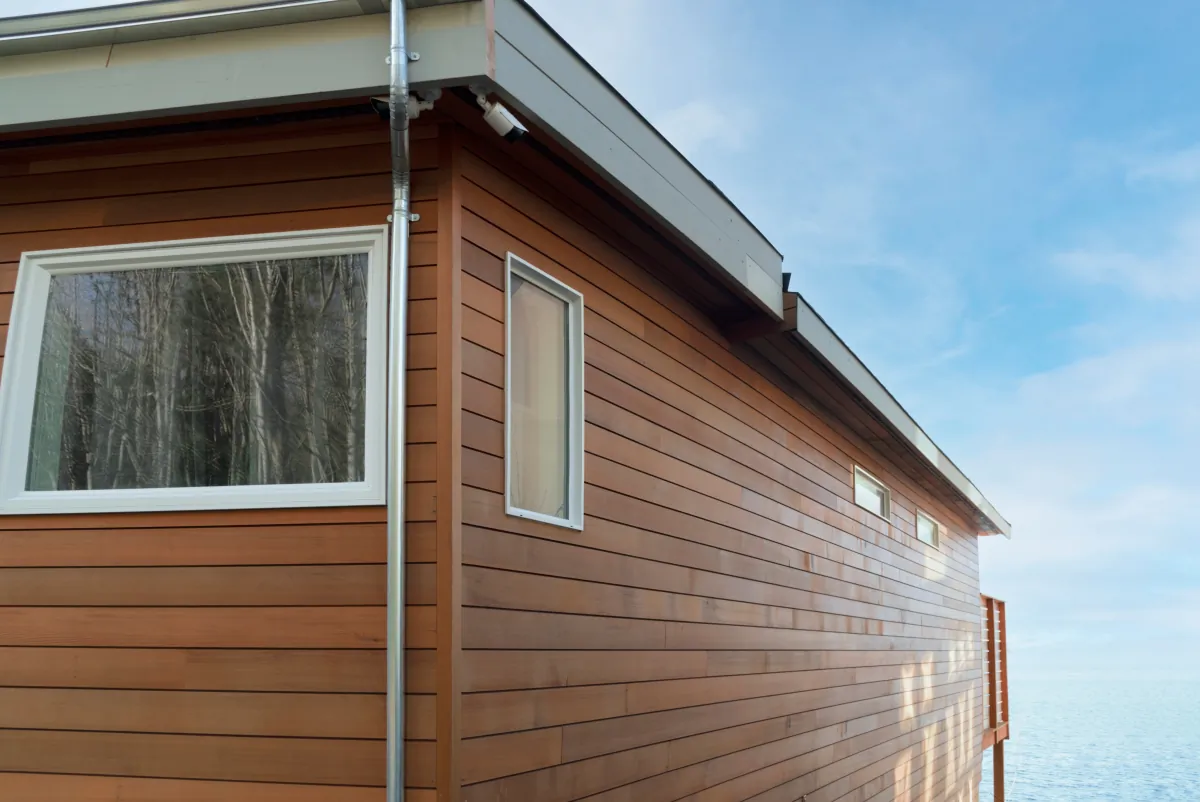
Recently completed

Quality Checks That Matter

Whether you DIY or hire a crew, inspect the work as it progresses. It’s far easier to correct a flashing detail before the next wall goes on than after everything is buttoned up and painted.

On-Site Quality Checklist

  • Courses stay level and straight; reveals look consistent from corner to corner.
  • Flashing is present at windows, doors, and other penetrations—no “caulk-only” shortcuts.
  • Fasteners match the siding system (type, placement, and depth) without overdriving.
  • Joints and end cuts follow manufacturer guidance, including required gaps and sealants.
  • Transitions at trim, soffits, decks, and roof lines shed water away from the wall.
  • Work areas stay clean and protected so materials don’t warp or get damaged.

Tip: take photos as each wall is completed. For this reason, That way, you have documentation of flashing and barrier details before trim covers them.

Materials And Maintenance Notes

Material choice is where many DIY plans change. Meanwhile, Some products install faster but demand ongoing upkeep, while others cost more up front yet reduce repainting and patch repairs. In San Francisco, it also helps to pick finishes and fasteners designed for long-term exposure.

Common Siding Options Homeowners Compare

  • Fiber cement: durable and stable; needs correct cutting, fastening, and clearance details.
  • Engineered wood: lighter than fiber cement; look for strong edge-sealing and follow fastening specs.
  • Vinyl: low maintenance, but it needs room for expansion and careful detailing at trim and penetrations.
  • Natural wood: classic look; it demands the most consistent painting/staining and moisture management.
  • Metal panel systems: clean modern lines; detail planning at seams and transitions matters a lot.

Maintenance Habits That Extend Lifespan

  • Rinse siding periodically and keep gutters functioning so water doesn’t spill behind trim.
  • Inspect caulk and paint at joints and penetrations; touch up small failures early.
  • Keep plants and soil away from siding clearances to reduce moisture contact.
  • After storms, scan for loose pieces, popped nails, or cracked sealant.

Value & ROI (General Guidance)

New siding can improve curb appeal and reduce water intrusion risk, which both matter when you sell. Meanwhile, Still, ROI varies by material, design fit, and the condition of what’s underneath. For this reason, Instead of chasing a “perfect” number, focus on durable details that future buyers can see and inspectors can confirm.

Resale-Minded Priorities

  • Fix underlying moisture or rot issues before you cover them.
  • Choose a cohesive trim package so the exterior looks intentional, not patched together.
  • Keep documentation: scope of work, product information, and any warranty terms.
  • Pair siding work with complementary exterior upgrades when it makes sense (exterior painting, window replacement, or insulation improvements).

Timeline And Expectations

Most delays happen because crews discover hidden damage, materials arrive late, or access turns out to be tighter than expected. For this reason, If you’re comparing siding vs diy san options, use the timeline below to evaluate your real capacity for repeated workdays, cleanup, and weather windows.

Key Decisions That Affect Cost And Schedule

Decision / driverDIY impactPro install impact
Access & heightScaffolding/ladder setup timeCrew coordinates safe access
Hidden wall repairsMay stall the projectRepairs folded into scope
Material system choiceLearning curve variesExperienced installation
Trim & flashing complexityHigh detail riskStandardized detailing

Typical Project Flow

  • Assessment: measure wall areas, review existing conditions, and identify repair zones.
  • Scope & selections: choose siding type, trim details, and finish approach (painted vs factory).
  • Prep: protect landscaping, set staging, and plan disposal.
  • Tear-off and repairs: remove old siding as needed and repair damaged areas.
  • Installation: install siding, trim, and flashing details wall by wall.
  • Finish & cleanup: paint/touch up if needed, clean the site, and complete a punch walkthrough.

Budget And Schedule (Typical)

  • Small repairs can take a day or two; full re-siding often runs from several days to a few weeks.
  • Access, wall height, and trim complexity often drive labor time more than the siding material itself.
  • Hidden damage and specialty ordering can add time; build flexibility into your plan.
  • Ask for a written scope so you can compare DIY costs fairly against professional pricing.

San Francisco Specifics: Permits, Tracking, And Logistics

Some siding scopes can involve permit questions, especially if you repair structural elements or change exterior assemblies. Meanwhile, In San Francisco, you can often track building permits online through the Department of Building Inspection, and certain residential scopes may move through faster online pathways depending on the project. As a result, Because requirements vary by address and scope, confirm early so the schedule stays predictable.

Various vinyl siding color options and styles for homes

Book A Free Estimate In San Francisco

US Construction & Remodeling Corp. Also, helps homeowners plan and complete siding projects in San Francisco with clear scopes, material guidance, and jobsite coordination—from small repairs to full replacements. Also, To get a detailed estimate, book online here; if you want to talk through options first, call +1 (916) 234-6696.

What You’ll Get From A Professional Estimate

  • A site walk to spot soft spots, failed trim, and high-risk water entry points.
  • Material options aligned with your maintenance goals (and what your home can support).
  • A practical plan for access, staging, and daily cleanup.
  • A written scope you can use to compare DIY costs and risk.

Trust Checklist Before You Sign

  • Licensing & insurance: ask for current coverage and confirm it matches the work scope.
  • Permits (when needed): clarify who handles submittals and how inspections will be scheduled.
  • Communication: agree on update frequency and who answers questions day-to-day.
  • Work verification: review flashing details, clearances, and manufacturer-required fastening before final payment.

Other Exterior Upgrades To Consider

Many homeowners bundle siding with related home remodeling items like exterior painting, window replacement, and trim repairs so the finish stays consistent across the whole facade.

Helpful Links

Frequently Asked Questions

Sometimes. Permit needs depend on scope—especially if you repair structural elements, change exterior assemblies, or modify openings. Confirm requirements early so materials and scheduling stay aligned.

Pros plan safe access and keep the wall protected during tear-off, which reduces fall risk and weather exposure. They also tend to catch flashing and clearance issues before they become leaks.

  • Safer ladder/scaffold setup and fall protection
  • Faster dry-in so the wall stays protected
  • Consistent detailing around windows and penetrations

The biggest drivers aren’t just labor vs materials—they’re the variables that create rework or delays.

  • Wall height and access constraints
  • Extent of rot or sheathing repair
  • Trim and flashing complexity
  • Tool/rental costs and material waste for DIY
  • Disposal and cleanup logistics
  • Warranty coverage and documentation

Timeline depends on home size, access, material availability, and how much hidden repair shows up after tear-off. Plan for several days to a few weeks for a full replacement, and add time if the scope needs permit coordination.

Maintenance needs vary, but many homeowners prioritize systems that stay stable and don’t demand frequent repainting.

  • Vinyl: low maintenance, but it needs correct expansion detailing
  • Fiber cement: durable; maintain paint and caulk at joints
  • Prefinished engineered wood: can reduce onsite finishing work

Regardless of material, keep gutters working and keep vegetation away from siding clearances.

Start with basics, then get specific about details.

  • Confirm they’re licensed and insured for the work
  • Ask for a written scope that calls out flashing, trim, and repair allowances
  • Review a schedule plan and how changes will be documented
  • Request warranty terms and manufacturer product information

Licensed, insured & trusted local contractor

US Construction & Remodeling Corp.
9821 Business Park Dr, Sacramento, CA, 95827
Phone: +1 (916) 234-6696

CSLB License #: 1117562 Fully licensed and insured.

View our Google Business Profile

Leave a comment

This website uses cookies to improve your web experience.
Explore
Drag