
Skip links

siding vs diy san — San Mateo Siding Guide

When you’re weighing siding vs diy san for your San Mateo home, the real difference is who owns the details that keep water out. US Construction & Remodeling Corp. helps homeowners compare risk, timeline, and finish quality before they commit.

This guide walks you through planning, materials, and cost drivers so you can choose a path that fits your home and your schedule. Along the way, you’ll see what to ask a contractor, what to document if you DIY, and how to avoid the mistakes that usually show up after the first rainy season.

TL;DR: DIY can make sense for small, reachable repairs, but full replacement usually comes down to flashing, a continuous weather barrier, and safe access. A contractor-led install adds crew coordination and a written scope, so you know what you’re getting. If you want clarity fast, a short phone consult can save you days of guesswork.

Quick checklist:

  • Confirm whether you’re repairing one wall or replacing the whole exterior
  • Choose the material based on maintenance goals and long-term durability
  • Plan the water-management details (housewrap/WRB, flashing, and sealants)
  • Decide how you’ll handle trim, corners, and penetrations (vents, lights, hose bibs)
  • Account for access and safety (two-story work, scaffolding, and disposal)
  • Clarify permit needs and inspection steps early, based on your exact scope

Want a straight answer before you buy materials? Call +1 (916) 234-6696 for a quick consult.

Siding Vs DIY In San Mateo: What Changes The Experience The Most For Siding Vs DIY San

DecisionWhy it mattersQuick check
ScopeDefines what is included and prevents surprises.Write a line-item scope and allowances list.
Site constraintsHidden conditions can change the plan.Check access, wiring/plumbing, and existing surfaces.
SelectionsLong-lead items can drive the schedule.Confirm availability before demo starts.
PermitsSome scopes require approvals and inspections.Ask your city/county what applies to your project.

The biggest difference between hiring a contractor and doing it yourself isn’t the siding profile—it’s consistency. Also, When every course, seam, and trim transition follows the same water-shedding logic, the exterior performs well year after year. On the other hand, when flashing and sealing vary from wall to wall, moisture finds the weak points.

If your siding vs diy san decision is also mainly about cost, compare the full scope: tear-off, disposal, repair work you can’t see yet, and the time it takes to get the finish right. DIY often saves labor up front; however, it can add back time and material waste if you have to redo sections.

Who DIY Fits Best (And Who It Doesn’t)

  • DIY may fit: small repairs on a single, reachable wall where the underlying structure is sound.
  • Contractor help usually fits: full replacements, two-story work, multiple elevations, or any home with suspected rot or previous leak points.
  • Hybrid approach: you handle paint or small trim, while a contractor manages the weather barrier, flashing, and install details.

Mistakes That Make DIY Siding Expensive

  • Skipping a clear plan for flashing at windows, doors, and roof-to-wall intersections
  • Covering damaged sheathing instead of fixing it before the new siding goes on
  • Mixing fasteners, sealants, and clearances in ways that void a manufacturer’s guidance
  • Underestimating disposal, tool rentals, and staging for safe access
  • Rushing caulk and paint prep, which leads to early peeling or gaps

Resale And ROI Priorities (What Buyers Notice)

Siding work can boost curb appeal quickly, and it often signals that the home has been maintained. In addition, Because buyers see the exterior first, prioritize straight lines, clean trim transitions, and consistent reveal spacing. Also, keep receipts and documentation—whether you DIY or hire a contractor—so the next owner can see what materials were used and when the work was done.

  • Choose durable, low-maintenance finishes if you plan to sell within a few years
  • Invest in correct flashing and water management even if it doesn’t “show”
  • Match color and trim style to the home so the update looks intentional

Layout And Function Improvements

A siding project isn’t only cosmetic. For example, you can fix uneven trim lines, improve how water drains at transitions, and clean up penetrations like vents and exterior lighting. In addition, it’s a good time to think about related exterior remodeling items—gutters, window trim, and exterior paint—so everything ties together.

Exterior Layout Planning: Align The Details

  • Map every penetration (vents, electrical boxes, hose bibs) and plan clean blocks or trims
  • Decide where joints land so seams don’t “walk” across an elevation
  • Standardize corner and trim details so every wall reads the same
  • Confirm clearances at decks, steps, and grade to avoid future moisture problems

Tight Spaces And Small Lots: Plan Access

On many properties, the hardest part isn’t installation—it’s access. For this reason, If your side yard is narrow or your lot lines are tight, you’ll need a plan for staging, debris removal, and protecting landscaping. That planning also affects timeline, because crews can’t move as fast when they’re working around constraints.

  • Clear a working path and identify where materials can be staged
  • Protect plants and hardscape near walls that will be worked on
  • Discuss parking, dumpster placement, and daily cleanup expectations early
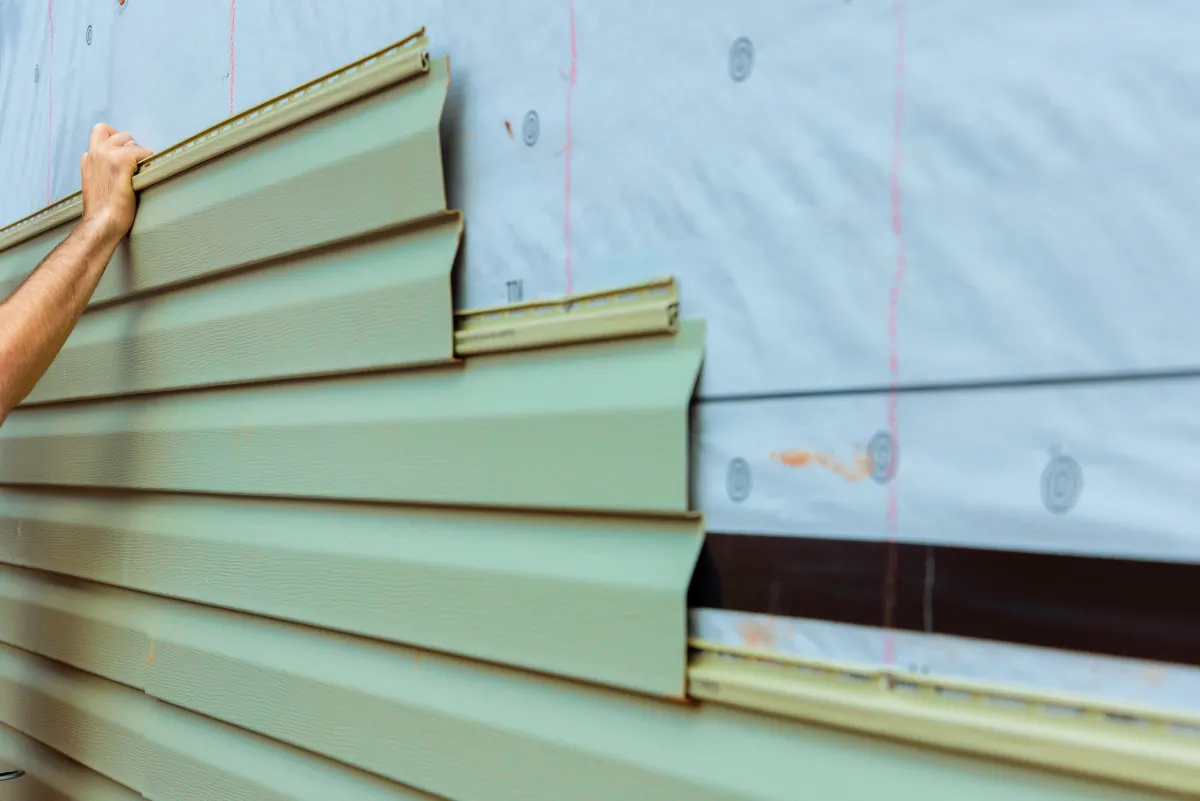
Various vinyl siding color options and styles for homes

Materials And Finish Options For Siding Vs DIY San

Choosing siding is a balance between durability, maintenance, and the look you want from the street. For example, Start by deciding whether you want a crisp, modern profile, a traditional lap look, or a board-and-batten feel. For this reason, Then, narrow it down by how much repainting and upkeep you’re willing to do.

Material Deep Dive: Pros And Tradeoffs

  • Fiber cement: stable, paintable, and fire-resistant; it’s heavier and requires careful cutting and fastening.
  • Vinyl: lower upfront cost and low maintenance; style options vary, and impact resistance depends on thickness and install quality.
  • Engineered wood: warm look with more consistency than natural wood; it still needs proper edge sealing and regular maintenance.
  • Natural wood (e. Overall, g., cedar): classic appearance; it demands ongoing staining/painting and careful moisture management.
  • Metal (steel or aluminum): clean lines and strong durability; dents can happen, and detail work at corners and trim matters.

Finish And Detail Choices That Change The Final Look

  • Trim package: wider window and door trim vs minimal modern trim
  • Corner style: clean corner boards vs mitered corners (material-dependent)
  • Panel vs lap vs vertical accents to break up large elevations
  • Soffit and fascia refresh to match the new siding
  • Color strategy: body color, trim color, and a single accent area for contrast

Cost Drivers + Timeline (Typical)

Cost swings most based on what you uncover after tear-off and how detailed the exterior is. In other words, a simple one-story rectangle usually costs less than a two-story home with lots of windows, bump-outs, and trim transitions. Access, disposal, and finish work (paint, caulk, touch-ups) also add meaningful time.

When you compare DIY to hiring a contractor, include your own time and the risk of rework in the math. As a result, In the siding vs diy san comparison, the hidden drivers are often repairs, staging, and getting the weatherproofing details right.

Budget And Timeline (Typical)

  • Small repair scope: often a few days, especially when materials match what’s already there
  • Full re-side: commonly spans multiple days to a couple of weeks, depending on size and detail
  • Repairs discovered after tear-off: can extend the schedule because fixes come first
  • Permitting (when applicable): may add lead time for plan review and scheduling

Key Decisions At A Glance

DecisionWhy it mattersTypical impact
Material choiceChanges cutting, fastening, and maintenance needsAffects labor time and long-term upkeep
Existing wall conditionRot or damaged sheathing must be addressed firstCan add repair labor and extend the schedule
Exterior detail levelMore corners, windows, and trim increases touch workMore time on finishing and clean lines
Access constraintsNarrow side yards or two-story elevations slow productionCan add staging time and disposal complexity
Finish approachField paint vs prefinished changes timing and touch-upsShifts when the final look is achieved

Before-And-After Snapshot (Anonymized)

Before: a homeowner had older siding with uneven trim reveals and recurring caulk cracks near window corners. Meanwhile, They considered DIY replacement, but the home had two-story sections and multiple penetrations that required careful flashing.

After: the siding was replaced with a consistent trim plan, updated flashing at openings, and cleaner transitions around vents and exterior lights. As a result, the exterior looked sharper from the street, and the homeowner had a clear maintenance plan for paint and sealant touch-ups.

How To Prepare Your Home

Preparation is where DIYers and contractor-led projects look surprisingly similar: decisions made early keep the job moving later. Additionally, First, choose your material and trim style. For this reason, Then, lock in color decisions and any exterior add-ons (new lights, new vents, or gutter work) so the install doesn’t stall waiting for parts.

Homeowner Prep Checklist

  • Take photos of each elevation and note trouble spots (soft areas, staining, past leaks)
  • Pick colors and trim widths before ordering materials or scheduling crews
  • Clear wall access: move patio items, grills, and planters away from the house
  • Protect interior areas near exterior walls from dust during tear-off days
  • Plan for pets and kids—exterior work is noisy and the yard becomes a jobsite
  • If an HOA applies, confirm any color or material rules in writing
Recently completed

Next Steps For San Mateo

US Construction & Remodeling Corp. Also, helps homeowners in Sacramento and across our California service areas—including San Mateo—decide between contractor installation and DIY, select materials, and plan a siding scope that prioritizes weatherproofing and a clean finish.

Request a free estimate, or call +1 (916) 234-6696 to talk through your exterior plan.

Call-First Or Form-First

  • Quick consult by phone: call +1 (916) 234-6696 and we’ll help you sanity-check scope, materials, and timing.
  • Online request: use the estimate form, and we’ll follow up to confirm details and schedule an on-site visit.

San Mateo Permit And Scheduling Notes

In San Mateo, permitting and case tracking commonly run through the city’s Online Permit Center (Customer Self‑Service). In addition, Because permit needs depend on scope and what’s being changed, confirm requirements early based on your exact address and plans.

When a permit applies, align plan review timing with ordering and delivery so materials don’t sit longer than needed. That coordination also helps you plan inspections without stalling the job.

Trust And Accountability Checklist

Keep the project predictable with a short trust checklist before work starts.

  • Confirm licensing and insurance for the scope of work (no vague “handyman” coverage)
  • Get a written scope that spells out tear-off, disposal, wall protection, trim, and finish details
  • Clarify who coordinates permits and inspections, if they apply to your project
  • Agree on communication: who approves changes, how pricing is documented, and how schedule updates are shared
  • Verify workmanship on a walk-around: straight lines, tight joints, clean flashing transitions, and neat sealant work

Related Exterior Upgrades To Consider

Siding often touches other exterior components. Overall, If you’re already planning any of these, bundling decisions can save time and reduce duplicate labor:

  • Window replacement or window trim refresh
  • Exterior painting and color planning
  • Gutter and downspout adjustments for better drainage
  • Entry door updates and exterior lighting upgrades

Business Info (NAP In Plain Terms)

Company: US Construction & Remodeling Corp.

Phone: +1 (916) 234-6696

Service areas: Sacramento and other California markets we serve, including San Mateo

Quick Decision Recap

If you’re still deciding, this recap keeps it simple.

  • DIY only what you can reach safely and finish without rushing weatherproofing details
  • Use a contractor for multi-story access, consistent flashing, and full weather-barrier continuity
  • Pick materials based on maintenance first, then match the style to your home
  • Put scope, materials, and finish expectations in writing before work begins

Helpful Links

Licensed, insured & trusted local contractor

US Construction & Remodeling Corp.
9821 Business Park Dr, Sacramento, CA, 95827
Phone: +1 (916) 234-6696

CSLB License #: 1117562 Fully licensed and insured.

View our Google Business Profile

Leave a comment

This website uses cookies to improve your web experience.
Explore
Drag