
Electrical Load / Panel Upgrade Estimator

Skip links

Electrical Load / Panel Upgrade Estimator

Estimate panel sizing and budget in minutes.

US Construction

Electrical Panel Summary

Service Type--
Panel Phase--
Access--
Home Size--
Existing Panel--
Requested Panel--
Upgrade Delta--
Subpanels--
Quantity--
Connected Load--
Demand Load--
Recommended Service--
EV Ready--
Heat Pump Ready--
Generator Interlock--
Meter-Main Combo--
Main Breaker Relocation--
Permit Included--
Estimated Total--
Estimated Budget Range--
Estimates: This range is based on panel size, load assumptions, access, and selected options. Final pricing is provided in the emailed estimate after you continue.

Upgrading an electrical panel gets confusing fast once you start adding EV charging, a heat pump, or a new appliance circuit. A practical starting point is an electrical load panel upgrade estimator—so you can see whether your current service looks undersized and what questions to ask before you sign a contract.

Quick checklist:

  • Define the scope and your must-have outcome (performance, budget, timeline).
  • Confirm what work is involved and the order of operations.
  • Finalize measurements and key selections before ordering long-lead materials.
  • Collect 2–3 quotes and compare line-by-line (scope, allowances, cleanup, warranty).
  • Create a simple schedule and pre-order the items that most often cause delays.

On this page, you can use the Electrical Load / Panel Upgrade Estimator developed by US Construction & Remodeling Corp. for free. Treat it as a planning tool: it helps you organize loads and priorities, then a licensed contractor confirms everything on-site for code compliance and utility requirements.

TL;DR: Use the estimator to get a ballpark service size and a checklist of what to verify. The final answer depends on your existing equipment and the loads you plan to add. For a quick consult, call +1 (916) 234-6696.

  • List major loads (HVAC, range, dryer, EV charger, spa).
  • Take clear photos of your meter and electrical panel labels.
  • Note the panel location and whether it’s indoor or outdoor.
  • Write down planned additions (EV, solar, ADU, hot tub).
  • Plan for permits and inspection, not just a swap.
  • Confirm who coordinates utility disconnect and reconnect.

Options And What Each Includes For Electrical Load Panel Upgrade

The estimator is most useful when you treat it as a decision tool, not a final approval. Meanwhile, It helps you translate planned changes—like an EV charger, heat-pump HVAC, or a shop circuit—into a clear discussion about an electrical load panel upgrade, service size, panel capacity, and what work belongs in the bid.

Estimator Options You Can Run Today

Homeowners Typically Use The Calculator In One Of Two Modes:

  • Quick check: Enter your biggest loads and your near-term plans to see whether your current service likely has enough headroom.
  • Detailed load breakdown: Build a room-by-room or appliance-by-appliance list to spot where new dedicated circuits or a service upgrade may also be needed.

Either approach should give you a clear output you can bring to a contractor:

  • A starting-point service size recommendation (for example, whether 200A is worth discussing).
  • A list of “future loads” you may want to plan for now (EV, solar-ready, heat pump, spa).
  • Questions to verify on-site (panel condition, breaker space, meter/service setup).

What A Licensed Contractor Should Confirm Before Pricing

A responsible bid checks real-world conditions that no online tool can fully capture. Expect a contractor to verify:

  • Your existing service and panel configuration (meter/main setup, main disconnect, indoor vs outdoor rating).
  • Available breaker spaces and whether a subpanel makes sense for expansion.
  • Grounding and bonding details that affect safety and inspection.
  • Code-driven updates that may apply to altered circuits (AFCI/GFCI requirements vary by circuit and scope).
  • Working clearances and access so the panel location stays compliant and serviceable.
  • Utility coordination needs for disconnect/reconnect on service work.

Key Decisions That Drive Scope, Cost, And Timing

DecisionWhy it mattersWhat to gather
Service size (100A vs 200A)Capacity affects equipment, utility coordination, and future flexibility.Major load list + planned additions
Panel locationMoves can trigger wall repair, conduit work, and longer downtime.Photo showing panel area and access
Indoor vs outdoor equipmentEnclosure ratings and routing change materials and labor.Photo of meter + panel label
Breaker protection updatesSome circuits may need AFCI/GFCI when modified.List of circuits you plan to touch
Permit/inspection pathScheduling depends on your city/county and utility timelines.Project address and scope summary

If you want a quick sanity-check on your estimator results before you collect bids, call +1 (916) 234-6696 and we’ll tell you what information to gather next.

Scope Options (Refresh Vs Full Remodel)

Not every electrical load panel upgrade project needs a full service change. As a result, The estimator helps you sort the work into a “refresh” scope or a “full remodel” scope so bids stay apples-to-apples.

Swap Or Update Without Changing Service Size

  • Replace an aging or damaged panel with a modern equivalent.
  • Reorganize and label circuits for safer troubleshooting.
  • Add a limited number of new circuits if you have capacity and space.
  • Keep the existing meter/service arrangement when it meets requirements.

Increase Capacity Or Rework The Service

  • Upgrade service size (often discussed when adding EV charging or major electrification).
  • Change meter/panel configuration to meet current utility and inspection expectations.
  • Relocate the panel to improve access and working clearance.
  • Add a subpanel to support future expansion without overcrowding.

Panel Location And Circuit Layout Planning

“Where the panel goes” is a layout decision, just like planning a kitchen or laundry room. For this reason, A few practical rules keep projects smoother:

  • Keep code-required clearances in front of the panel so it stays accessible.
  • Plan conduit routes early if you’re moving the panel; wall type and finish affect patching.
  • Reserve spaces for future circuits instead of filling every slot on day one.
  • Decide where high-demand loads will land (EV charger, heat pump, induction range) so wiring runs stay efficient.

Hypothetical Before/After Example (Composite)

Hypothetical example: A homeowner enters an EV charger and a heat-pump water heater into the estimator and sees their existing setup looks tight. Overall, Before the upgrade, the panel has little room for new breakers and circuit labeling is inconsistent.

After a planned upgrade, the homeowner has a clearly labeled panel with room for dedicated circuits and a service size that supports the new loads. Additionally, The biggest win is predictability: the scope includes permits, utility coordination, and an inspection-ready finish instead of last-minute surprises.

Planning Mistakes That Create Delays And Change Orders

  • Assuming a “like-for-like” swap requires no permit or inspection.
  • Buying a panel before confirming compatibility and utility requirements.
  • Skipping photos and load lists, which forces guesswork during quoting.
  • Forgetting future loads (EV, solar, ADU), then needing a second upgrade later.
  • Ignoring access and clearance constraints until install day.
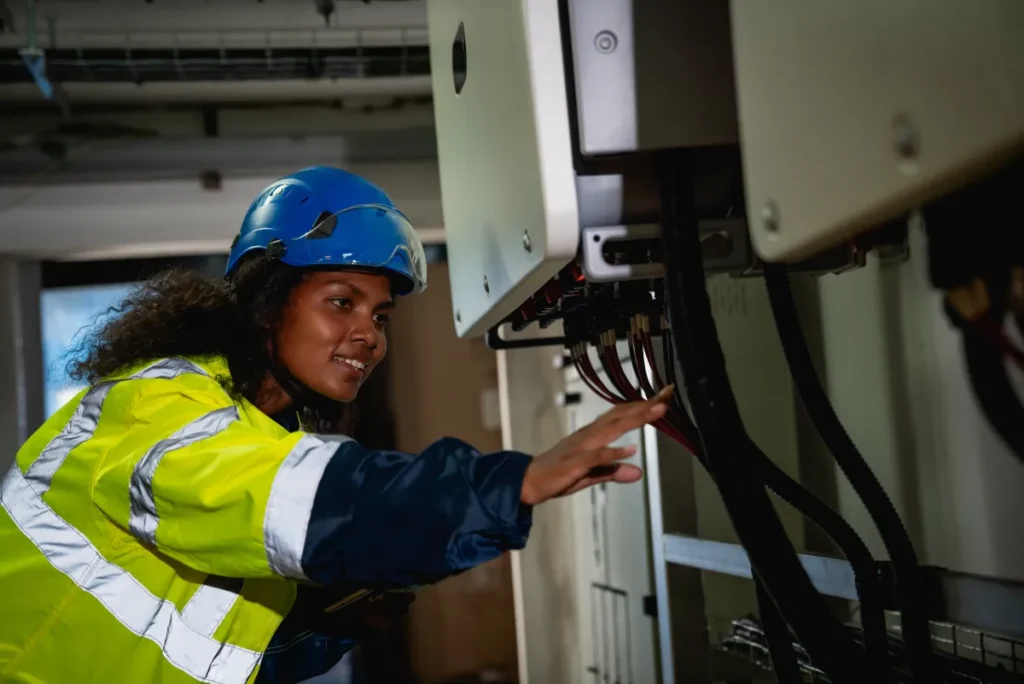
commercial engineers inspected electrical switchboard construction cali

Materials And Finish Selections For Electrical Load Panel Upgrade

Panel work has “materials” too, even though it doesn’t look like a countertop selection. Also, The right equipment choices affect safety, inspection outcomes, and how easily you can add circuits later.

Panel And Service Equipment Choices (Pros/Cons)

  • Standard main breaker panel: Common option for many homes; works well when the meter/service setup is already appropriate.
  • Meter-main combination: Can simplify service disconnect requirements in some configurations; it may also change exterior work and patching needs.
  • Subpanel addition: Useful when you need more circuit space but the main service is adequate; it can reduce disruption compared to a full relocation.
  • Indoor vs outdoor-rated enclosures: Outdoor installations require weather-rated equipment and thoughtful routing to protect conductors.

Breakers, Protection, And Add-Ons

Modern protection devices can add cost, but they often make the upgrade safer and easier to pass inspection when circuits change.

  • AFCI/GFCI breaker needs depend on the circuits you modify and current code expectations.
  • Whole-home surge protection is a common add-on when the panel is open and wiring is accessible.
  • Space planning for future loads (EV, solar, heat pump) keeps you from “maxing out” the panel on day one.

Finish Details That Matter After The Inspector Leaves

  • Clear, typed circuit directory and breaker labeling that matches the home.
  • Neat routing and support of conductors and conduit (no tangled bundles).
  • Blank spaces or spare capacity reserved for future circuits.
  • Access panels or patching plans if conduit runs through finished walls.

Resale And Future-Proofing Priorities

Most buyers won’t pay extra for a shiny panel cover, but they do notice when the electrical system looks safe and documented. In addition, Keep your permit paperwork, inspection sign-off, and an updated circuit directory with your home records.

If you’re planning broader electrification, the electrical load panel upgrade conversation is also about flexibility. For example, A right-sized service and clean circuit plan can make later projects—like adding an EV charger or upgrading HVAC—simpler and more affordable.

Timeline And Site Disruption (Typical)

Panel work often looks like a “one-day job,” yet the real timeline depends on permits, utility scheduling, and how much service equipment changes.

How The Work Typically Unfolds

  1. Share your estimator results, a load list, and clear photos of the meter and panel.
  2. Get a site visit or a detailed remote review to confirm service size, access, and equipment condition.
  3. Receive a written scope that spells out what’s included (permit, utility coordination, materials, labeling).
  4. Permit submittal and plan review (jurisdiction-dependent).
  5. Schedule the installation day and coordinate disconnect/reconnect with the utility if required.
  6. Complete the work, label circuits, and schedule the final inspection.

Budget Ranges And Timeline (Typical)

  • Like-for-like panel replacements usually move faster than service size upgrades or relocations.
  • Permit review and inspection availability can take days to weeks depending on the city or county.
  • Many installs finish in a day, while complex service changes can require additional time.
  • Utility coordination can be the pacing item when the service entrance changes.

Plan For Disruption, Not Surprises

  • Expect a planned power shutoff; protect refrigerated items and keep devices charged.
  • Clear a working path to the panel and keep pets away from the work area.
  • If the panel is in finished space, ask about patching responsibilities before work begins.
  • Request a final walk-through that includes the updated circuit directory and photos of key connections.
clean jobsite home protection experienced janitorial personnel doing cleaning in

How To Get Started In Sacramento

US Construction & Remodeling Corp. Meanwhile, helps Sacramento homeowners turn electrical load panel upgrade estimator results into a safe, permit-ready scope—verifying service capacity, planning circuit additions, coordinating utility steps when needed, and delivering inspection-ready workmanship.

Want a quote you can trust? Meanwhile, Call +1 (916) 234-6696, or Free estimate.

Sacramento Permitting Note (Local, Practical)

For projects inside the City of Sacramento, permitting and plan review typically run through the City of Sacramento Community Development portal (Accela Citizen Access). In addition, Applications, payments, and status tracking are handled online, which makes it easier to monitor progress once the permit is submitted.

Trust And Accountability Checklist For Panel Work

  • Licensing and insurance: Ask for proof that the contractor is properly licensed and insured for the scope.
  • Permit responsibility: Get it in writing who pulls the permit and who schedules inspections.
  • Communication: Expect a written scope, a clear outage plan, and a point of contact during scheduling.
  • Workmanship verification: Look for clean labeling, a complete circuit directory, and an inspection sign-off for the final record.
  • Change-order control: If the site conditions require extra work, insist on written approval before costs change.

Questions To Have Ready When You Call

  • What new loads are you adding in the next 12–24 months?
  • Do you want EV charging now, or just “EV-ready” capacity?
  • Is the panel easy to access, or would relocation improve clearance and usability?
  • Do you want options priced separately (surge protection, subpanel, service size increase)?

Helpful Links

Frequently Asked Questions

The estimator organizes your existing and planned electrical loads into a clear planning snapshot. It can point you toward questions like whether you need more circuit space, whether a 200A service conversation makes sense, and which future loads (EV, heat pump, spa) should be planned now.

Use it to guide your scope and budget, then have a licensed contractor verify the service, panel condition, and code requirements on-site.

You’ll get a tighter, faster quote when you provide the basics up front:

  • Photos of the meter, main disconnect, and the inside of the panel door label
  • A list of major loads and what you plan to add (EV, solar, ADU, HVAC)
  • Whether you want a like-for-like swap, a service size upgrade, or a relocation option

In most cases, yes—an electrical load panel upgrade that replaces a panel or changes service equipment typically involves permitting and an inspection through your local building department. Requirements vary by jurisdiction and scope, so the safest approach is to assume permitting is part of the job unless your contractor confirms otherwise in writing.

Price changes based on scope and site conditions more than brand names. Common cost drivers include:

  • Service size change (for example, moving to 200A)
  • Panel relocation, finished-wall patching, or exterior stucco repair
  • Grounding/bonding corrections required for inspection
  • Utility coordination when the service entrance changes
  • Adding new circuits for EV charging, HVAC, or an ADU

Many straightforward panel replacements can be completed in a day, but the overall timeline also depends on permits, inspection scheduling, and any utility requirements. Plan for a scheduled outage window on installation day, and ask your contractor to outline the disconnect/reconnect plan in writing.

Often, yes—if you have the budget and it supports your plans. Whole-home surge protection can make sense when the panel is already open, and a subpanel can add circuit space without forcing a full relocation.

Ask for these items as separate line options so you can compare bids without confusion.

Typically, yes. City of Sacramento permitting and plan review often runs through the Community Development portal (Accela Citizen Access), which supports online applications, payments, and status tracking. Your contractor can tell you what to expect based on your exact address and scope.

Licensed, insured & trusted local contractor

US Construction & Remodeling Corp.
9821 Business Park Dr, Sacramento, CA, 95827
Phone: +1 (916) 234-6696

CSLB License #: 1117562 Fully licensed and insured.

View our Google Business Profile

Related articles

This website uses cookies to improve your web experience.
Explore
Drag