
Window Replacement Timeline in Davis: Checklist, Permits & FAQs
Replacing windows is a straightforward upgrade, but the schedule can get messy when ordering, access, and inspections don’t line up. If you’re planning a window replacements timeline davis homeowners can actually follow, the checklist below lays out the key decisions, the right questions, and the common pitfalls that cause delays.
Quick checklist:
- Choose the scope: replace all windows or stage the project by priority rooms.
- Confirm install type (retrofit vs full-frame) and any trim/stucco work.
- Pick a glass package for comfort and efficiency (Low-E, argon, U-factor/SHGC).
- Finalize measurements before ordering and confirm lead times.
- Compare 2–3 bids with the same scope (demo, install, disposal, exterior/interior finish).
- Confirm permit/inspection requirements and egress rules if applicable.
TL;DR: Installation is usually the short part; ordering lead time and early decisions drive most calendars. In Davis, permits and inspections may apply depending on scope, so confirm the path before you commit to products and dates. Schedule a free estimate online, or call +1 (916) 234-6696.
- Define scope: how many windows, and are any openings changing?
- Pick priorities: comfort, noise, easy operation, or curb appeal.
- Get a written scope that matches across bids (trim, disposal, interior/exterior work).
- Ask about ordering lead time and delivery handling.
- Confirm whether permits/inspections are part of the plan for your scope.
- Set communication rules: updates, start times, access, and punch-list signoff.
Contractor Selection Checklist For Window Replacements Timeline Davis
| Decision | Why it matters | Quick check |
|---|---|---|
| Install type | Retrofit vs full-frame changes cost and finish work. | Confirm if trim/stucco and interior casing will be disturbed. |
| Glass package | Affects comfort, energy use, and condensation. | Compare Low-E/argon and key ratings (U-factor/SHGC). |
| Measurements | Ordering wrong sizes causes delays and rework. | Do final measurements before ordering; confirm egress where needed. |
| Lead times | Windows often drive the schedule. | Lock selections early and confirm delivery dates. |
If your windows are drafty, hard to open, or letting in too much heat, you probably want the project finished quickly. However, speed without planning often leads to reschedules, back-ordered parts, and mismatched trim work. For this reason, The goal is simple: choose a contractor who can give you a clear scope and a realistic calendar before anything gets ordered.
Contractor Selection Checklist (Before You Sign)
- Ask for a written, also room-by-room scope: which openings, any exterior/interior trim work, and who disposes of old materials.
- Confirm who orders the windows and who owns the delivery plan (jobsite delivery vs pickup vs warehouse staging).
- Request an estimated schedule with milestones: ordering, delivery window, install days, and follow-up/punch list.
- Ask how the crew protects floors, furniture, landscaping, and adjacent finishes during removal and install.
- Clarify what “finished” means: caulking, touch-ups, and any paint or patching responsibilities.
- Make sure you’ll have a single point of contact for questions and day-of coordination.
Common Planning Mistakes That Add Weeks
- Comparing bids that don’t match scope (one includes trim/patching and another doesn’t).
- Placing orders before an on-site verification step confirms the existing conditions.
- Waiting to decide finish details until after delivery (colors, trim profiles, interior returns).
- Not planning access: furniture, blinds, alarms, pets, and parking arrangements.
- Assuming inspections are “automatic” instead of confirming responsibility and timing.
Accessibility And Safety Upgrades To Consider
Even if you’re focused on timing, a few choices can make daily life easier—especially if you’re planning for aging-in-place.
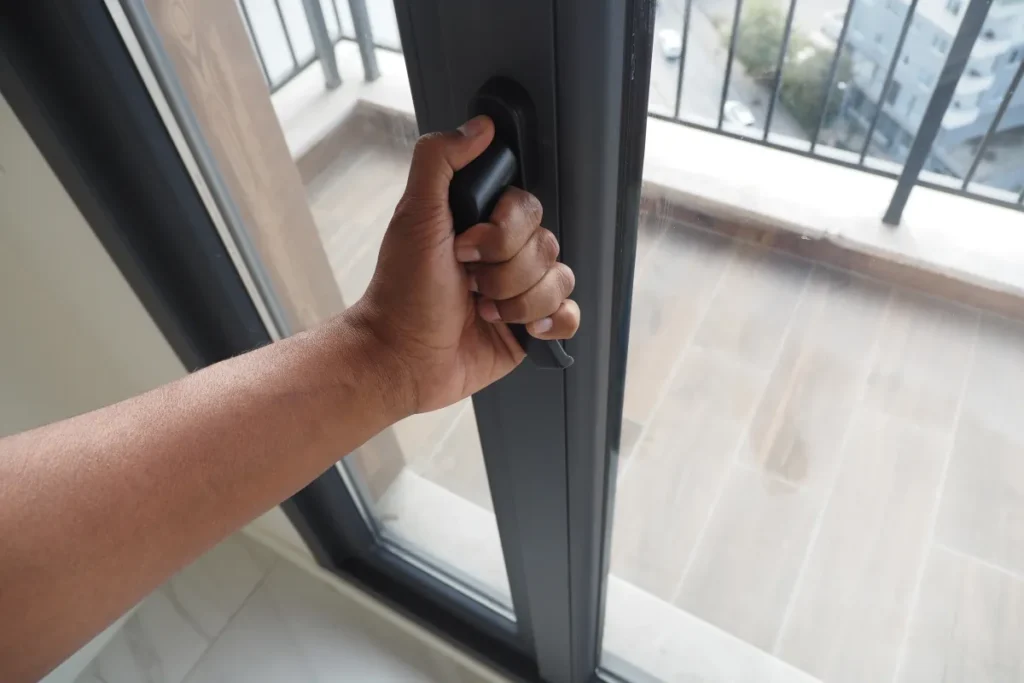
- Hardware that’s easier to grip and operate (especially on frequently used windows).
- Smoother sliding operation and simpler locking steps for kids and older adults.
- Window opening limiters where child safety is a concern.
- Privacy or tempered/layered glass options for areas where added safety matters.
- Bedroom comfort considerations: better seals and sound reduction where it counts.
What To Ask Before You Hire
A good estimate isn’t just a price—it’s a timeline you can manage. Additionally, Ask these questions early so you avoid vague promises and last-minute scheduling surprises.
- What is the current lead time for the window options we’re considering, and what typically changes it?
- How many install days should we plan for, and will work be staged room-by-room?
- What prep do you need from us (blinds, furniture clearance, security sensors, pets)?
- Who handles disposal and cleanup each day?
- How do you handle unexpected findings (rot, water intrusion, framing issues), and how are changes approved?
- What warranty applies to the product and the installation, and how do service calls work?
- How will you protect the home from weather and security risks during active work?
- What finishes are included: caulking, trim, patching, and paint coordination?

Red Flags And How To Verify Licensing
Most timeline blowups come from two issues: unclear scope and poor accountability. As a result, Fortunately, you can screen those out quickly by looking for specific red flags and doing simple verification before you sign.
- They won’t put scope, materials, or exclusions in writing.
- They quote “same week install” without discussing ordering lead time or your selections.
- They pressure you into a deposit without a clear product plan or schedule milestones.
- They avoid permit/inspection conversations altogether for a project with obvious scope changes.
- They can’t explain how they’ll handle water management, caulking, and finish protection.
- They rely on vague text messages instead of clear, trackable communication.
In California, you can verify a contractor’s license status directly with the Contractors State License Board: https://www.cslb.ca.gov/OnlineServices/CheckLicenseII/CheckLicense.aspx. In addition, ask for a contract that matches the written scope, outlines payment terms, and states who is responsible for ordering and scheduling.
What You Should Receive In Writing
- A detailed scope (openings included, trim/patching, disposal, and protection plan).
- Product selections or allowances (so you can compare bids fairly).
- Schedule milestones (order date target, delivery window, install dates, and punch list plan).
- Change-order rules (how changes get priced and approved before work continues).
Permits, Inspections, And Paperwork
Some replacement window projects stay simple, while others trigger permits because they change structure or safety-related elements. Meanwhile, Because requirements depend on the scope and the property, confirm the permit path early—ideally before you lock in product choices and installation dates.
Davis Permit And Inspection Expectations (High Level)
In Davis, the Building Division supports electronic submittals; depending on the scope, permitting and inspection steps may be coordinated online or by email. Overall, If your project needs a permit, plan for review time and inspection scheduling so the job doesn’t stall after installation.
- Expect permits more often when you change opening sizes, alter structural framing, or add new openings.
- Plan for inspection timing if the scope requires it; don’t assume it happens “automatically.”
- Keep project documents organized so you can respond quickly if the city requests clarifications.
Paperwork Checklist To Keep On Hand
- Signed contract and scope of work
- Product documentation and warranty information
- Any approved permit documents and inspection records (when applicable)
- Change orders, if anything changes after the initial agreement
- Final walk-through/punch list confirmation

Timeline And Communication Expectations
Most homeowners feel the pressure around dates—holidays, weather, work-from-home schedules, and family routines. In addition, The best way to keep control is to treat the timeline like a set of phases, not a single install day. That said, once materials arrive, the work typically moves quickly.
Typical Phases And Time Ranges
| Phase | Typical range | What affects it |
|---|---|---|
| Scope + selection decisions | 3–10 days | How quickly you finalize options and align scope across bids |
| Ordering and delivery | 2–8+ weeks | Stock vs custom sizing, finishes, and manufacturer lead time |
| Permit/inspection (if needed) | Varies | Scope, review time, and inspection availability |
| Installation | 1–3 days | Window count, access, and interior/exterior finishing needs |
| Punch list and adjustments | 1–5 days | Touch-ups, final sealing, and any follow-up items |
Communication Standards To Ask For
- One point of contact, plus same-day responses to schedule questions
- Clear start/finish windows for each install day (so you can plan work and childcare)
- Daily cleanup expectations and how openings stay secured each night
- Progress updates when delivery dates change (so you’re not guessing)
- A punch-list process that closes out small issues without dragging on for weeks
Quick Recap For Your Window Replacements Timeline Davis
The fastest installs happen when you finalize scope early, pick windows that match your priorities, and confirm the permit/inspection path upfront. Also, If you want a clean plan you can follow, US Construction & Remodeling Corp. Also, can help you map out ordering, scheduling, and install days with a written scope and clear milestones.
Schedule a free estimate online to get a timeline built around your home and your goals. For example, If you’d rather start by phone, call +1 (916) 234-6696.
Helpful Links
Frequently Asked Questions
Most homes feel “quick” on install days, but the full schedule usually includes planning, ordering, and finishing. In many cases, you’ll spend days on selections and scope, weeks waiting for delivery, and then 1–3 days for installation—plus a short window for final adjustments.
- Fastest path: match scope across bids and choose readily available options.
- Most common delay: product lead time changes after selections change.
- Best safeguard: set milestones (order date, delivery window, install dates).
It depends on the scope. Straightforward replacements may be treated differently than projects that change opening sizes, structural framing, or other safety-related elements. Because the rules depend on the exact work and property, confirm the permit path early rather than guessing.
In Davis, the Building Division supports electronic submittals, and steps may be coordinated online or by email depending on the project.
Costs vary widely, so the most reliable approach is to get a written estimate that lists scope and assumptions. The biggest price drivers are usually the number of windows, sizes, material choice, access (first floor vs higher), and how much interior/exterior finish work is included.
- More trim and patching usually increases labor time.
- Custom sizing and specialty finishes often increase lead time and cost.
- Scope changes (like altering openings) can add permitting and framing work.
For a clear breakdown, schedule a free estimate online.
You have more control over the timeline than most people think. When you make decisions early and keep access simple, you reduce reschedules and change orders.
- Finalize scope and selections before ordering (colors, finishes, hardware preferences).
- Respond quickly to clarifying questions from your contractor.
- Clear work areas ahead of install day (blinds, furniture, security sensors).
- Confirm delivery timing and where materials will be staged.
- If permits/inspections apply, align installation timing with inspection scheduling.
Yes—phased projects can work well for budgeting or to reduce disruption. However, they can also extend the overall calendar because you’re repeating planning and scheduling steps. To keep it efficient, group windows by area (front elevation, bedrooms, living areas) and keep product selections consistent.
Ask your contractor how phasing affects ordering, pricing, and how finishes will match from phase to phase.
Expect noise, some dust, and frequent door traffic. A well-run crew protects surfaces, removes and installs windows in a controlled sequence, and keeps openings secured as the work progresses. If you work from home, plan for a louder day (or two) and set aside a quiet room if possible.
- Move furniture 3–6 feet away from window areas.
- Plan for pets and kids to stay clear of active work zones.
- Confirm cleanup expectations before the crew arrives.
Start with your priorities—maintenance, durability, comfort, and appearance—then ask what’s readily available in your preferred style. Some materials and finishes come with longer lead times, especially when you move beyond standard sizes and colors.
If you’re balancing speed and performance, ask your contractor to show options that match your goals while staying within practical delivery windows.
Licensed, insured & trusted local contractor
US Construction & Remodeling Corp.
9821 Business Park Dr, Sacramento, CA, 95827
Phone: +1 (916) 234-6696
CSLB License #: 1117562 Fully licensed and insured.


