
Skip links

Window Replacements Vs DIY In Arden

For homeowners weighing window replacements vs DIY in Arden, the real question is how to protect your home’s envelope, energy costs, and timeline without avoidable rework. US Construction & Remodeling Corp. keeps the process clean: straightforward scopes, clear permit guidance for Arden-area addresses, and a timeline-first plan so you know exactly when your new glass goes in.

TL;DR: DIY fits minor sash fixes, but full-frame replacements, energy upgrades, and warranty-backed installs belong with a licensed team that handles flashing, insulation, and permit steps. Book a planning call to map your timeline and material choices.

Quick Checklist

  • Decide scope: insert vs full-frame replacement.
  • Confirm tempering/egress code needs for each room.
  • Select glazing: double-pane low-E or better for Arden heat.
  • Plan flashing, sealing, and insulation sequence.
  • Check Arden-area permit path via Sacramento County portal for unincorporated addresses.
  • Schedule install days and inspection window.
  • Line up trim/paint touch-ups after install.

Common Pain Points With Window Replacements Vs DIY In Arden (And Fixes)

DecisionWhy it mattersQuick check
Install typeRetrofit vs full-frame changes cost and finish work.Confirm if trim/stucco and interior casing will be disturbed.
Glass packageAffects comfort, energy use, and condensation.Compare Low-E/argon and key ratings (U-factor/SHGC).
MeasurementsOrdering wrong sizes causes delays and rework.Do final measurements before ordering; confirm egress where needed.
Lead timesWindows often drive the schedule.Lock selections early and confirm delivery dates.

DIY often seems economical until hidden gaps, failed flashing, or stuck sashes surface. For this reason, In Arden’s mix of mid-century and newer homes, air leakage and sun exposure demand tight installs. Also, Homeowners report three recurring headaches: water intrusion at the sill, drafts from poor foam/insulation, and uneven reveals causing operational drag. As a result, Each is preventable with the right prep and sequencing.

What goes wrong and how to fix it fast

  • Water at sill/head: Resolve with proper pan flashing, also back dam, and positive slope; avoid over-foaming that warps frames.
  • Drafts and noise: Use low-expansion foam, continuous perimeter seals, and correct shimming to maintain plumb/level.
  • Stuck or uneven sashes: Laser-level the opening, maintain manufacturer reveal specs, and anchor per pattern—not just corners.
  • Condensation between panes: Choose reputable insulated glass units with manufacturer warranty and correct exterior sealant to avoid premature seal failure.
  • Trim cracking post-install: Let foam cure, then set flexible sealant and paint in sequence instead of rushing to finish same-day.

Budget guardrails: DIY can cut labor on small insert swaps, but full-frame changes, structural adjustments, or egress upgrades merit professional oversight to protect warranties and inspections.

Design Ideas For Upgraded Windows

  • Fiberglass casements for airtight bedrooms and offices.
  • Black exterior frames with warm wood interiors for curb appeal.
  • Low-E3 glass for west-facing rooms to cut heat gain.
  • Sound-control glazing along busy streets.
  • Expanded daylight with narrower frames and larger glass area.
  • Awning windows over kitchen sinks for ventilation without rain intrusion.
  • Picture windows paired with operable flankers for airflow and views.
  • Interior stool and apron refresh in painted MDF or stained oak.
  • Retractable screens to keep sightlines clear.
  • Integrated blinds between glass for bedrooms and media rooms.
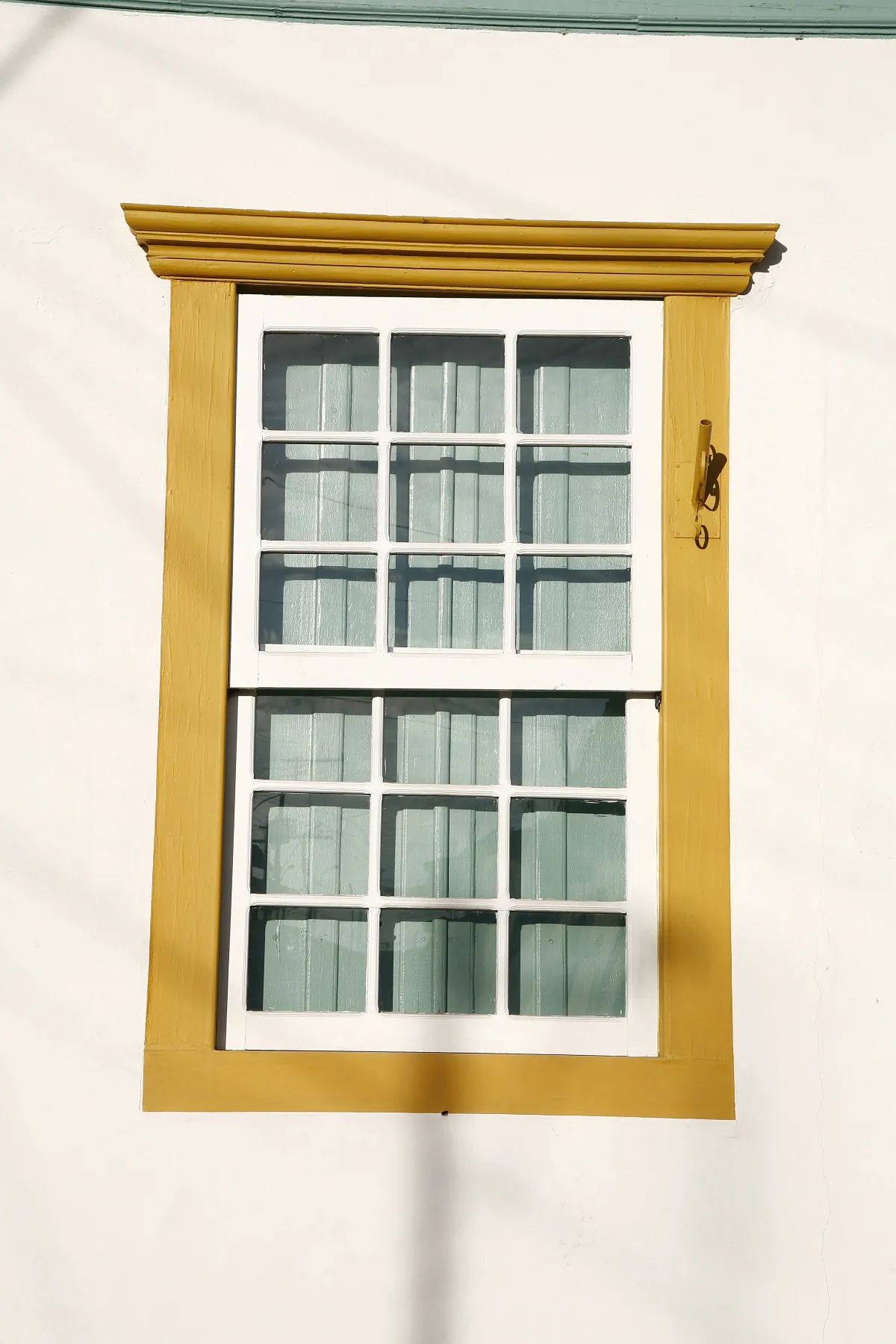
vinyl double pane window closeup

Planning, Budget, And Materials

Smart planning pairs the right frame and glazing with a clean installation sequence. Meanwhile, Here’s how Arden homeowners keep projects on time and on budget.

Layout And Material Planning

Match window types to room use: casements for egress bedrooms, sliders for patios, awnings for kitchens, and fixed units for view walls. As a result, Coordinate trim depth, sill profile, and interior casing before ordering so materials arrive cut-ready. For example, Consider cabinet door styles nearby—shaker or slab—to align with interior millwork. Meanwhile, For countertops near windows, quartz and solid-surface stand up to sunlight better than some laminates. Layer lighting: ambient (recessed), task (under-cabinet near new windows), and accent (wall sconces) to complement added daylight.

  • Insert replacements: 1–2 days for 6–8 openings; lower labor, minimal stucco work.
  • Full-frame replacements: 2–4 days for 6–8 openings; includes flashing, insulation, and new trim.
  • Premium glazing (low-E3, sound-control): higher material cost but better comfort and resale.
  • Permit/inspection: add 1–2 weeks for submittal/approval where required.
DecisionDIYPro Install
ScopeSmall inserts onlyFull-frame, structural, egress
WeatherproofingLimited flashing skillFull sill/head flashing & pans
Timeline certaintyVariable weekendsScheduled crew, defined days
WarrantyManufacturer riskLabor + manufacturer coverage
PermitsOwner navigatesContractor guides/handles

Storage And Small-Space Considerations

In tight rooms, choose slimmer frame profiles to preserve light and wall space for shelving. Overall, Add built-in benches with under-seat storage beneath new picture windows, and keep hardware low-profile so blinds and shades fit cleanly.

Maintenance Tips

  • Inspect exterior sealant every spring; touch up flexible sealant where hairline cracks appear.
  • Clean tracks and weep holes quarterly to prevent sticking and moisture buildup.
  • Use non-abrasive cleaners on glass and frames; avoid pressure washing at close range.
  • Repaint or re-stain interior trim as needed to seal seasonal movement.
vinyl double pane window detail

Timeline And Permit Considerations

For Arden addresses, many permits route through Sacramento County’s online system; full-frame changes, egress adjustments, or structural sill work typically trigger review. Additionally, DIY paths mean scheduling your own inspections, while a licensed contractor coordinates submittals, uploads details, and meets inspectors so you stay on schedule.

How to avoid costly delays

  • Confirm whether your openings change size; if so, plan for structural review.
  • Order windows after final measurements to avoid jobsite storage damage.
  • Stage interior protection (flooring, furniture) before demo to save cleanup time.
  • Sequence: demo → flashing/pan → set window → insulate → sealant → trim/paint.

Local Resources

Leave a comment

This website uses cookies to improve your web experience.
Explore
Drag