Skip links

Solar Panels vs DIY in Alameda: A Homeowner Guide

If you’re weighing solar panels vs diy in Alameda, the decision usually comes down to more than the equipment. Roof penetrations, electrical capacity, and the city inspection path can turn a “weekend project” into a multi-step construction job.

Quick checklist:

  • Verify roof condition first; plan reroof timing before installing panels.
  • Size the system from real kWh usage and shading, not just panel count.
  • Compare inverter options (microinverters vs string + optimizers) and monitoring.
  • Confirm permitting and utility interconnection responsibilities and timeline.
  • Review the contract (warranties, production assumptions, exclusions, roof penetrations).
  • Confirm any electrical panel upgrades and inspection steps.

TL;DR: DIY can work when you have real electrical/roofing experience and time for paperwork. For most homeowners, hiring a qualified contractor keeps the timeline realistic, keeps the roof protected, and reduces the chance of failed inspections. Want a timeline-first answer? A short planning conversation can clarify what’s realistic before you buy materials.

  • Confirm your roof condition and remaining life
  • Check your main electrical panel capacity and space
  • Map where equipment and conduit can go (inside and outside)
  • Plan for design drawings, permits, and inspections
  • Decide how you’ll handle roof penetrations and waterproofing
  • Keep a documentation folder for warranties, plans, and sign-offs

Common Pain Points With Solar Panels Vs DIY In Alameda (And Fixes)

DecisionWhy it mattersQuick check
Roof conditionInstalling over an aging roof risks rework later.Inspect first and plan reroof timing if needed.
System sizeDetermines cost and energy offset.Size from real kWh usage and shading.
Inverter typeAffects monitoring and shade performance.Compare microinverters vs string + optimizers.
Permits & interconnectionApprovals can drive the schedule.Ask who handles permits/utility and expected timelines.

DIY solar sounds straightforward until you hit the parts that aren’t in the box: roof layout constraints, electrical limitations, and paperwork that has to match how the work is actually installed. As a result, In Alameda, the fastest projects are the ones planned with permitting and inspections in mind from day one.

Where DIY Typically Gets Stuck

  • Roof penetrations and leak risk: Racking needs reliable waterproofing. Overall, A pro plans penetrations, uses roof-appropriate flashing, and documents the work so future roof service doesn’t become a guessing game.
  • Unclear structural readiness: Some roofs need repairs before solar. For this reason, A contractor checks roof conditions early so the plan set matches reality instead of triggering mid-project changes.
  • Electrical panel surprises: Limited breaker space or outdated equipment can force a redesign. Meanwhile, Pros confirm capacity up front and align the electrical scope before installation day.
  • Inspection-ready workmanship: Conduit routing, labeling, and clearances matter. Additionally, Contractors aim to pass inspection without last-minute patchwork.
  • Safety and liability: Roof work and electrical work are not forgiving. Also, A crew uses fall protection and jobsite controls that most homeowners don’t keep on hand.
  • Responsibility gaps: With DIY, you may own the “who fixes this?” problem if something fails. In addition, With a contractor, you can hold one party accountable for workmanship and documentation.

Before/After Snapshot (Hypothetical Example)

Before: A homeowner planned to self-install a rooftop kit to save money, also but they hadn’t confirmed electrical panel space, conduit routing, or how roof penetrations would stay watertight through winter.

After: They shifted to a contractor-led plan that started with a roof check, a simple equipment layout, and a permit-ready drawing set. For example, The on-site work ran smoother, and the homeowner kept a clean documentation packet for inspection sign-off and future resale.

If you still want to DIY, you can borrow this same framework: plan the roof and electrical details first, then buy equipment that matches the approved design.
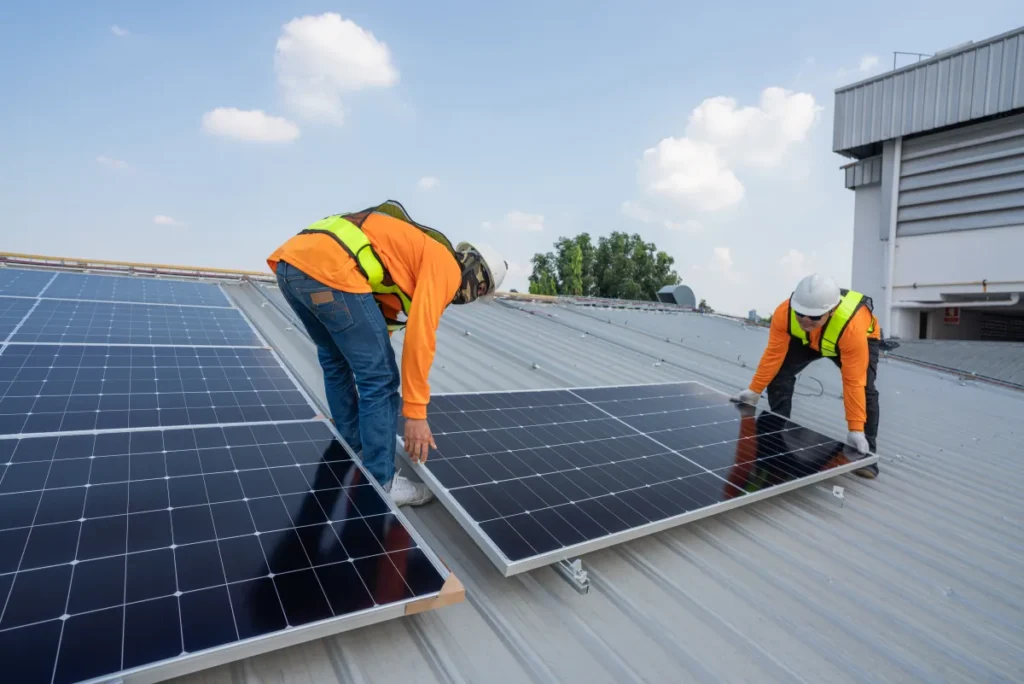
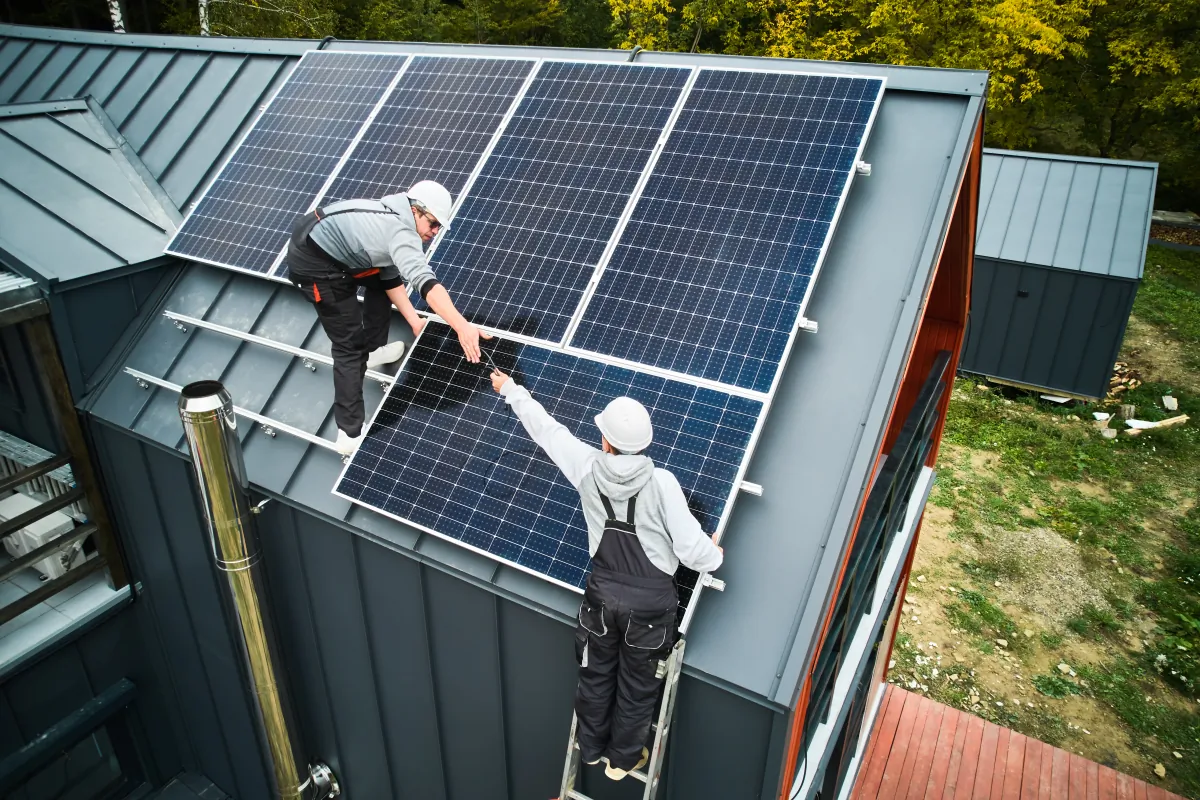
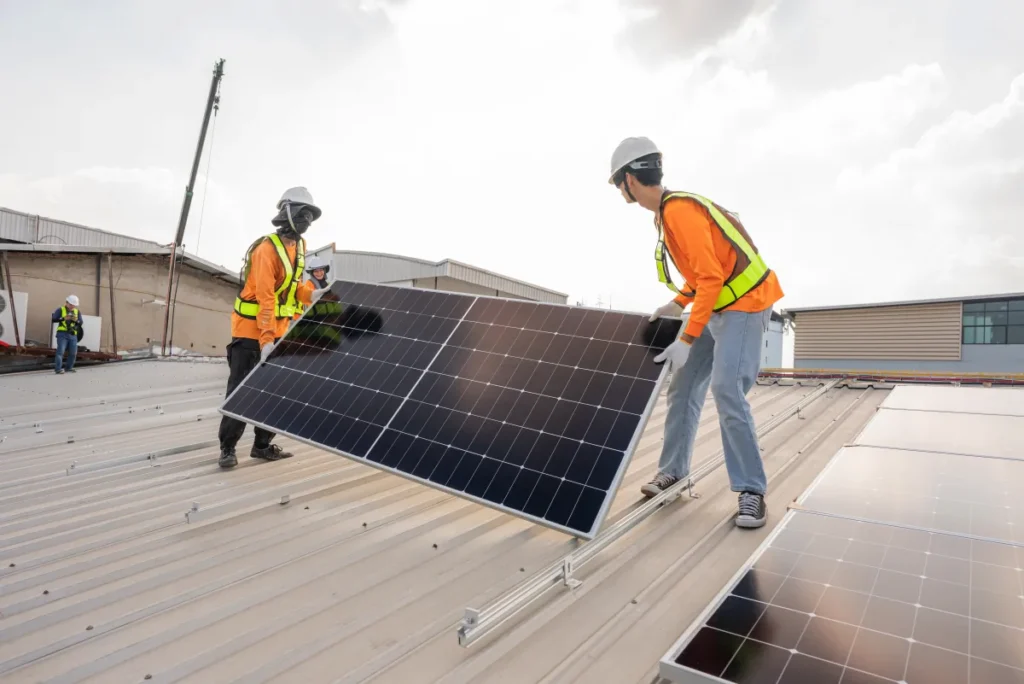
solar panel men technicians carrying photovoltaic solar moduls

Planning, Budget, And Materials

Whether you DIY or hire it out, the best outcomes start with a written plan that matches your roof and your electrical service. Additionally, Use this checklist to avoid buying parts twice or discovering a “hidden” upgrade after the panels arrive.

Planning, Budget, And Paperwork Checklist

  • Document your roof type and condition (shingle, tile, flat, etc.)
  • List roof obstructions (vents, skylights, chimneys) that affect panel placement
  • Confirm attic access or routing paths for wiring and conduit
  • Review your main electrical panel: available breaker slots, labeling, and overall condition
  • Decide where controls and shutoff equipment can live (clear, accessible, protected)
  • Set expectations for who prepares drawings, pulls permits, and schedules inspections
  • Plan a buffer for changes if roof or electrical issues are discovered

Roof Zones And Equipment Placement

Solar “layout” isn’t just how the panels look from the street. It’s also how you route wiring safely, protect the roof, and keep the system serviceable years later.

  • Pick the best roof plane(s): prioritize the clearest, least-shaded areas and keep layouts simple when possible.
  • Respect access and clearances: leave room for roof access and maintenance; avoid crowding equipment where it’s hard to reach.
  • Keep penetrations intentional: fewer, well-planned penetrations usually beat many improvised ones.
  • Plan conduit routes: decide early whether conduit runs inside the attic, along exterior walls, or a mix, and keep it tidy and protectable.

Where Quality Matters

DIY kits can look similar on paper, but small material choices add up on the roof. These components deserve extra attention.

  • Panels: compare warranty terms, product certifications, and physical dimensions so they fit your roof layout.
  • Racking and attachments: look for corrosion-resistant hardware and a mounting system designed for your roof type.
  • Flashing/waterproofing: this is your leak-prevention system; match the flashing to the roof and don’t rely on sealant alone.
  • Wiring and protection: use appropriately rated wiring, conduit, and fittings for sun exposure and physical protection.
  • Inverter and monitoring equipment: focus on serviceability, manufacturer support, and clear documentation for troubleshooting.
  • Electrical breakers/disconnects: plan labeling and access so inspections go smoothly and future maintenance stays safe.
  • Optional add-ons: consider critter protection and wire management if your roof design benefits from it.

Small Roof Or Tricky Rooflines: Practical Options

When roof space is limited, DIY mistakes get expensive quickly because you have less room to “fix it later.” These strategies keep the design efficient without forcing shortcuts.

  • Use fewer, higher-output panels when roof area is tight (only after confirming fit and approval)
  • Avoid placing panels where vents or future roof repairs will force removals
  • Keep arrays rectangular when possible; complex shapes add labor and potential leak points
  • Choose an equipment location that shortens conduit runs and stays accessible

Quick Decision Table

DecisionWhat can go wrong with DIYWhat a contractor typically coversImpact on timeline/cost
Roof attachment & waterproofingLeaks, failed inspection, roof warranty issuesRoof-specific flashing, documentation, repair plan if neededHigh
Electrical panel capacityNo space for breakers, unsafe connections, reworkLoad review, panel options, code-compliant labelingMedium–High
Drawings and submittalsRejected applications, delays, missing detailsPermit-ready plan set and coordinationMedium
Inspection coordinationMultiple failed inspections and reschedulingScheduling, punch-list fixes, sign-off trackingMedium
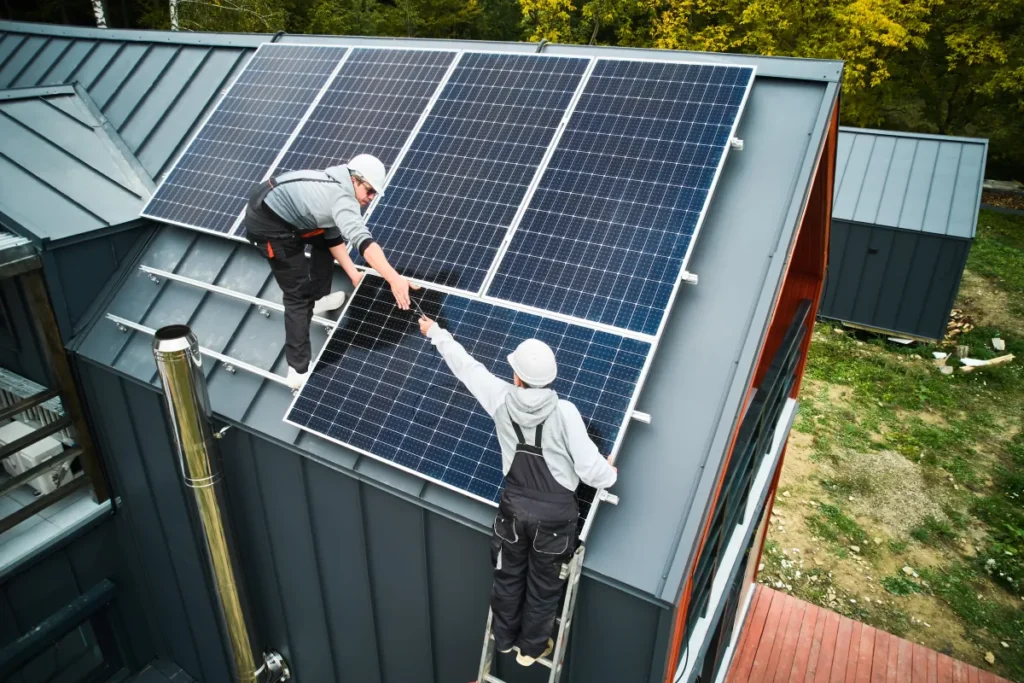
solar panel men workers installing solar panels on roof of hou

Timeline And Permit Considerations

US Construction & Remodeling Corp. As a result, helps homeowners in Alameda evaluate the scope, confirm roof and electrical readiness, and align the build with the city’s inspection steps so the schedule stays realistic.

Book a planning call to talk timeline and next actions, or call +1 (916) 234-6696.

What The Timeline Usually Includes

Most projects follow the same checkpoints, even when the equipment changes. Also, Plan these steps before you purchase materials, not after they’re on your driveway.

  • Site review: confirm roof condition, layout constraints, and a safe route for wiring.
  • Design and documentation: prepare a plan set that matches the roof layout and electrical tie-in.
  • City review and approvals: submit, respond to corrections, and receive approval to install.
  • Installation and inspection: install, schedule inspections, and complete any punch-list items.
  • Utility approval: complete the final utility steps required before the system operates.

Local Considerations For Alameda

In Alameda, many building and planning permits are handled through the City of Alameda’s online permit portal (Accela). For example, The paperwork trail matters: correct drawings, clear scope, and timely responses to plan check comments can prevent avoidable delays.

When you compare solar panels vs diy, ask one practical question early: “Who is responsible for the online submittal, fee payments, and inspection scheduling?” Get the answer in writing.

Budget Ranges & Timeline (Typical)

  • DIY (materials-focused): lower upfront spend, but plan for tools, safety gear, and potential rework costs.
  • Contractor-installed (turnkey): higher upfront, usually includes design support, coordination, and workmanship responsibility.
  • Design + city review: timing varies based on completeness of the submittal and plan check cycles.
  • On-site work: installation is often the shortest phase; approvals and inspections typically drive the overall schedule.

Trust And Verification Checklist

Solar touches the roof and the electrical system, so the “trust” conversation should be concrete, not marketing-driven. In addition, Use this checklist before you sign or pay a deposit.

  • Verify the contractor is properly licensed for the scope and confirm active insurance coverage.
  • Confirm who will pull permits and who will be listed as the responsible party on the job.
  • Ask for a written scope that includes roof penetration details, electrical tie-in work, and cleanup.
  • Get a communication plan: point of contact, update frequency, and how changes are approved.
  • Keep inspection sign-offs, equipment manuals, and warranty documents in one folder for future service and resale.

Contact: US Construction & Remodeling Corp. | Phone:

+1 (916) 234-6696

Leave a comment

This website uses cookies to improve your web experience.
Explore
Drag