Solar Panels Permit Requirements in San Mateo: Checklist + FAQ
Planning a rooftop solar project in San Mateo means you need to understand the solar panels permit requirements before you schedule installation. A complete permit set also helps you avoid redesigns that can slow inspection sign-off.
Quick checklist:
- Verify roof condition first; plan reroof timing before installing panels.
- Size the system from real kWh usage and shading, not just panel count.
- Compare inverter options (microinverters vs string + optimizers) and monitoring.
- Confirm permitting and utility interconnection responsibilities and timeline.
- Review the contract (warranties, production assumptions, exclusions, roof penetrations).
- Confirm any electrical panel upgrades and inspection steps.
TL;DR: Most residential solar work needs city permits and inspections, and you will also coordinate with your utility before the system can be turned on. Confirm roof condition, electrical capacity, and equipment locations early to keep the paperwork simple.
- Confirm the roof condition and remaining roof life
- Decide on solar-only vs. solar + battery
- Check the main electrical panel for capacity and space
- Pick equipment locations (inverter, disconnect, battery)
- Collect plan documents and product spec sheets
- Plan access for inspections (attic/garage/roof)
Want a quick, homeowner-friendly review of your scope? Call +1 (916) 234-6696 or request an estimate at https://usconstructioncali.com/free-estimate/.
Step-By-Step Plan For Solar Panels Permit Requirements
| Decision | Why it matters | Quick check |
|---|---|---|
| Roof condition | Installing over an aging roof risks rework later. | Inspect first and plan reroof timing if needed. |
| System size | Determines cost and energy offset. | Size from real kWh usage and shading. |
| Inverter type | Affects monitoring and shade performance. | Compare microinverters vs string + optimizers. |
| Permits & interconnection | Approvals can drive the schedule. | Ask who handles permits/utility and expected timelines. |
Permitting gets stressful when the bid does not spell out drawings, inspections, or electrical scope. For example, Treat the permit package as part of the design, and you reduce delays and mid-project cost surprises.
Who This Guide Is For
- San Mateo homeowners planning rooftop solar or solar + battery
- Anyone comparing proposals and trying to confirm what is also included
- Homeowners who want a clear timeline before crews start roof and electrical work
Step-By-Step Overview
- Define the goal: bill offset, backup power, or both
- Confirm roof readiness: layout, shading, and roof condition
- Review the electrical panel and service size with a qualified pro
- Choose equipment locations with clearance and practical access
- Assemble the plan set: site plan, roof plan, attachment details, single-line diagram, and cut sheets
- Submit to the City of San Mateo and respond quickly to plan-check comments
- Install, schedule inspections, then complete utility steps for permission to operate
What To Confirm With Your Contractor
- Who prepares the permit drawings and product documentation
- Who schedules inspections and meets the inspector on site
- How the bid handles electrical panel work if it is necessary
- How roof penetrations will be flashed for your roof type
If you want help turning your scope into a permit-ready plan, call +1 (916) 234-6696.
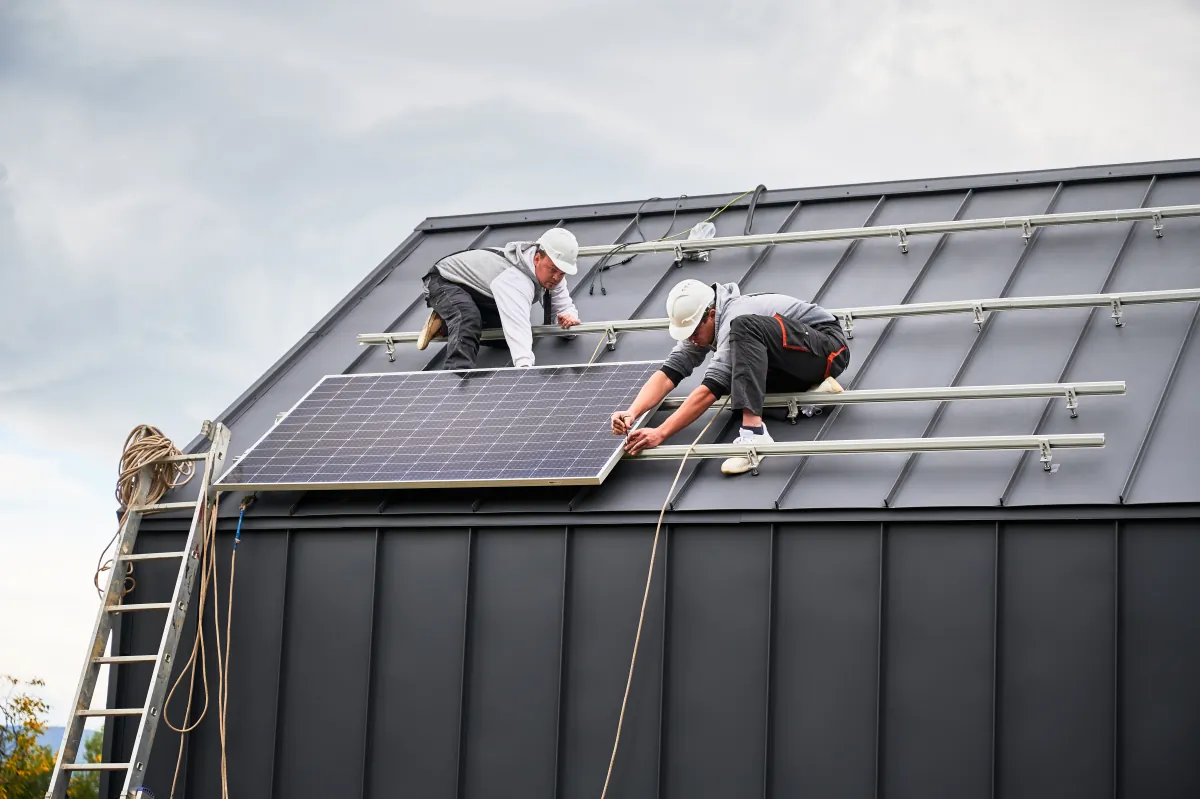
Decisions To Make Before Demo For Solar Panels Permit Requirements
Solar work rarely includes full interior demolition, but there is a real “point of no return” when the crew starts drilling, running conduit, and opening electrical equipment. As a result, Lock these decisions in early to reduce revisions and change orders.
Key Decisions To Lock In Early
- Roof readiness: keep, repair, or replace the roof before panels go up
- System size: match panel count and layout to your goals and roof space
- Battery (yes/no): decide now or pre-wire for later
- Main panel scope: confirm if you need a panel upgrade or subpanel changes
- Conduit routing: plan a clean path that protects finished surfaces
- Equipment placement: pick locations with ventilation, clearance, and access
- Roof attachment details: choose mounting and flashing matched to the roof type
Choices That Drive Permits And Timeline
| Decision | Why it matters | Typical impact |
|---|---|---|
| Roof condition | Panels should not outlive the roof | May add reroof time |
| Electrical panel capacity | Sets breaker size and wiring approach | May add electrical scope |
| Battery choice | Changes equipment layout and safety review | Often adds permit detail |
| Conduit path | Affects aesthetics and inspection access | May change install days |
Permits, Inspections, And Local Requirements
In most cases, San Mateo residential solar projects require city permits and at least one inspection. For this reason, The City of San Mateo offers an Online Permit Center (Customer Self-Service) for permit applications, payments, and case tracking, which helps you monitor progress without guesswork.
Understanding solar panels permit requirements in San Mateo also helps you compare bids. Additionally, A “cheap” proposal can become expensive if it skips drawings, inspection coordination, or required electrical work.
What The Permit Set Typically Includes
- Site plan and equipment locations
- Roof plan with panel layout and mounting locations
- Attachment/flashing details matched to the roof type
- Single-line diagram and equipment specifications
- Structural notes or calculations when required
- Labeling and shutoff locations
Common Inspections To Plan For
- Roof attachment inspection (when required)
- Electrical inspection (wiring, breakers, disconnects, labeling)
- Final sign-off before you move to utility approval to operate
Plan For Real-Life Use
Permits focus on safety, but good planning also makes the system easier to live with. Meanwhile, Keep shutoffs reachable, keep pathways clear, and avoid placing equipment where it creates everyday obstacles.
- Place disconnects and critical shutoffs where adults can reach them easily
- Avoid blocking garage or side-yard walkways with equipment
- If someone relies on medical devices, discuss backup power options early
- Ask for clear labeling and a short walkthrough after final inspection
What Happens Week By Week
Every home is different, and plan review queues change, so treat this as a planning range rather than a promise. Also, Still, a clear roadmap helps you coordinate roofing, electrical work, and inspections.
Typical Phases (Approximate)
- Week 0: site visit, measurements, and scope confirmation
- Week 1: design, engineering notes, and permit-ready plan package
- Weeks 2–4: city plan review and responses to comments (if any)
- Week 4–5: installation (often 1–3 days depending on complexity)
- Week 5–6: inspections and any required corrections
- After sign-off: utility approval to operate and system turn-on
How To Keep The Schedule Moving
- Submit complete spec sheets and diagrams the first time
- Decide on battery and panel work early; late changes often require revised drawings
- Keep attic/garage access clear so inspections do not get rescheduled

Common Pitfalls And How To Avoid Them
Most delays come from small misses that are easy to prevent with a simple homeowner checklist. Overall, Aim for clean drawings, stable scope, and inspection-day readiness.
Pitfalls We See Most Often
- Roof surprises: address roof repairs or replacement before panel installation, not after plans are filed
- Unclear electrical scope: confirm panel capacity and breaker approach early so drawings match reality
- Late battery decision: choosing storage mid-stream can trigger revised layouts and added review
- Missing cut sheets: submit manufacturer documentation with the first package to avoid plan-check delays
- Messy conduit routing: plan the path ahead of time to protect exterior finishes and speed inspection
- Access issues on inspection day: keep garage/attic areas clear so the inspector can verify work
San Mateo-Specific Notes
San Mateo uses an Online Permit Center (Customer Self-Service) for applications, payments, and case tracking. In addition, Save PDFs of every upload and response, and keep your contact email consistent so you do not miss plan-check requests.
If you want help planning a permit-ready solar project for your San Mateo home, US Construction & Remodeling Corp. For this reason, can review your scope and build a practical checklist around it. Also, Call +1 (916) 234-6696 for a quick consult, or use the estimate form at https://usconstructioncali.com/free-estimate/.
Helpful Links
Frequently Asked Questions
In most cases, yes. Residential solar typically triggers city permits because the work affects the roof and the electrical system.
Your permit scope depends on what you include. Solar-only can be simpler, while batteries, electrical service upgrades, or major roof work can add review items and inspections.
- Confirm which permits your contractor will pull and who pays the fees
- Do not start drilling, wiring, or setting equipment before permits are issued
- Plan for at least one inspection before the system can be turned on
San Mateo supports online applications and case tracking through its Online Permit Center (Customer Self-Service).
Permitting time depends on city workload and how complete the first submittal is. A clean plan set can move faster, while missing structural notes or unclear electrical diagrams often trigger revisions.
As a planning range, many homeowners budget a few weeks for design and plan review, then a short installation window, followed by inspection scheduling and final sign-off.
- Simple rooftop layouts usually review faster
- Panel upgrades or batteries can add steps
- Fast responses to plan-check comments can reduce delays
Most jurisdictions ask for a basic plan set plus manufacturer documentation. Your contractor or designer usually prepares these, but you should know what “complete” looks like.
- Site plan showing the home footprint and equipment locations
- Roof plan with panel layout and mounting points
- Attachment and flashing details matched to the roof type
- Single-line diagram and conductor/breaker sizing
- Cut sheets for panels, inverters, racking, and batteries (if used)
- Structural notes or calculations when required
Keep a copy of every PDF submitted so you can track changes if the city requests revisions.
Not always, but solar can expose limitations in a main service panel. The panel must support the added breaker and meet current safety rules.
An installer will typically check service rating, breaker space, and how existing loads are distributed. If the panel is undersized or crowded, you may need a panel upgrade or a subpanel solution.
- Ask for the electrical scope to be written into the bid
- Expect separate permitting and inspections if service equipment changes
- Plan panel work early; late changes often require revised drawings
Yes. A battery adds equipment and safety considerations, so the permit set usually gets more detailed. Planning storage early can be easier than retrofitting later.
- Equipment placement: clearance, ventilation, and access for shutoffs
- Backup plan: what you want powered during an outage
- Additional labeling and diagrams for the battery system
If someone in the home relies on medical devices, talk about backup options before you finalize drawings.
Pricing varies by home, but most differences trace back to scope and complexity. Compare proposals by what is included, not only by panel count.
- Roof condition and type: steep or tile roofs can add labor and flashing detail
- Electrical work: long conduit runs or panel upgrades can add cost
- System features: batteries and backup circuits add equipment and labor
- Permitting support: drawings, plan-check responses, and inspection scheduling take time
- Finish protection: clean routing and careful penetrations help protect roofing and exterior finishes
If you want help reading a bid against the solar panels permit requirements in San Mateo, call +1 (916) 234-6696.
Licensed, insured & trusted local contractor
US Construction & Remodeling Corp.
9821 Business Park Dr, Sacramento, CA, 95827
Phone: +1 (916) 234-6696
CSLB License #: 1117562 Fully licensed and insured.