
Skip links

Solar Panels Cost In Los Angeles

If you're comparing remodel cost decisions with the idea of adding solar panels to your Los Angeles home, the price can look inconsistent because every roof and electrical setup changes the scope.

Quick checklist:

  • List the biggest cost drivers (system size, inverter/battery, roof/electrical upgrades, and permitting).
  • Size the system from real kWh usage and shading, not just panel count.
  • Compare inverter options (microinverters vs string + optimizers) and monitoring.
  • Confirm permitting and utility interconnection responsibilities and timeline.
  • Review the contract (warranties, production assumptions, exclusions, roof penetrations).
  • Confirm any electrical panel upgrades and inspection steps.

TL;DR: Most residential solar quotes bundle equipment, labor, and permitting into one number. A straightforward roof-mounted system often lands in a wide range before incentives, and the timeline commonly spans several weeks from design to inspection.

  • Confirm your average electric use and goal (bill offset vs backup power)
  • Ask for system size (kW), panel count, and production assumptions
  • Get a line-item quote separating base install from upgrades
  • Clarify who handles permits and inspection scheduling
  • Check roof condition now so you don't pay twice for removals later
  • Plan for possible electrical work (main panel or subpanel changes)

Want a real number for your address? Schedule a Free estimate online with US Construction & Remodeling Corp. at Free estimate, or call +1 (916) 234-6696.

How Remodel Cost Thinking Helps You Budget For Solar

Cost driverWhat changes itHow to control it
System sizeMore kW usually means higher price and output.Size from real usage and shading.
Inverter/batteryEquipment choice changes cost and monitoring.Compare microinverters vs string + optimizers; add battery only if needed.
Electrical upgradesPanels/rewires can be required for code compliance.Verify panel capacity and upgrade scope up front.
Permits & interconnectionApprovals can drive the timeline and soft costs.Ask who handles permits/utility and the estimated schedule.

Solar pricing starts to make sense when you break it into scope. Additionally, Panels are only one piece; the install can include roof work, electrical work, and the paperwork path. In addition, That's why a remodel cost mindset works here: you evaluate the whole system instead of chasing the lowest headline price.

Who Solar Is A Good Fit For

  • You plan to stay in the home long enough to benefit from lower electric bills
  • Your roof has good sun exposure and you don't expect to replace it soon
  • You can also dedicate an accessible location for equipment (so service stays simple)
  • You want the project documented clearly for future buyers and insurance records

When It Can Be Smarter To Pause

  • Your roof is near end-of-life (coordinate reroof timing before solar)
  • Your main electrical panel is already crowded or undersized (budget for an upgrade)
  • Shade blocks most of the roof for much of the day (right-size expectations and design)

Cost Breakdown For Solar Panels In Los Angeles (What You Pay For)

For Los Angeles homes, many installed solar quotes land roughly in the $15,000-$35,000+ range before incentives for typical roof-mounted systems. As a result, Smaller, simple systems can come in lower, while complex roofs, electrical upgrades, and battery add-ons push the total higher. Overall, Because programs and incentives can change, treat any online number as a starting point and confirm details for your home.

Here's what that total usually covers. Meanwhile, Ask for these items to be spelled out so you can compare bids on equal scope.

  • Site evaluation + design: roof measurements, shading review, layout, and electrical walk-through.
  • Panels + mounting hardware: modules, racking, flashings, and the hardware that keeps the roof watertight.
  • Inverter/electrical gear: inverter, disconnects, breakers, conduit, and safety components.
  • Installation labor: roof work, wiring runs, equipment mounting, testing, and jobsite cleanup.
  • Permitting + inspections: plan sets, submissions, and inspections tied to the scope.
  • Electrical upgrades (as needed): main panel changes, subpanel work, or service adjustments when capacity is tight.
  • Roof repairs (as needed): targeted fixes around penetrations or a reroof plan to support the system.
  • Add-ons: battery storage, critter guards, upgraded monitoring, or EV-ready electrical prep.

Hypothetical example: A medium-size rooftop system on a straightforward roof might price in the "teens to twenties" before incentives. Also, Add a main panel upgrade or a battery, and the total commonly jumps by several thousand dollars.

Cost Drivers That Move The Number Fast

  • System size (kW): more panels and more electrical gear increase materials and labor.
  • Roof type and access: tile, steep pitch, and limited staging space raise labor time.
  • Electrical routing: long runs from roof to panel and complicated pathways add labor.
  • Upgrade needs: panel/service work can outweigh small equipment differences.

Where The Money Goes

On a simple install, equipment often makes up a larger share of the total, while labor stays steady. For this reason, On a complex roof, labor can swing the price because crews spend more time staging, routing conduit cleanly, and working around roof details.

Materials Choices That Affect Price

  • Panel tier: higher-output or premium panels can reduce the panel count, but they cost more per module.
  • Mounting approach: quality attachments and flashing details matter for long-term roof protection.
  • Inverter and monitoring: service access and clarity matter more than flashy features.

Labor Choices That Affect Price (And Quality)

  • Conduit routing: clean, code-compliant paths take time but make the system easier to service.
  • Roof penetration strategy: fewer, well-sealed penetrations reduce risk; sloppy work creates callbacks.
  • Electrical scope: tying into a crowded panel or adding circuits raises coordination time.

If two proposals differ a lot, don't guess. Overall, Ask what each contractor assumes about roof work, electrical upgrades, and permitting so you understand the true scope.
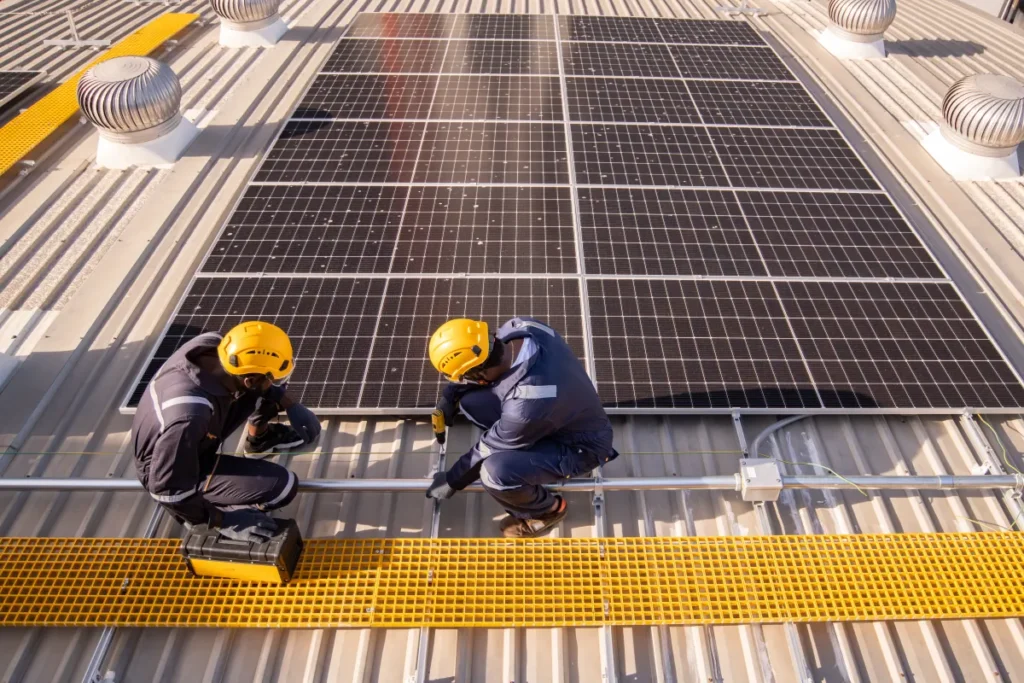
solar panel engineers walking on roof inspect and check solar

Optional Upgrades That Add The Most Value

Once the base system is sized, upgrades should solve practical problems: reliability, future electrical needs, and clean service access. In addition, In Los Angeles, where roof layouts and service panels vary widely, these add-ons often decide whether the job stays smooth or turns into change orders.

Best Long-Term Value Upgrades

  • Main panel readiness: budget for a panel or subpanel upgrade if capacity is tight.
  • Battery readiness (or storage): add storage when backup power matters, or prep the layout so you can add it later.
  • Consumption monitoring: helps you see when you use power and adjust habits.
  • Critter guards: can protect wiring and help prevent nesting under panels.
  • Roof coordination: if your roof is near end-of-life, plan reroof timing before solar to avoid paying for removal/reinstall.

What Buyers Tend To Notice

Solar can support resale value when the installation looks intentional and the paperwork is clean. For example, Keep copies of permits, equipment specs, and warranty terms, and make sure the equipment location stays accessible.

Oversizing the system can hurt value if it creates a big upfront cost without clear savings. Also, Right-sizing to your real usage, with a little room for future needs (like an EV charger), is usually the smarter play.

Week-By-Week Timeline (Typical)

  • Week 0-1: site visit, roof/electrical review, and preliminary system sizing.
  • Week 1-2: final design, proposal review, and equipment placement decisions.
  • Week 2-4: plans and permit submissions; review timing depends on scope.
  • Week 4-5: installation (often 1-3 days for many homes), then internal checks.
  • Week 5-6: inspections and any minor corrections; paperwork for activation follows.

Schedule changes usually come from permit review, electrical upgrades, or roof repairs, not from the panel delivery. As a result, That's why we look at roof and electrical constraints early, before you commit to a number.

Decision Snapshot

Decision/ConditionCost impactTime impact
Main panel has capacityLower risk of add-on electrical workFewer schedule dependencies
Tile or steep roofHigher labor and specialized mountingInstall days may increase
Roof near end-of-lifeMay add reroof or removal/reinstall costsCoordinate roofing + solar timeline
Battery added nowHigher total project costMore equipment placement planning
Long electrical runsMore conduit/wiring laborMore routing and patch planning

To get a clear plan for your home, book online at Free estimate. You can also call +1 (916) 234-6696.

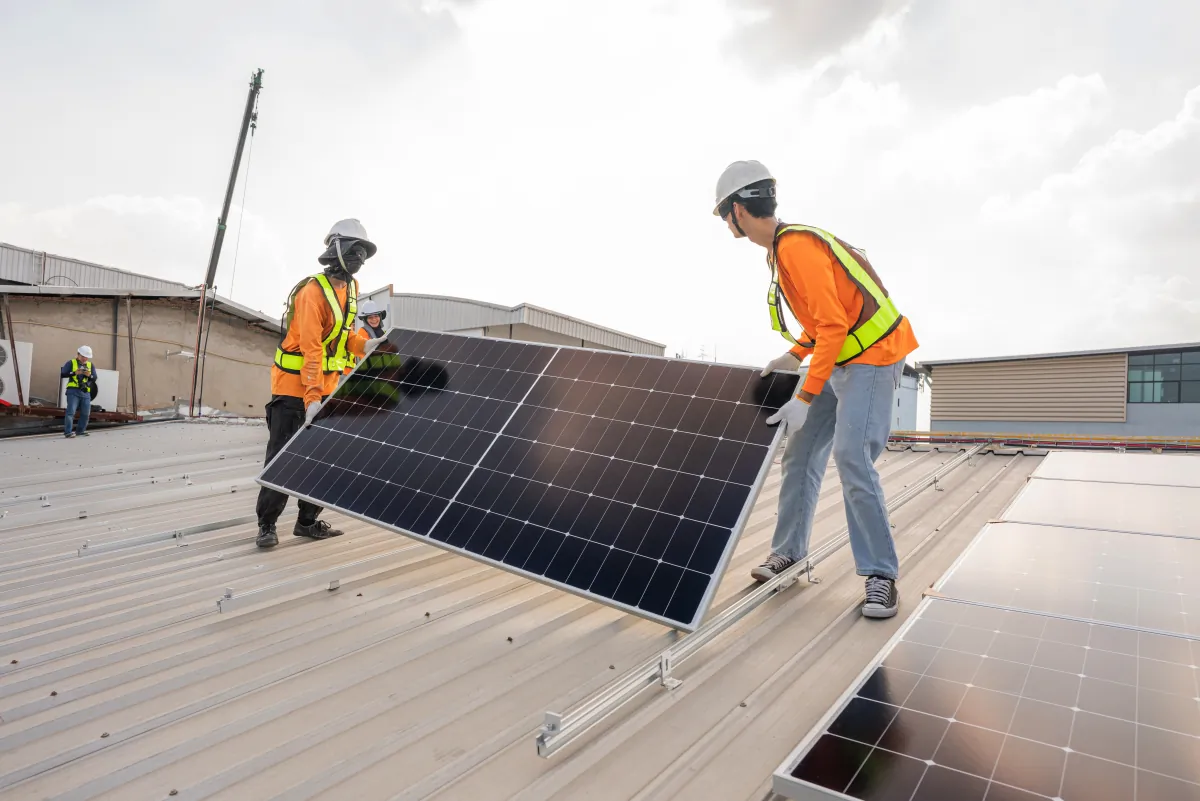
solar panel men technicians carrying photovoltaic solar moduls

Permits, Inspections, And Scheduling

Most roof-mounted solar projects involve permits and inspections because the work touches both the structure and the electrical system. Also, In Los Angeles, the Los Angeles Department of Building and Safety (LADBS) supports online services for permitting and plan review, and some scopes may qualify for faster online or express paths.

Permit needs vary by scope, so avoid assumptions. Additionally, The safest approach is to decide the permit plan in writing before installation day: who submits, who pays fees, and who schedules inspections.

What's Commonly Inspected

  • Roof attachment and flashing details (to help prevent leaks)
  • Electrical connections, disconnects, and labeling
  • Conduit routing and equipment clearances for service access

Scheduling Tips That Prevent Delays

  • Confirm equipment placement early so inspectors can access shutoffs and labels
  • Keep attic access and the electrical panel area clear on inspection day
  • If you need a panel upgrade, align that work before the solar final inspection

A Quick Checklist

Solar pricing only means something when the scope matches. Additionally, Use this checklist to compare quotes without missing the details that drive cost and timeline.

  • System size and layout: confirm kW size, panel count, and where equipment will be mounted.
  • Equipment list: panel model, inverter model, and monitoring approach should be clearly stated.
  • Roof assumptions: ask what roof repairs (if any) are included vs excluded.
  • Electrical scope: confirm whether a main panel or subpanel upgrade is included if needed.
  • Permits and inspections: confirm who files, who schedules, and what's included in the price.
  • Change-order rules: get clear language on how scope changes are priced.
  • Timeline range: ask for a realistic window from signed proposal to inspection.

Mistakes That Inflate The Final Price

  • Choosing the lowest number without confirming equipment and electrical scope
  • Skipping a roof check, then paying for removal/reinstall later
  • Assuming permitting is included without seeing it written out
  • Oversizing the system instead of matching real usage and future plans

US Construction & Remodeling Corp. In addition, helps Los Angeles homeowners get clear, line-item solar estimates based on real roof and electrical conditions. Also, Schedule online at Free estimate, or call +1 (916) 234-6696.

Helpful Links

Frequently Asked Questions

Most Los Angeles homeowners see a wide spread in pricing because the roof, electrical capacity, and equipment choices change the scope. As a ballpark, many roof-mounted systems price in the $15,000-$35,000+ range before incentives, with upgrades (like a main panel change or battery storage) increasing the total.

The fastest way to get an accurate number is a site-specific estimate that confirms roof access and your electrical panel capacity.

The biggest cost drivers usually come from scope, not sales talk. Focus on these items:

  • System size (kW) and panel count
  • Roof type, pitch, and access (tile and steep roofs often cost more)
  • Electrical upgrades (panel/subpanel capacity, routing distance)
  • Add-ons like batteries or critter guards
  • Permitting and inspection coordination

Many residential projects take several weeks end-to-end. A common sequence is: site visit and design (about 1-2 weeks), permit submissions and review (often 2-4+ weeks depending on scope), then installation (1-3 days for many homes), followed by inspections and any corrections.

Electrical upgrades and roof repairs are the most common reasons timelines stretch.

Often, yes. Roof-mounted solar typically involves building and electrical review and inspections because the work affects the roof structure and wiring. The exact permits depend on your scope and address.

Before you sign a contract, confirm who is responsible for submitting permits and scheduling inspections so there are no surprises.

If your roof is close to the end of its life, replacing it first (or coordinating reroof + solar) can save money. Otherwise, you risk paying for removal and reinstallation later.

Even if you don't need a full reroof, address obvious repairs before solar so the penetrations and flashing land on a sound roof surface.

In many cases, yes. If backup power may matter later, plan for it upfront by choosing equipment placement and electrical layout with storage in mind.

Battery readiness can help keep the future add-on cleaner and less disruptive, especially when space near the main panel is limited.

Licensed, insured & trusted local contractor

US Construction & Remodeling Corp.
9821 Business Park Dr, Sacramento, CA, 95827
Phone: +1 (916) 234-6696

CSLB License #: 1117562 Fully licensed and insured.

View our Google Business Profile

Leave a comment

This website uses cookies to improve your web experience.
Explore
Drag