

Kitchen remodeling permit requirements — Berkeley
Planning a kitchen remodel in Berkeley is exciting, yet permits can decide your timeline. This guide explains Kitchen Remodeling permit requirements in plain English so you can choose a scope, prepare for inspections, and schedule work with fewer surprises.
TL;DR: If you change layout, add or move plumbing/electrical/gas, or touch a wall, you should assume permits and inspections. Put your selections on paper early, because plan review and long-lead items drive the schedule. For a timeline-focused planning call, book online or call +1 (916) 234-6696.
Quick Checklist:
- Confirm what changes (layout, walls, or “like-for-like” swaps)
- Identify trade work (electrical, plumbing, gas, venting)
- Choose appliances early (power, gas, and hood needs)
- Lock cabinet layout and countertop type (lead times vary)
- Plan inspection access (rough work and final sign-off)
- Set up a temporary kitchen plan during construction
Free estimate to talk through timing, permit path, and practical next steps for your home.
A Homeowner Checklist For Kitchen Remodeling Permit Requirements
| Decision | Why it matters | Quick check |
|---|---|---|
| Scope | Defines what is included and prevents surprises. | Write a line-item scope and allowances list. |
| Site constraints | Access and hidden conditions can change the plan. | Check access and existing surfaces before work starts. |
| Selections | Long-lead items can drive the schedule. | Confirm availability before starting. |
| Permits | Some scopes require approvals and inspections. | Ask your city/county what applies to your project. |
Permitting gets easier when your scope is specific. For example, For most homeowners, Kitchen Remodeling permit requirements come down to what changes behind the walls.
Decisions To Lock Early
- Will also the sink, range, dishwasher, or fridge move to a new wall?
- Are you adding circuits (induction cooktop, built-in microwave, under-cabinet lighting)?
- Will you run or move a gas line, or convert gas to electric?
- Does the plan remove, add, or widen any walls, windows, or doors?
- What hood/vent strategy will you use (ducted vs. recirculating)?
- Do you need new shutoffs, a pot filler, filtration, or an instant hot unit?
- What is your cabinet layout and countertop thickness (affects dimensions)?
Once you answer these, you can build a plan set that matches the real scope instead of rewriting drawings midstream.
Common Mistakes That Create Permit Delays
- Starting demolition before approvals are in place or inspections are scheduled
- Buying cabinets before final measurements and appliance specs are locked
- Skipping ventilation planning and discovering conflicts after walls open
- Splitting responsibility between trades so no one owns the permit submittal
- Underestimating lead times on cabinets, countertops, and specialty fixtures
Accessibility And Safety Options (Choose Early)
Small upgrades can make the kitchen easier to use without changing the style. In addition, Because these choices influence layout, it helps to decide them up front.
- Clear walk paths and wider openings where feasible
- Pull-out shelves and drawer bases to reduce reaching
- Lever handles and touch-friendly faucets
- Brighter task lighting and reduced glare at counters
- Slip-resistant flooring and rounded countertop edges
Permits And Code Considerations
In Berkeley, many building and trade permit steps run through the city’s Permit Service Center, and many projects can be managed online through “Permits Online.” The exact permit set depends on scope, yet you can usually predict it by looking at which trades are involved.
When Permits And Inspections Are Common
- Electrical: new circuits, relocating outlets, panel work, lighting changes beyond simple fixture swaps
- Plumbing: moving supply/drain lines, relocating the sink or dishwasher, adding new fixture locations
- Mechanical/ventilation: new hood ducting, major vent routing changes, equipment changes tied to ventilation
- Gas: adding or moving gas piping, changing appliance fuel type
- Building/structural: removing walls, changing headers, enlarging openings, window/door changes tied to the layout
Many permitted kitchens involve at least one “rough” inspection (when work is open) and a final inspection at the end. As a result, Schedule access for inspections on purpose, because a missed inspection can pause multiple trades.
Code Items That Typically Affect Kitchen Plans
- Countertop receptacle placement and required protections (GFCI/AFCI where applicable)
- Dedicated circuits and correct sizing for larger appliances
- Ventilation performance and clean duct routing
- Lighting choices and energy compliance (common across California)
What Helps Plan Review Go Smoother
- Clear floor plan with dimensions and appliance locations
- Electrical/lighting plan with fixture and outlet locations
- Plumbing plan showing fixture locations and any moved lines
- Appliance and hood cut sheets
- Structural details or engineering when walls/openings change

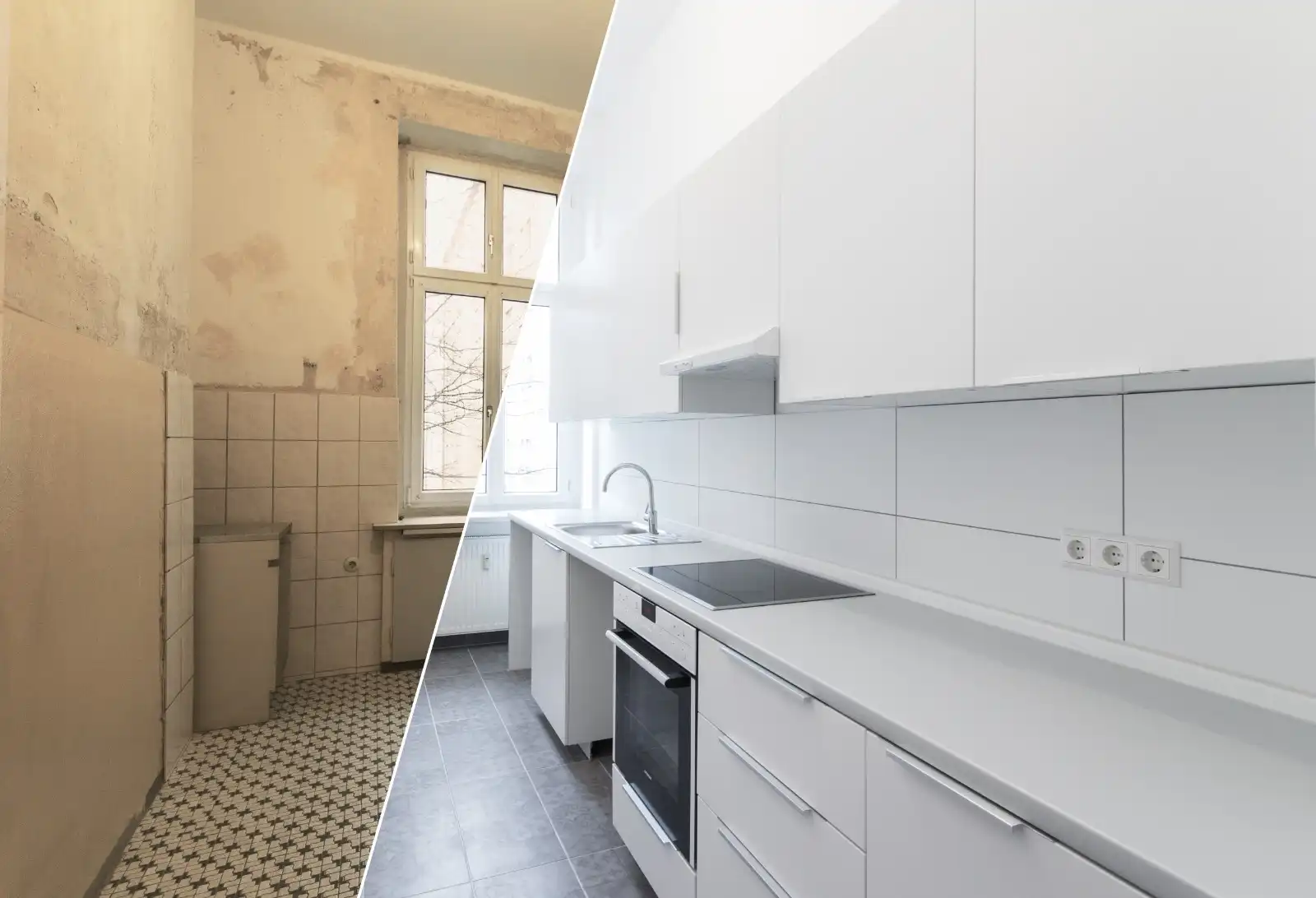
Timeline And Scheduling For Kitchen Remodeling Permit Requirements
A kitchen remodel schedule is more than construction days. For this reason, Plan review, product lead times, and inspection availability often control the critical path, so build them into your calendar early.
Typical Phases (Ranges Vary By Scope)
- Design and selections (2–6 weeks): lock layout, appliances, cabinetry, and finishes
- Plans and permit submittal (1–3 weeks): finalize drawings and gather product specs
- City review and revisions (varies): respond to comments quickly to keep momentum
- Ordering and fabrication (2–10+ weeks): cabinets, counters, appliances, and specialty fixtures
- Construction (4–10 weeks): demo, rough-ins, inspections, drywall, finishes, installs
- Closeout (1–2 weeks): punch list, final inspection, documentation handoff
At-A-Glance Planning Table
| Decision | Why it matters | Where it shows up |
|---|---|---|
| Appliance package | Power, gas, and venting requirements | Plans + rough-in inspections |
| Cabinet layout | Drives measurements for everything else | Drawings + ordering |
| Vent hood strategy | Affects duct routing and code compliance | Mechanical review + framing/drywall |
| Plumbing locations | Changes permit scope and wall/floor access | Plumbing rough + final |
| Lighting plan | Impacts energy compliance and wiring | Electrical rough + final |
How To Choose Materials And Trades
Material choices and trade coordination affect permits because they define what the plans must show. Meanwhile, The goal is practical: choose items that fit the budget, arrive on time, and install cleanly with inspection sign-offs.
Prioritize Function, Lead Time, And Serviceability
- Cabinets: stock vs. semi-custom vs. Overall, custom changes lead time and installation sequence
- Countertops: fabrication time depends on material, seams, and edge profiles
- Flooring: decide early if you’re refinishing, replacing, or leveling the substrate
- Backsplash/tile: plan for extra material and realistic cure times
- Fixtures: confirm rough-in dimensions for sinks and faucets before plumbing work starts
Confirm Responsibility Before Work Begins
- Clarify who submits permits and responds to plan check comments
- Ensure electrical, plumbing, gas, and ventilation work is completed by qualified pros and inspected when required
- Coordinate rough-in work so trades are not waiting on each other
- Plan delivery access for cabinets, appliances, and countertops
- Keep a written change log; layout shifts can affect permits and inspection timing
If you want a schedule you can trust, US Construction & Remodeling Corp. Additionally, can review scope and selections and map a sequence that accounts for permits, ordering, and inspections.

What To Verify
The last 5% of a kitchen remodel protects the other 95%. Also, Use the walkthrough to confirm safety, performance, and paperwork, then you can move in without unresolved items.
Final Walkthrough Checklist
- All required finals are signed off (building and trade permits, if applicable)
- Outlets, lighting, and appliances operate correctly; test GFCI/AFCI devices
- Vent hood runs smoothly; ducted systems vent properly and do not leak air
- Sink, dishwasher, and any ice-maker connections do not leak; shutoffs are accessible
- Cabinet doors/drawers align and latch; adjustments are completed
- Countertops and backsplash are sealed and caulked where needed
- Paint touch-ups and trim gaps are addressed; hardware is tight
Berkeley Planning Note
Because Berkeley supports online permitting for many residential projects through its Permit Service Center and “Permits Online,” keeping your drawings and product specs organized can save time during review and revisions.
Want a timeline before you commit to materials or demolition? Overall, Schedule a planning call so we can talk through scope, likely permits, and the cleanest construction sequence for your Berkeley kitchen. You can also call +1 (916) 234-6696.
Helpful Links
Frequently Asked Questions
Maybe. If you’re swapping cabinets and countertops and you’re not changing plumbing, electrical, gas, or ventilation, the city may not require a building permit. However, many “simple” kitchens still involve new outlets, added lighting, dishwasher circuit changes, or a new hood, and those items commonly trigger trade permits and inspections.
The safest approach is to list every change you plan to make (including hidden work) and confirm the permit path before demolition.
Electrical permits are common when you add circuits, relocate outlets, install new lighting runs, upgrade protection devices where required, or change the service panel. Kitchens also have specific rules for receptacle placement along countertops, so a layout change can expand electrical scope.
In practical terms, your electrician completes a rough inspection after wiring is installed and accessible, then a final inspection after devices and fixtures are in.
- Plan outlets and switches around the cabinet layout
- Confirm appliance power needs early (range, hood, microwave, dishwasher)
- Include under-cabinet and task lighting in the drawings
It depends on scope. A straightforward project may move faster than a layout change that needs full plan review. Either way, incomplete drawings and missing product specifications tend to create back-and-forth that adds time.
Berkeley supports online permitting for many residential projects through its Permit Service Center and “Permits Online,” so keeping your documents organized helps. Submitting a complete package and responding quickly to plan check comments can also shorten the overall timeline.
In many remodels, the contractor or the trade doing the work pulls the relevant permits, because the permit should match the party responsible for code compliance. A homeowner can sometimes act as an owner-builder, but that also means taking on coordination and responsibility for the work.
Get clarity in writing on these points before you start:
- Who submits the application and responds to plan check comments
- Which permits will be pulled (building, electrical, plumbing, mechanical, gas)
- Who schedules inspections and meets the inspector on-site
Permit fees vary by scope and valuation, so there isn’t a single number that fits every kitchen. What you can plan for is how permits affect the budget: plan preparation time, possible engineering, permit and inspection fees, and schedule impacts if inspections get missed.
Material choices can also affect costs indirectly, because they influence electrical, plumbing, gas, and ventilation requirements. Start with a clear scope and selections, and the estimate can include realistic permit-related line items.
Choose anything that affects rough-in locations or code requirements before you submit. That usually includes appliances, the hood and venting strategy, the sink and dishwasher location, and your cabinet layout.
- Appliance spec sheets (power/gas requirements)
- Cabinet plan with key dimensions
- Lighting plan and fixture types
- Plumbing fixture list and locations
When you tie these decisions to Kitchen Remodeling permit requirements, you reduce redesign cycles and protect the schedule.
Yes. A comfortable kitchen can look clean and modern while still supporting aging-in-place. The key is to bake the features into the layout, not add them as afterthoughts.
Pull-out storage, drawer bases, good task lighting, and lever handles improve daily use without changing the aesthetic. If you’re adjusting clearances or moving plumbing/electrical to support these features, address it during design so the plans and permits reflect the final layout.
- Prioritize clear walkways and unobstructed work zones
- Use brighter, layered lighting in prep areas
- Choose flooring with reliable traction and easy cleaning
Licensed, insured & trusted local contractor
US Construction & Remodeling Corp.
9821 Business Park Dr, Sacramento, CA, 95827
Phone: +1 (916) 234-6696
CSLB License #: 1117562 Fully licensed and insured.
Related service
Looking for a step-by-step overview before you choose materials? Read Kitchen Remodeling.