Kitchen Remodeling vs DIY in Folsom: A Practical Roadmap
Deciding between a full-service remodel and weekend work? This guide breaks down kitchen remodeling vs diy in Folsom so you can pick the path that matches your time, budget, and comfort level.
Use it as a roadmap: design ideas you can steal, a planning checklist, permit and timeline realities, and the mistakes that usually create rework. The goal is a kitchen that functions better, not just one that looks new.
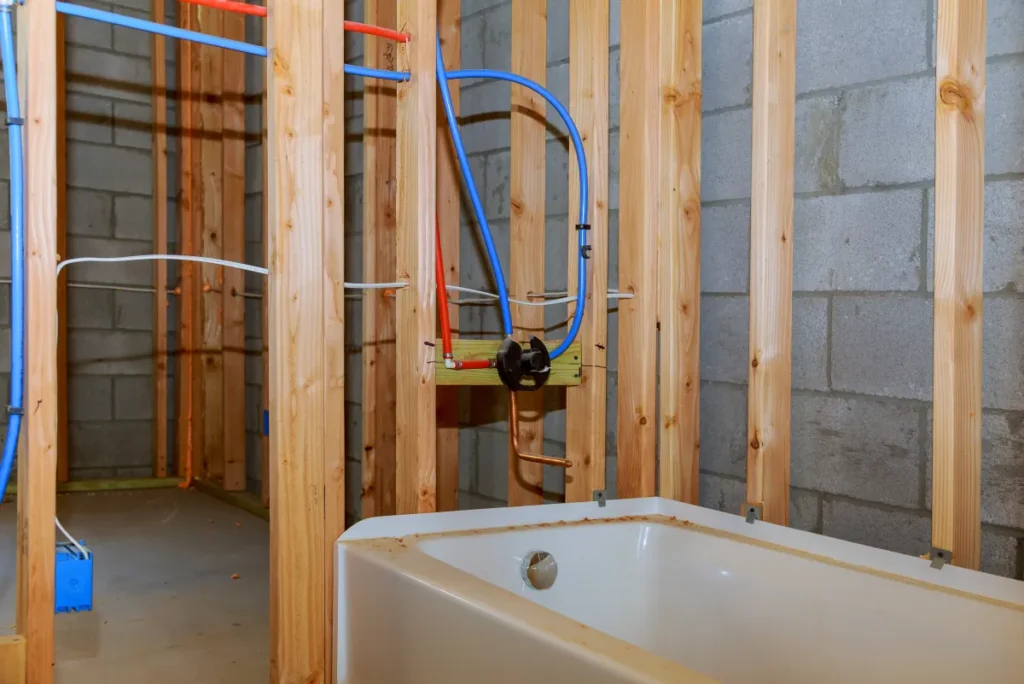
TL;DR: DIY can be a smart choice for cosmetic updates when the layout stays put. Once you move plumbing, add circuits, touch gas, or change walls, a managed remodel often reduces risk and makes inspections easier.
Quick Checklist Before You Choose:
- Define your “must-haves” vs. “nice-to-haves”
- Decide whether the layout stays or changes
- Price cabinets, counters, and appliances before demolition
- Plan lighting as a system: ambient, task, and accent
- Confirm who coordinates permits and inspections in Folsom
- Set a temporary kitchen plan for meals and cleanup
Common Pain Points With Kitchen Remodeling Vs DIY In Folsom (And Fixes)
| Decision | Why it matters | Quick check |
|---|---|---|
| Scope | Defines what is included and prevents surprises. | Write a line-item scope and allowances list. |
| Site constraints | Access and hidden conditions can change the plan. | Check access and existing surfaces before work starts. |
| Selections | Long-lead items can drive the schedule. | Confirm availability before starting. |
| Permits | Some scopes require approvals and inspections. | Ask your city/county what applies to your project. |
- Optimize the work triangle so sink, also range, and fridge flow naturally.
- Add a slim island or peninsula for seating, prep, and outlets.
- Swap lower-door cabinets for deep drawers where you store heavy items.
- Put trash and recycling on a pull-out right next to the main prep zone.
- Build a pantry wall (tall cabinet or pull-outs) to reduce countertop clutter.
- Choose a durable, low-fuss countertop (often quartz) for daily cooking.
- Run a full-height backsplash behind the range for easier cleanup.
- Select flooring that handles spills and heat (porcelain tile or quality LVP).
- Layer lighting: recessed ambient, under-cabinet task, and a few accents.
- Upgrade ventilation with a properly sized hood so the kitchen stays comfortable.
- Plan outlets and charging where small appliances actually live.
Most frustrations come from planning gaps, not “bad luck.” DIY projects often stretch out because small decisions stack up: outlet locations, cabinet sizes, hood venting, and how your countertop gets templated. In addition, A remodel stays calmer when you make the hard decisions on paper before you start tearing things out.
Pain Points Homeowners Hit (And Practical Fixes)
- Layout guesswork: Mock up clearances with painter’s tape so doors and drawers don’t collide.
- Design whiplash: Pick a simple palette (cabinet color, counter, hardware finish) and stick to it.
- Hidden utility limits: Verify where plumbing, electrical, and ducting actually run before final cabinet choices.
- Material timing: Order cabinets, appliances, and specialty items early so the project doesn’t stall.
- Dust and downtime: Use zip walls, floor protection, and a temporary sink/microwave zone to keep life moving.
Storage And Organization Upgrades
Storage is where a kitchen starts to feel “custom,” even without fancy finishes. Also, Make storage decisions based on what you use every day, not what looks good in a showroom.
- Drawer dividers for utensils and prep tools (so counters stay clear).
- Vertical tray storage for sheet pans and cutting boards.
- A dedicated spice pull-out near the cooktop.
- Lazy Susan or pull-out corner solutions that don’t waste deep space.
- Roll-out shelves for lower cabinets to avoid “lost” items in the back.
- A tall broom/utility cabinet if you’re short on storage elsewhere.
Small-Kitchen Layout Moves That Feel Bigger
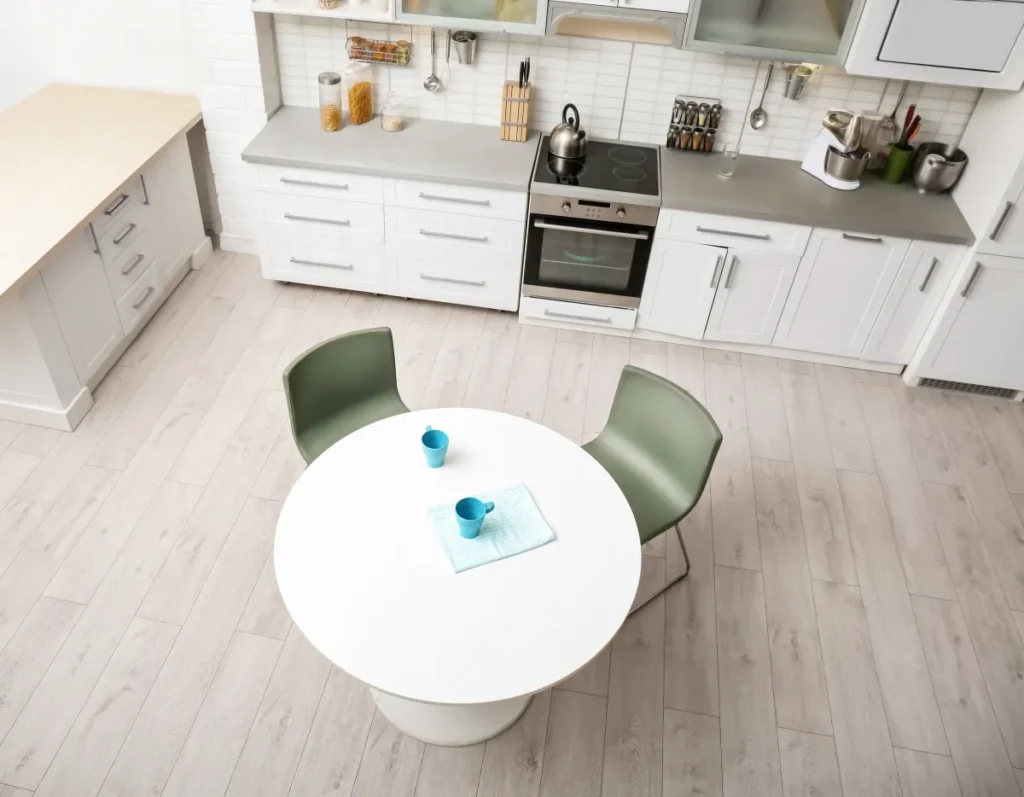
Not every Folsom home has room for a large island. Meanwhile, Still, a few layout choices can improve flow and make the kitchen feel easier to live in.
- Keep a clear traffic lane so people aren’t walking through the prep zone.
- Use a peninsula instead of an island when aisle space is tight.
- Go taller (to the ceiling) with upper cabinets to gain storage without widening the footprint.
- Choose fewer, larger drawer stacks instead of many narrow doors.
- Use open shelving sparingly and intentionally, so it doesn’t become visual clutter.

Planning, Budget, And Materials
Good kitchens feel effortless because the decisions happened early. For example, This checklist keeps the kitchen remodeling vs diy decision from turning into a surprise mid-demo.
Planning Checklist You Can Actually Use
- Measure everything twice and note where doors, windows, and vents land.
- List what stays (appliances, sink location, flooring) and what changes.
- Map your daily workflow: coffee, lunch, dinner, and cleanup.
- Choose your layout direction before shopping for cabinets.
- Confirm appliance specs (especially range width, hood needs, and fridge depth).
- Plan outlets and switches for real use: countertop appliances, charging, under-cabinet lights.
- Pick cabinet door style and finish (Shaker, slab, or raised panel) and match your hardware finish.
- Select counters and backsplash together so undertones don’t clash.
- Decide your lighting layers: ambient + task + accent, not just one fixture.
- Set a jobsite plan: debris handling, floor protection, and a temporary kitchen setup.
Layout Options (And What They’re Good At)
Layout drives both function and complexity. As a result, Keep changes simple if you want DIY to stay realistic.
- Galley: Great for tight spaces; focus on good lighting and continuous counter runs.
- L-shape: Works well for open sightlines; a peninsula can add seating without crowding.
- U-shape: Excellent prep efficiency; watch corner storage and aisle width.
- Island-centered: Strong for entertaining; plan outlets, seating clearance, and traffic flow.
Cabinets, Counters, Floors, And Lighting
Materials should match how you cook and how much maintenance you’re willing to do. Overall, Practical choices age better than “trendy” ones.
- Cabinets: Shaker doors suit most homes; slab doors read more modern. For this reason, Prioritize durable boxes and quality drawer hardware.
- Countertops: Quartz is popular for durability; granite offers natural variation; butcher block needs more care; solid-surface can be seamless.
- Flooring: Porcelain tile handles heat and spills; quality LVP can be comfortable underfoot; engineered wood adds warmth but needs protection from water.
- Lighting: Use recessed lights for ambient, under-cabinet for task lighting, and pendants/sconces for accent where it makes sense.
If you want help comparing scope options, you can also browse kitchen remodeling services and see how a managed project is typically structured.
Key Decisions At A Glance
| Decision | What drives cost/time | DIY risk to watch |
|---|---|---|
| Keep or change layout | Moving plumbing/electrical, drywall and flooring patches | Rough-ins land in the wrong place for cabinets |
| Cabinet selection | Lead time, modifications, installation complexity | Gaps, uneven reveals, and misaligned doors/drawers |
| Countertop type | Fabrication and templating coordination | Wrong overhangs, sink cutout issues, seam placement |
| Electrical and lighting plan | New circuits, outlets, under-cabinet lighting, inspections | Not enough power where you need it |
| Ventilation strategy | Duct routing, hood selection, roof/wall penetration work | Poor performance and lingering odors/grease |

Timeline And Permit Considerations
US Construction & Remodeling Corp. Additionally, helps Folsom homeowners weigh DIY tasks against a professionally managed kitchen remodel, with clear scope, coordinated trades, and permit/inspection coordination when the work requires it.
Request a free estimate and we’ll map out options for your kitchen, or call +1 (916) 234-6696 for a quick consult.
A Realistic Project Roadmap (DIY Or Pro)
- Define scope: layout, storage goals, and the “must-haves.”
- Finalize the layout and appliance plan before ordering cabinets.
- Select key finishes (cabinets, counters, flooring, backsplash, lighting) so they coordinate.
- Confirm venting, electrical needs, and plumbing locations based on the final plan.
- Submit for permits when required and plan for inspections tied to the work.
- Protect the home, set up a temporary kitchen, and stage materials for the build.
- Demo and rough work (plumbing/electrical/venting), followed by required inspections.
- Close up walls, install cabinets, then template and install countertops.
- Install backsplash, lighting, fixtures, and finish details.
- Walk the space, address punch-list items, and keep documentation for future buyers.
What Typically Changes The Path
Folsom uses an ePermit Center (eTRAKiT) for applications, plan review tracking, payments, and inspection scheduling. For this reason, Requirements depend on scope and the property, so confirm details with the City for your address.
- Moving or adding plumbing (especially if you relocate the sink or dishwasher).
- Electrical changes like new circuits, added outlets, or lighting reconfiguration.
- Gas line work or changes to cooking ventilation.
- Structural changes, wall removals, or new openings.
Budget Ranges & Timeline (Typical)
- DIY timelines often expand when work is limited to nights and weekends.
- Permits and inspections can add time; planning for them early prevents stalls.
- The fastest projects usually keep the layout stable and make finish selections up front.
- Cabinets, appliances, and stone fabrication can dictate the critical path more than demo does.
Frequently Asked Questions
It depends on scope. Cosmetic updates (paint, cabinets in the same locations, simple surface swaps) may not require permits, while changes to plumbing, electrical, gas, ventilation, or walls often do.
Folsom uses an ePermit Center (eTRAKiT) for applications, plan review tracking, payments, and inspection scheduling. Confirm requirements with the City based on your exact address and project scope.
DIY can make sense when the work stays cosmetic and you’re comfortable with tools.
- Painting walls and trim, swapping hardware, and installing simple accessories.
- Floating shelves or minor trim work (when properly anchored).
- Tile backsplash installs for experienced DIYers (with careful layout and cutting).
Work that involves electrical, plumbing, gas, or structural changes is where many homeowners choose professional help for safety and inspection compliance.
The biggest drivers are complexity and what you change, not just what you buy.
- Layout changes that move plumbing, electrical, or walls.
- Cabinet quality, custom sizing, and installation complexity.
- Countertop fabrication (especially stone) and sink/faucet choices.
- Electrical upgrades, lighting plans, and ventilation routing.
- Your time: tools, learning curve, and the cost of fixing mistakes.
DIY usually takes longer because work happens around your schedule, and delays stack up when materials or specialty trades aren’t lined up. A managed remodel can move faster when decisions are made early and trades are coordinated.
Permit and inspection timing can also affect the schedule, especially when walls or rough-ins change.
Choose materials that fit how you use the kitchen and how much maintenance you want.
- Cabinets: Durable boxes and quality drawer hardware matter as much as door style.
- Counters: Quartz is popular for durability; granite is strong but varies; butcher block needs routine care.
- Floors: Porcelain tile handles spills and heat; quality LVP can be comfortable and resilient.
- Lighting: Layered lighting reduces shadows and makes cooking easier.
Compare apples to apples by focusing on scope clarity and responsibility, not just a single price.
- Get a written scope that lists what’s included, what’s excluded, and how changes are priced.
- Ask who pulls permits (when required) and who schedules inspections.
- Confirm insurance and how communication updates will happen during the build.
- Review the plan for protecting floors, managing dust, and handling debris.
You can also verify a contractor’s license status through the California Contractors State License Board (CSLB).
Explore the full service overview
If you want the big-picture process, pricing factors, and what to expect, start here: Kitchen Remodeling.