Gutters vs DIY in Novato: A Practical Guide
Wondering whether to hire a pro or tackle it yourself? If you’re weighing gutters vs diy novato projects, focus on two things: safe access and where roof water ends up.
This guide breaks down layout, materials, and what usually changes cost and timing for Novato homeowners.
TL;DR: DIY can work for short, single-story runs with easy ladder access and simple corners. Multi-story rooflines, long runs, or any sign of wood damage are better handled by a pro so water stays controlled.
Quick Checklist:
- Check ladder access and roof height before committing to DIY.
- Inspect the fascia (the board behind the gutter) for soft or rotted wood.
- Decide whether you want seamless gutters or sectional pieces with joints.
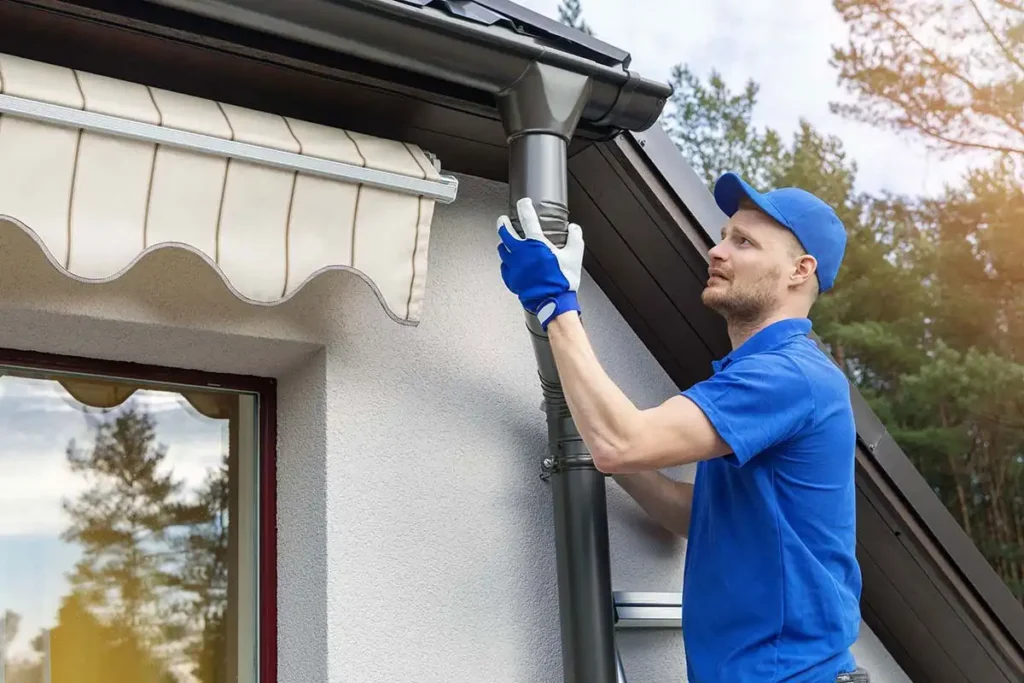
- Note where downspouts (vertical pipes) will send water at ground level.
- Pick a guard style you can actually clean, not just install.
- Plan for safety gear, a helper, and a clear work zone below.
What Changes The Experience The Most For Gutters Vs DIY Novato
| Decision | Why it matters | Quick check |
|---|---|---|
| Gutter size (5-inch vs 6-inch) | Capacity affects overflow risk during heavy rain. | Ask the installer to size based on roof area and runoff. |
| Downspout locations | Where water lands affects erosion and slip hazards. | Map discharge points and confirm extensions/splash blocks. |
| Guards/screens | Reduces clogs but still needs maintenance. | Choose based on debris type and confirm cleaning access. |
| Fascia condition | Weak/rotted fascia causes sagging and leaks. | Inspect before install; include repair allowance in scope. |
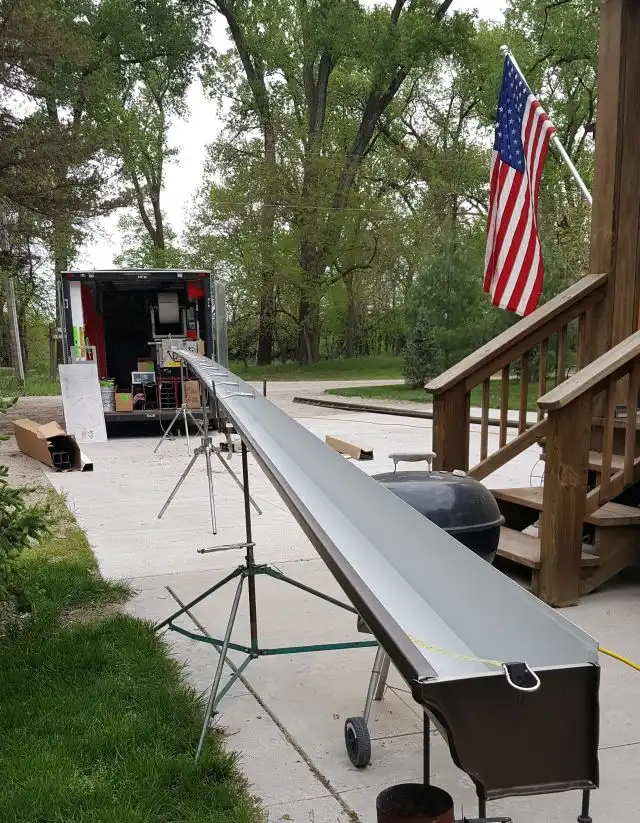
- Seamless gutters (formed in one piece) vs sectional parts (more joints to seal)
- Gutter size and outlet size (how much water it can also carry away)
- Downspout placement and count (where water leaves the gutter)
- Fascia condition (the board the gutter fastens to)
- Number of corners and roof valleys (areas that concentrate water)
- Hanger type and spacing (the brackets that keep gutters straight)
- Proper pitch (a slight slope that moves water to the downspout)
- Guard choice and how it’s maintained
- Finish/color match to trim and siding
- How you control splash-back at the bottom of each downspout
These choices decide whether the system carries water cleanly or overflows and stains the exterior. They also decide how often you’ll be on a ladder cleaning and resealing.
DIY tends to fit short, single-story sections with safe ladder placement and simple corners. Overall, Hiring a licensed team tends to fit multi-story edges, steep roofs, long runs, or any job that includes fascia repair.
Mistakes That Create Leaks (And How To Avoid Them)
- Setting the pitch flat or backwards, which leaves standing water.
- Using too few hangers, which leads to sagging and overflow.
- Relying on caulk alone instead of proper seams and end caps.
- Skipping drip edge checks (the metal roof edge that guides water into the gutter).
- Mounting new gutters onto soft fascia that needs repair first.
If you want a simple test, run a garden hose on the roof edge for a few minutes. Meanwhile, Watch for overflow, slow drains, or water sneaking behind the gutter.
Layout And Function Improvements For Gutters Vs DIY Novato
The goal is simple: catch roof water, move it quickly, and release it in a spot that won’t cause erosion or splash on walls. For example, Layout is the plan for where gutters run, where downspouts go, and how water moves around corners.
Runs, Corners, And Downspouts
Start by mapping each straight section as a “run.” Count inside and outside corners. In addition, More corners usually means more seams to install and maintain.
- Feed long runs toward a downspout instead of trying to split the slope in the middle.
- Add a downspout when one outlet can’t keep up during heavy rain.
- Pay extra attention to roof valleys, where two slopes meet and water concentrates.
Gutter Layout Patterns (A Quick Analogy)
Home layout terms like galley, L-shape, U-shape, and even island-centered describe how a space flows. As a result, Gutters have a similar logic: a straight “galley” run, an L-corner around an entry, a U-wrap on three sides, and separate “islands” like a patio cover or detached structure that needs its own perimeter gutter.
If you’ve ever compared cabinet door styles, countertop options, and flooring choices, you already know small decisions change the finished feel. For this reason, Gutters have their own version of that checklist. Good visibility and layered lighting (ambient, task, and accent) also help when you’re inspecting for drips in a shaded side yard.
Small Runs And Narrow Side Yards
Tight side yards, sloped ground, and dense landscaping can limit ladder placement. Additionally, In those cases, the “best” downspout spot is the one you can reach to clean and inspect without risking a fall.
- Avoid placing outlets where a ladder can’t sit safely on firm, level ground.
- Keep the outlet area visible so you can spot clogs early.
- Choose guard styles that can be cleaned from above without removing long sections.
If you want a professional to sanity-check the layout before you commit, request a measurement visit through our free estimate page.

Materials And Finish Options
US Construction & Remodeling Corp. Also, helps Novato homeowners compare gutter materials, finishes, and guard options so the system performs and looks clean on the house. In addition, We measure the roof edge, check fascia condition, and recommend choices that match how you maintain your exterior.
Schedule your free estimate online. Meanwhile, If you prefer to talk first, call +1 (916) 234-6696.
What Homeowners Actually Notice
- Aluminum (most common): light, corrosion-resistant, and available in many colors. As a result, It can dent if it’s hit.
- Galvanized steel: tougher against dents, heavier to install, and can rust if the coating is scratched.
- Copper: premium look and long life, but higher cost and a color change over time (patina).
- Vinyl/PVC: inexpensive and DIY-friendly, but it can warp or crack over time in sun and temperature swings.
Finish And Style Choices That Keep The Exterior Looking Sharp
Most homeowners care about straight lines and a good color match. As a result, Factory finishes usually hold color longer than field-painted coatings.
- Match the gutter to fascia/trim when you want a low-visibility edge.
- Use a contrasting downspout when you want it to read as an intentional detail.
- Rectangular downspouts usually carry more water than round ones in the same footprint.
Reduce Cleaning, Don’t Eliminate It
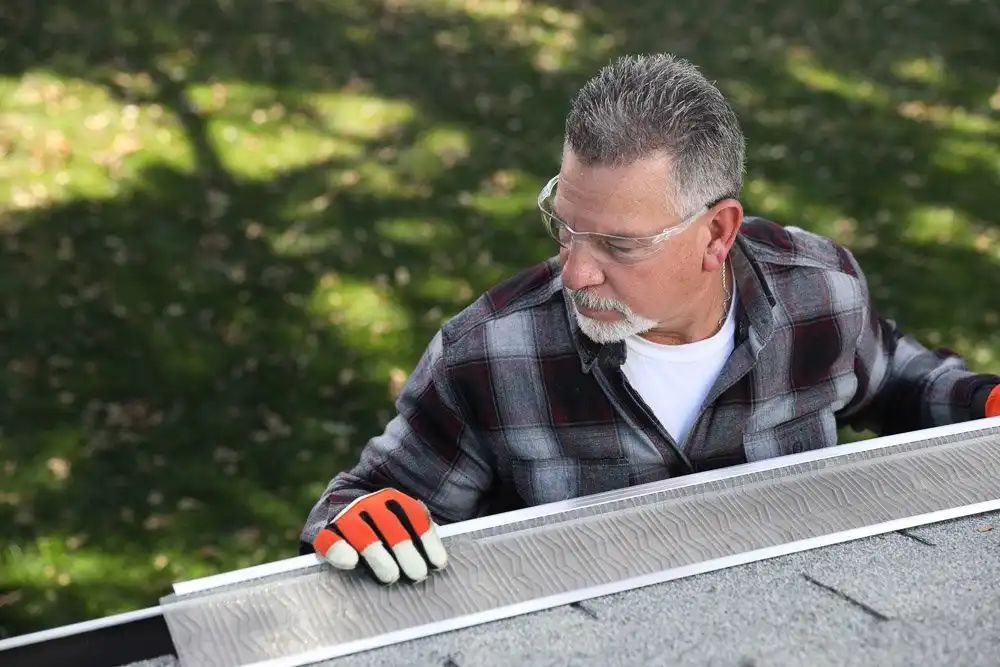
A guard is a cover that keeps larger debris out while letting water in. As a result, No guard is truly maintenance-free, so pick one based on what you can realistically clean.
- Screen: affordable and easy to remove for cleaning.
- Micro-mesh: blocks finer debris, but needs occasional brushing or rinsing.
- Foam/brush: simple to install, but can hold debris and may need replacement.
Frequently Asked Questions
Many like-for-like gutter replacements don’t require a permit, but rules depend on scope and address. If the job includes structural repairs or tying downspouts into underground drain lines, permits may apply. In Novato, permit requests and inspections are commonly managed through the Novato Permits portal (MaintStar).
On a two-story edge, the risk is usually the deciding factor, not the tool cost. Working at height is a fall hazard, and small alignment errors can cause overflow. Many homeowners choose a pro for multi-story runs and reserve DIY for short, low sections.
Seamless gutters are formed to length, which reduces the number of joints (common leak points). Sectional kits can work on short runs, but they rely on more seams and careful sealing. If you want fewer maintenance surprises, seamless is usually the safer bet.
Aluminum is the most common choice because it resists rust and comes in many finishes. Steel resists dents but can rust if scratched. Copper is a premium option with a long lifespan and a changing finish over time. Vinyl/PVC is budget-friendly but can warp or crack sooner than metal.
The biggest cost drivers are usually access and complexity, not just the gutters themselves.
- Home height, roof pitch, and ladder safety setup
- Total length, corners, and roof valleys
- Material and color/finish choice
- Number and placement of downspouts
- Fascia repairs found during removal
Ask each contractor to quote the same scope, then compare apples to apples.
- Material, gutter size, and downspout locations
- Guard type (if included) and how it’s maintained
- Fascia repair allowances and what happens if rot is found
- Cleanup details and how they protect landscaping
- How they verify pitch and leak-free seams (for example, a hose test)