
Roofing Contractor in Placer: Hiring Checklist
If you’re typing roofing contractor placer into a search bar, you’re probably trying to balance timing, budget, and a roof that won’t become a repeat problem. Use this guide to compare companies, read bids, and set expectations before you sign.
Quick checklist:
- Confirm the scope: repair, partial replacement, or a full reroof.
- Pick a material system and verify underlayment, flashing, and ventilation details.
- Clarify tear-off vs overlay and what happens if decking damage is found.
- Verify license/insurance where required, and compare bids line-by-line (allowances, exclusions, change orders).
- Schedule around weather and confirm daily cleanup and protection.
- Do a final walkthrough: flashing, vents, and warranty documentation.
TL;DR: Get comparable bids with the same written scope, verify licensing/insurance, and require a realistic start-date window. If your timeline matters (weather, travel, HOA, solar), schedule a planning call early so the contractor can map the next steps. Call Call or book online.
- Confirm the contractor is properly licensed and insured (ask for current documentation).
- Request a written scope with clear exclusions and unit pricing for unknowns.
- Compare at least 2–3 bids using the same material grade and tear-off assumptions.
- Get a start-date window, crew plan, and weather-delay plan in writing.
- Ask how they protect landscaping, penetrations, and interior access points.
- Keep payments tied to milestones—avoid paying for the full job up front.
How To Plan Roofing Contractor In Placer Without Surprises For Roofing Contractor Placer
| Decision | Why it matters | Quick check |
|---|---|---|
| Material system | Affects lifespan, cost, and appearance. | Confirm shingle/tile type, underlayment, and warranty. |
| Flashing & penetrations | Most leaks start at edges and penetrations. | Specify flashing at chimneys, vents, and valleys. |
| Ventilation | Controls heat/moisture and protects decking. | Confirm intake/exhaust balance and vent types. |
| Tear-off & decking | Hidden damage can change cost and timeline. | Include an allowance and photo documentation. |
Most roof problems feel urgent, yet the best results come from slowing down long enough to hire the right company. As a result, A roofing project goes smoothly when the scope is clear, the paperwork matches the work, and the crew can actually start when they say they will.
10-Minute Screening Checklist (Before A Site Visit)
- Verify the contractor’s license status and classifications on the California Contractors State License Board (CSLB) site.
- Ask for proof of general liability insurance and workers’ compensation coverage.
- Confirm a physical business address and who will also be your day-to-day contact.
- Request photos of similar roof types they’ve completed (a simple portfolio is fine).
- Ask whether they handle permit coordination when it’s required in your jurisdiction.
- Get their proposed start-date window and how they handle weather delays.
Bid Questions That Reveal How They Run Jobs
- What’s included in cleanup each day, and what’s the final debris-disposal plan?
- How do you protect landscaping, driveway, and exterior walls during tear-off?
- Who checks the work at the end of each day, and how do you document issues?
- How do you handle hidden conditions (for example, damaged decking) and change orders?
- What warranty information will you provide in writing (manufacturer + workmanship terms)?
Mistakes That Trigger Change Orders And Delays
- Comparing bids with different assumptions (material grade, number of layers, disposal, or repairs).
- Skipping the license/insurance check because the price looks good.
- Signing without a written scope and clear exclusions (it invites disputes later).
- Paying too much up front instead of using milestone-based payments.
- Accepting a vague timeline (“next month”) when you need a specific start window.
When you want the search for a roofing contractor placer to end well, treat the estimate like a job proposal: clear scope, clear schedule, and clear responsibility. Meanwhile, That’s what keeps surprises off the invoice.
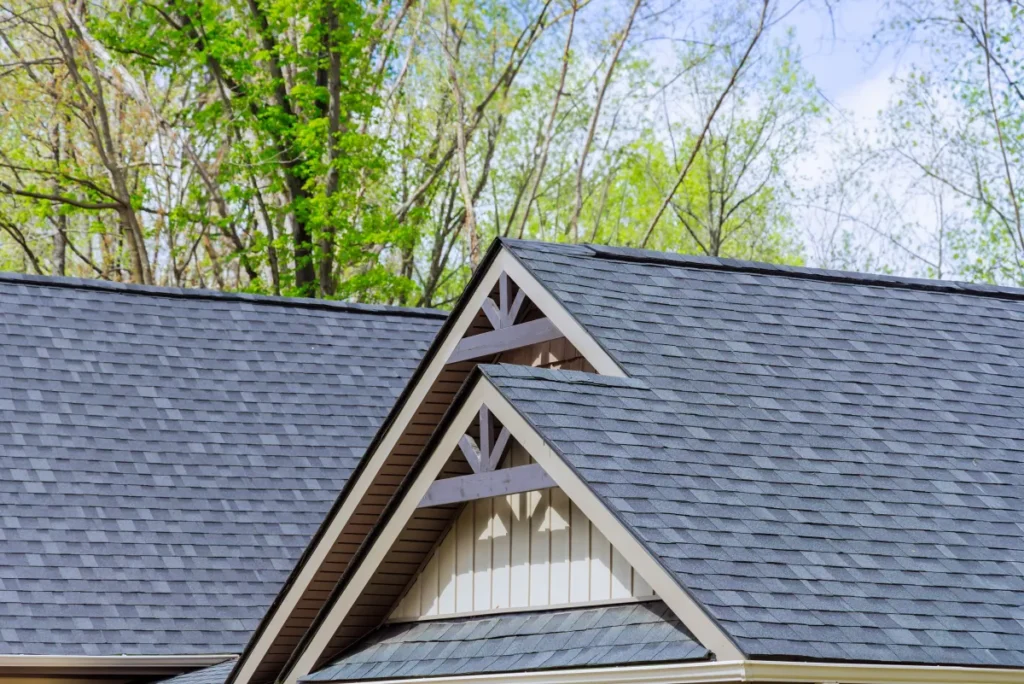
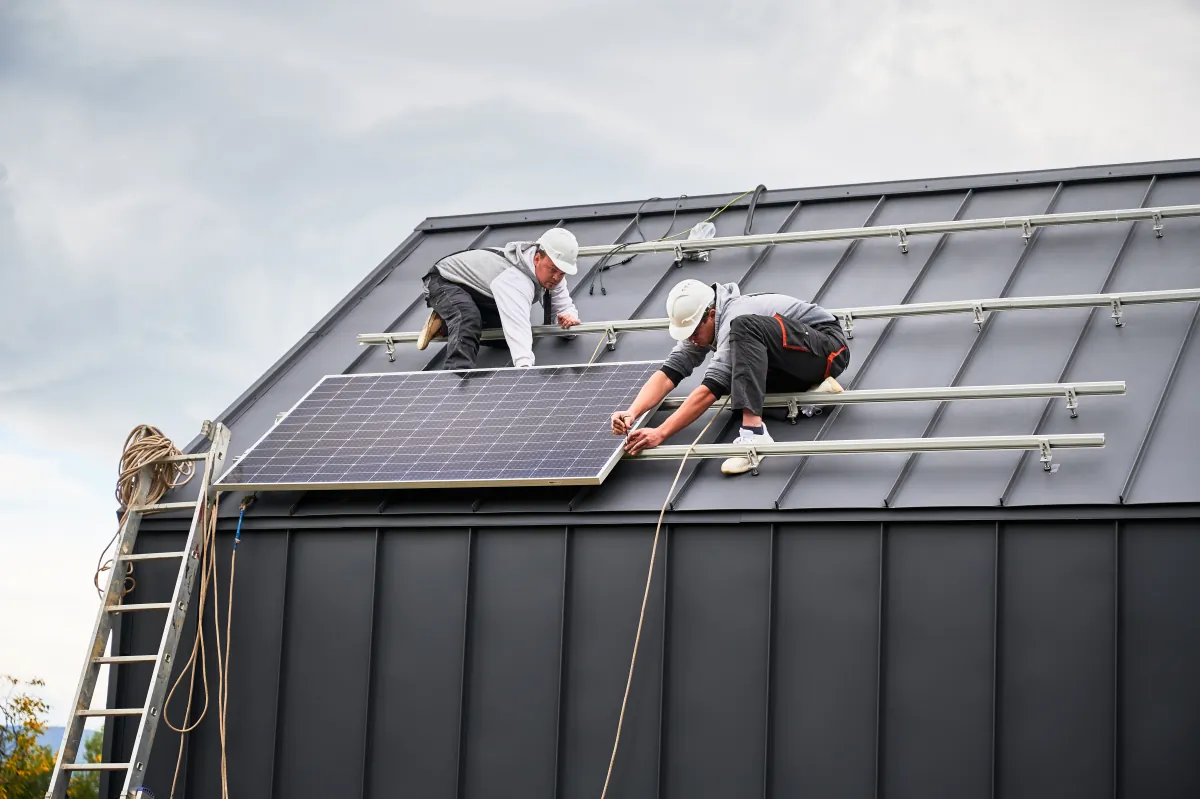
Scope, Budget, And Priorities
Contractors can only price what they can see and what you define. For example, The fastest way to get comparable bids is to give every roofer the same “bid package” and ask them to respond in writing.
Bid-Ready Scope Checklist (What To Put In Writing)
- Roofing material type and grade (and any HOA requirements you must follow).
- Tear-off expectations (full removal vs. overlay) and disposal included.
- Decking inspection approach and unit pricing for any wood replacement, if needed.
- Penetrations and transitions: how metal work is handled around pipes, walls, chimneys, and skylights.
- Attic airflow plan if the current setup has issues (ask what they will evaluate).
- Gutter and downspout protection plan during the job (and whether gutter work is included).
- Site protection: driveway, landscaping, AC units, and outdoor furniture.
- Cleanup details: magnetic nail sweep, haul-away, and how they leave the property each day.
Key Decisions At A Glance
| Decision | What it changes | Ask for this in the bid |
|---|---|---|
| Material grade | Price, durability, and warranty options | Exact product line and color name |
| Tear-off scope | Labor time and disposal | Number of layers included |
| Deck repairs | Big swing item on older roofs | Unit price per sheet/linear foot |
| Permitting | Lead time before start | Who files, who pays fees |
| Schedule constraints | Crew size and sequence | Start window + daily work hours |
Bid Comparison Template For Roofing Contractor Placer
Use this checklist to compare proposals side-by-side. For this reason, It keeps the conversation practical and reduces the odds of a low bid turning into surprise add-ons.
- Scope match: Same material grade, same tear-off assumptions, same cleanup.
- Unknowns priced: Written unit pricing for potential wood replacement and other hidden conditions.
- Exclusions stated: Anything not included is listed in plain language.
- Schedule defined: Start window, estimated duration, and weather-delay plan.
- Warranty in writing: What you get, who administers it, and what documents you receive.
- Payment milestones: Progress payments tied to completed work, not calendar dates.
Small Kitchen And Bathroom Prep (Keep The Home Usable)
Roofing happens outside, yet small homes still feel the disruption. Overall, If you have a compact kitchen or a tight bathroom, a little “layout planning” keeps your routine intact while the crew works overhead.
- Create a clear interior path to any attic access points (often in closets or hallways). Also, In a small bath, move breakables off shelves and counters.
- Set up a temporary “daily essentials bin” in the kitchen (coffee, meds, chargers) so you’re not opening cabinets during the noisiest hours.
- Cover small bathroom and kitchen exhaust fan grilles if dust becomes an issue; remove the covers after the workday so airflow returns to normal.
- Plan pet and child zones away from the driveway and drop area. Additionally, Small spaces tighten fast when you add safety barriers.
Want help pressure-testing bids and timeline options? Call Call to talk through your start window and next steps.

Permits & Inspections (General Guidance)
Permit requirements depend on jurisdiction and scope, so treat this as general guidance—not a substitute for the local building department. In addition, In many Placer County projects, permitting is handled through the county’s online permit portal (often Accela / e-Permits), although the exact path can vary by address.
When Permits Commonly Come Up
- Full roof replacement (many jurisdictions require a building permit).
- Structural repairs (for example, significant decking replacement).
- Changes to roof openings (adding/moving skylights or new vents).
- Work that affects electrical or solar components (may involve separate permits).
A solid contractor will tell you early whether a permit is likely and who is responsible for filing, fees, and scheduling inspections. In addition, Put that responsibility in the contract so there’s no confusion.
Timeline And What To Expect
Most on-site roof replacements move quickly once materials and permits line up. Additionally, The timeline swings based on roof size, complexity, weather, and how many unknowns the crew finds when they open the roof.
Typical Phases With Ballpark Durations
- Site visit + measurements: 1–3 days to schedule, then 30–90 minutes on-site.
- Bid + scope review: 2–7 days for a written proposal you can compare.
- Permitting (if required): a few days to several weeks depending on jurisdiction workload.
- Material ordering: 1–7 days (longer for specialty items).
- On-site work: commonly 1–3 days for many homes; complex roofs can take longer.
- Final cleanup + inspection: same day to a few days after completion.
What To Ask For So The Schedule Stays Real
- A start-date window (not just “we’ll call you”).
- Daily work hours and whether the same crew returns each day.
- How they handle weather delays and temporary protection if rain is forecast.
- How long your driveway or parking area will be partially blocked.
When To Call A Licensed Contractor
Some roof issues are “call today” problems, while others can wait for planned bidding. For this reason, If you’re unsure, ask for an on-site evaluation so you can separate urgent repairs from long-term replacement planning.
- Active leaks, ceiling stains, or dripping near lights/outlets.
- Missing, curling, or damaged roofing after wind.
- Soft spots, sagging areas, or visible rot at the roof edge.
- Repeated leaks around skylights, chimneys, or plumbing penetrations.
- Any time you need a documented scope for insurance or HOA communication.
If timing is the main concern, start with a planning call. US Construction & Remodeling Corp. As a result, can help you map a realistic timeline, clarify what should be in the bid, and avoid scope gaps that cause delays. Call Call.
Helpful Links
Frequently Asked Questions
Two to three written bids usually gives you a real comparison. Make sure each bid uses the same material grade and the same assumptions about tear-off, disposal, and potential repairs.
If one number is much lower, ask what’s excluded and get that clarification in writing before you decide.
A good bid is specific enough that you can compare it against other proposals.
- Material type and product line
- Tear-off and disposal scope
- Plan for decking inspection and how repairs are priced
- Site protection and cleanup details
- Start window and estimated duration
- Warranty information provided in writing
Many jurisdictions require a building permit for a full roof replacement, but requirements vary by address and scope. Ask your contractor early whether a permit is likely and who will handle filing, fees, and inspection scheduling.
For Placer County projects, permitting is often managed through the county’s online permit portal, depending on jurisdiction.
Many homes see 1–3 days of on-site work once the job starts. Planning time can add days or weeks depending on material availability and whether permits are necessary.
Weather and roof complexity can extend the schedule, so ask for a start-date window and a weather-delay plan in writing.
Use milestone-based payments tied to completed work, not vague dates. Avoid paying for the full job up front.
California has rules about down payments for home improvement contracts; if you’re unsure what’s allowed, review CSLB guidance and ask the contractor to follow it.
A little prep reduces stress and keeps the work area safe.
- Move vehicles out of the driveway and keep the drop zone clear.
- Secure fragile items on walls and shelves (vibration happens during tear-off).
- In small kitchens/baths, clear counters and set a “daily essentials” spot for quick access.
- Plan a pet/child zone away from exterior work areas.
Licensed, insured & trusted local contractor
US Construction & Remodeling Corp.
9821 Business Park Dr, Sacramento, CA, 95827
Phone: +1 (916) 234-6696
CSLB License #: 1117562 Fully licensed and insured.
Explore the full service overview
If you want the big-picture process, pricing factors, and what to expect, start here: Roofing Remodeling.