
Roofing vs DIY in Folsom: Planning, Permits, and Timeline
When you search roofing vs diy folsom, you’re usually trying to balance cost, time, and risk on a project that protects the whole house. US Construction & Remodeling Corp. put together this guide to help you choose a smart approach for your roof and your schedule in Folsom.
Quick checklist:
- Confirm the scope: repair, partial replacement, or a full reroof.
- Pick a material system and verify underlayment, flashing, and ventilation details.
- Clarify tear-off vs overlay and what happens if decking damage is found.
- Compare 2–3 itemized bids (materials, disposal, permits, warranty).
- Schedule around weather and confirm daily cleanup and protection.
- Do a final walkthrough: flashing, vents, and warranty documentation.
TL;DR: DIY can work for small, accessible maintenance and minor repairs when you can do it safely. Full replacement, steep pitches, widespread wear, and jobs tied to permits usually go smoother with a qualified crew. If timing matters, start by defining scope and mapping a timeline before you buy materials.
- Decide: spot repair or full replacement
- Document the roof with clear photos (avoid risky climbs)
- Note pitch, stories, and access points
- Pick a material type and color early
- Confirm who will handle permits and inspection scheduling
- Plan for debris protection and weather delays
If you want a clean schedule, a short planning call can prevent costly detours later.
Planning, Permits, And Practical Decisions For Roofing Vs DIY Folsom
Roofing decisions are rarely about one leak. For this reason, They involve safety at height, the condition of the roof deck, and whether the work needs city review. Meanwhile, When homeowners compare roofing vs diy folsom options, the goal is simple: stop water intrusion without creating a bigger problem.
Quick Decision Table
Use this as a fast filter before you spend money on materials or tools.
| Decision point | DIY may fit | Consider a contractor |
|---|---|---|
| Access and pitch | Single-story, low pitch, safe access | Steep pitch, multi-story, hard edges |
| Scope | Small, isolated issue you can see | Widespread wear or repeated leaks |
| Hidden damage risk | No soft spots or sagging signs | Staining, soft decking, prior patch history |
| Permits | Maintenance only | Replacement or structural changes |
| Time pressure | Flexible schedule and backup plan | You need a defined timeline |
DIY-Friendly Tasks (With Limits)
Some roofing tasks are also manageable for a careful homeowner, but only when safety comes first.
- Ground-level inspection and photo documentation after storms
- Cleaning gutters and downspouts to prevent overflow
- Clearing leaves from roof valleys using safe methods from the ground
- Replacing a small number of shingles only when the area is safe and accessible
- Addressing small, clearly visible sealant issues when the fix is straightforward and safe
If you cannot work safely or the issue keeps returning, treat that as a signal to pause DIY and get a professional evaluation.
An Anonymized Before/After Scenario (Hypothetical)
Before: A homeowner notices a ceiling stain after a heavy rain. For example, A quick patch slows the drip for a short period, but the stain returns and spreads. From the ground, the homeowner also sees uneven shingle edges and heavy granular loss.
After: The homeowner documents the problem areas, confirms the likely scope, and plans the schedule around permits and material lead times. Meanwhile, With a defined plan, the roof gets addressed once, cleanly, and the homeowner keeps photos and paperwork for future maintenance and resale.

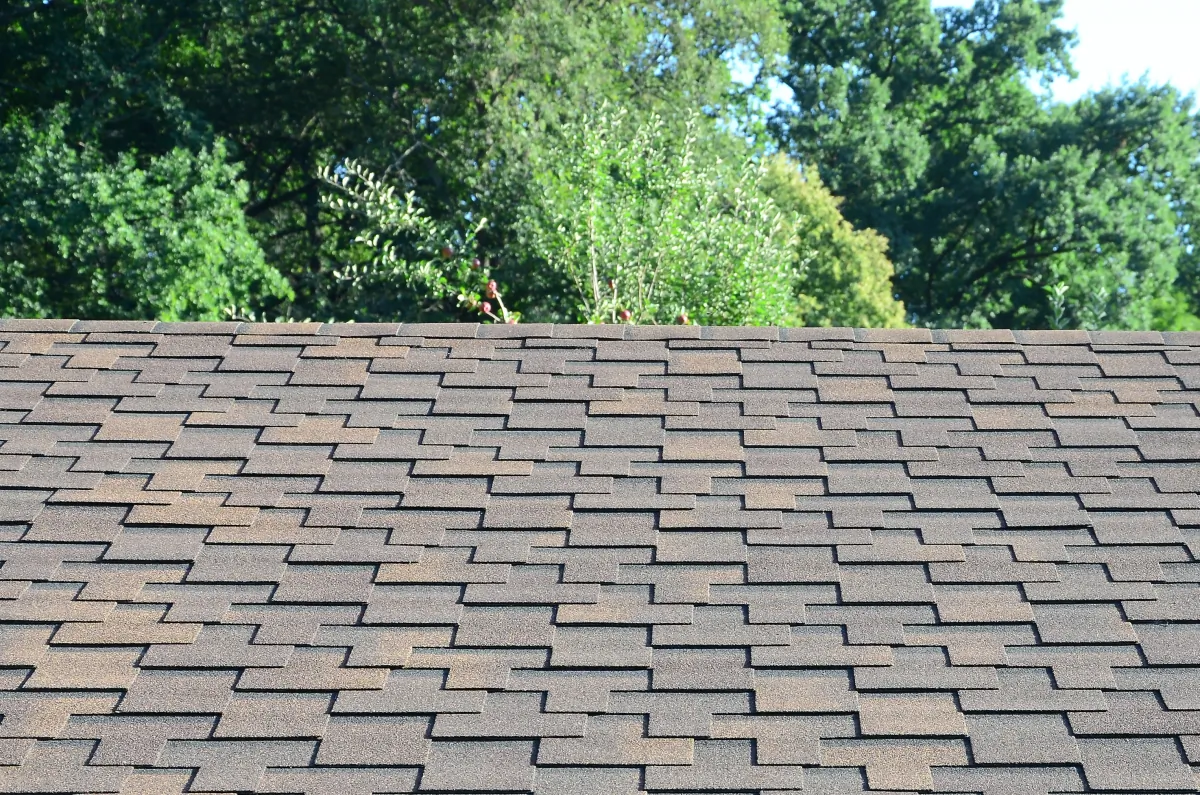
Planning Checklist (Scope, Materials, Budget) For Roofing Vs DIY Folsom
A clear plan beats guesswork. Overall, For many roofing vs diy folsom projects, the planning phase is where you win or lose time.
Define What 'Done' Means
- Is the goal a short-term repair, or do you need a full replacement?
- Are there signs of moisture damage inside the attic or ceilings?
- Does the job include replacing damaged sheathing, updating drip edges, or improving attic airflow?
- Will you change any roof features (skylights, roof vents, chimneys, solar mounts)?
Map The Tricky Areas
Think of your roof as a set of zones. As a result, Some zones are simple planes; others concentrate water flow or include penetrations that need careful detailing.
- Sketch roof planes, ridges, hips, and valleys in simple terms
- Count penetrations (plumbing stacks, chimneys, skylights) and note visible wear
- Identify access points and safe staging areas for materials and debris
- Call out zones where water concentrates, such as valley lines and low transitions
What To Compare
Material choice affects appearance, weight, noise, and how forgiving the install is. It also changes how much DIY makes sense.
- Architectural asphalt shingles: common for residential roofs, balanced cost and durability, wide style range
- 3-tab shingles: lower profile and often lower cost, but typically less dimensional and less forgiving as they age
- Metal panels: clean lines and long service life potential, but fastening and detailing matter
- Tile or heavy systems: durable look, but weight and structure requirements can limit options
- Low-slope membranes: good for flat or near-flat sections, but seams and transitions demand precision
Ask any contractor to explain why a material fits your roof’s pitch and complexity. Additionally, If an option sounds 'easy,' make sure it still matches the roof geometry and water-flow paths.
Small Roof Sections And Tie-Ins
Porch roofs, bay-window covers, and small additions can look simple, yet tie-ins often create leak points. Also, Treat these as detail-heavy zones, not as weekend projects.
- Plan transitions where a small roof meets a wall or a larger roof plane
- Match materials so water sheds correctly at connection points
- Confirm clear drainage paths so small sections do not trap debris
What To Prioritize
A roof is a functional upgrade, but it also affects curb appeal and buyer confidence. In addition, For return on investment, prioritize a consistent look, clean installation, and complete documentation of what was done and when.
If you want to sanity-check scope and materials before committing, call +1 (916) 234-6696 to talk through options and timing.

Permits And Inspections (General)
US Construction & Remodeling Corp. In addition, works with Folsom homeowners who want a clear plan for roof work: what needs to happen, what can wait, and how city review can affect the calendar for roofing vs diy folsom decisions.
Book a planning call to talk through the timeline, likely permit steps, and the smartest split between DIY tasks and contractor work.
When Permits Tend To Come Up
Permit requirements vary by scope. For example, In many jurisdictions, a full replacement, changes to structural elements, or significant alterations to roof features can trigger permits and inspections. As a result, When in doubt, confirm requirements before work starts so you avoid rework later.
Folsom-Specific Note
In Folsom, permitting and plan review commonly run through the city’s ePermit Center (eTRAKiT). As a result, Homeowners and contractors can often track status, payments, and inspection scheduling online, which helps keep projects moving.
Responsibility Checklist
- Clarify who will pull the permit (homeowner vs contractor) and whose name will be on it
- Confirm what inspections are expected and when they must be scheduled
- Make sure the written scope matches the permit scope so nothing is missed
Frequently Asked Questions
Many full roof replacements and some structural changes can require permits and inspections. Requirements depend on scope and address, so confirm early. In Folsom, permitting and inspection scheduling commonly runs through the city’s ePermit Center (eTRAKiT), which can make status tracking easier.
DIY is usually best for maintenance and small, low-risk fixes on safe, accessible areas. Examples include gutter cleaning, ground-level inspections, and minor shingle replacement when the roof pitch and height allow safe work. Anything involving steep slopes, widespread damage, or uncertainty about the water path is better evaluated by a professional.
Timeline depends on roof complexity, material availability, and whether permits are necessary. Many projects include planning and ordering time, a defined on-site work window, and an inspection closeout step. Ask for a schedule that shows decision points so you can plan around weather and household routines.
Price is usually driven by scope and complexity more than any single product choice. The biggest factors typically include:
- Roof size and pitch
- Number of existing layers to remove
- Condition of the roof deck and any repairs needed
- Material type and accessory requirements
- Access, staging, and jobsite protection needs
- Permit and inspection fees when applicable
Architectural asphalt shingles are common because they balance cost, appearance, and ease of repair. Metal can offer a clean look and long service life potential, but fastening and detailing matter. The right choice depends on roof pitch, budget, noise expectations, and how long you plan to stay in the home.
Compare estimates on more than price. Look for a clear written scope, the exact material line items, how deck repairs are handled if found, who handles permits, and a realistic schedule. You should also confirm cleanup expectations and how change orders will be approved.
Ask for proof of licensing and insurance, confirm who will pull permits if required, and request a written schedule and scope before work starts. During the job, ask for progress photos so you can see what’s covered before the final inspection. A good contractor welcomes clear questions and gives direct answers.
Related service
Looking for a step-by-step overview before you choose materials? Read Roofing Remodeling.