Skip links

Roofing vs DIY in San Mateo: Homeowner Guide

A roof protects everything you own, so the DIY decision deserves a clear-eyed look. Many San Mateo homeowners compare roofing vs diy san because they want to save on labor and control the schedule. This guide breaks down the real differences in safety, scope, materials, permits, and day-to-day disruption.

TL;DR: DIY can work for small repairs if you can work safely and keep the roof sealed at the end of every day. Full replacements bring higher risk and often cost more than expected once tools, disposal, and redo work are included.

Quick Checklist:

  • Confirm the scope: small repair or full replacement.
  • Choose materials that match your roof type and budget.
  • Factor in permits and inspections when the scope requires it.
  • Plan a realistic timeline with a buffer for weather.
  • Decide how debris, nails, and cleanup will be handled.
  • Get a written estimate you can compare line by line.

What Changes The Experience The Most For Roofing Vs DIY San

Decision Why it matters Quick check 
Material system Affects lifespan, cost, and appearance. Confirm shingle/tile type, underlayment, and warranty. 
Flashing & penetrations Most leaks start at edges and penetrations. Specify flashing at chimneys, vents, and valleys. 
Ventilation Controls heat/moisture and protects decking. Confirm intake/exhaust balance and vent types. 
Tear-off & decking Hidden damage can change cost and timeline. Include an allowance and photo documentation. 

DIY roofing is not just “buy materials and install them.” The experience changes most in safety, keeping the home watertight each day, and managing tear-off and cleanup. In addition, Those are the areas where homeowners feel stress fast.

These Factors Usually Make The Biggest Difference:

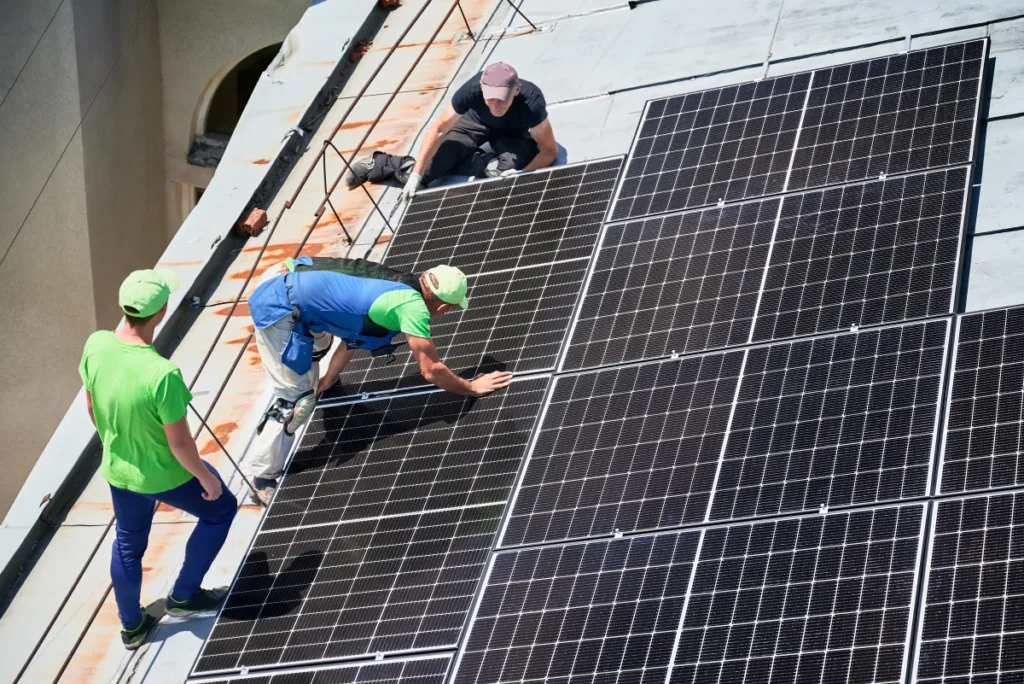
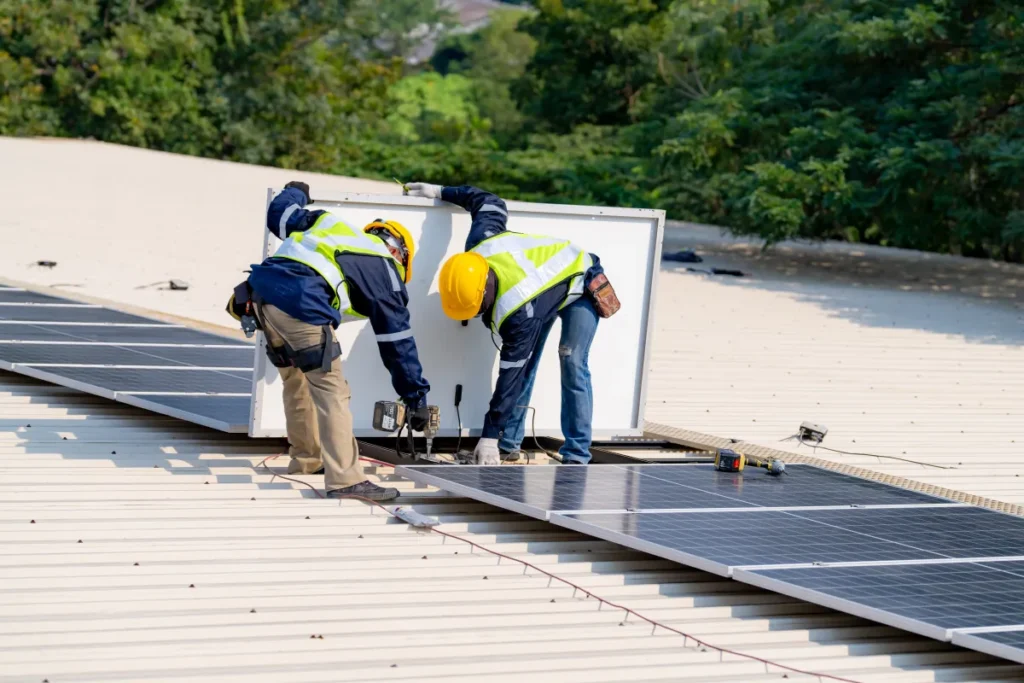
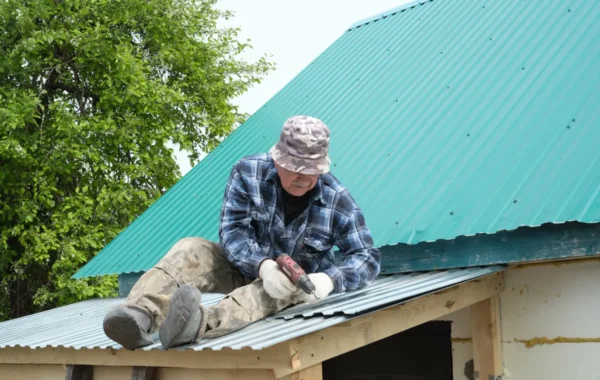
  • Fall risk: A roof is also a sloped work surface. Proper harnessing and anchors matter.
  • Speed: A crew can finish in days. DIY often stretches across weekends.
  • Dry-in plan: Exposed areas must be secured before you stop each day.
  • Hidden repairs: Removal can reveal damaged wood that needs repair.
  • Details: Pipes, skylights, chimneys, and wall tie-ins need careful waterproofing.
  • Disposal: Old roofing is heavy and messy. Also, You need a safe, legal way to haul it.
  • Accountability: With a contractor, one party is responsible for the finished result.
  • Daily life: Noise, debris, and access limits affect the whole household.

DIY Mistakes That Cost The Most

Homeowners researching roofing vs diy san often focus on the material price. As a result, The expensive mistakes usually come from planning and staging.

  • Starting tear-off without enough materials on-site to cover exposed areas the same day.
  • Skipping fall protection or using gear that is not rated for roofing work.
  • Using the wrong product for a low-slope area (a roof with a gentle pitch that sheds water more slowly).
  • Underestimating debris volume and leaving fasteners where tires, kids, or pets find them.
  • Mixing products mid-project because supplies ran short.
  • Not checking whether your scope triggers a permit and inspection requirement.

Where DIY Can Make Sense

DIY is most realistic for limited repairs on an easy-to-access roof. For this reason, Full replacements are different because you expose large areas and manage far more waste.

  • DIY-friendly: Small shingle replacement, minor resealing, or a small patch.
  • Better for a contractor: Full replacement, complex roof lines, tile, or multiple openings and tie-ins.
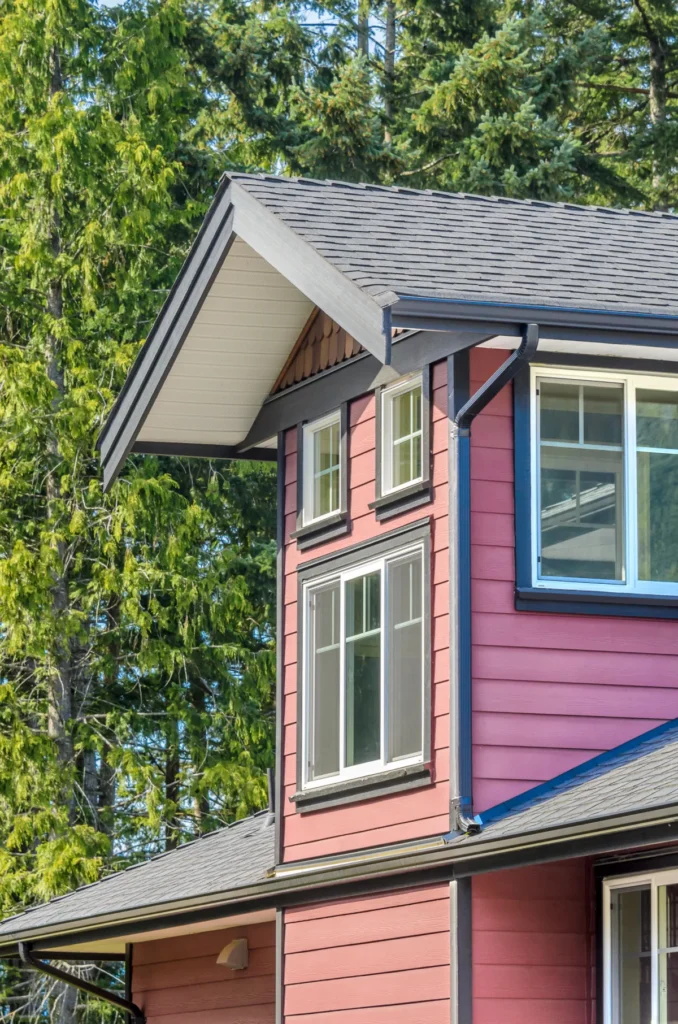
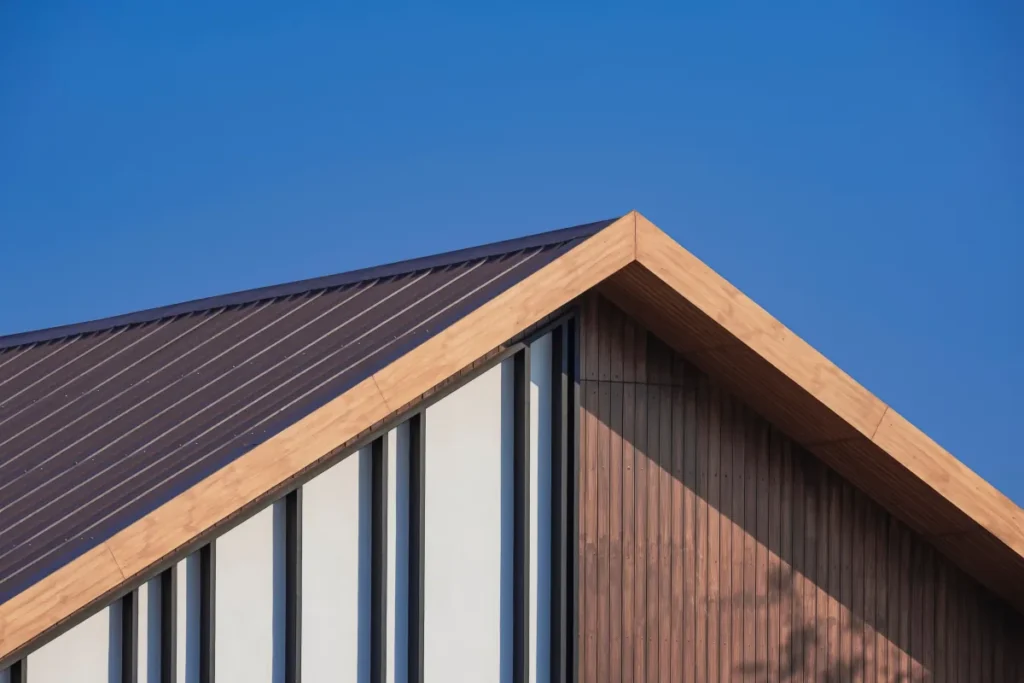
t1 siding roof house nice window

Layout And Function Improvements For Roofing Vs DIY San

The way your roof is shaped affects cost, leak risk, and how the job runs. A replacement is also a chance to fix recurring problem areas created by intersections and openings.

Roof Layout Planning (Simple To Complex)

A quick roof sketch helps you compare bids and avoid surprise add-ons.

  • Simple planes: Fewer intersections typically mean fewer leak-prone transitions.
  • Valleys and tie-ins: More transition points where water concentrates.
  • Low-slope sections: May need a different material than steep areas.
  • Skylights and chimneys: Each opening requires layered waterproofing.
  • Add-ons: Patio covers and additions often create tricky roof-to-wall connections.

Functional Upgrades Worth Bundling

  • Replace aging skylights during the roof work so the waterproofing ties in cleanly.
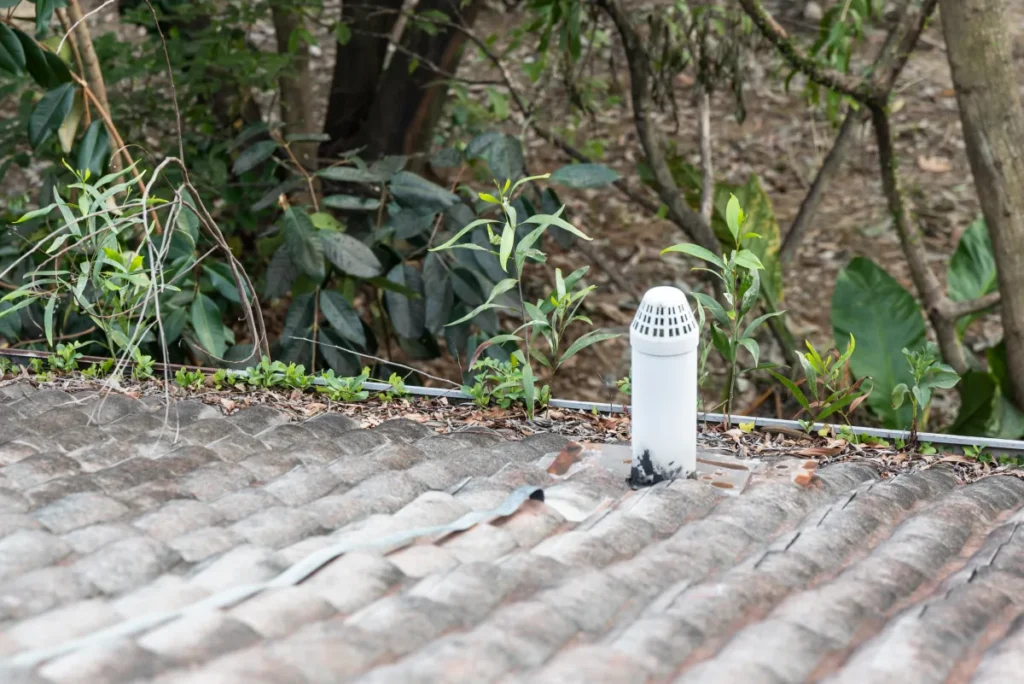
  • Update roof vent components to support attic airflow (ask what fits your roof type).
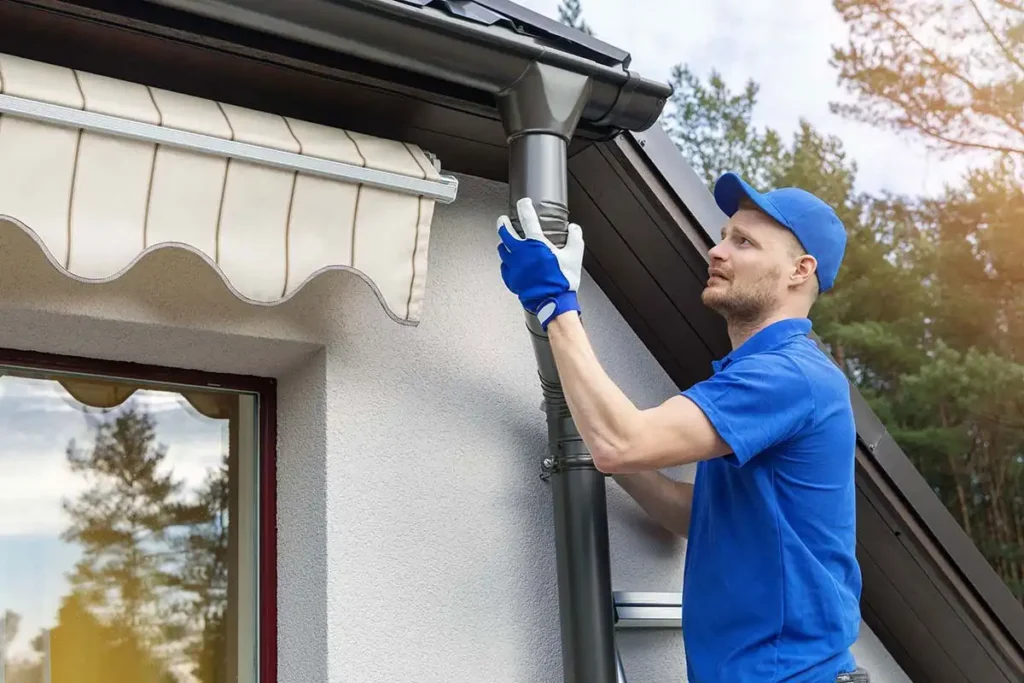
  • Plan gutters and downspouts so water moves away from the foundation.
  • Address damaged edge boards if removal exposes soft or rotted areas.

Storage & Organization (Keep The Job Moving)

Roof work uses your driveway and yard. For example, Organizing access protects your belongings and reduces delays.

  • Clear a path to attic access and cover stored items to keep dust off.
  • Move vehicles so deliveries and debris containers can be staged safely.
  • Choose one area for material drop-off and keep gates accessible.
  • Flag sprinklers, fragile plants, and tight side-yard areas ahead of time.
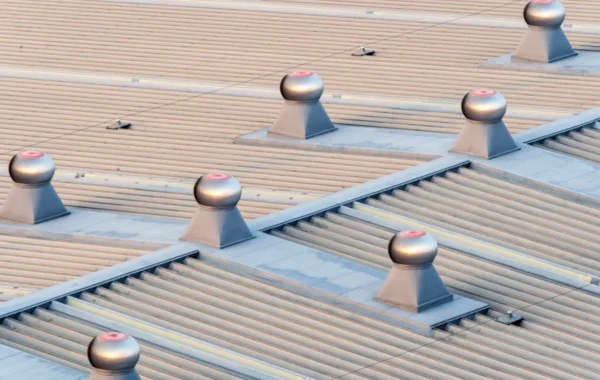
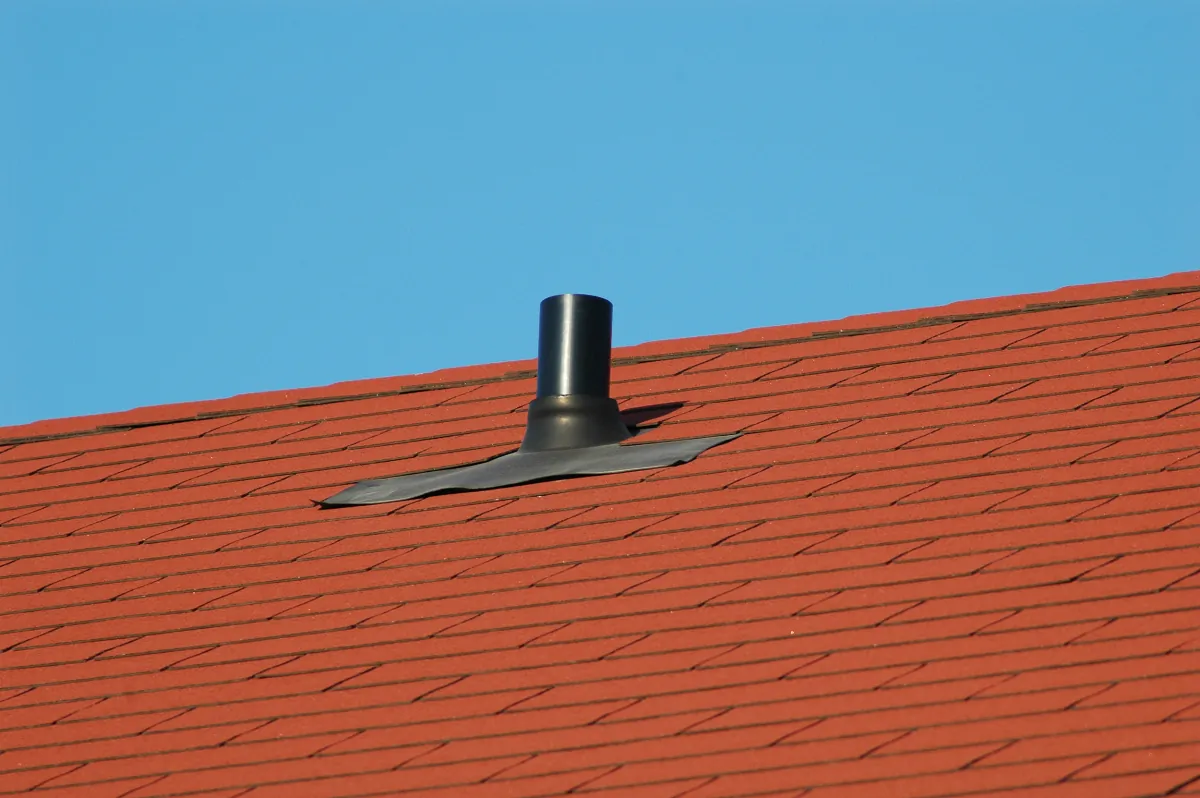
roof exhaust vent chimney on red roof

Materials And Finish Options

US Construction & Remodeling Corp. Meanwhile, helps San Mateo homeowners compare roofing materials and choose an approach that fits the home, the budget, and the upkeep you want long-term.

To get a written estimate, share a few roof photos, any leak history, and what material you have now. Additionally, Request a written estimate or call +1 (916) 234-6696. Meanwhile, We’ll confirm what’s included before anything comes off the roof.

Asphalt Shingles (Composition)

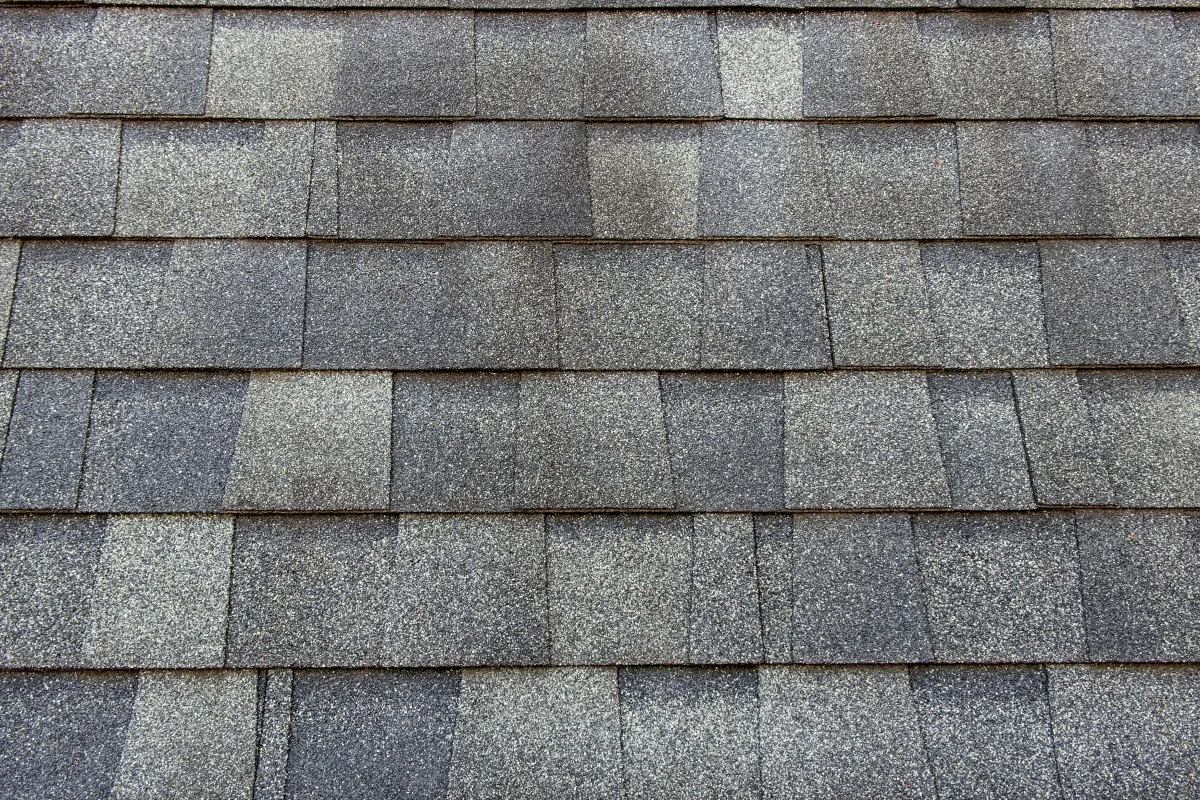
Asphalt shingles are common and cost-effective. They also come in many colors, which helps curb appeal.

  • Best for: Many steep-slope homes and straightforward replacements.
  • Watch for: Product quality differences and proper installation details.

Tile (Concrete Or Clay)

Tile offers a distinctive look and long life. Overall, It is heavy, so the structure may need evaluation before switching.

  • Best for: Homes where the style and weight make sense.
  • Watch for: Higher cost and potential breakage during future service.

Metal Roofing

Metal roofing can be a good fit for durability and a clean look. Additionally, It requires careful detailing at seams and transitions.

Low-Slope Membranes

Some homes have near-flat sections. Overall, A membrane is a continuous sheet system designed for low-slope areas where water drains more slowly.

Finish Choices That Change The Look

  • Color and profile (flat vs dimensional shingles, tile profiles, or standing seam metal).
  • Edge metal color to match or contrast with trim.
  • Gutter style and color to match the new roof.

Trust And Accountability Checks

If you are weighing roofing vs diy san mainly on price, ask for a scope that makes the comparison fair. Also, A low number is not helpful if it leaves out cleanup or repair allowances.

  • Ask for a written scope that lists removal, disposal, and daily site cleanup.
  • Confirm how hidden wood repairs are approved and documented (photos help).
  • Ask who handles permits when required and how inspections are scheduled.
  • Request proof of insurance and an active contractor license in California.
  • Set communication expectations: start date, check-ins, and how changes are priced.

Frequently Asked Questions

Sometimes. Permit needs depend on the exact scope and the property address. If a permit applies, plan for an inspection step as well.

The City of San Mateo offers an Online Permit Center (Customer Self-Service) for permit applications, payments, and case tracking. Ask your contractor who will pull the permit and what inspections are expected for your project.

Once materials are on site, many homes finish in 1–5 working days. Complex roof lines or repairs can extend that.

DIY often stretches across weekends, which can increase exposure if weather changes mid-project.

Most cost differences come from scope and complexity, not just material price. Homeowners researching roofing vs diy san often price only the shingles and miss the rest of the job.

  • Roof size and pitch
  • Layers to remove and disposal
  • Openings, valleys, and intersections
  • Material choice and accessories
  • Hidden wood repairs
  • Access and staging space
  • Permit and inspection steps (when required)

Start with your roof type (steep vs low-slope), the look you want, and how much maintenance you’re willing to handle.

  • Asphalt shingles: Common, many styles, often lower upfront cost.
  • Tile: Distinct look and long life, but heavier and typically more expensive.
  • Metal: Durable and clean-looking, with higher upfront cost on many homes.
  • Membranes: Best for low-slope areas where water drains more slowly.

A written estimate should make the scope easy to compare across bids.

  • Removal and disposal plan
  • Exact material type and product line
  • Protection for landscaping and the home
  • How hidden repairs are priced and approved
  • Expected on-site duration
  • Payment schedule and change-order rules
  • Warranty terms for labor and materials

Verify the basics and get everything in writing.

  • Verify an active contractor license in California and request proof of insurance.
  • Confirm who handles permits (when required) and how inspections are scheduled.
  • Ask who your point of contact is during the job and how updates are delivered.
  • Review the cleanup plan, including nail sweeping and debris haul-away.

Related service

Looking for a step-by-step overview before you choose materials? Read Roofing Remodeling (Landing Page).

Leave a comment

This website uses cookies to improve your web experience.
Explore
Drag