Skip links

Solar Panels Permit Requirements in Arden: Homeowner Checklist

If you're planning solar for your home in Arden, knowing solar panels permit requirements early helps you avoid redesigns, re-submittals, and schedule surprises.

Quick checklist:

  • Verify roof condition first; plan reroof timing before installing panels.
  • Size the system from real kWh usage and shading, not just panel count.
  • Compare inverter options (microinverters vs string + optimizers) and monitoring.
  • Confirm permitting and utility interconnection responsibilities and timeline.
  • Review the contract (warranties, production assumptions, exclusions, roof penetrations).
  • Confirm any electrical panel upgrades and inspection steps.

TL;DR: Most rooftop solar projects require building/electrical permits, at least one final inspection, and utility interconnection paperwork. The smoothest projects lock the layout and electrical approach up front, then submit a complete permit set before any work begins.

  • Verify which permitting office covers your address
  • Check roof condition and remaining life before you design
  • Confirm main panel space and service capacity early
  • Choose equipment locations (inverter, disconnects, battery)
  • Plan conduit routes that keep walls/attics clean and accessible
  • Build schedule slack for plan review and corrections

Want to talk timeline and next steps before you commit? Book a planning call or call +1 (916) 234-6696.

Step-By-Step Plan For Solar Panels Permit Requirements

DecisionWhy it mattersQuick check
Roof conditionInstalling over an aging roof risks rework later.Inspect first and plan reroof timing if needed.
System sizeDetermines cost and energy offset.Size from real kWh usage and shading.
Inverter typeAffects monitoring and shade performance.Compare microinverters vs string + optimizers.
Permits & interconnectionApprovals can drive the schedule.Ask who handles permits/utility and expected timelines.

Permits feel confusing because a “solar install” can touch multiple systems: roof structure, electrical service, and (sometimes) battery storage. For example, When you understand solar panels permit requirements early, you reduce plan-check back-and-forth and keep your installer from waiting on approvals.

  1. Confirm jurisdiction for the address. In addition, Arden-Arcade includes unincorporated areas, so the permitting path can change based on where the property sits.
  2. Do a fast roof and attic screening. For this reason, Identify any roof repairs, reroof timing, or framing concerns before anyone designs around a roof that may need work.
  3. Screen the electrical service. Overall, Count breaker spaces, note the main breaker size, and flag any signs you may need a subpanel or service upgrade.
  4. Lock the concept layout. Additionally, Decide panel placement, inverter location, conduit paths, and any battery location so the drawings match what you actually want installed.
  5. Assemble a complete permit package. Most agencies request a site/roof plan, a single-line diagram, and manufacturer cut sheets; some projects also require structural calculations.
  6. Submit, respond, and schedule. Meanwhile, Turn around plan-check comments quickly and schedule inspections so the job doesn’t stall after install.

Decisions To Make Before Demo

Even if your project doesn’t involve “demo” in the traditional sense, you still make a set of decisions that control permitting, cost, and scheduling. Also, Getting these right up front prevents late changes that can force revised drawings.

  • Roof readiness: keep the existing roof vs. As a result, replace first, and whether any repairs happen before solar gets mounted
  • Mounting approach: roof type and attachment method (the installer will also specify hardware by roof material)
  • Electrical approach: where the interconnection happens and whether a subpanel or service upgrade is likely
  • Equipment locations: inverter(s), disconnects/shutoffs, monitoring gear, and (if used) battery placement
  • Conduit routes: exterior vs. Additionally, attic runs, and where you want penetrations to land
  • Future add-ons: EV charging, HVAC upgrades, or a battery later—so you don’t outgrow the electrical plan

Accessibility And Safety Details To Lock In Early

Solar can add shutoffs, labels, and equipment at the side of the home or in the garage. As a result, Planning for safe access helps everyone, and it matters even more for aging-in-place households.

  • Keep shutoffs reachable and clearly labeled (avoid blocking them with storage)
  • Choose equipment heights that are service-friendly without requiring a ladder
  • Avoid conduit paths that create trip hazards along walkways or tight side yards
  • Plan adequate lighting near electrical equipment so labels stay readable
tesla solar roof integration contemporary homes

Permits, Inspections, And Local Requirements For Solar Panels Permit Requirements

Most solar projects require permits because they add roof attachments and new electrical connections. In addition, batteries and electrical upgrades typically expand the scope and can add extra reviews.

Permit Notes For Arden Addresses

Arden-Arcade is largely unincorporated, so many permits route through Sacramento County’s building permit and electronic plan submittal process (depending on the exact address). Also, Before you pay for engineered drawings, confirm which agency will review the plans and what submittal format they accept.

  • Solar PV permit(s): often a building permit plus an electrical permit for the PV system
  • Structural review: may apply if the roof structure needs verification or reinforcement
  • Electrical service work: panel upgrades, new subpanels, or meter work typically require their own permit and inspections
  • Battery storage: commonly adds placement rules, labeling, and additional electrical inspection steps
  • Roof work: if you replace roofing first, plan that permit and inspection sequence so you don’t remove new solar later

Inspection Checkpoints (Typical)

Exact inspections vary by scope, but most homeowners should plan for at least a final building/electrical inspection after installation. Additionally, If you add a service upgrade or battery, expect additional inspection points.

At-A-Glance Table: Decisions That Drive Review And Cost

DecisionWhat it impactsTypical driver
Roof condition & repairsWhether you need roofing/structural work before rackingExtra trades + added days/weeks
Main panel capacityNeed for subpanel or service upgradeSeparate permit + utility coordination
Equipment locationsConduit routing, clearances, access for inspectorsPlan-check corrections if unclear
Battery storage (yes/no)Additional drawings, labels, and inspectionsMore review steps than PV-only

What Happens Week By Week

Every address and jurisdiction moves at a different pace, but a realistic timeline keeps you from scheduling installation before approvals arrive. For this reason, Build extra time if you expect plan-check comments or an electrical panel upgrade.

  • Week 0–1: site visit, roof/electrical screening, and initial layout
  • Week 1–2: finalize equipment locations and permit drawings, gather spec sheets
  • Week 2–4: plan review and revisions (varies with workload and completeness)
  • Week 4–5: permit issuance, inspection scheduling, and material staging
  • Install week: rooftop work and electrical tie-in (scope-dependent)
  • Post-install: inspections, corrections if needed, and utility interconnection steps

If you want solar panels permit requirements translated into a timeline you can plan around, a short planning call can surface the biggest schedule drivers early—roof readiness, panel capacity, and the review cycle.

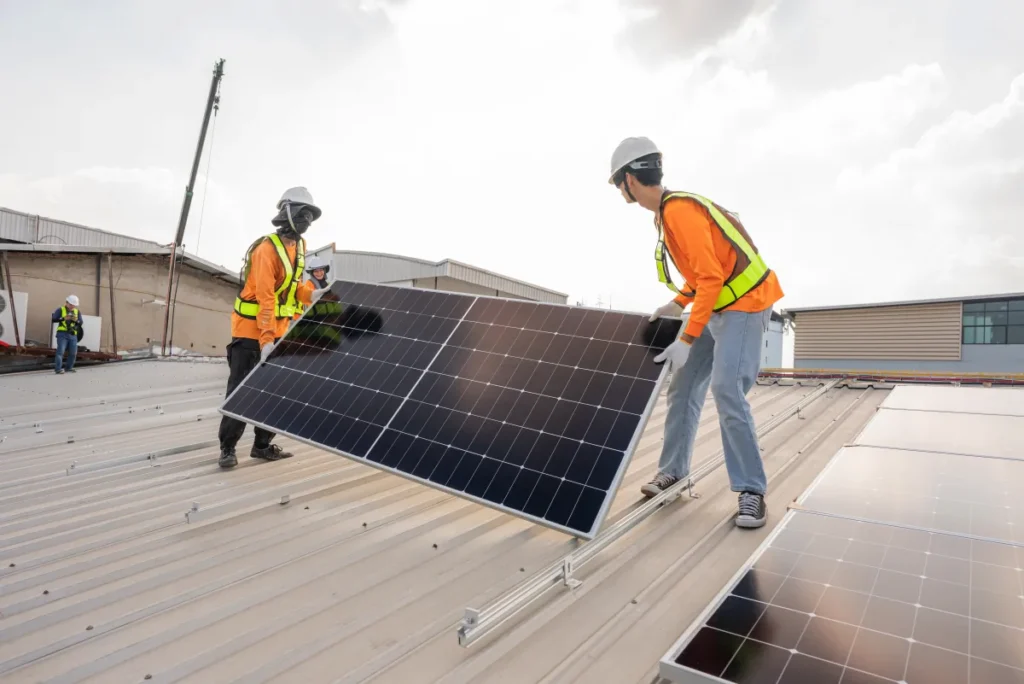
home solar panel installation process certified contractors

Common Pitfalls And How To Avoid Them

Most permit delays come from preventable issues: incomplete drawings, late design changes, or discovering electrical constraints after the plans are already in review. As a result, A few early checks can save weeks.

Common Planning Mistakes (And The Fix)

  • Assuming “no permit needed.” Treat solar like a building/electrical project and verify the permit path for your address before scheduling work.
  • Changing equipment after submittal. Meanwhile, Swapping panels, inverters, or adding a battery midstream often forces revised drawings and another review cycle.
  • Skipping the panel capacity check. Overall, A full or undersized main panel can trigger a separate upgrade scope with its own coordination and inspections.
  • Ignoring roof timing. For example, If the roof needs replacement soon, handle it before solar so you don’t pay twice for removal and re-install.
  • Unplanned conduit routes. Overall, Decide early whether you prefer clean exterior runs or attic routes so the plans match what you expect on the house.

Local Coordination For Arden Homeowners

Because Arden-Arcade includes many unincorporated areas, homeowners often work through Sacramento County for building permits and electronic plan submittals (depending on the address). For this reason, That makes it especially important to confirm jurisdiction up front and to keep your permit set consistent from day one.

US Construction & Remodeling Corp. supports homeowners who need permit-sensitive scopes around solar—roof repairs, framing updates, and electrical upgrades—so the solar installation can move forward without last-minute construction surprises.

To map your schedule and identify the likely decision points, book a planning call or call +1 (916) 234-6696.

Helpful Links

Frequently Asked Questions

In most cases, yes. Rooftop PV changes the roof (attachments/penetrations) and adds new electrical connections, so local agencies commonly require building and electrical permits plus an inspection before final sign-off.

Arden-Arcade includes unincorporated areas, which means the permitting office can depend on your exact address. The safest approach is to confirm the authority having jurisdiction first, then design the system around the rules and submittal requirements for that office.

Many homeowners have the solar contractor handle permit submittals, plan-check responses, and inspection scheduling because the permit package includes technical drawings and equipment documentation.

responsibility should be clear in writing before work starts. Ask:

  • Who submits the plans and answers corrections?
  • Who schedules inspections and meets the inspector onsite?
  • Who handles revisions if equipment or layout changes?

Requirements vary by jurisdiction and project scope, but most solar permit packages include:

  • Site plan and roof layout (panel locations, setbacks if applicable)
  • Single-line electrical diagram
  • Equipment cut sheets (panels, inverter, rapid shutdown equipment, batteries if used)
  • Attachment details and structural notes (sometimes stamped calculations)
  • Labeling/placard notes for shutoffs and service equipment

If you add a main panel upgrade or battery storage, expect additional documentation and inspection steps.

Timelines swing widely based on plan completeness, reviewer workload, and whether the project includes upgrades like a new main panel or battery. Some projects move quickly when the submittal is complete and the design stays consistent; others take longer when the agency requests corrections or additional calculations.

For scheduling, plan around these buckets:

  • Design + permit set preparation
  • Plan review (and possible revision cycle)
  • Permit issuance
  • Inspections after installation
  • Utility interconnection steps

Not always, but it’s common enough to check early. A crowded panel, limited main breaker capacity, or planned future loads (like an EV charger) can push the project toward a subpanel or service upgrade.

Panel work often affects the schedule because it can require its own permit and coordination. If you suspect panel constraints, bring it up before drawings are finalized so the permit set accounts for it.

Yes. Battery storage typically adds more documentation (equipment specs, location details, labeling) and can add inspection checkpoints beyond PV-only projects.

It also forces early decisions that affect the plans, such as:

  • Battery location (garage, exterior wall, or other allowed areas)
  • Clearances for service access and safety
  • How the battery ties into the existing electrical service

Permit and plan-check fees depend on the authority having jurisdiction, the system scope, and whether you add work like a main panel upgrade or battery storage. Because fees change and can be calculated differently from one jurisdiction to another, treat any flat number you see online as a rough reference at best.

A practical way to budget is to separate costs into:

  • PV permitting and inspections
  • Any electrical service/panel permit
  • Any roofing or structural permit work

If you want help spotting likely add-on scopes that affect both fees and schedule, call +1 (916) 234-6696.

Licensed, insured & trusted local contractor

US Construction & Remodeling Corp.
9821 Business Park Dr, Sacramento, CA, 95827
Phone: +1 (916) 234-6696

CSLB License #: 1117562 Fully licensed and insured.

View our Google Business Profile

Leave a comment

This website uses cookies to improve your web experience.
Explore
Drag