Skip links

Solar Panels Timeline in Alameda: Week-by-Week Guide

Planning solar and trying to pin down the solar panels timeline alameda homeowners usually experience? The schedule depends on roof readiness, plan review, inspection timing, and the utility’s Permission to Operate (PTO).

Quick checklist:

  • Verify roof condition first; plan reroof timing before installing panels.
  • Size the system from real kWh usage and shading, not just panel count.
  • Compare inverter options (microinverters vs string + optimizers) and monitoring.
  • Confirm permitting and utility interconnection responsibilities and timeline.
  • Review the contract (warranties, production assumptions, exclusions, roof penetrations).
  • Confirm any electrical panel upgrades and inspection steps.

TL;DR: Many projects land in the several-weeks range from signed agreement to PTO, but permit review and utility approval can shift the calendar. Roof repairs or electrical upgrades add time, so confirm them early. For a quick consult, call Call.

  • Confirm the roof is in good shape (or plan roof work first).
  • Decide system goal: offset today vs plan for EV/HVAC loads.
  • Choose whether you want battery backup.
  • Take clear photos of your main panel and meter area.
  • Gather recent utility bills for accurate sizing.
  • Identify HOA/design constraints and equipment locations.

Step-By-Step Plan For Solar Panels Timeline Alameda

Homeowners usually want two things: a clear install date and no surprises at inspection or PTO. In addition, A reliable schedule starts by treating design and approvals as the critical path; the on-site install itself often takes far less time than the paperwork around it.

To keep your solar panels timeline alameda plan realistic, also map the project into phases and lock the big decisions before permits go in.

  • Site visit and roof/electrical assessment
  • System design, equipment selection, and paperwork
  • City permitting and plan review
  • Installation and any electrical upgrades
  • City inspection and corrections (if any)
  • Utility approval and Permission to Operate (PTO)

Who This Plan Fits Best

This guide is for Alameda homeowners coordinating solar with roof work, electrical changes, a tight move-in date, or an HOA review. It also helps when you are comparing contractors and want to ask better questions before signing.

Decisions To Make Before Demo

Solar doesn’t include demolition in the remodeling sense, but crews will work on your roof and around your electrical equipment. Also, When you decide the items below early, you reduce redesigns, re-submittals, and crew downtime.

  • System goal: offset current usage or plan for future loads like an EV charger.
  • Battery or no battery: backup priorities versus budget.
  • Roof scope: repair, replace, or proceed as-is (and how that affects warranties).
  • Main panel readiness: breaker space, service size, and any upgrade triggers.
  • Equipment locations: where inverter/battery goes and how conduit will route.
  • Aesthetics: visible conduit, front-facing roof planes, and clearance needs.

Decision Matrix (Fast Reference)

DecisionWhy it mattersTimeline impactCost impact
Roof repair vs. replaceRework risk and long-term waterproofingMedium–HighMedium–High
Electrical panel upgradeInspection readiness and safety complianceMediumMedium
Add a batteryMore wiring, equipment, and design detailsLow–MediumHigh
Equipment placementConduit length, wall penetrations, clearancesLow–MediumLow–Medium
Complex roof layoutMounting labor and layout constraintsLow–MediumLow–Medium

Questions To Ask Your Solar Contractor (Bring This List)

  • Will you verify roof condition and main-panel capacity before finalizing the design?
  • Who pulls permits and coordinates Alameda inspections—your team, a subcontractor, or the homeowner?
  • What assumptions are you making about my electrical service, and what would trigger a change order?
  • How will you route conduit and place equipment so it stays protected and looks clean?
  • What support do you provide through inspection sign-off and PTO approval?
  • What warranties apply to labor, roof penetrations, and equipment?
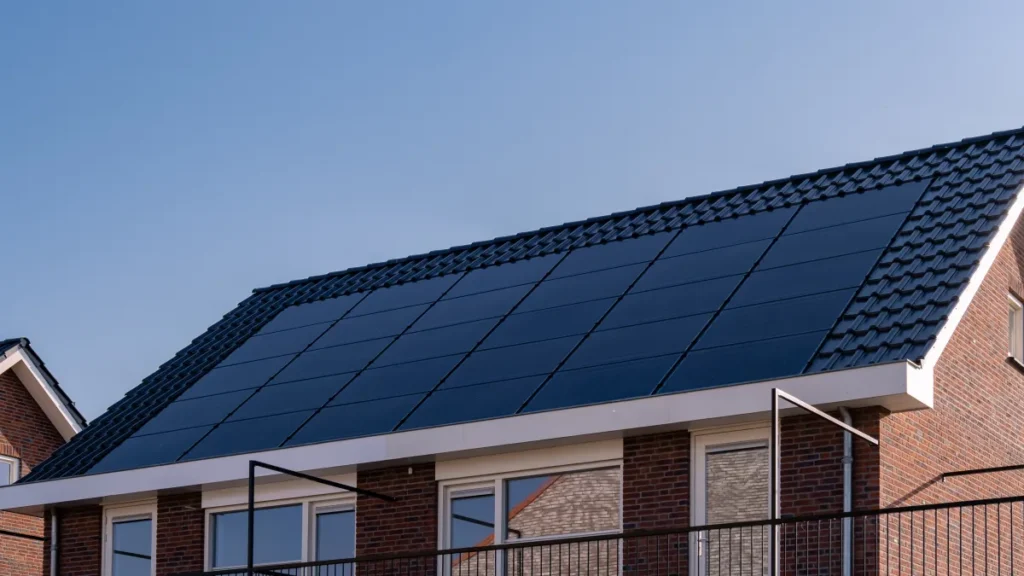
energy efficient upgrade expertise newly build houses with solar panels attached on

Permits, Inspections, And Local Requirements For Solar Panels Timeline Alameda

In Alameda, most residential solar projects require permits and an inspection before you can request Permission to Operate. Additionally, The City of Alameda typically manages permit activity through an online portal (Accela), so the completeness of your submittal can directly affect review time.

for often hinges on permit review and PTO, not the install day.

What Plan Reviewers Commonly Look For

  • Roof mounting and waterproofing approach
  • Electrical single-line diagram, disconnects, and labeling
  • Equipment specifications (panels, inverter, battery if included)
  • Equipment locations, access, and clearances

Permit scope varies by address and system design. As a result, Still, you can avoid delays by confirming roof conditions, documenting the electrical configuration, and keeping equipment choices stable until after approval.

PTO Is A Separate Milestone

Even when installation moves fast, PTO can take longer than the on-site work. Overall, Plan for a handoff period after inspection while the utility completes final review or metering steps.

Paperwork And Prep That Keep Things Moving

  • Photos of the main electrical panel, meter, and a clear shot of the roof planes
  • Notes on access (locked gates, attic entry, pets, parking limits)
  • Recent utility bills and any upcoming load changes (EV, HVAC, addition)
  • HOA/design rules if your property has them

What Happens Week By Week

A week-by-week view makes it easier to coordinate roof work, time off, and inspection scheduling. Meanwhile, This outline is the quickest way to estimate your solar panels timeline alameda schedule before you choose an installer.

  1. Week 0–1: Site visit and scope lock. For example, Confirm roof condition, verify panel capacity, and decide on equipment locations.
  2. Week 1–2: Design and paperwork. For this reason, Finalize the layout and prepare city and utility forms.
  3. Weeks 2–6: City review. Overall, Submit for plan review and respond quickly to any comments.
  4. Week 6–7: Installation days. Additionally, Mount panels, run conduit, complete wiring, and label equipment.
  5. Week 7–8: Inspection. Also, Schedule the city inspection and handle corrections if needed.
  6. Weeks 8–12: PTO. As a result, Complete the remaining utility steps and turn the system on once you receive approval.

A Hypothetical Example Schedule

Example (hypothetical): You sign in early April, complete a site visit that week, receive permit approval in mid-May, install in late May, pass inspection in early June, and receive PTO later in June. Meanwhile, If the roof needs work or plan review requests revisions, the schedule stretches.

Maintenance Tips Once Your System Is Running

  • Do a quick monthly production check so you spot issues early.
  • After storms, look from the ground for loose conduit or lifted flashing.
  • If you clean panels, use soft water and non-abrasive tools; avoid harsh chemicals.
  • Trim vegetation that may grow into the array footprint over time.
  • Keep permits, inspection sign-off, and manuals together for warranty support.

If you want a realistic schedule for your roof and electrical setup, call Call and we’ll walk through the timeline factors in plain language.

energy efficient upgrade expertise public school building with solar panels as sun

Common Pitfalls And How To Avoid Them

Most timeline problems come from avoidable surprises: roof issues discovered late, electrical constraints that require redesign, or paperwork submitted with missing details. Overall, A few upfront checks can keep your calendar intact and reduce last-minute changes.

Mistakes That Add Weeks (And How To Prevent Them)

  • Skipping the roof check. As a result, Handle roof repairs or replacement before solar so you don’t pay to remove and reinstall panels later.
  • Assuming the main panel is ready. In addition, Confirm breaker space and service capacity early, especially if you plan to add an EV charger or other loads.
  • Changing equipment after submittal. Meanwhile, Swapping panels or adding a battery late often forces plan revisions and re-review.
  • Unclear equipment placement. For this reason, Decide where equipment will go and how conduit will route so the crew doesn’t redesign onsite.
  • Waiting to schedule inspection. For example, Ask your contractor how they secure inspection dates as soon as the job is ready.

Local Planning Note For Alameda

Because Alameda uses an online permit portal for many projects, a complete submittal package matters. When plan review comes back with comments, quick responses help you avoid getting pushed to the back of the queue.

Talk With A Remodeling Team That Handles Coordination

US Construction & Remodeling Corp. helps homeowners plan around approvals, inspections, and jobsite access. If you want a firm start date for your solar panels timeline alameda schedule, call Call for a straightforward consult and a clear estimate based on your home’s layout.

Helpful Links

Licensed, insured & trusted local contractor

US Construction & Remodeling Corp.
4424 Freeport Blvd, Sacramento, CA, 95822
Phone: +1 (916) 234-6696

CSLB License #: 1117562 Fully licensed and insured.

View our Google Business Profile

Leave a comment

This website uses cookies to improve your web experience.
Explore
Drag