Skip links

Solar Panels Permit Requirements In Fair Oaks

Planning a home solar project in Fair Oaks can feel straightforward—until you hit solar panels permit requirements, plan submittals, and inspection scheduling. Use this page to map your decisions and paperwork early, so the install day doesn’t turn into a stop-and-go project.

Quick checklist:

  • Verify roof condition first; plan reroof timing before installing panels.
  • Size the system from real kWh usage and shading, not just panel count.
  • Compare inverter options (microinverters vs string + optimizers) and monitoring.
  • Confirm permitting and utility interconnection responsibilities and timeline.
  • Review the contract (warranties, production assumptions, exclusions, roof penetrations).
  • Confirm any electrical panel upgrades and inspection steps.

TL;DR: Most residential solar installs require permits and at least one inspection before the system can be turned on. Your schedule usually depends more on design choices and plan review than on the installation itself. For a timeline built around your roof, panel, and access, book a planning call.

  • Confirm your jurisdiction and submission path (many Fair Oaks addresses run through Sacramento County).
  • Lock the array layout and equipment locations (panels, inverter, disconnects).
  • Check roof condition and note any repairs before design is finalized.
  • Gather the plan set basics: site/roof plan, one-line diagram, spec sheets, and labeling notes.
  • Plan access for installers and inspectors (attic/garage access, gates, pets).
  • Leave calendar room for plan review, installation, inspection, and utility permission to operate.

Want to talk timeline first? Call +1 (916) 234-6696 or schedule a free estimate.

Step-By-Step Timeline + Checklist For Solar Panels Permit Requirements

DecisionWhy it mattersQuick check
Roof conditionInstalling over an aging roof risks rework later.Inspect first and plan reroof timing if needed.
System sizeDetermines cost and energy offset.Size from real kWh usage and shading.
Inverter typeAffects monitoring and shade performance.Compare microinverters vs string + optimizers.
Permits & interconnectionApprovals can drive the schedule.Ask who handles permits/utility and expected timelines.

Permits and inspections protect your home and your roof, and they’re also what unlock a clean final sign-off. For example, This timeline-first checklist keeps solar panels permit requirements from becoming the longest part of your project.

What The Permit Reviewer Usually Cares About

  • Safety: proper electrical routing, also shutoff/labeling, and equipment placement.
  • Structure: how the array attaches to the roof and whether the roof system can support the added load.
  • Clarity: complete plans and spec sheets that match what will actually be installed.

Good Fit For This Checklist

  • You’re a homeowner planning rooftop solar on an existing house in Fair Oaks.
  • You want to avoid redesigns after submittal, last-minute roof repairs, or repeat inspections.
  • You prefer a realistic schedule with clear responsibilities for documents and site access.

Pre-Work Checklist (Design, Materials, Access)

Decisions made before the first form gets submitted have the biggest impact on review time and change orders. Additionally, Even if you’re still comparing system sizes, you can lock the “permit-ready” details now.

Design Decisions To Lock In

  • Proposed panel locations (roof planes), clearances, and conduit path.
  • Inverter location and how you’ll route wiring to the main electrical panel.
  • Whether the project includes roof work or an electrical panel upgrade (these can add separate scopes).
  • Where equipment will be accessible for service and shutoff.

Documents And Materials You’ll Typically Provide

  • Roof photos and basic measurements (plus attic access notes if available).
  • Equipment cut sheets for panels and inverter.
  • A single-line electrical diagram and labeling plan.
  • Site plan / roof layout showing equipment placement.

Questions To Ask Your Contractor Before You Sign

  • Who prepares and submits the permit package, and who responds to plan-check comments?
  • What’s included in the plan set (roof layout, one-line diagram, spec sheets, labeling notes)?
  • Will you verify roof condition first, or are roof repairs discovered mid-install?
  • If the main panel needs work, will that be quoted and permitted as part of the project?
  • How will inspection scheduling work, and what access do you need from me?
  • What change triggers a re-submittal (layout change, equipment swap, conduit routing change)?

Common Mistakes That Cause Avoidable Delays

  • Submitting plans before confirming roof condition (repairs later can force redesigns).
  • Changing equipment after submittal without updating spec sheets and diagrams.
  • Skipping clear access planning (locked gates, blocked attic hatch, pets on inspection day).
  • Unclear conduit routing or equipment placement that conflicts with usable space.
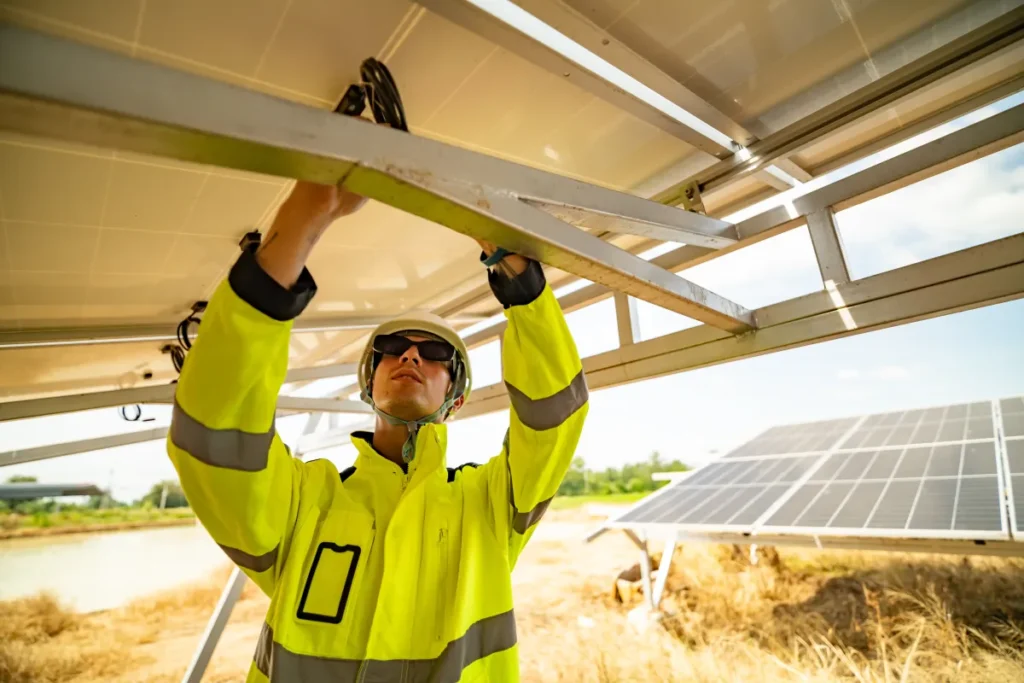
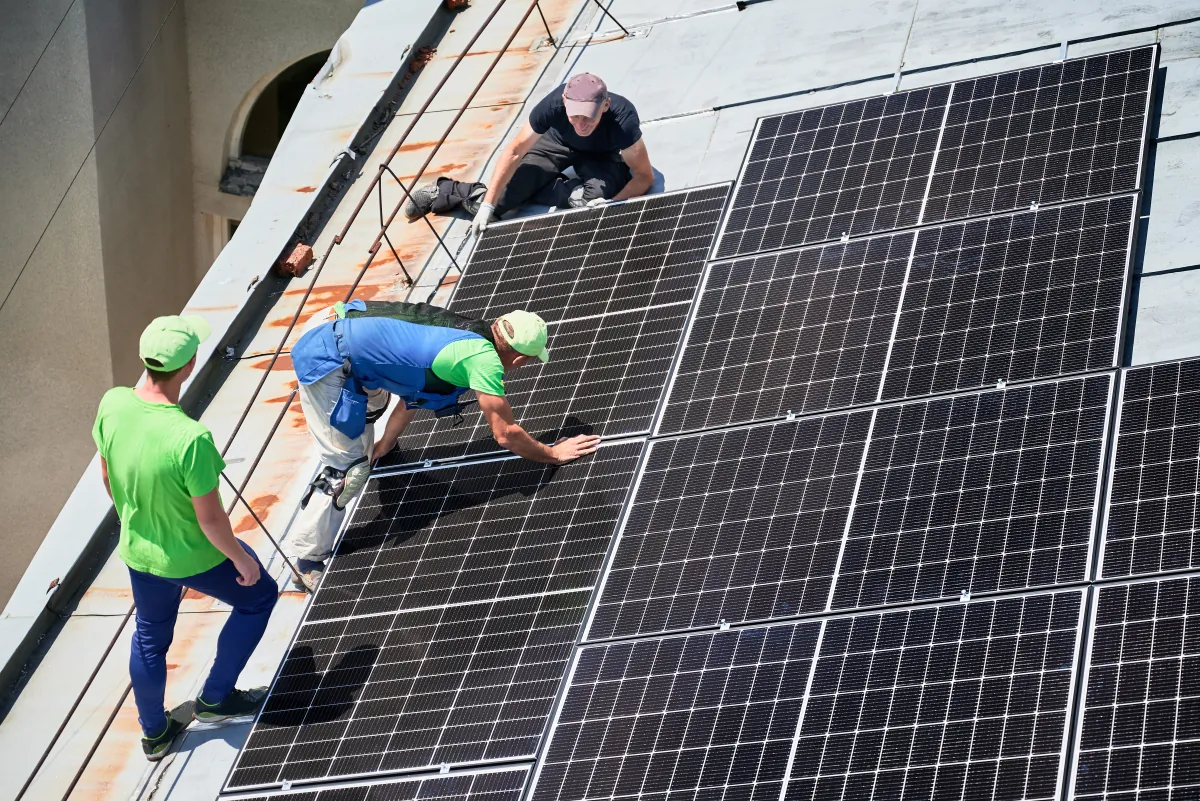
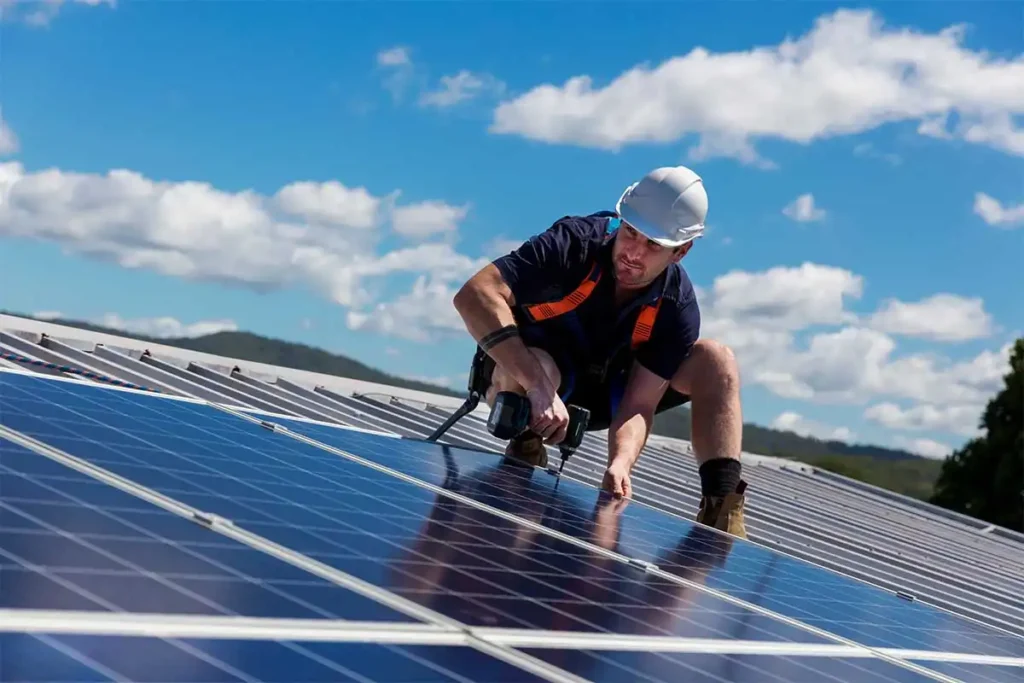
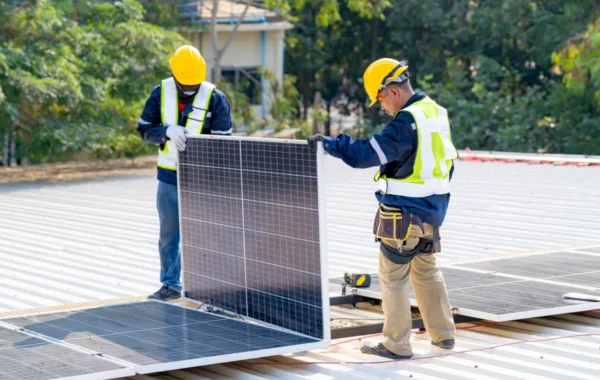
solar panel technicians installing photovoltaic solar panels

Build Phase Checklist (Daily/Weekly) For Solar Panels Permit Requirements

Once the permit is in hand, the install itself can move quickly. As a result, Still, small coordination issues—access, staging, and roof protection—can create rework, so it helps to use a simple daily/weekly checklist.

Daily Checklist (During Active Install)

  • Confirm access: driveway, gates, attic/garage, and the electrical panel area.
  • Walk the roof penetration plan with the installer (where mounts, conduit, and flashing will land).
  • Keep pets and kids away from ladders, cords, and staging areas.
  • Ask for a quick end-of-day status: what’s completed and what’s still open.

Weekly Checklist (For Multi-Day Jobs)

  • Verify equipment placement still matches the approved plans.
  • Check that any roof work is weather-tight before the crew leaves.
  • Confirm inspection scheduling window so you’re not scrambling for access.

Typical Timeline (What Happens When)

Timelines vary by scope and by agency workload; however, most homeowners can expect a flow like this:

  • Design + site review: ~3–10 days to confirm layout, roof condition, and electrical approach.
  • Permit package prep: ~2–7 days to finalize plans and spec sheets.
  • Plan review: often ~1–4+ weeks depending on comments and resubmittals.
  • Installation: commonly 1–3 days for many residential systems.
  • Inspection(s): often 3–14 days to schedule and pass, depending on availability and corrections.
  • Utility permission to operate: timing varies after final approval and required paperwork.
Early decisionWhat it can changeWhat to confirm up front
Roof conditionScope and scheduleRepairs or replacement before install
Main electrical panel capacityExtra permits and laborWhether an upgrade is necessary
Equipment placementInspection readinessClearances, access, and routing
Array layoutPlan review commentsRoof planes, shading, and conduit path

Inspections And Sign-Offs

Inspection day is where many projects lose time. Also, When solar panels permit requirements are met on paper and in the field, inspections tend to go smoother.

Inspection Readiness Notes

  • Provide clear access to the electrical panel, inverter, disconnects, and any attic/garage areas the inspector needs.
  • Make sure labeling is installed and readable where required.
  • Confirm the installed layout matches the permit set (including conduit routing and equipment locations).

Coordination Tip

If you want a schedule that accounts for plan review, install days, and inspection availability, set up a planning call. For this reason, We’ll map the timeline with you and flag decisions that can add days or weeks.

Request a free estimate or call +1 (916) 234-6696.

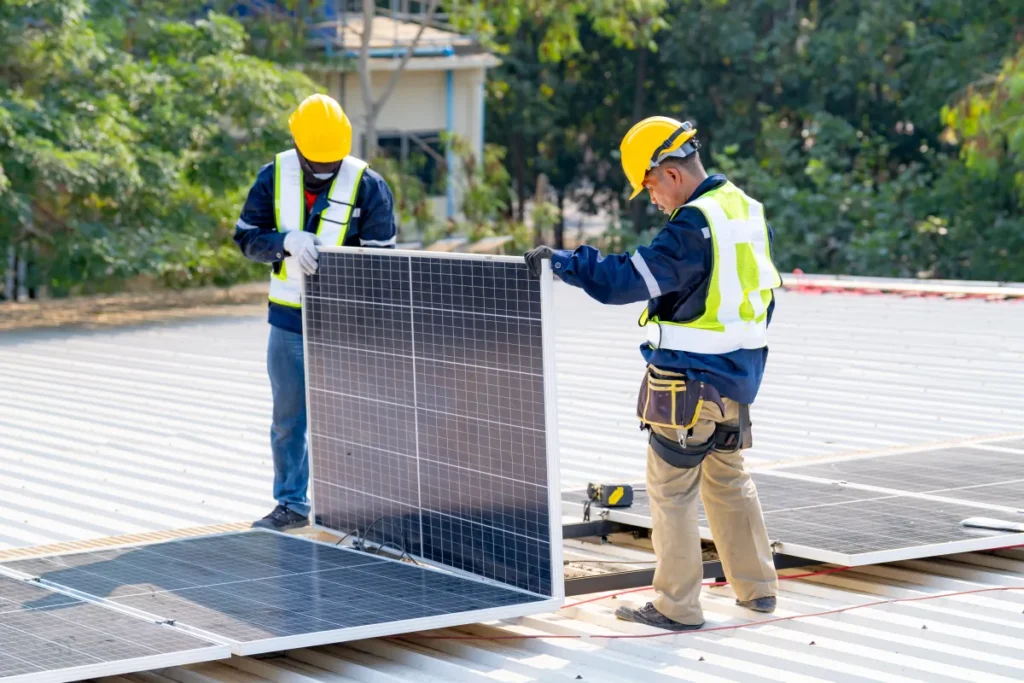
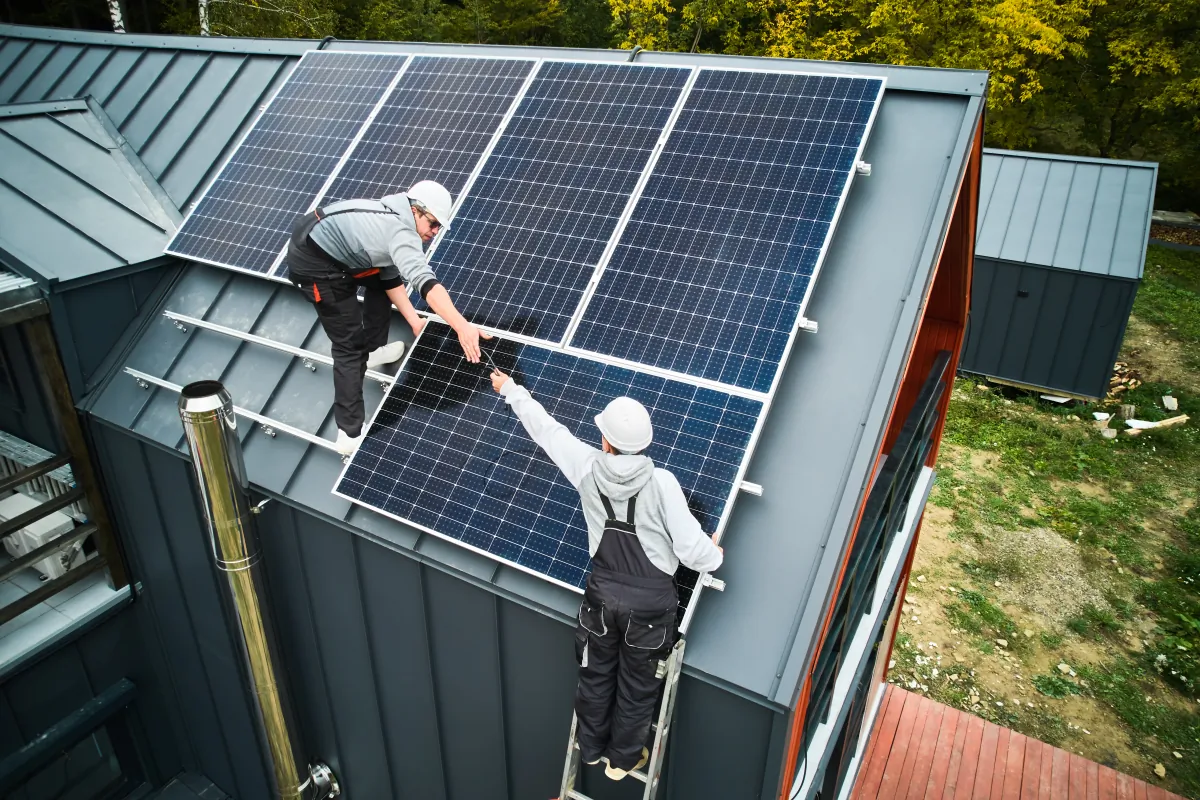
solar panel workers building solar panel system on roof of hou

Final Walkthrough Checklist

Before you sign off and the crew demobilizes, take 10 minutes to walk the system like you will live with it for the long haul. Meanwhile, A clean handoff means fewer service calls later and fewer questions if you ever sell the home.

Walkthrough Items To Verify

  • Panel count and roof layout match what was approved.
  • Roof penetrations are sealed and flashing is secure.
  • Conduit runs look intentional (no sharp bends, no loose straps, no tripping hazards).
  • Labels and shutoff instructions are present and readable.
  • You can access the inverter/disconnect area without moving stored items.
  • Monitoring is set up, and you know how to confirm the system is producing.

Documents To Keep In One Folder

  • Approved permit plans, inspection sign-offs, and any corrected “as-built” notes.
  • Equipment spec sheets and warranty documents.
  • Manufacturer maintenance guidance (cleaning and shutdown steps).

Fair Oaks Permitting Note

Fair Oaks is largely unincorporated, so many solar permits and inspections are handled through Sacramento County’s electronic plan submittal and inspection process (depending on the exact address). Overall, Because jurisdiction can change by parcel, confirm where your application should be filed before the design is finalized.

Maintenance Tips After The System Goes Live

Solar is low-maintenance, but it’s not “set and forget.” A few simple habits protect performance and keep the roof watertight.

  • Check monitoring weekly for the first month, then monthly for unusual drops.
  • Clean panels only when needed; follow manufacturer guidance and avoid abrasive tools.
  • After major storms, do a ground-level visual check for shifted panels or loose conduit.
  • Keep tree growth trimmed so shading doesn’t creep up over time.
  • If you plan roof work later, coordinate with a contractor before anyone removes panels.

US Construction & Remodeling Corp. In addition, helps Fair Oaks homeowners plan and build permit-ready solar projects with a timeline you can actually manage. For example, If solar panels permit requirements are your main concern, we’ll review the paperwork path before you commit to equipment. In addition, Call +1 (916) 234-6696 or book online.

Schedule your free estimate.

Helpful Links

Frequently Asked Questions

In most cases, yes. A typical rooftop solar job requires a building and/or electrical permit, and the system needs at least one inspection before it can be approved for use.

Your scope can add review steps. For example, roof repairs, main electrical panel upgrades, or structural changes often require additional documentation and may trigger extra inspections.

  • Ask your contractor to show you the permit set before submittal (layout, one-line diagram, spec sheets).
  • Confirm who schedules inspections and what areas must be accessible on inspection day.

Fair Oaks is largely unincorporated, so many projects route through Sacramento County’s building permit process, including electronic plan submittals and inspection coordination. That said, jurisdiction can vary by exact address and scope.

Before you finalize equipment, confirm where your application should be filed and whether any additional approvals apply (for example, HOA requirements where applicable).

  • Verify the project address and jurisdiction early.
  • Use the same address on all plans, forms, and utility paperwork to avoid mismatches.

A complete permit package makes plan review easier and reduces back-and-forth. Most residential submittals include a mix of drawings plus manufacturer documentation.

  • Site plan and roof layout showing panel placement and equipment locations
  • Single-line electrical diagram (how everything connects)
  • Equipment cut sheets (panels, inverter, mounting hardware)
  • Attachment and waterproofing details for roof penetrations
  • Labeling and shutoff notes, as required by the reviewer/inspector

If anything changes after submittal—layout, equipment model, conduit path—update the drawings so the field install matches the approved set.

The install days are often the shortest part. In many cases, the schedule is driven by design decisions, plan review comments, and inspection availability.

  • Design + site review: several days to a couple of weeks
  • Plan prep + submittal: a few days to a week
  • Plan review: roughly weeks (longer if revisions are necessary)
  • Installation: often a day or a few days for residential work
  • Inspection(s) + approval: typically days to a couple of weeks

Because workloads change, the safest move is to build a timeline with buffer and keep access clear for the inspector when the window opens.

Permit and plan check fees vary by jurisdiction, project scope, and sometimes by system details. The biggest cost swings usually come from added scope—like an electrical panel upgrade or roof work—not from the permit paperwork alone.

To keep it clear, ask for an itemized estimate that separates:

  • Permit/plan check fees (paid to the agency)
  • Any required engineering documentation
  • Electrical panel work (if needed)
  • Roof repairs (if needed)

This way you can compare bids accurately without guessing what’s included.

It can. If your main electrical panel needs an upgrade to safely support the new solar system, that work may require its own permit scope and inspection, and it can affect the overall timeline.

To avoid surprises, confirm early whether the existing panel has enough capacity and space for the required breakers and labeling. If an upgrade is necessary, get it quoted and scheduled as part of the plan rather than discovering it mid-install.

  • Ask for photos of your existing panel to be reviewed during design.
  • Make sure the final drawings match the actual panel configuration.

Use a short handoff checklist. You’re not just buying panels—you’re buying a system that should be safe, inspectable, and easy to service.

  • Installed layout matches the approved permit plans
  • Roof penetrations are sealed and flashing looks secure
  • Labels and shutoff instructions are present and readable
  • Monitoring is set up and you know how to check production
  • You received the permit/inspection sign-off documentation

If utility approval (often called “permission to operate”) is still pending, clarify what paperwork is left and who is responsible for submitting it.

Licensed, insured & trusted local contractor

US Construction & Remodeling Corp.
9821 Business Park Dr, Sacramento, CA, 95827
Phone: +1 (916) 234-6696

CSLB License #: 1117562 Fully licensed and insured.

View our Google Business Profile

Leave a comment

This website uses cookies to improve your web experience.
Explore
Drag