Skip links

Solar Panels Timeline In Fair Oaks

Solar feels straightforward until schedules collide with roof work, plan review, and inspection windows. This guide lays out the solar panels timeline fair Oaks homeowners can use to plan from the first sizing decision to the day the system is turned on.

Quick checklist:

  • Verify roof condition first; plan reroof timing before installing panels.
  • Size the system from real kWh usage and shading, not just panel count.
  • Compare inverter options (microinverters vs string + optimizers) and monitoring.
  • Confirm permitting and utility interconnection responsibilities and timeline.
  • Review the contract (warranties, production assumptions, exclusions, roof penetrations).
  • Confirm any electrical panel upgrades and inspection steps.

Want a timeline that matches your roof, electrical panel, and goals? Schedule a free estimate online at https://usconstructioncali.com/free-estimate/. If you’d rather talk it through, call +1 (916) 234-6696.

TL;DR: Most residential solar installs move quickly once plans and permits are approved; the waiting usually happens before and after the physical installation. Your best leverage is early decisions (roof condition, panel location, equipment placement) and clean paperwork so inspections can be scheduled without rework.

  • Confirm your roof has enough remaining life for the system’s lifespan
  • Gather 12 months of electric bills (or usage data) for accurate sizing
  • Decide if you want battery backup now or “battery-ready” later
  • Plan equipment locations (inverter, shutoffs) with access and ventilation in mind
  • Ask who pulls permits and who schedules inspections
  • Keep a small buffer for plan review and utility activation timing

Step-By-Step Plan For Solar Panels Timeline Fair

DecisionWhy it mattersQuick check
Roof conditionInstalling over an aging roof risks rework later.Inspect first and plan reroof timing if needed.
System sizeDetermines cost and energy offset.Size from real kWh usage and shading.
Inverter typeAffects monitoring and shade performance.Compare microinverters vs string + optimizers.
Permits & interconnectionApprovals can drive the schedule.Ask who handles permits/utility and expected timelines.

Most homeowners aren’t looking for a perfect prediction—they want a plan they can coordinate with work schedules, travel, and other home projects. Meanwhile, The reality is simple: installation is fast, while approvals and scheduling move at the pace of plan review and inspections.

When you want a solar panels timeline fair Oaks plan that stays sane, also separate the project into phases: (1) design and engineering, (2) permits and pre-work, (3) installation and inspection, and (4) utility approval to energize.

Who This Guide Helps Most

  • Homeowners deciding whether their roof is “ready” or needs repairs first
  • Families coordinating solar with an electrical panel upgrade or other electrical work
  • Anyone considering a battery now, but unsure what it does to timeline and equipment placement
  • Owners who want a week-by-week view instead of vague “it depends” answers

What You Gain By Planning The Timeline

  • Fewer surprise scope changes because decisions happen up front
  • Cleaner inspection days because access, labels, and clearances are planned
  • Less friction with scheduling because you know when you’ll need to be home
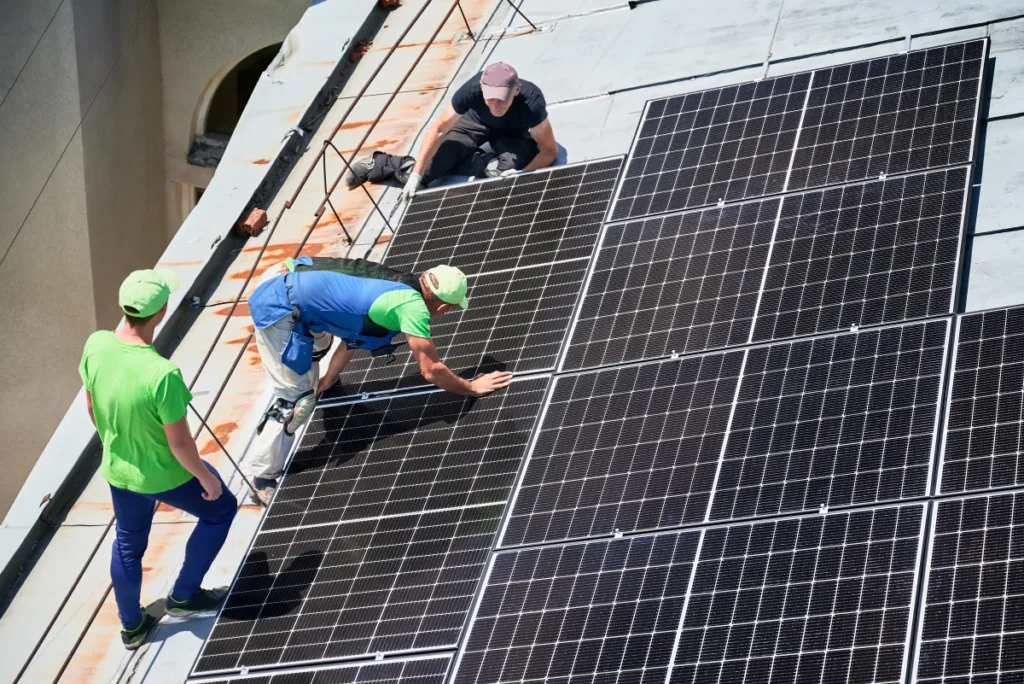
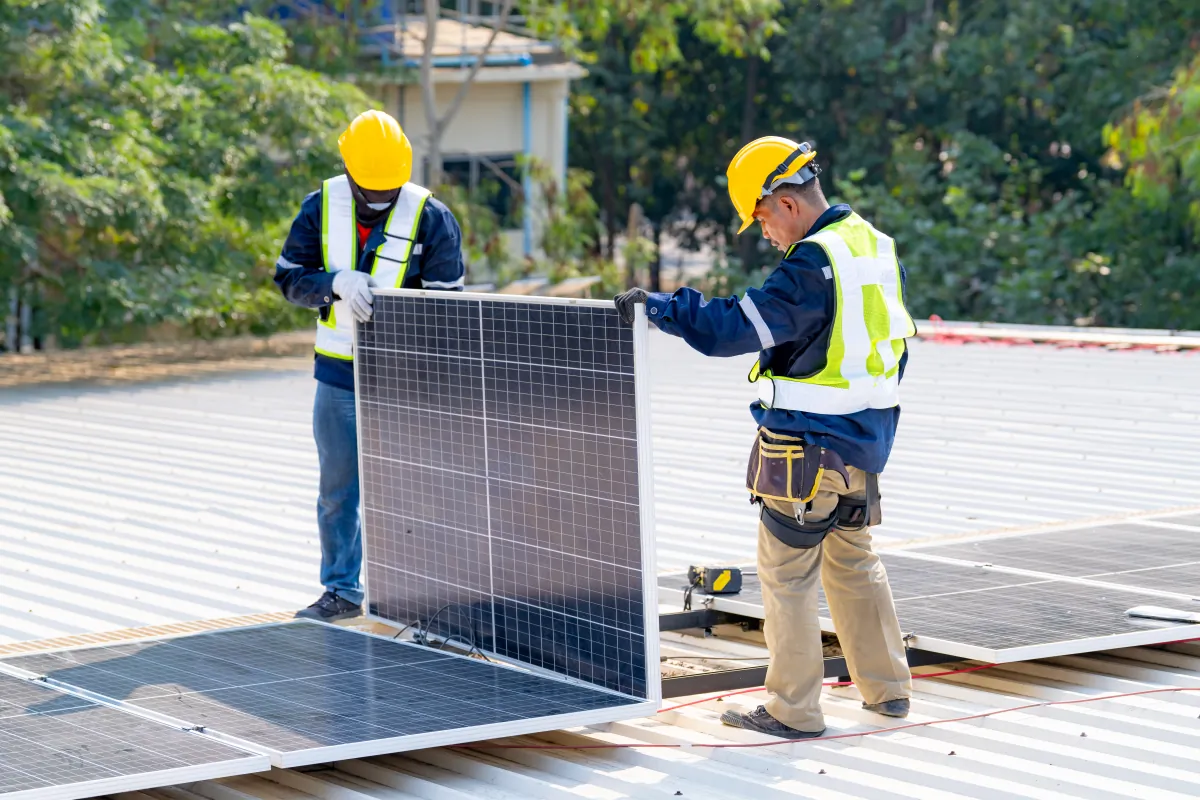
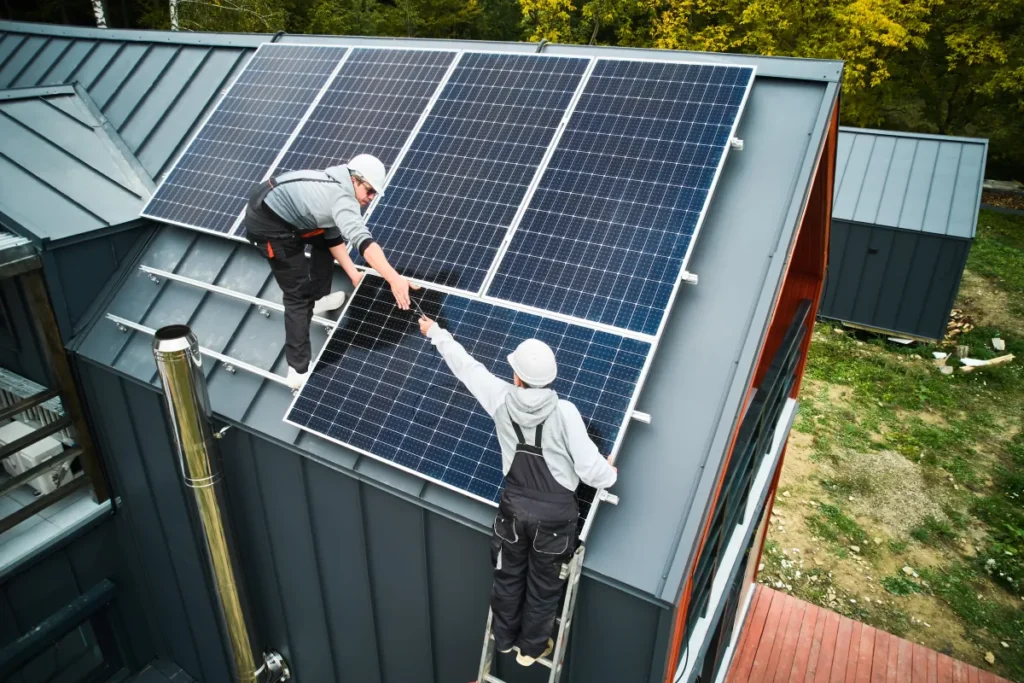
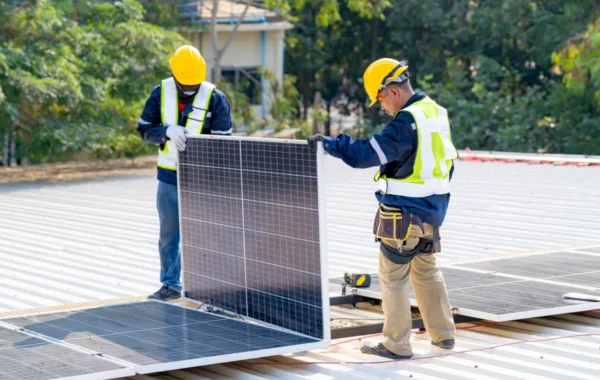
solar panel workers building solar panel system on roof of hou

Decisions To Make Before Demo

The fastest way to stretch a solar project is to start work before the key decisions are locked. For example, Even though “demo” on solar is minimal, you still want clarity before any roof penetrations, conduit runs, or electrical tie-in begins.

Pre-Install Decisions That Prevent Redesigns

  • Roof condition: If the roof needs replacement soon, do it before solar so you don’t pay twice for removal and reinstallation.
  • System size goal: Decide whether you’re trying to offset a portion of usage or as much as practical (using your recent bills as a baseline).
  • Panel layout: Confirm where panels can go without conflicts (vents, skylights, future additions).
  • Equipment location: Pick accessible, ventilated locations for the inverter and required shutoffs—then confirm clearances.
  • Electrical readiness: Verify panel capacity and condition early; upgrades can add scope and scheduling steps.
  • Battery choice: Choose battery now, later, or “battery-ready” so wiring and space planning don’t get redone.
  • Communication plan: Agree on how changes are approved (text, email, portal) so nothing stalls.

Questions To Ask Before You Hire

  • Who pulls the permits and whose name will they be filed under?
  • What drawings/engineering are included, and what triggers a redesign?
  • How will you verify the roof structure and attachment points before installation day?
  • If the electrical panel needs work, will you handle it in-house or coordinate with a licensed electrician?
  • What is your expected scheduling window for installation, inspection, and final activation?
  • What exactly is included in the price (roof work, patching, conduit runs, labeling, cleanup)?
  • Who is my day-to-day point of contact once work starts?

Safety And Accessibility Considerations (Often Overlooked)

  • Keep shutoffs and monitoring equipment reachable without ladders when possible.
  • Plan conduit routes to reduce trip hazards and avoid blocking walkways.
  • If you have mobility or vision concerns, ask for a simple “how to shut down / restart” walkthrough and clear labeling.
  • Choose equipment placement that stays accessible for service without requiring you to climb onto the roof.
DecisionWhy it affects timelineTypical impact
Roof replacement/repairsSolar can’t go on until the roof is readyAdds days to weeks, depending on scope
Electrical panel workMay require additional permits/inspection stepsOften adds at least one scheduling cycle
Battery backupMore equipment, wiring, and inspection itemsUsually adds design and install time
Equipment availabilitySome components may be backorderedCan add waiting time between approval and install
Inspection schedulingDates depend on inspector availabilityCan add a few days to a few weeks

Permits, Inspections, And Local Requirements

Fair Oaks is largely unincorporated, so many residential solar projects route through Sacramento County’s building permit process (the exact path depends on your address and scope). Overall, A good contractor confirms the jurisdiction early and submits complete plans so you avoid avoidable corrections.

Most projects involve a permit submission, plan review, installation, and an inspection before the system can be energized. For this reason, If your scope includes electrical service changes or structural work, expect additional review steps and at least one extra inspection.

  • Ask upfront which inspections are expected (and who schedules them).
  • Confirm access needs for inspectors (gate codes, attic access if required, equipment clearances).
  • Keep documentation organized: approvals, equipment cutsheets, and any HOA paperwork if it applies to your home.

What Happens Week By Week

Every home is different, but the sequence stays consistent. As a result, Use this as a planning map, not a guarantee—your roof condition, permit turnaround, and utility scheduling will set the pace.

Typical Week-By-Week Flow

  • Week 0–1: Site visit, shade/roof review, preliminary design, and budget alignment.
  • Week 1–2: Finalize layout and equipment locations; complete any required engineering.
  • Week 2–5: Permit application and plan review; order major components once design is locked.
  • Week 5–6: Pre-work (roof repairs or electrical prep) if needed; confirm installation dates.
  • Week 6–7: Installation (often 1–3 days depending on scope) and jobsite cleanup.
  • Week 7–9: Final inspection and any required corrections; paperwork for utility approval to turn the system on.

How Homeowners Can Keep Momentum

  • Respond quickly to design questions and approval requests.
  • Clear driveway/garage space for staging materials on install days.
  • Trim branches that block roof access (if safe to do so) or schedule it ahead of time.
  • Plan for brief power interruptions during electrical tie-in.
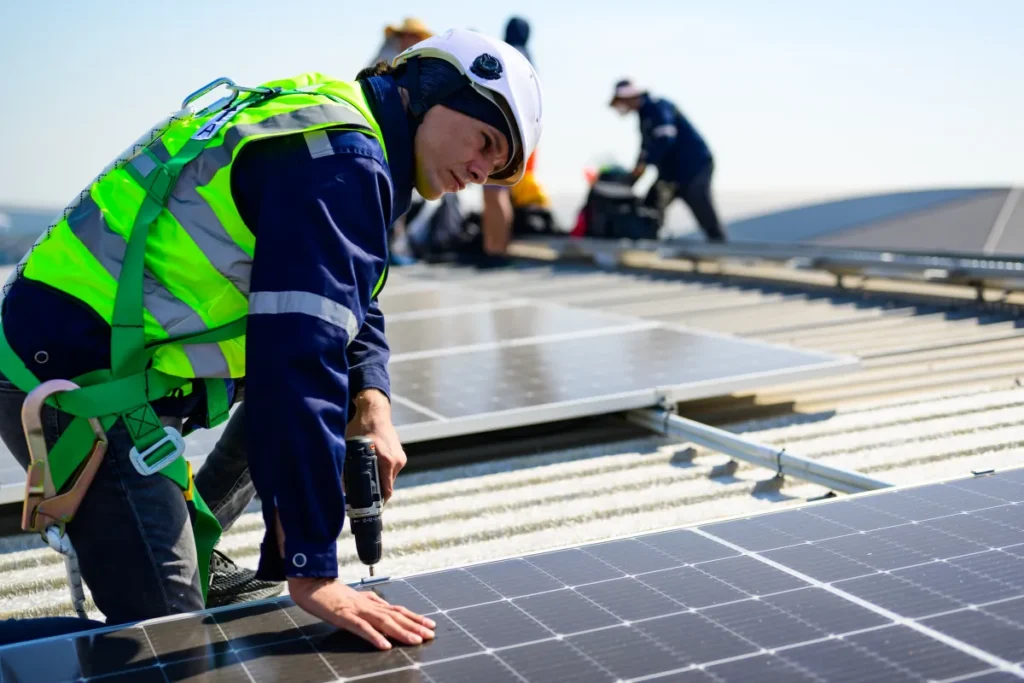
solar panel workers installing solar panels for efficient ene

Common Pitfalls And How To Avoid Them

Most timeline problems aren’t “bad luck”—they come from avoidable disconnects between roof conditions, electrical readiness, paperwork, and scheduling. In addition, A little discipline up front keeps the install week calm and reduces back-and-forth after inspection.

Common Mistakes That Add Weeks (And What To Do Instead)

  • Waiting to address roof issues: Fix leaks and replace failing materials before solar goes on.
  • Changing panel layout after permitting starts: Lock the layout early to avoid resubmittals.
  • Assuming the electrical panel is ready: Verify capacity and condition during the estimate, not on install day.
  • Ignoring access for inspectors: Keep gates unlocked (or provide codes) and clear space around equipment.
  • Underestimating equipment placement: Choose locations with ventilation, clearances, and future service access.
  • Skipping homeowner training: Ask for a simple shutdown/restart walkthrough and monitoring app setup.

Maintenance Tips After Activation

  • Rinse dust/pollen off panels when needed; avoid abrasive tools and do not pressure-wash.
  • Check monitoring monthly so you catch an outage quickly instead of weeks later.
  • Keep inverter and battery areas clear for airflow; store nothing that blocks vents.
  • After major storms, do a visual check from the ground for debris or lifted flashing.
  • If trees shade the array, plan routine trimming to protect output without climbing on the roof.

Get A Schedule Built Around Your Home

US Construction & Remodeling Corp. Additionally, helps Fair Oaks homeowners plan solar work in a way that respects the real timeline drivers: roof readiness, electrical scope, permitting, inspections, and utility activation. Book online to start: https://usconstructioncali.com/free-estimate/. If you prefer a quick phone conversation, call +1 (916) 234-6696.

Solar Panels Timeline Fair Oaks Checkpoints

If you’re tracking the solar panels timeline fair Oaks schedule on a calendar, these checkpoints usually matter more than the install date itself: approved plans, a confirmed inspection window, and the utility’s permission to energize.

Helpful Links

Frequently Asked Questions

Most residential projects take several weeks end-to-end, even though the on-site installation itself is usually fast. If you’re searching for a solar panels timeline fair Oaks answer you can plan around, assume approvals and scheduling will drive the calendar more than labor.

  • Design & engineering: typically days to a couple of weeks, depending on revisions.
  • Plan review & permits: often the biggest variable; turnaround depends on jurisdiction and workload.
  • Installation: commonly 1–3 days for many homes once everything is ready.
  • Final inspection + utility activation: can add additional days or weeks, depending on scheduling.

The cleanest way to get a realistic window is a site visit that checks roof condition, electrical scope, and equipment locations up front.

Delays almost always come from scope surprises or paperwork gaps. The good news is you can prevent many of them with early verification and clear decisions.

  • Roof work discovered late: leaks, soft decking, or a roof near end-of-life can pause the project.
  • Electrical upgrades: a panel change or service work adds coordination and inspection steps.
  • Incomplete permit package: missing details trigger corrections and resubmittals.
  • Equipment availability: selecting components late or during a backorder window can push install dates.
  • Inspection scheduling: availability varies, so a flexible window helps.
  • Late design changes: moving panels or equipment after submittal can reset approvals.

To protect a solar panels timeline fair Oaks schedule, ask your contractor to identify the “long poles” on day one: roof readiness, electrical scope, and the permit path for your exact address.

Many residential solar projects involve building and/or electrical permits, but the exact permits depend on your system design and your property’s jurisdiction. Because Fair Oaks is largely unincorporated, homeowners often go through Sacramento County for plan submittal and inspections—however, the correct office can vary by address.

In practical terms, you should ask two questions before work starts:

  • Which agency will issue the permit for my address?
  • Who will submit the application, respond to corrections, and schedule inspections?

If you’re unsure, start with a contractor visit that confirms jurisdiction and scope so you don’t lose time to avoidable rerouting.

Pricing varies too much to quote responsibly without seeing the home, but the cost usually comes down to scope—what you’re installing and what your home needs to support it.

  • System size: more panels and higher capacity generally increase material and labor.
  • Roof complexity: steep pitch, multiple planes, or fragile materials can increase labor time.
  • Electrical scope: a panel upgrade, additional disconnects, or longer conduit runs can add cost.
  • Battery backup: batteries add equipment, wiring, and space requirements.
  • Site conditions: attic access, routing paths, and distance to interconnection points matter.

The most useful estimate includes a clear scope list and a timeline so you can compare apples to apples.

If your roof has limited remaining life, replacing it before solar usually saves money and prevents schedule disruptions later. Otherwise, you may end up paying for removal and reinstallation when the roof work eventually happens.

A practical way to decide is to look at:

  • Roof age and visible wear (curling shingles, recurring leaks, soft spots)
  • How long you plan to stay in the home
  • Whether you want to add insulation or ventilation work while the roof is open

Even if you don’t need a full replacement, minor repairs and a roof readiness check can protect your install schedule.

Some homes can connect solar to the existing electrical panel with minimal changes, while others need upgrades for capacity, safety, or code compliance. You won’t know until someone evaluates the panel condition, service size, and the planned system configuration.

What homeowners can do ahead of time:

  • Take clear photos of the main panel (door label, breakers, and interior labeling if safely accessible).
  • Tell your contractor about any planned future loads (EV charger, heat pump, pool equipment).
  • Ask whether panel work changes the inspection sequence or adds separate scheduling windows.

Handling panel scope early keeps the installation week from turning into a last-minute reschedule.

After the system turns on, maintenance is mostly about observation and safe housekeeping. The goal is simple: notice problems early and keep equipment accessible.

  • Monitor performance: check the app monthly and after major storms.
  • Keep equipment clear: maintain ventilation around the inverter and any battery cabinet.
  • Clean carefully: rinse panels when needed; avoid harsh chemicals and do not walk on the array.
  • Know the shutoff: ask for a short walkthrough so you can safely shut down the system if needed.
  • Accessibility: if reaching equipment is a concern, plan locations and labeling so a family member can operate it easily.

If something looks off—unusual noises, error lights, or sudden production drops—contact your installer promptly rather than waiting for the next bill cycle.

Licensed, insured & trusted local contractor

US Construction & Remodeling Corp.
9821 Business Park Dr, Sacramento, CA, 95827
Phone: +1 (916) 234-6696

CSLB License #: 1117562 Fully licensed and insured.

View our Google Business Profile

Leave a comment

This website uses cookies to improve your web experience.
Explore
Drag