How To Choose Materials And Trades
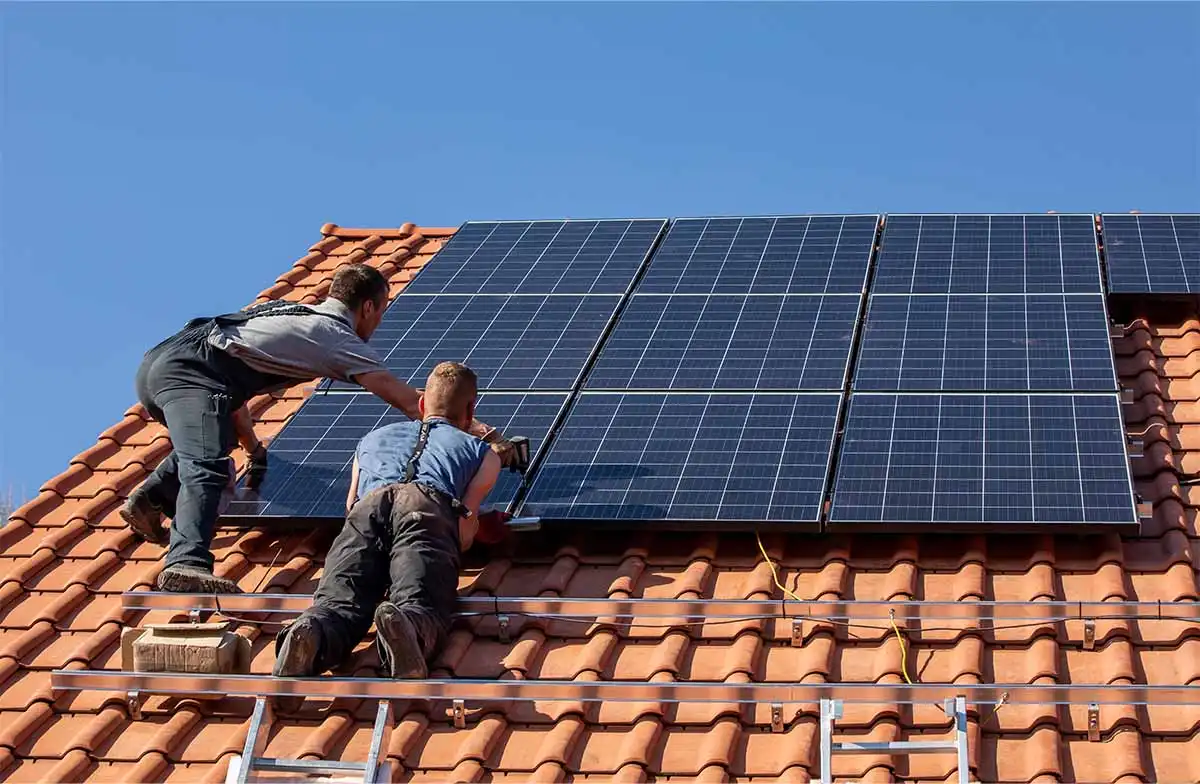
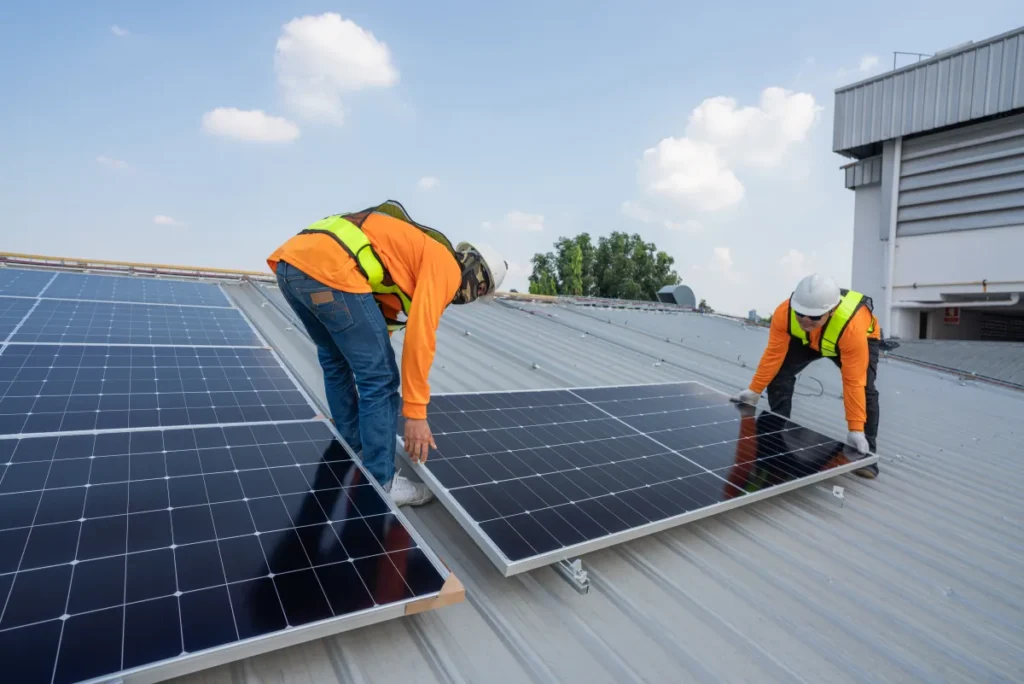
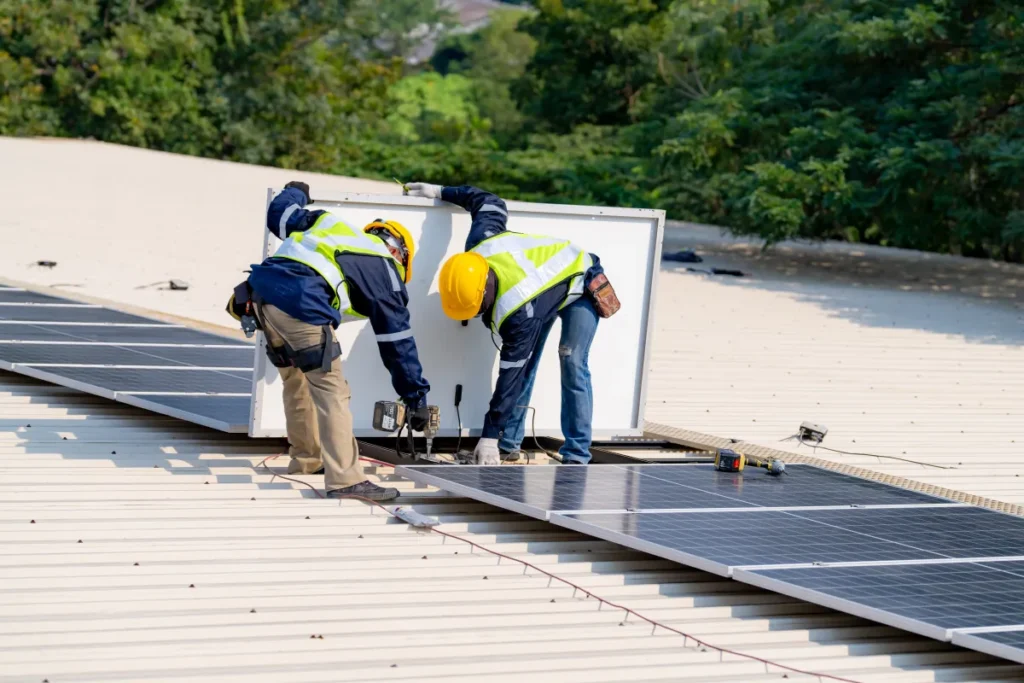
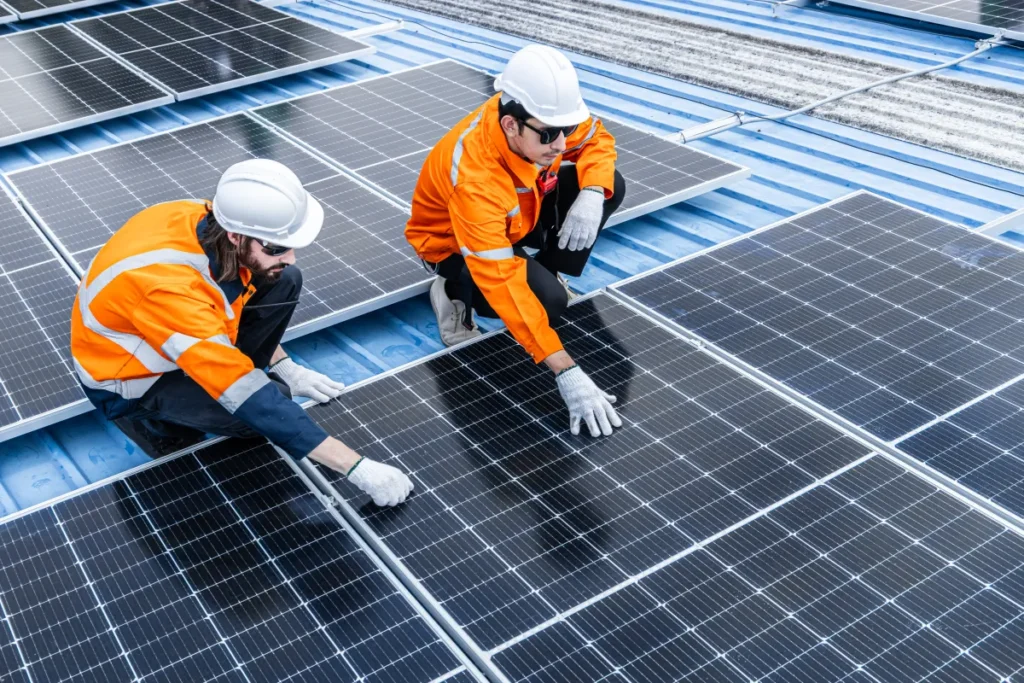
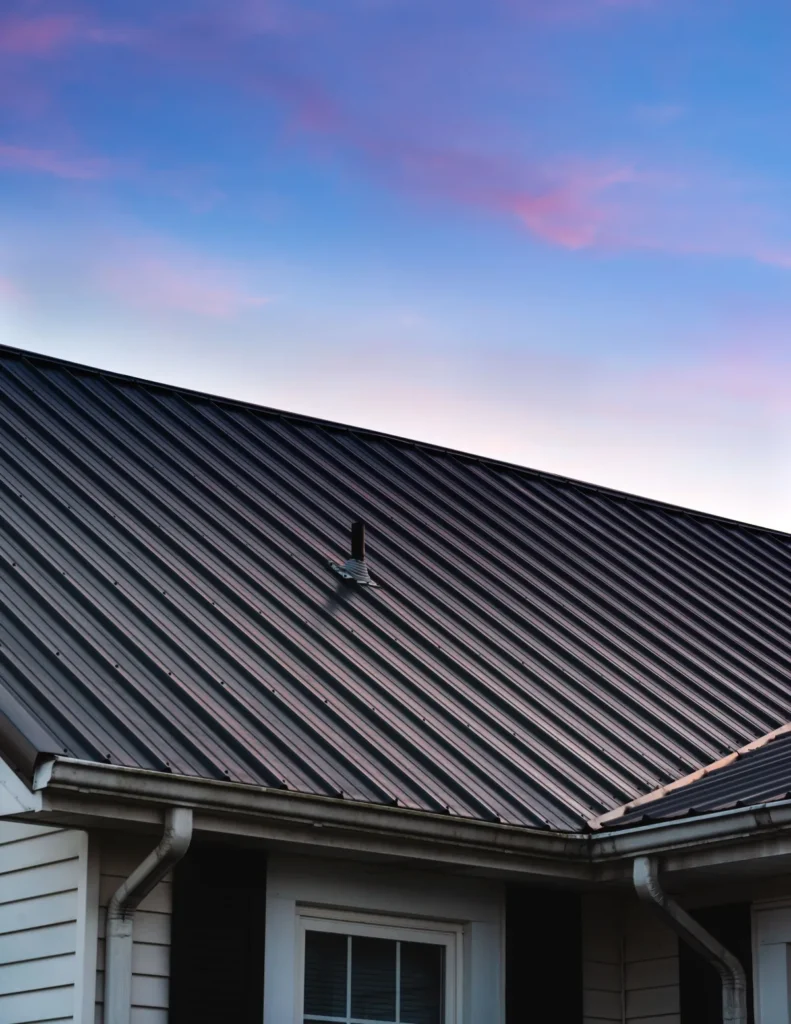
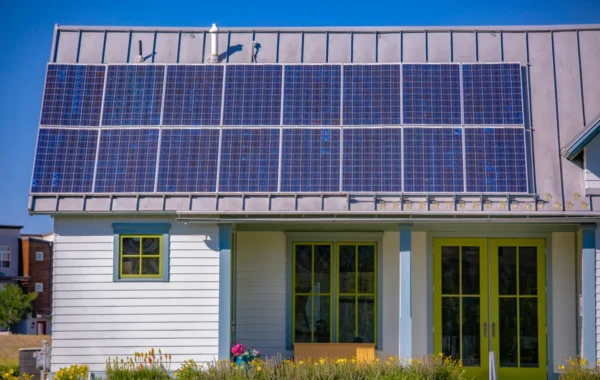
Good materials choices make permitting smoother because the plan set reads cleanly: clear product documentation, clear mounting details, and an electrical diagram that matches the equipment on your quote.
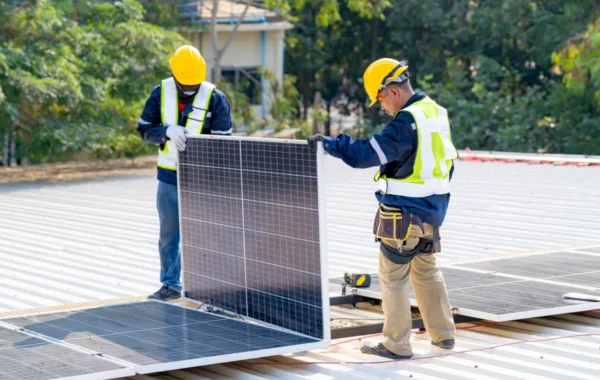
Look for an installer who coordinates roofing and electrical scope instead of treating them as separate projects. Additionally, That coordination matters most when the roof needs repair, the main panel is tight on space, or you want batteries.
Questions To Ask Before You Sign
- Who pulls the permits, and will the permit be in my name or yours?
- Will you provide a full plan set (layout, mounting and flashing, electrical one-line, equipment documentation)?
- If plan check requires changes, who revises drawings and how fast?
- Who handles any main panel work, and how will it be permitted and inspected?
- How will you waterproof roof penetrations, and what warranty do you provide on those details?
- Where will conduit run, and can you show it on the plan to avoid last-minute changes?
- What monitoring will I get, and who supports troubleshooting after inspection?
What To Verify
Before you make the final payment, walk the project like an inspector would. For example, You are verifying safety, waterproofing, and documentation, not just whether the panels look straight.
Owner Checklist At Inspection And Sign-Off
- Permit card and approved plans are available on-site for inspection.
- All required labels are installed and readable at the main service equipment and solar disconnects.
- Roof penetrations are sealed, flashed, and left clean with no exposed fasteners or cracked sealant.
- Conduit is secured and routed neatly, with no sharp bends or pinch points near edges.
- You have access to monitoring and know how to shut the system down in an emergency.
Maintenance Tips After Approval
Solar is low maintenance, but low is not zero. Additionally, A few simple habits protect your roof and keep performance predictable.
- Check your monitoring monthly so you catch outages quickly.
- Keep leaves and debris from collecting around the array edge and gutters.
- If dust or bird debris builds up, clean gently with appropriate tools to avoid scratching the glass.
- After major storms, do a quick ground-level visual check for shifted panels or visible damage.
- If you see a leak or a sudden production drop, schedule service promptly rather than waiting.
The City and County of San Francisco routes building permit activity through the Department of Building Inspection (DBI). Also, You can track many permits online, and some residential scopes may qualify for faster online handling depending on the details. In addition, Clear documentation is the fastest way to meet solar panels permit requirements in San Francisco without repeated comments.
For peace of mind, ask your contractor for the permit number as soon as it is issued and confirm the inspection sign-off before scheduling utility activation.
US Construction & Remodeling Corp. For example, helps homeowners plan solar work that is ready for review, inspection, and long-term performance. Overall, To discuss your roof, electrical tie-in, and permit approach, schedule online at https://usconstructioncali.com/free-estimate/ or call +1 (916) 234-6696.
Helpful Links
Frequently Asked Questions
In most cases, yes. Rooftop solar involves electrical work and roof penetrations, so San Francisco typically requires permits and an inspection before the system can be energized.
For many homes, solar panels permit requirements cover both the roof attachment details and the electrical tie-in. The exact path can change if you add batteries, modify the main panel, or combine the work with roof repairs, so confirm scope early instead of assuming it is a simple swap.
When you compare bids, ask each contractor to explain what they will submit and what approvals they will obtain before installation begins.
A solid permit-ready package makes plan review smoother and reduces back-and-forth. While details vary by project, you should expect documentation that clearly explains how the system attaches to the roof and how it connects electrically.
- Roof layout showing array location, setbacks, and access pathways where applicable
- Mounting method and flashing or waterproofing details
- Structural notes or engineering calculations if required for the roof framing
- Electrical one-line diagram, disconnect locations, and labeling notes
- Equipment documentation for panels, inverters, batteries (if used), and rapid shutdown components
If your contractor cannot show you what will be submitted, that is a sign the project may stall during plan review.
Timelines vary with scope, reviewer workload, and how complete the plan set is, so treat any date as an estimate until a permit is issued. Still, most projects follow a consistent order: design, plan set, review, install, inspection, and then utility activation.
Many residential installs take days once materials arrive. The longer part is often the approval and scheduling window, especially if plan check comments require revisions.
To keep momentum, ask your contractor to give you a schedule that includes both permit review time and inspection availability, not just the installation date.
Delays usually come from mismatches between what is on the roof, what is in the electrical panel, and what is shown on the drawings. Small gaps can lead to plan check comments that pause the clock until corrected.
- Unclear mounting or flashing details for your roof type
- Missing structural support notes or engineering when required
- Electrical one-line diagram that does not match the quoted equipment
- Main panel capacity limits or a lack of breaker space discovered late
- Conduit routing changes made on-site that are not reflected in the plan set
- Slow responses to plan check comments or incomplete resubmittals
A careful site evaluation and a complete plan set prevent most of these issues.
Often, yes. Batteries add equipment, wiring, and placement considerations that can increase the review detail and inspection checklist. That does not mean you should avoid storage, but it does mean you should plan the layout early.
Ask your contractor to show battery location, clearances, and the full electrical diagram in the plan set. Also confirm whether battery work affects your main panel or requires a dedicated subpanel for backup loads.
When storage is part of the scope from day one, the permitting path tends to be smoother than when it is added after the initial submittal.
In many cases, the installer submits the permit application and coordinates plan review responses, inspections, and closeout paperwork. Even so, you should treat this as a contract item, not an assumption.
- Confirm who is listed as the applicant and who pays permit fees
- Ask how you will receive the permit number and track status updates
- Make sure the installer is responsible for corrections if an inspection calls them out
- Clarify who submits the final paperwork needed for utility activation after sign-off
A clear responsibility list prevents finger-pointing if the timeline slips.
Total cost depends on the system design and the condition of your home, not just the panel count. Roof repairs, a main panel upgrade, trenching, or a battery add-on can all change both labor and permit complexity.
Fees for plan review and inspections also vary by scope. Complex solar panels permit requirements can mean more engineering time and more detailed drawings, which adds to upfront soft costs.
Ask for an itemized proposal that separates equipment, labor, design or engineering, and permit or inspection fees. For a tailored quote in San Francisco, schedule online at https://usconstructioncali.com/free-estimate/ or call +1 (916) 234-6696.
Licensed, insured & trusted local contractor
US Construction & Remodeling Corp.
9821 Business Park Dr, Sacramento, CA, 95827
Phone: +1 (916) 234-6696
CSLB License #: 1117562 Fully licensed and insured.
View our Google Business Profile