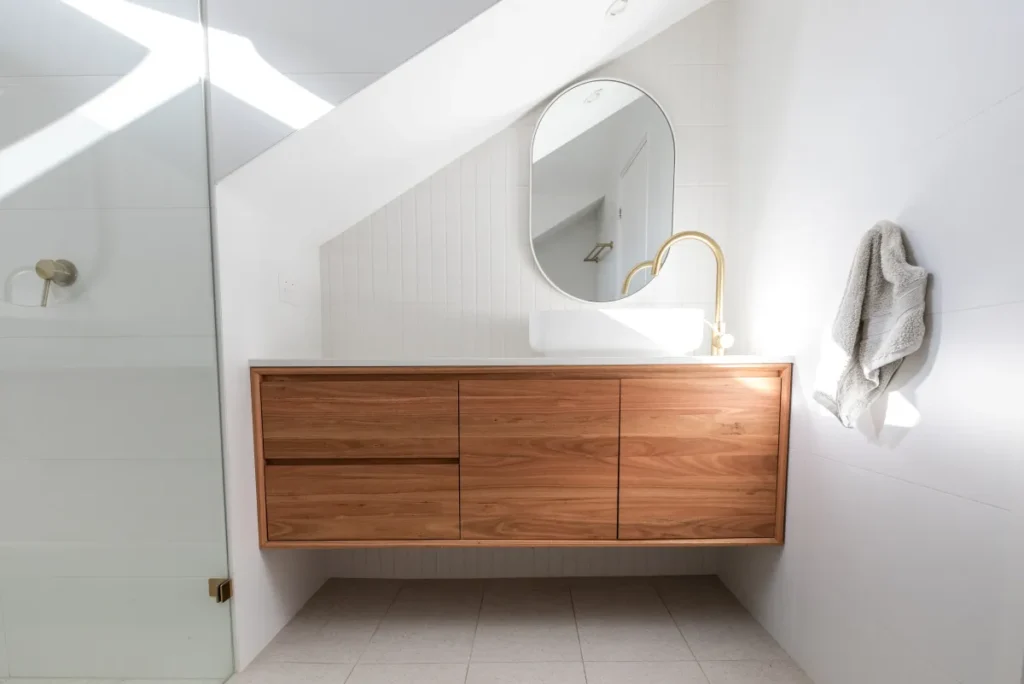

Budget-Friendly Small Bathroom Remodel Ideas: Cost + Timeline
Budget-friendly small bathroom remodel ideas start with a clear bathroom remodel cost plan—before you fall in love with tile, a vanity, or a new shower door. In California, the biggest savings usually come from controlling scope, lead times, and labor hours.
Quick checklist:
- List the biggest cost drivers for your scope (layout changes, finishes, plumbing/electrical work).
- Confirm what trade work is involved (plumbing, electrical, drywall) and the order of work.
- Choose finishes that hold up in wet areas and are easy to clean.
- Collect 2–3 quotes and compare line-by-line (scope, allowances, cleanup, warranty).
- Decide what needs to be ordered first (tile, fixtures, vanity) to keep the schedule moving.
TL;DR: Keep the layout, pick durable mid-range finishes, and order long-lead materials early so the schedule stays tight. Most delays happen when parts arrive late or inspections can’t be scheduled quickly. To talk through a realistic calendar for your home, book a planning call or call +1 (916) 234-6696.
- Decide: refresh (swap finishes) vs full gut (move plumbing/electrical)
- Keep plumbing locations if the budget is tight
- Choose one “splurge” item and keep the rest standard
- Confirm what’s included: waterproofing, ventilation, lighting, and disposal
- Order tile, vanity, and fixtures before demolition
- Ask for an itemized quote with a week-by-week schedule
What Changes The Number Fast For Bathroom Remodel Cost
| Cost driver | What changes it | How to control it |
|---|---|---|
| Scope & layout changes | Moving plumbing/electrical and changing layout increases complexity. | Lock the layout early; avoid mid-project changes. |
| Finishes & materials | Tile, fixtures, cabinets, and countertops can vary widely. | Pick a budget tier first, then choose within it. |
| Labor & coordination | Multi-trade work needs scheduling and clear handoffs. | Use a written scope and clear milestones. |
| Permits & inspections | Some scopes require approvals and inspection timing. | Check local requirements before starting. |
Small bathrooms feel simple, but the budget can swing quickly when the scope changes midstream. As a result, Layout moves (especially plumbing), custom tile work, and long-lead fixtures tend to raise both labor time and scheduling risk. For this reason, To keep bathroom remodel cost under control, lock the scope before demolition and set aside a small contingency for hidden conditions.
Cost Breakdown For Budget-Friendly Small Bathroom Remodel Ideas (What You Pay For)
Homeowners across California—Sacramento included—usually get the best price control when they keep the layout and make finish choices early. For this reason, The ranges below are for planning only; the real number depends on your home’s condition and the exact scope.
Ballpark Ranges For A Small Bathroom
- Refresh (no layout changes): roughly $7,000–$15,000
- Full remodel, also same layout: roughly $15,000–$30,000
- Layout changes or premium tile/fixtures: roughly $30,000–$55,000+
Line-Item Planning Ranges (Common Budget Drivers)
If you’re comparing quotes, use this list to spot where scopes differ. Meanwhile, A contractor can keep the total low while leaving out critical work, so always confirm what’s included.
- Demo + disposal: $800–$2,500
- Plumbing labor and parts: $1,200–$4,500 (more if you move drains/supplies)
- Electrical + lighting: $800–$3,500 (more if you add circuits)
- Vent fan + ducting: $300–$1,200 depending on access and route
- Waterproofing + substrate prep: $800–$3,500 depending on shower scope
- Tile labor + setting materials: $2,000–$8,000+ (pattern complexity changes this fast)
- Vanity, top, sink, faucet: $600–$3,500+ depending on size and materials
- Toilet + install: $300–$1,200
- Drywall/paint/trim: $400–$2,000
- Project coordination: varies; ask who schedules trades and inspections
Prioritize For Lasting Value
When you want a budget-friendly upgrade, spend where failure gets expensive and save where changes stay easy later. Additionally, Waterproofing, ventilation, and solid installation matter more than the trendiest finish.
- Put money into the shower build and water management details
- Upgrade lighting so the room feels larger without changing the footprint
- Choose durable basics: slip-resistant floors and quality faucets/valves
- Stick to standard-size vanities to avoid custom delays and costs
For a tighter schedule, confirm lead times before demolition—tile, glass, and specialty plumbing trims can stall the whole job.

Where The Money Goes For Bathroom Remodel Cost
In a small bathroom, labor often drives the total because multiple trades work in a tight space: demolition, plumbing, electrical, waterproofing, tile, and finish work. Overall, Materials still matter, but when you want to control bathroom remodel cost, watch labor-heavy choices like intricate tile patterns, moving fixtures, or installing custom glass.
A Quick Decision Table (Cost + Schedule)
| Decision | Budget impact | Timeline impact | Notes |
|---|---|---|---|
| Keep plumbing in place | Low | Low | Best way to control labor and permit scope |
| Tile shower walls vs acrylic surround | Medium–High | Medium | Tile adds prep, waterproofing steps, and cure time |
| Stock vanity vs custom | Low–High | Low–High | Custom often brings longer lead times |
| Move light/fan locations | Medium | Medium | Electrical changes can add inspection steps |
| Special-order fixtures and trim | Low–Medium | High | Backorders cause more delays than labor |
Financing Options Homeowners Consider
If cash flow matters, many homeowners use a financing approach that matches the project size and how quickly they want to start. Also, A quick conversation with your lender or financial advisor can help you compare true costs.
- Cash savings: simplest for smaller refresh scopes
- Home equity (HELOC or home equity loan): often used for larger remodels
- Renovation loan: can bundle costs into a mortgage product for qualifying borrowers
- Credit cards for materials: useful for specific purchases, but watch rates
- Contractor payment schedule: staged payments tied to completed milestones
Optional Upgrades That Add The Most Value
Some upgrades feel expensive upfront but pay off in daily use and fewer future repairs. For example, Others look great yet don’t move the needle, especially in a small room. In addition, The list below focuses on value, durability, and comfort.
- Quiet, efficient ventilation: helps control moisture and protects finishes
- Shower valve and trim upgrade: improves reliability and water control
- Better lighting layers: vanity lighting plus overhead light reduces shadows
- Niche or recessed storage: adds function without shrinking the room
- Quality shower door hardware: smoother operation and longer life
- Comfort-height toilet: a small change that improves usability
What Matters
No one can promise a specific return, but bathrooms influence buyer perception because they show wear quickly. In addition, For ROI-minded choices, aim for clean, durable, neutral selections and strong workmanship.
- Keep finishes timeless: neutral tile, simple hardware, and consistent metals
- Fix moisture issues now: proper fan venting and sound waterproofing protect resale value
- Avoid over-customizing: buyers like storage and lighting more than niche aesthetics
- Match your neighborhood: overspending in a starter-home area can limit payoff
Week-By-Week Example Schedule (Small Bathroom)
Every home is different, yet most small bathrooms follow a similar sequence. As a result, When you lock in finish selections early, the schedule stays far more predictable.
- Week 0–2 (planning): finalize scope, select materials, confirm lead times, line up inspections
- Week 1 (demo): remove old finishes, assess framing/subfloor, adjust plan if needed
- Week 1–2 (rough work): plumbing and electrical rough-in, fan ducting, blocking
- Week 2 (inspections): rough inspections if required for your scope
- Week 2–3 (prep): shower waterproofing, wall prep, floor leveling
- Week 3–4 (tile + paint): set tile, grout, paint, and trim work
- Week 4 (fixtures + finish): set vanity, toilet, lighting, hardware, final inspection/punch list
Common Planning Mistakes That Blow The Budget
- Starting demolition before tile, vanity, and fixtures are on site
- Choosing finishes without checking compatibility (valves, trims, drains, door openings)
- Underestimating tile labor: patterns, niches, and small mosaics add time quickly
- Skipping ventilation improvements and paying later in paint and caulk failures
- Comparing lump-sum numbers instead of comparing scopes line by line
To keep the timeline moving, book a planning call before you order materials; we can flag long-lead items and scope risks early. As a result, Call +1 (916) 234-6696 or use our scheduling page.

Permits, Inspections, And Scheduling
Permits in California depend on what you change, not the room size. For example, Swapping finishes in place may not require plan review, while moving plumbing, adding circuits, changing ventilation routes, or modifying framing often triggers permits and inspections. For this reason, A good remodel plan builds inspection windows into the schedule so the job doesn’t stall.
Scopes That Commonly Require Permit Review
- Relocating a toilet, shower, tub, or vanity plumbing
- Adding or reworking electrical circuits, outlets, or lighting beyond simple replacement
- New or relocated exhaust fan ducting
- Structural changes (even small ones) behind the walls
Scheduling Realities That Affect Timeline
- Inspection availability can add days to a week depending on jurisdiction and season
- Special-order materials can push dates more than labor does
- Discovery work (rot, mold, damaged subfloor) can add scope; plan a contingency
Sacramento note: many permit applications, payments, and status checks run through the City of Sacramento Community Development portal (Accela Citizen Access). Overall, If your home sits outside city limits, your jurisdiction may be Sacramento County or another local agency.
A Quick Checklist
When you compare quotes, ask for details that protect your timeline. For example, A short, clear scope beats a vague low number—especially when multiple trades are involved.
- Ask for an itemized scope that lists demo, waterproofing approach, and ventilation work
- Confirm whether the layout stays the same or fixtures move (big cost driver)
- Request a simple calendar with key milestones and inspection checkpoints
- Clarify who orders materials and how backorders are handled
- Verify who pulls permits when needed and who schedules inspections
- Confirm what happens if hidden damage is found after demo
- Get the exact payment schedule tied to completed work, not just dates
US Construction & Remodeling Corp. Overall, is based in Sacramento and works with homeowners across California depending on project scope. For this reason, If you want to talk timeline first, we’ll map the sequence, identify long-lead items, and outline the decisions that protect your start date. For example, Call +1 (916) 234-6696 or book a planning call.
Helpful Links
Frequently Asked Questions
The biggest savings usually come from reducing labor hours and avoiding mid-project scope changes. You can still get a clean, updated look without moving everything around.
- Keep the layout and plumbing locations whenever possible
- Choose a stock vanity size and a standard mirror
- Use simple tile patterns (fewer cuts = less labor)
- Upgrade lighting and ventilation for comfort without expanding scope
- Order tile, fixtures, and hardware before demolition starts
Tile can raise the total because it adds surface prep, waterproofing steps, and labor time. The tile you pick matters, but the installation complexity often matters more.
If you want to keep bathroom remodel cost down, consider simpler wall tile, fewer accent strips, and standard-size niches.
Many small bathroom projects land around a few weeks once materials are on site, with longer timelines when you add layout changes, custom cabinetry, or special-order fixtures.
- Planning and material selection: often 1–2+ weeks
- Construction: commonly 2–4+ weeks depending on scope
It depends on what you change. Cosmetic replacements may not require plan review, while moving plumbing, changing electrical circuits, or modifying ventilation and framing often triggers permits and inspections.
Always confirm requirements with your local city or county building department for your specific address.
Either approach can work. Buying your own can give you more control over style, while contractor-provided materials can simplify coordination and reduce compatibility issues.
- Owner-supplied: you control selection and pricing, but you manage lead times and returns
- Contractor-supplied: smoother scheduling and fewer mismatched parts, but selection may be narrower
Ask each contractor to quote the same scope and show line items. A low number often means missing work, not better efficiency.
- Confirm waterproofing method and shower build details
- Verify ventilation, electrical, and disposal are included
- Ask what happens when hidden damage is discovered
- Request a milestone-based payment schedule
- Get a simple timeline with inspection points when applicable
Licensed, insured & trusted local contractor
US Construction & Remodeling Corp.
9821 Business Park Dr, Sacramento, CA, 95827
Phone: +1 (916) 234-6696
CSLB License #: 1117562 Fully licensed and insured.
Frequently Asked Questions
The biggest savings usually come from reducing labor hours and avoiding mid-project scope changes. You can still get a clean, updated look without moving everything around.
- Keep the layout and plumbing locations whenever possible
- Choose a stock vanity size and a standard mirror
- Use simple tile patterns (fewer cuts = less labor)
- Upgrade lighting and ventilation for comfort without expanding scope
- Order tile, fixtures, and hardware before demolition starts
Tile can raise the total because it adds surface prep, waterproofing steps, and labor time. The tile you pick matters, but the installation complexity often matters more.
If you want to keep bathroom remodel cost down, consider simpler wall tile, fewer accent strips, and standard-size niches.
Many small bathroom projects land around a few weeks once materials are on site, with longer timelines when you add layout changes, custom cabinetry, or special-order fixtures.
- Planning and material selection: often 1–2+ weeks
- Construction: commonly 2–4+ weeks depending on scope
It depends on what you change. Cosmetic replacements may not require plan review, while moving plumbing, changing electrical circuits, or modifying ventilation and framing often triggers permits and inspections.
Always confirm requirements with your local city or county building department for your specific address.
Either approach can work. Buying your own can give you more control over style, while contractor-provided materials can simplify coordination and reduce compatibility issues.
- Owner-supplied: you control selection and pricing, but you manage lead times and returns
- Contractor-supplied: smoother scheduling and fewer mismatched parts, but selection may be narrower
Ask each contractor to quote the same scope and show line items. A low number often means missing work, not better efficiency.
- Confirm waterproofing method and shower build details
- Verify ventilation, electrical, and disposal are included
- Ask what happens when hidden damage is discovered
- Request a milestone-based payment schedule
- Get a simple timeline with inspection points when applicable