Skip links

Siding Contractor in Elk Grove: Homeowner Hiring Checklist

Old or damaged siding can let water in and turn small repairs into big ones. This checklist is for homeowners searching for a siding contractor elk grove residents can hire with a clear scope, a clear bid, and fewer surprises.

TL;DR: Old or damaged siding can let water in and turn small repairs into big ones. This checklist is for homeowners searching for a siding contractor elk grove residents can hire with a clear scope, a clear bid, and fewer surprises.Use it to compare companies…

Quick checklist:

  • Pick a siding material and finish that matches climate and maintenance goals.
  • Confirm moisture management details (housewrap, flashing, caulking) in writing.
  • Define the full scope (trim, soffit/fascia, paint, insulation upgrades).
  • Confirm access/safety plan and how landscaping/property will be protected.
  • Verify license/insurance where required, and compare bids line-by-line (allowances, exclusions, change orders).
  • Check permit requirements if altering exterior walls or doing structural repairs.

Use it to compare companies, understand the permit conversation in Elk Grove, and set realistic expectations for timeline and cleanup. When you want a written estimate, schedule online or call +1 (916) 234-6696.

How To Plan Siding Contractor In Elk Grove Without Surprises For Siding Contractor Elk Grove

Most siding surprises come from two places: a vague scope and hidden moisture damage behind the old siding. A solid plan spells out what gets removed, what gets repaired, and how the home will be waterproofed before new siding goes on.

TL;DR: Get comparable bids with the same scope, confirm the waterproofing details (flashing and water barrier), and require written change orders (a signed approval for extra work). If anything feels vague, ask for a revised bid before you sign.

  • Get a written bid that lists siding, trim, demo, disposal, and cleanup.
  • Ask who your day-to-day contact is and who will be on site.
  • Confirm how rot and damaged sheathing are priced and approved.
  • Verify license status and insurance before the first payment.
  • Have the moisture-control details in writing (flashing and house wrap).
  • Agree on start date, working hours, and daily protection for landscaping and walkways.

Company-Vetting Checklist (So Bids Match)

Use this list when you interview a siding contractor elk grove homeowners are considering. The goal is simple: make each company price the same scope so you can compare fairly.

  • License and insurance: Ask for the contractor license number and a current certificate of insurance.
  • Reviews and references: Read recent online feedback and ask for a few recent references you can call.
  • Experience with your siding type: Vinyl, fiber cement, and wood each install differently.
  • Who is doing the work: In-house crew, subcontractors, or a mix, and who supervises.
  • Scope detail: Exactly what gets replaced (siding panels/boards, corner boards, trim, fascia/soffit if included).
  • Waterproofing plan: How they handle house wrap (the water-resistive barrier) and flashing around windows/doors.
  • Rot repair plan: How they document damage, get approval, and price repairs.
  • Protection and cleanup: Dust control, daily pickup, nail/fastener sweep, and debris haul-off.
  • Payment terms: A schedule tied to milestones, not just dates.
  • Warranty in writing: What is covered and what is excluded.

Common Mistakes That Drive Change Orders

Change orders are not always bad. They become a problem when the original scope leaves big blanks. Watch for these planning mistakes.

  • Accepting a one-page quote that does not list materials, trim, or waterproofing details.
  • Skipping a plan for hidden damage (soft wood, rot, mold, or wet insulation).
  • Not confirming what happens at windows and doors, where leaks often start.
  • Assuming painting or caulking is included without seeing it listed.
  • Ignoring access limits (narrow side yards, fences, steep grades) until install day.
  • Comparing bids that mix different materials or different amounts of trim work.
  • Paying a large upfront amount before materials are ordered and on site.

Scope, Budget, And Priorities

A siding project goes smoother when you decide the big items up front. That keeps the bid tight and reduces last-minute decisions that slow the crew down.

Scope Worksheet (Decide These Before Requesting Bids)

  • Goal: repair specific areas, full replacement, or replacement plus insulation upgrade.
  • Siding material: vinyl, fiber cement, engineered wood, or another option you prefer.
  • Profile and color: lap, board-and-batten, shingles, and the finish color.
  • Trim package: corners, window/door trim, belly bands, and any decorative details.
  • Vent and fixture penetrations: dryer vent, bathroom fan vent, hose bibs, lights, and outlets.
  • Windows/doors: confirm if any openings change size or get replaced.
  • Rot/sheathing allowance: agree on how repairs are priced and approved.
  • Finish scope: caulk, paint, touch-ups, and what surfaces are included.
  • Cleanup: dump fees, haul-off, and magnet sweep for nails.
  • Communication: how often you get updates and how decisions are documented.

Small Bathroom Or Kitchen Layout Tie-Ins (Vents And Exterior Walls)

If siding replacement lines up with a small kitchen or bathroom update, plan the exterior-wall details early. Moving a vent after new siding is installed can create extra patching and flashing work.

  • Small bathrooms: a pocket door (a door that slides into the wall) can free up swing space; keep the exhaust fan vent run short and direct to the exterior.
  • Small kitchens: galley or single-wall layouts often keep plumbing in place; confirm the range hood vent exit location before siding work starts.
  • Ask your contractor: how new vent caps and exterior boxes will be flashed so water stays out.

Access Planning For Tight Exteriors

Homes with narrow side yards or tight lot lines need a staging plan. This is less about comfort and more about keeping the job safe, efficient, and neighbor-friendly.

  • Show the contractor every access pinch point (gates, fences, AC units, and utility meters).
  • Decide where materials, ladders, and scaffolding can sit without blocking exits.
  • Plan for pets and kids. Some areas may be off-limits during work hours.
  • Move patio furniture, grills, and planters away from the work zone.
  • Ask how landscaping and hardscape will be protected from debris.
  • Confirm parking needs for the crew and where the debris bin can be placed.

Quick Comparison Table

DecisionWhy it affects cost & scheduleWhat to confirm in the bid
Material choiceDifferent labor, trim details, and finishing needsExact product line, profile, and color/finish
Hidden damage repairRot or wet sheathing can add daysPricing method and approval steps for repairs
Window/door detailingMost leak-prone areas need careful flashingFlashing approach and trim scope around openings
Access constraintsSetup time for protection and safe working areasScaffolding needs, protection plan, and staging area
Finish workCaulk/paint quality affects long-term maintenanceWhat gets sealed/painted and how many coats

Budget Guardrails (What Really Changes The Price)

You do not need a perfect budget to start, but you do need clarity on the biggest cost drivers. Ask each contractor to call these out in writing so you can choose trade-offs on purpose.

  • Material and trim complexity: more corners and details take more labor.
  • Height and access: two-story work often needs more setup and safety gear.
  • Condition of the wall: rot, damaged sheathing, or uneven surfaces raise labor time.
  • Waterproofing upgrades: better flashing and sealing can cost more up front but reduce leak risk.
  • Paint/finish expectations: paint prep and multiple coats add time.
  • Permits/inspections: fees and wait times vary by scope and scheduling.
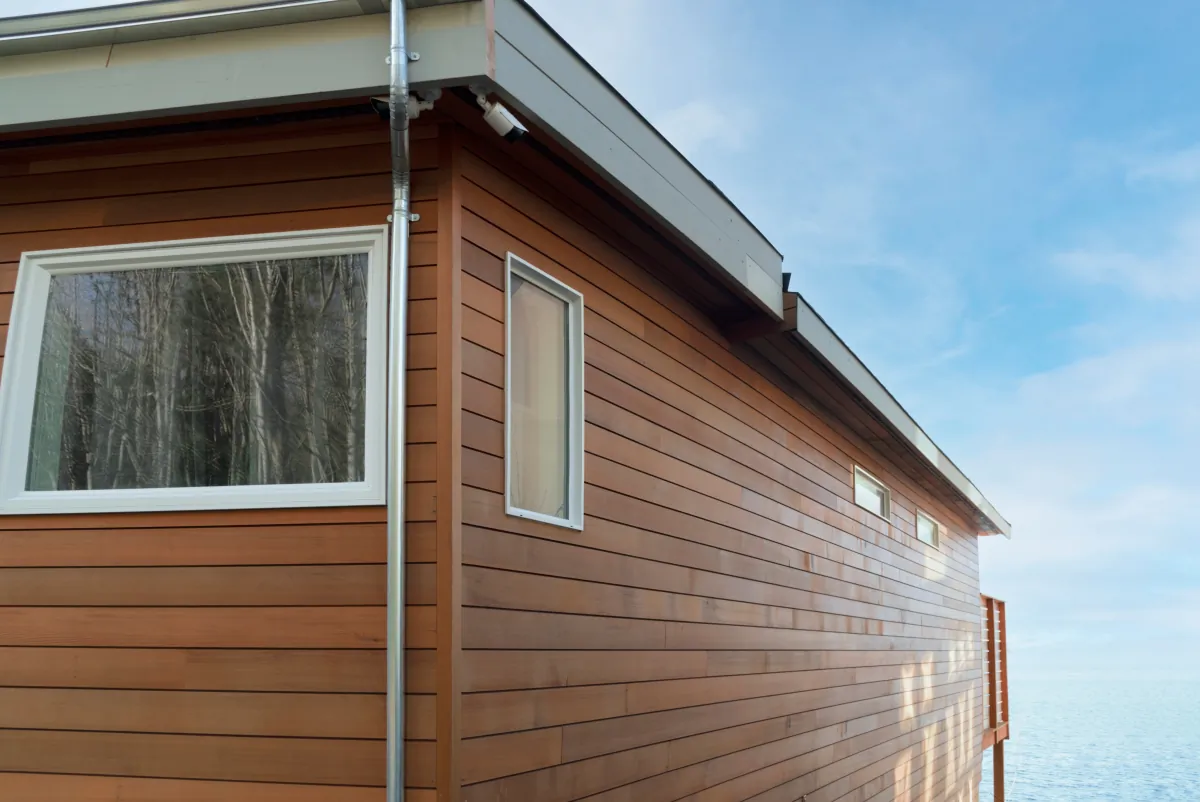
engineered wood siding corner of a wood sided beach house under blue

Permits &Amp; Inspections (General Guidance) For Siding Contractor Elk Grove

Permit needs depend on the exact scope. Some like-for-like siding replacement work may be straightforward, while changes to walls, windows, doors, or structural bracing can trigger plan review and inspections. If a siding contractor elk grove project includes structural repairs or window changes, expect permits and inspections. In Elk Grove, minor building permits and inspection scheduling typically run through the City of Elk Grove eTRAKiT online portal.

When Permits Usually Come Up

  • You change window or door sizes, add new openings, or reframe walls.
  • You repair or replace structural elements (studs, shear panels, or major sections of sheathing).
  • You add new exterior electrical boxes, lights, or outlets as part of the project.
  • You change ventilation or add new exhaust terminations through the exterior wall.
  • The scope includes significant weatherproofing changes that an inspector needs to verify.

Permit And Inspection Questions For Your Contractor

  • Who pulls the permit, and is the permit fee included in the bid?
  • Which inspections are expected, and who schedules them?
  • What happens if the inspector requests a correction?
  • Will you receive copies of the approved plans (if required) and final sign-off?
  • How will work pause or protect the home if an inspection date shifts?

Waterproofing Details To Confirm In Writing

Siding is the outer layer. The real defense against leaks is behind it. Ask your contractor to document the waterproofing plan before demolition starts. Flashing is sheet material that directs water away from openings. A water-resistive barrier (WRB) is the wrap or membrane that sheds water behind the siding.

  • WRB type and how seams will be taped or sealed.
  • Flashing details at windows and doors, including head flashing (the top piece).
  • How penetrations are sealed (vents, hose bibs, and exterior outlets).
  • How corners and transitions are handled (where two materials meet).
  • How the crew will protect the home if walls are open overnight.

Timeline And What To Expect

Siding work can feel disruptive, but a good plan keeps the mess and decision-making under control. Many projects move quickly once materials are on site, while ordering and prep can take longer than installation.

Typical Phases And Time Ranges

  • Site visit and measurements: about 1-2 hours.
  • Bid review and scope alignment: 1-3 days, depending on revisions.
  • Material selection and ordering: often 1-3 weeks.
  • Demolition and wall inspection: 1-2 days.
  • Repairs (rot/sheathing): 1-3 days if needed.
  • Siding and trim installation: roughly 3-10 working days for many homes.
  • Finish work and punch list: 1-4 days, plus a return visit if needed.

What To Expect While Work Is Happening

  • Noise, dust, and foot traffic around the exterior during work hours.
  • Short periods where a wall section is open while the crew repairs and re-wraps it.
  • Daily cleanup should include fastener pickup and clear walkways.
  • Weather can pause exterior work. Ask how the home will stay protected during stoppages.
  • Inspections (when required) can add wait time between steps.

How To Keep The Schedule And Scope Steady

  • Choose material, color, and trim details before ordering.
  • Clear access to gates, side yards, and exterior outlets.
  • Agree on update frequency (daily text, end-of-week summary, or onsite check-ins).
  • Require written change orders with pricing before extra work begins.
  • Keep one decision-maker available so questions do not stall the crew.
engineered wood siding establish shot of a old wooden house

When To Call A Licensed Contractor

Some siding tasks look simple until you open the wall. When the work touches structure, electrical, or the building envelope (the parts that keep water and air out), bring in a licensed contractor and get everything documented.

Situations Where Licensing Really Matters

  • You see soft spots, staining, or swelling around windows, doors, or the bottom edge of the wall.
  • The project includes reframing, major rot repair, or replacing large areas of sheathing.
  • You want to change window/door sizes or add new openings.
  • The home is two stories, has steep grades, or has limited safe access.
  • You are adding or moving exterior electrical (lights, outlets, or service equipment).
  • The home was built before 1978 and painted surfaces may involve lead-safe work practices.

What We Can Do For Your Elk Grove Siding Project

US Construction & Remodeling Corp. helps Elk Grove homeowners plan siding repair or replacement with clear scope, clear communication, and a clean jobsite. We will walk the exterior with you, talk through material options, and provide a written estimate you can compare.

  • Review existing siding condition and point out likely repair areas.
  • Build a bid that lists materials, trim scope, cleanup, and change-order rules.
  • Coordinate around exterior-wall penetrations like vents and fixtures.
  • Discuss permit and inspection expectations based on scope.

Free estimate or call +1 (916) 234-6696 to talk through your siding goals and timeline.

Helpful Links

Frequently Asked Questions

It depends on what changes. Some like-for-like replacement work can be simple, while structural repairs, changing windows/doors, or adding new exterior electrical can trigger permits and inspections. Ask your contractor what applies to your scope, and confirm with the City of Elk Grove if you are unsure. Minor permits and inspection scheduling typically use the City of Elk Grove eTRAKiT portal.

A good bid lets you compare apples to apples. Look for clear line items and a written scope.

  • Exact siding material and profile
  • Trim scope (corners, windows/doors, fascia/soffit if included)
  • Waterproofing plan (WRB/house wrap and flashing)
  • Rot/sheathing repair pricing and approval steps
  • Cleanup and debris haul-off
  • Timeline expectations and payment schedule

Many homes see installation in a range of a few days to a couple of weeks, once materials are on site. Ordering materials and lining up inspections (when required) can add time. Ask for a written timeline that includes ordering, demo, repairs, installation, and punch list.

Sometimes, but it is not always a good idea. Overlay can hide moisture problems or uneven walls, and it can complicate flashing around windows and doors. A contractor should evaluate the existing layers, check for damage, and explain how the waterproofing will work before recommending this approach.

Flashing is thin material (often metal) that directs water away from openings and transitions, like the tops of windows and doors. Good flashing details help prevent leaks behind the siding. Ask your contractor to explain the flashing plan at windows, doors, and wall penetrations before work starts.

Ask for the contractor license number and verify it with the California Contractors State License Board (CSLB). For insurance, request a current certificate of insurance and confirm it matches the company name on your contract. If anything does not match, pause and get it clarified in writing.

Licensed, insured & trusted local contractor

US Construction & Remodeling Corp.
9821 Business Park Dr, Sacramento, CA, 95827
Phone: +1 (916) 234-6696

CSLB License #: 1117562 Fully licensed and insured.

View our Google Business Profile

Leave a comment

This website uses cookies to improve your web experience.
Explore
Drag