Skip links

Roofing vs DIY in Alameda: A Practical Homeowner Guide

Homeowners searching for roofing vs diy alameda usually want the same thing: stop leaks, protect the home, and avoid a project that turns into constant weekend work. This guide explains where DIY is realistic, where it’s risky, and how to plan a clean timeline for a roofing repair or replacement in Alameda.

Quick checklist:

  • Confirm the scope: repair, partial replacement, or a full reroof.
  • Pick a material system and verify underlayment, flashing, and ventilation details.
  • Clarify tear-off vs overlay and what happens if decking damage is found.
  • Compare 2–3 itemized bids (materials, disposal, permits, warranty).
  • Schedule around weather and confirm daily cleanup and protection.
  • Do a final walkthrough: flashing, vents, and warranty documentation.

TL;DR: DIY can work for small, accessible repairs if you can work safely and keep the roof watertight the same day. Full replacements are rarely a good DIY project because tear‑off exposes the roof deck (the wood under the roofing) and mistakes show up as leaks later. If you’re trying to hit a specific date, book a planning call to map your timeline and next steps.

  • Confirm the scope: small repair, partial reroof, or full replacement
  • Check access and slope; steep roofs change the risk fast
  • List penetrations: vents, skylights, chimneys, solar mounts
  • Decide on materials before ordering (shingle, underlayment, flashing)
  • Plan disposal, delivery, and driveway protection
  • Ask early if permits/inspections apply to your scope

A Practical Overview For Roofing Vs DIY Alameda

Decision Why it matters Quick check 
Material system Affects lifespan, cost, and appearance. Confirm shingle/tile type, underlayment, and warranty. 
Flashing & penetrations Most leaks start at edges and penetrations. Specify flashing at chimneys, vents, and valleys. 
Ventilation Controls heat/moisture and protects decking. Confirm intake/exhaust balance and vent types. 
Tear-off & decking Hidden damage can change cost and timeline. Include an allowance and photo documentation. 

Roofing isn’t just the visible shingles or tile. For this reason, It’s a system: the roof deck (wood sheathing), underlayment (a water-shedding layer), flashing (thin metal that seals edges and joints), and ventilation that helps manage heat and moisture. Additionally, DIY often focuses on the surface, but leaks usually start at details—valleys, chimneys, skylights, and pipe penetrations.

When you weigh time, safety, and risk, the decision gets clearer. For example, A small repair you can finish in one dry day is a different job than exposing the entire roof.

  • DIY is also most realistic for a few damaged shingles, minor flashing touch-ups you can access safely, or small, low-slope sections like a shed roof.
  • A contractor makes more sense for full replacements, steep or high roofs, repeated leaks, soft spots, or any scope that requires removing large areas of roofing.

Quick Decision Checklist

Use this quick screen before you buy materials. Overall, If you hit any “stop” item, it’s usually smarter to price a professional scope and protect the schedule.

  • Stop: You can’t work safely with proper fall protection or stable footing.
  • Stop: The repair requires removing wide sections and you can’t keep the roof watertight the same day.
  • Proceed (carefully): The repair area is small, accessible, and you can confirm the leak path from the attic.
  • Proceed (carefully): You can replace like-for-like materials and you understand the flashing details at edges and penetrations.

Before/After Snapshot (Anonymized)

Hypothetical example: A homeowner in Alameda sees a ceiling stain after a storm. As a result, They replace a few shingles, but the stain returns because the leak is actually at a nearby pipe boot (the rubber-and-metal seal around a vent pipe). Overall, After a contractor removes a small section, replaces the worn boot, and resets the surrounding shingles with new underlayment, the leak stops and the attic insulation stays dry.

The takeaway isn’t “DIY is bad.” It’s that the source of a leak can sit a few feet away from where you see water inside.

Resale And ROI Priorities

A roof is a high-visibility item in a home inspection. Additionally, If resale is on your horizon, prioritize work that a buyer can verify in writing.

  • Choose a clear scope: repair vs full replacement, with photos of any deck damage found.
  • Make sure flashing and ventilation details are included, not “as needed.”
  • Keep paperwork organized (contract, material specs, permits if applicable).
full roof replacement in ca solar panel removal reinstall mario

Planning And Scope Decisions For Roofing Vs DIY Alameda

The fastest way to waste money on a DIY roof job is to start without a clear scope. “Scope” means exactly what you will remove, replace, and seal. It also defines what you will do if you find hidden damage.

Scope Checklist (What To Decide Before Day One)

  • Repair vs replace: Are you fixing one area, reroofing one slope, or replacing the whole system?
  • Layers: Is there more than one layer of old roofing to remove?
  • Deck condition: Will you replace soft or rotted sections of the roof deck if you find them?
  • Penetrations: What will you do at skylights, chimneys, vents, and edge metal?
  • Water path: Where does roof water go after it hits gutters or downspouts?

Roof Layout Planning (Shape, Drains, And Penetrations)

Layout planning matters on a roof, too. Also, The “layout” is the geometry—valleys, ridges, hips, and flat-to-slope transitions. Those intersections drive labor time and leak risk.

  • Map every valley and roof-to-wall intersection and plan the flashing sequence.
  • Count penetrations (vents, skylights, chimneys) and decide which seals get replaced.
  • Confirm ventilation approach (intake and exhaust) so the attic can breathe.
  • Plan access: where materials land, where debris drops, and how you protect landscaping.

Small Roof Sections And Additions

If you’re set on DIY, small, low-risk areas are the safest place to learn: a porch roof, a detached garage, or a small low-slope section that you can cover quickly. Meanwhile, Even there, treat waterproofing details as non‑negotiable.

DecisionDIY impactWhat to confirm with a contractor
Repair vs full replacementRepairs can be same-day; replacements expose the homeScope boundaries and watertight plan each day
Roof pitch and heightSteeper roofs add safety risk and slow workFall protection plan and crew access
Flashing detailsMost DIY leaks happen at joints and edgesWhich flashings get replaced and how
Deck repairsHidden damage changes time and materialsHow repairs are documented and priced
Disposal and cleanupDump runs and nail pickup take real timeHaul-away, magnet sweep, and site protection

Material Choices And Lead Times

Material selection is not just about looks. In addition, It affects weight, install speed, repairability, and how forgiving the system is when details aren’t perfect.

Materials Deep Dive (Practical Pros And Cons)

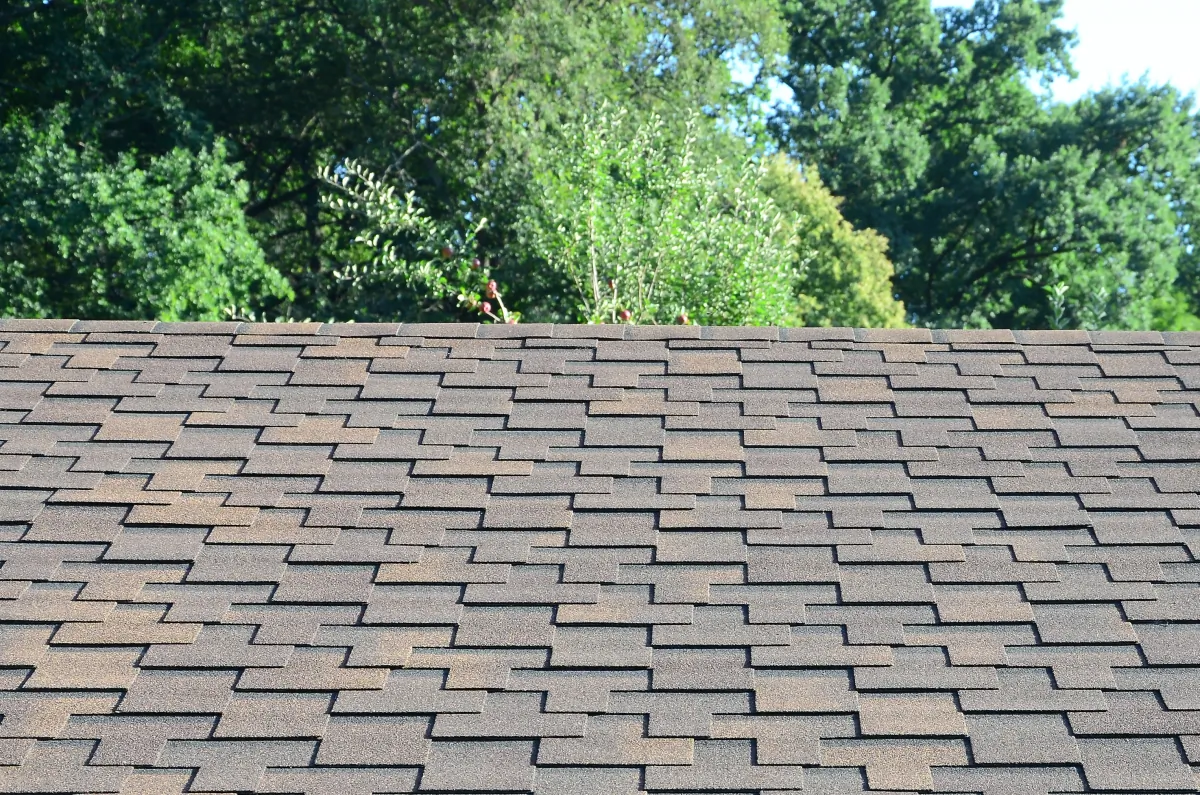
  • Asphalt shingles: Common, affordable, and widely available. Additionally, Details at flashing and valleys still matter.
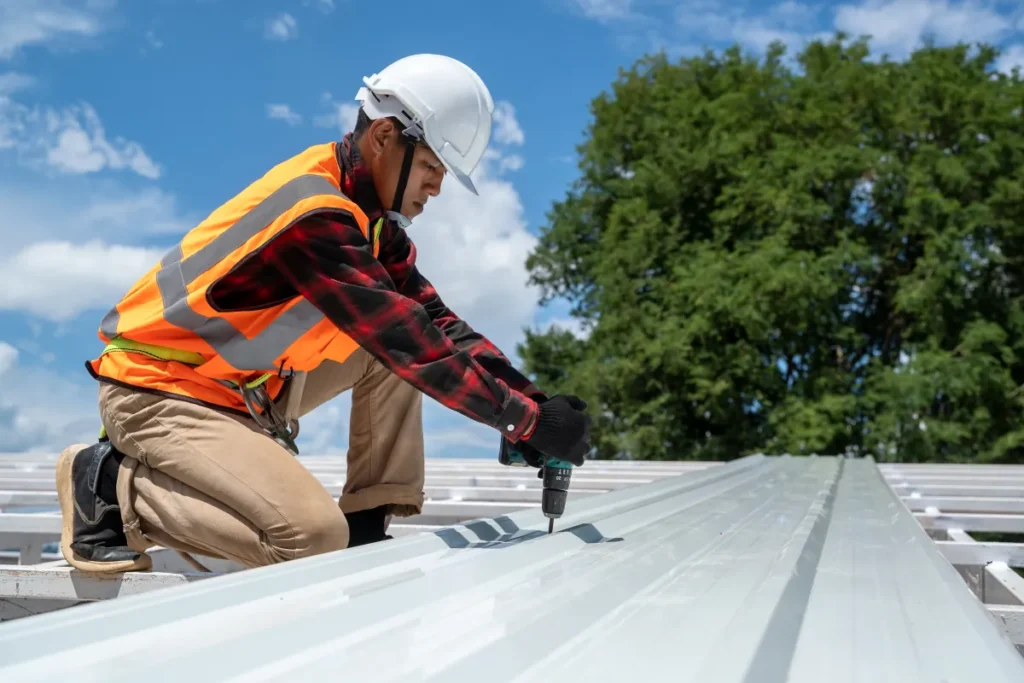
  • Metal roofing: Durable, but trim and transitions require precision. For example, Cuts and fastener placement are not “close enough.”
  • Tile systems: Long-lasting, but heavy and detail-driven. Meanwhile, Repairs can be harder to blend.

Beyond the main surface material, pay attention to the components DIYers often skip:

  • Underlayment: The water-shedding layer under the roofing. For this reason, It helps protect the deck if water gets past the top layer.
  • Flashing: Thin metal at edges, walls, chimneys, and valleys. For example, Good flashing prevents leaks at transitions.
  • Ventilation parts: Intake and exhaust vents that help manage attic heat and moisture.

Lead Times And Ordering

Some roofing items are easy to source same-week. For example, Others can take longer, especially specialty colors, matching accessory pieces, or skylight-related parts. Lock your material decisions before you schedule tear-off so you don’t leave the home exposed while waiting.

Timeline And Work Phases

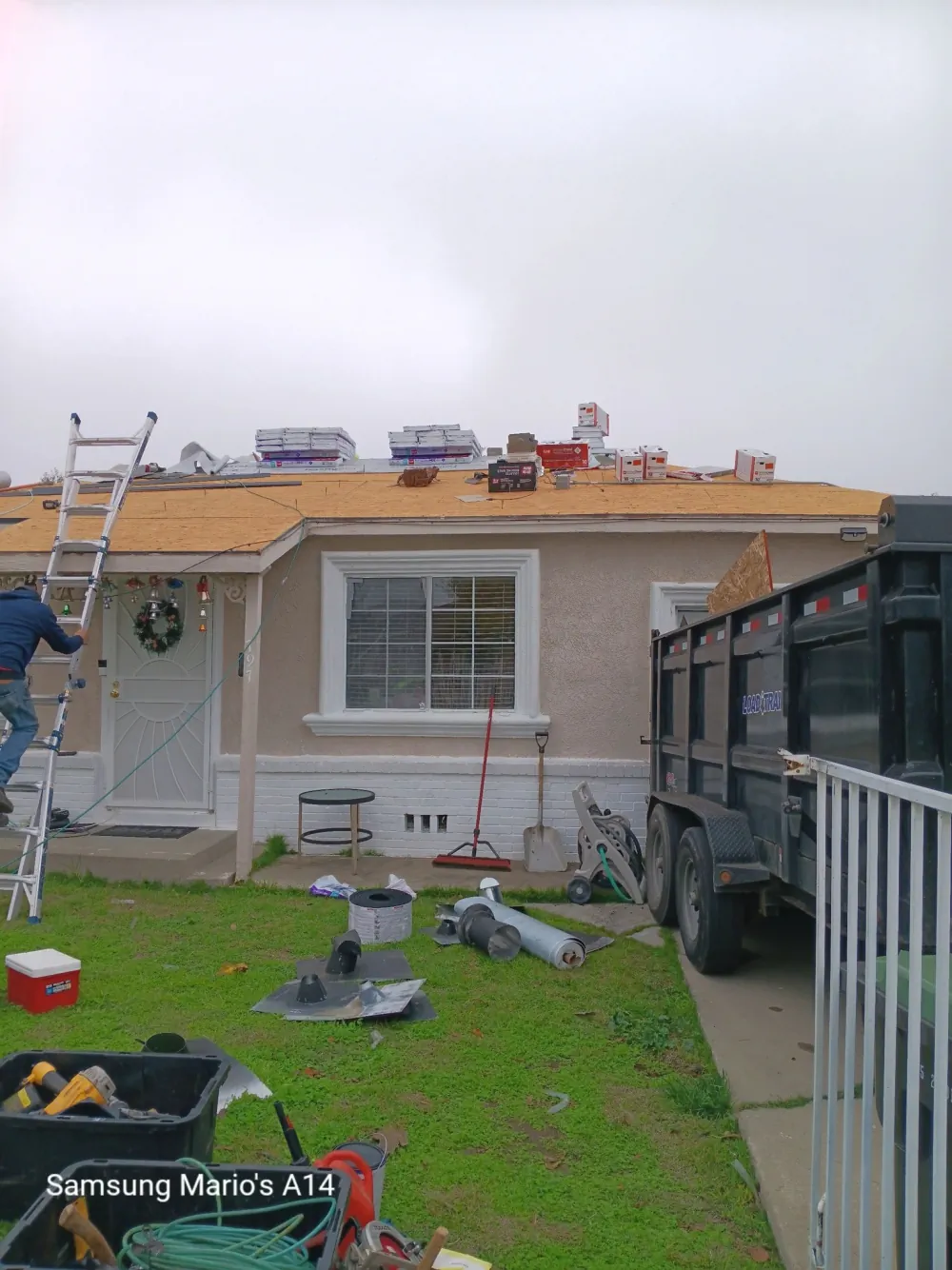
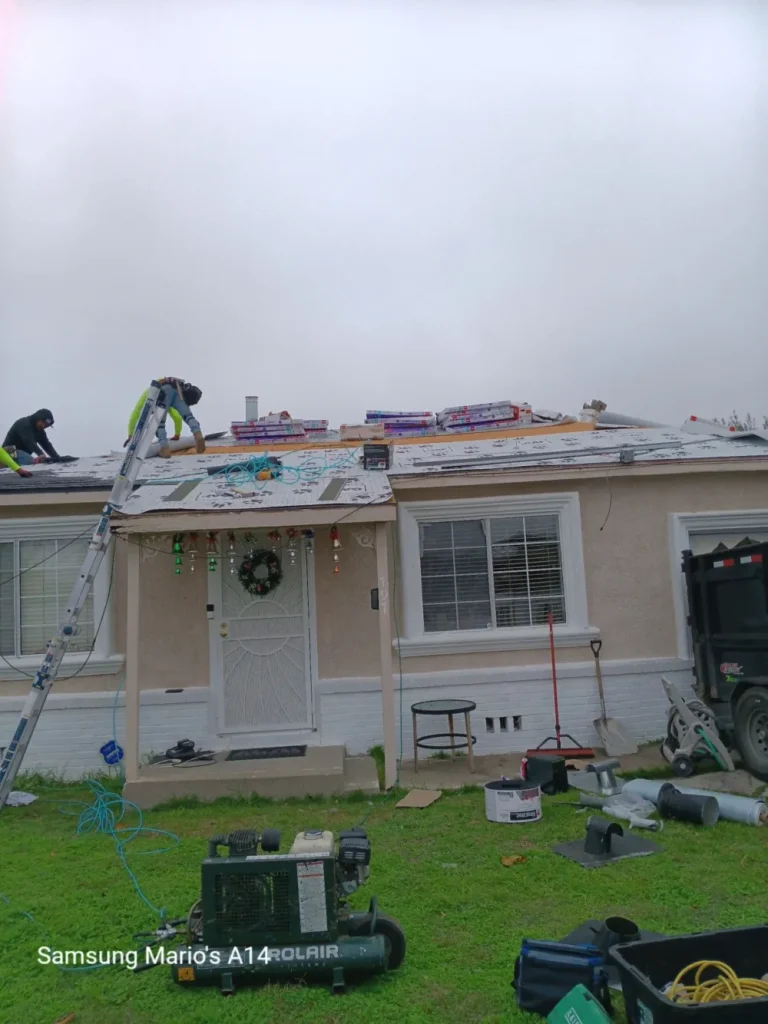
A clean roofing timeline is built around “dry-in.” Dry-in means the home is covered with underlayment and sealed enough to shed water, even before the final roofing goes on.

Typical Phases (Contractor-Led)

  1. Site visit and written scope (repair vs replacement)
  2. Material selection and ordering
  3. Permits/inspections if the scope requires them
  4. Jobsite protection and material staging
  5. Tear-off and deck inspection
  6. Deck repairs (if needed), then underlayment and flashing
  7. Install roofing, vents, and edge details
  8. Cleanup, nail sweep, and final walkthrough

Budget Ranges & Timeline (Typical)

  • Small repair: Often same day once materials are on hand; cost is driven by access and flashing detail.
  • Partial reroof: Commonly a few days; cost shifts with layers removed and deck condition.
  • Full replacement: Often several workdays; permitting, material lead times, and repairs add time.

Maintenance Tips After The Job

  • Check gutters and downspouts after the first big rain and clear debris.
  • Look for cracked sealant or lifted flashing at penetrations during annual walk-arounds.
  • Keep tree branches trimmed back so they don’t rub roofing or drop heavy debris.
  • Address small issues early; a minor leak can damage insulation and drywall fast.

How To Avoid Delays

Most delays come from avoidable decisions: missing materials, unclear repair allowances, or inspections that weren’t scheduled in time. Overall, In a roofing vs diy alameda decision, treat planning as part of the work.

  • Confirm the scope in writing, including how hidden deck damage will be handled.
  • Order materials and accessory parts before tear-off day.
  • Keep your selections stable once work starts to avoid rework.
  • Set daily “dry-in” targets so the roof stays protected each evening.
  • Use photos to document any repairs before they are covered.
full roof replacement in ca solar panel removal reinstall mario

Serving Homeowners In Alameda

US Construction & Remodeling Corp. Also, helps Alameda homeowners compare DIY roof work versus hiring a licensed contractor, then turn that decision into a clear scope and timeline. If you’re searching roofing vs diy alameda, we’ll walk through safety, scope, and schedule before you commit. We focus on the details that prevent leaks—flashing, underlayment, and clean “dry-in” targets—so you’re not guessing once tear-off starts.

Schedule a planning call to talk through your timeline, material options, and what should happen on day one.

Local Note On Permits

Permits can apply to some reroof and replacement scopes. Additionally, In Alameda, many building and planning permit applications and tracking run through the City’s online Accela portal. Requirements vary by address and the exact work, so it’s smart to ask early—before materials are ordered and tear-off is scheduled.

Trust And Verification Checklist

  • Licensing and insurance: Ask for proof and verify status through California’s licensing resources.
  • Permits and inspections: Confirm who will pull permits if needed and who schedules inspections.
  • Communication: Set a single point of contact and agree on how you’ll get updates (text, email, photos).
  • Workmanship checks: Ask for photos of flashing and underlayment before they’re covered.
  • Change orders: Any deck repair or added scope should be priced and approved in writing.

Want to talk it through by phone instead? Call +1 (916) 234-6696.

Helpful Links

Frequently Asked Questions

Sometimes, but only when the scope is small and access is safe. The key is keeping the roof watertight the same day.

  • DIY can fit: a few missing shingles or a small, accessible flashing issue.
  • Call a pro: steep/high roofs, soft spots, repeated leaks, or any large tear-off.
  • Don’t guess the leak location: confirm from the attic when possible.

DIY can reduce labor cost, but it shifts risk and hidden costs onto you. The biggest drivers usually include:

  • Roof pitch/height and access (safety setup takes time)
  • Number of layers to remove and disposal
  • Deck repairs found after tear-off
  • Flashing complexity (valleys, chimneys, skylights, vents)
  • Material choice and accessory parts

Many roof replacements require a permit, but requirements can vary by scope and address. The City of Alameda uses an online Accela portal for many building and planning permit applications and tracking.

Ask early which permit and inspection steps apply to your project, and confirm who will handle them if you hire a contractor.

Once work starts, many straightforward replacements finish in several workdays. Deck repairs, inspection timing, and material availability can add time.

DIY timelines often run longer because weather windows, tool rentals, and weekend-only work stretch the schedule.

Keep it simple and document-based:

  • Verify license status and ask for proof of insurance for the scope.
  • Get a written scope that lists materials, flashing details, and cleanup.
  • Confirm how hidden deck repairs are documented and priced.
  • Clarify who handles permits and inspection scheduling if they apply.

The right choice depends on your roof design, budget, and how much maintenance you want to deal with. Common options include asphalt shingles, metal, and tile systems.

  • Asphalt shingles: flexible and common, with many style options.
  • Metal: durable, but details at trim and transitions matter.
  • Tile: long-lasting, but heavier and not ideal for every structure.

Ask for product specs and make sure the full system (underlayment, flashing, vents) is included in the plan.

Licensed, insured & trusted local contractor

US Construction & Remodeling Corp.
4424 Freeport Blvd, Sacramento, CA, 95822
Phone: +1 (916) 234-6696

CSLB License #: 1117562 Fully licensed and insured.

View our Google Business Profile

Related service

Looking for a step-by-step overview before you choose materials? Read Roof Repair & Roof Replacement in Sacramento, CA.

Related articles

Leave a comment

This website uses cookies to improve your web experience.
Explore
Drag