
Remodel Cost: Roofing Cost In San Francisco
Planning a roof project in San Francisco starts with one hard question: what will it cost? The remodel cost can swing widely based on roof size, roof style, access, and what you find after tear-off (removing the old roof). This guide gives realistic ranges, the trade-offs that change pricing, and a typical timeline so you can budget before you request an on-site quote.
Quick checklist:
- List the biggest cost drivers (roof size/pitch, material, tear-off, decking repair, and flashing/vents).
- Pick a material system and verify underlayment, flashing, and ventilation details.
- Clarify tear-off vs overlay and what happens if decking damage is found.
- Compare 2–3 itemized bids (materials, disposal, permits, warranty).
- Schedule around weather and confirm daily cleanup and protection.
- Do a final walkthrough: flashing, vents, and warranty documentation.
TL;DR: Expect a wide spread in pricing because scope matters more than material alone. Compare line items, not just totals, and plan for a little contingency. When you're ready, book online for a site-specific estimate.
- Identify your roof type: steep-slope shingles vs low-slope membrane
- Ask if tear-off and disposal are included
- Confirm how wood deck repairs are handled (the boards under the roof)
- Match material choices to your goal: value, lifespan, or aesthetics
- Plan for permits and inspections when the scope triggers them
- Get the quote in writing with a clear scope and exclusions
Want a firm price for your address? Free estimate or call +1 (916) 234-6696.
Remodel Cost Checkpoints
| Cost driver | What changes it | How to control it |
|---|---|---|
| Roof size & pitch | Steeper/larger roofs require more labor and staging. | Confirm measured squares and access needs. |
| Material system | Shingles/tile/metal vary in cost and lifespan. | Compare warranties and underlayment specs. |
| Tear-off & disposal | Removing old layers adds labor and dump fees. | Clarify how many layers are included. |
| Decking/flashing repairs | Hidden damage can change scope after tear-off. | Include allowances and photo documentation. |
Roofing pricing in San Francisco is rarely “one number for everyone.” Two homes with the same floor plan can land in different ranges because the roof area, slope, and access change how crews work. Additionally, A clear written scope is the simplest way to control remodel cost, because it prevents surprise add-ons mid-project.
Who This Guide Helps
- Homeowners seeing leaks, also stains, or missing roofing material
- Buyers or sellers who need the roof addressed before closing
- Owners planning solar, insulation, or attic work and want the roof ready
- Anyone comparing two or more bids and trying to line them up
Typical Ranges In San Francisco
Use these ranges as a starting point for budgeting. Also, They assume a professional install, basic site protection, and normal conditions. In addition, Your price can land higher or lower based on roof size, the number of existing layers, and whether the wood deck (the surface under the roofing) needs repair.
- Small repairs: $500–$2,500 (isolated leak fixes, replacing a small area)
- Larger repairs / partial replacement: $2,500–$8,000 (multiple leak points, edge damage, wider sections)
- Full roof replacement (many single-family homes): $12,000–$35,000+
- Low-slope (near-flat) roof systems: $15,000–$45,000+
- Premium materials (tile or metal): $25,000–$70,000+
Hypothetical example: A straightforward composition shingle replacement with one existing layer and easy access often lands near the middle of the range. In addition, Add steep slopes, tight access, or deck repairs and the number typically moves up.
What To Look For When Comparing Ranges
“Roofing” can mean very different scopes. For example, Ask each contractor to spell out what they will remove, what they will install, and what happens if they uncover damaged wood after tear-off.
- Underlayment (a protective layer under the shingles or tiles)
- Edge metal and drip protection at eaves and rakes
- Seals around roof penetrations (pipes or vents that pass through the roof)
- Replacement of damaged wood deck, if needed
- Cleanup, hauling, and disposal fees
If a bid looks much lower, it may exclude one of the items above. As a result, That can shift cost later, when you have less flexibility.
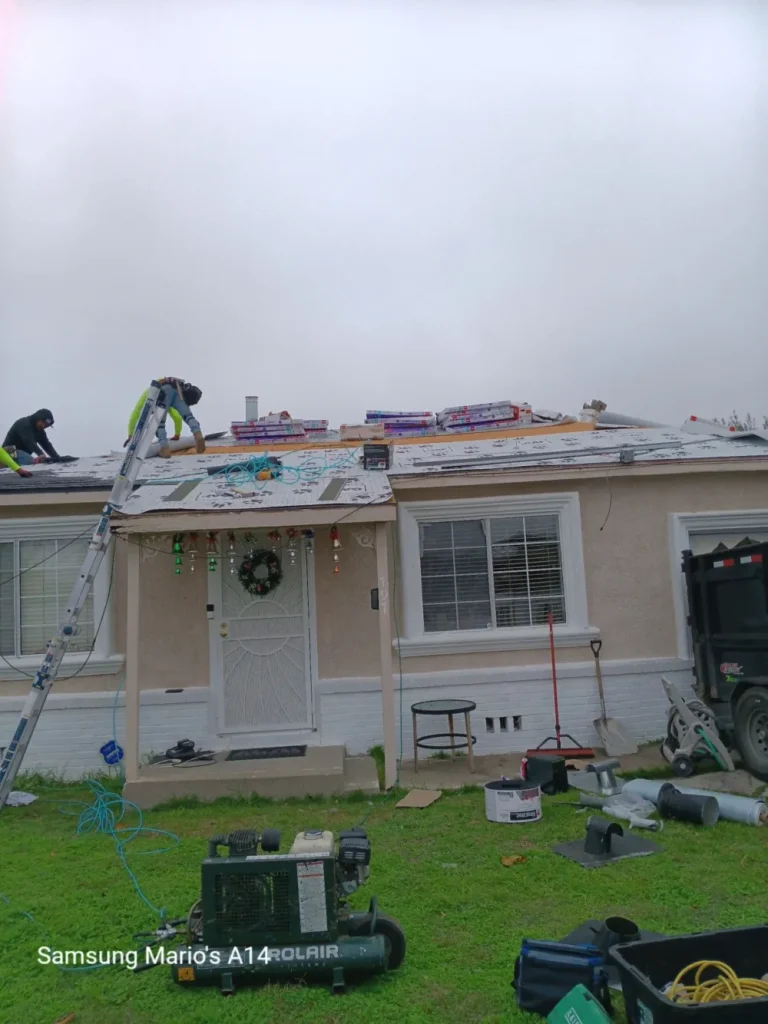
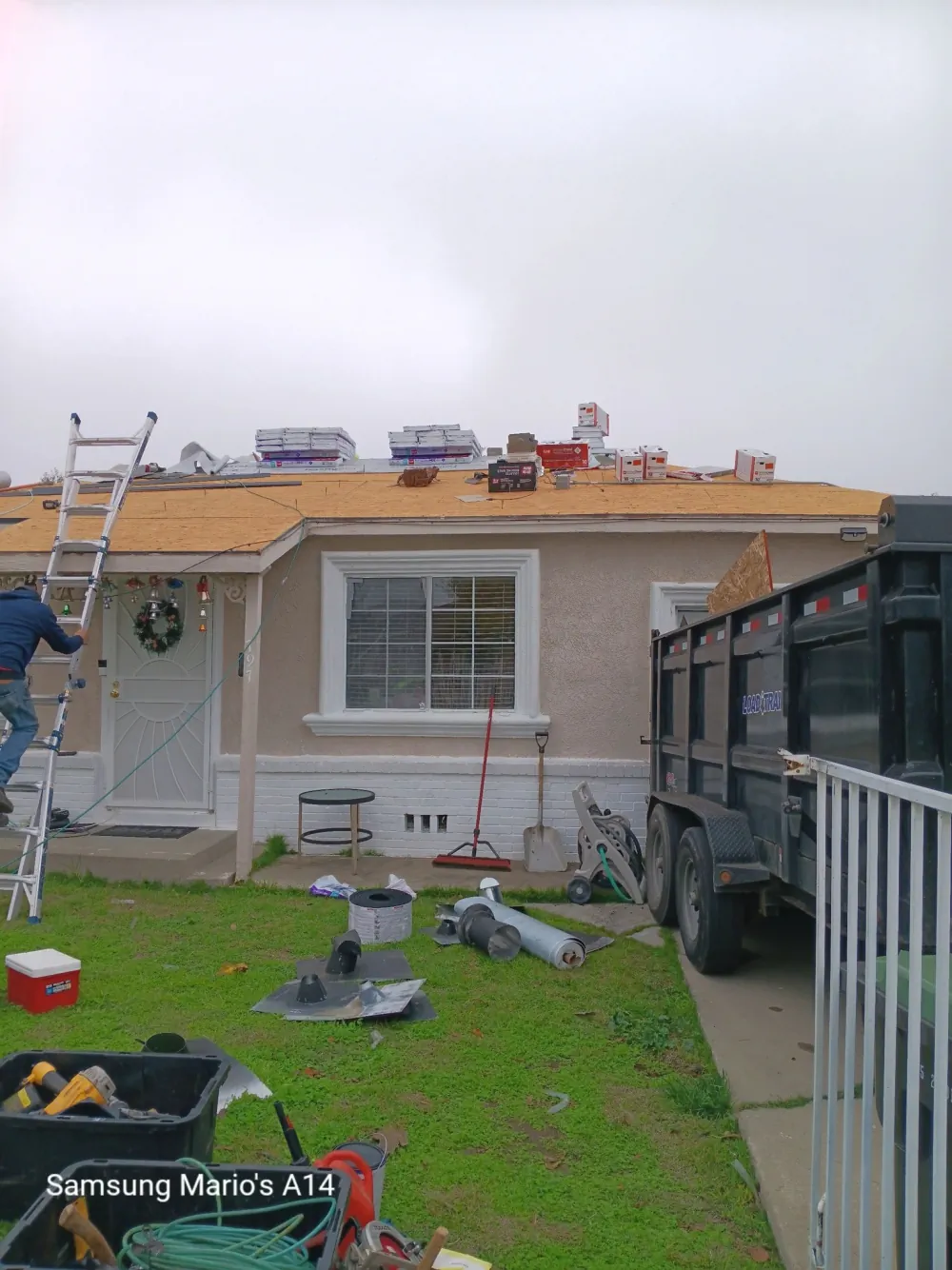
Labor, Materials, And Scope
Most roofing projects split into three buckets: labor, materials, and “unknowns.” The unknowns are usually wood repair and complexity. For this reason, You can reduce the unknowns by getting a detailed inspection and a line-item estimate.
Cost Table (Planning Ranges)
These planning ranges help you see where the money goes. Meanwhile, Actual numbers depend on roof size and material choice.
| Line item | Planning range | What it covers |
|---|---|---|
| Labor | $6,000–$18,000 | Removal, install, safety setup, jobsite protection, cleanup |
| Materials | $5,000–$20,000 | Roofing system, fasteners, edge metals, sealants |
| Disposal | $800–$3,500 | Hauling and dump fees for tear-off debris |
| Permits/fees (if required) | $300–$1,500+ | City fees and required inspections (scope-dependent) |
| Contingency / repairs | $1,000–$6,000+ | Decking (wood) repairs, dry rot, unexpected conditions |
Tip: Treat the contingency line as a planning buffer, not a blank check. Overall, Ask what triggers extra work and how pricing is approved before work starts.
Common Scope Add-Ons That Change Totals
- Gutter replacement or repairs
- Skylight replacement or curb repairs
- Additional waterproofing at valleys, walls, and penetrations
- Upgrading material type (for example, from composition shingles to tile or metal)
What Drives The Price Up Or Down
Roofing prices move when labor time changes or when the roof system changes. Also, Use the drivers below to predict direction before you request a quote.
Top Cost Drivers
- Roof type: Low-slope systems often cost more per square foot because they use layered waterproof materials.
- Slope and height: Steeper or taller roofs usually require more safety setup and slower work.
- Number of layers: More layers mean more tear-off time and heavier disposal.
- Access and staging: Limited space can add labor for hauling and protection.
- Penetrations and details: More pipes, skylights, and edges increase labor.
| Decision/condition | Typical cost impact | Typical timeline impact |
|---|---|---|
| Tear-off vs installing over existing | Installing over can cost less upfront; tear-off often reduces hidden risk | Tear-off adds about 1–2 days on many homes |
| Deck repairs after tear-off | Can add $1,000–$6,000+ | Adds 0–2 days depending on extent |
| Material upgrade (tile/metal) | Higher material and labor cost | May add days due to added detailing |
| Tight access or multi-story setup | More labor for hauling and protection | May add 1+ days |
Mistakes That Make Roofing More Expensive
- Choosing a bid with a vague scope (“replace roof”) and no material specs
- Comparing different roof systems as if they are equivalent
- Assuming the wood deck is fine without discussing how repairs are handled
- Not confirming how changes get approved and priced
- Waiting on small leaks until they spread
Timeline, Permits, And Scheduling Notes
A roof replacement is quick once work starts, but the calendar usually includes lead time for inspection, planning, and ordering. In San Francisco, permits and inspections can also affect the start date depending on scope.
Typical Timeline From Yes To Completion
- Site visit and measurement: 1–2 hours for most homes
- Quote and scope review: often 1–3 business days
- Permits (when required): a few days to several weeks
- Material ordering and delivery: often 3–10 business days
- On-site work: 2–7 days for many homes (includes tear-off and install)
- Final walkthrough and cleanup: same day as completion or next day
Permit And Inspection Basics For San Francisco Roofing
Many full roof replacements and any work that changes structural elements can require a building permit. Additionally, Some smaller repairs may not, but rules vary by scope and address. For this reason, San Francisco’s Department of Building Inspection (DBI) provides online permit tracking, and some common residential scopes may qualify for faster online pathways.
If you're unsure, treat the permit question as part of quoting. For this reason, A good estimate calls out whether the contractor expects a permit, what fees may apply, and what inspections are part of the scope.
Weather also matters. Additionally, Plan for a buffer in case rain or high wind pauses work, especially on steep roofs.

How To Get An Accurate Quote
Online averages can help you budget, but they won't catch the details that actually change price. Also, The fastest way to lock in a realistic remodel cost is an on-site inspection with photos and measurements, followed by a written scope you can compare.
Information To Have Ready
- Your address (access and staging options matter)
- The roof type (steep-slope shingle, tile, or low-slope system)
- Any known leak areas (interior stains, ceiling spots, past repairs)
- Whether you want a repair, partial replacement, or full replacement
- Your timing goals (ASAP, before a sale, before other projects)
Questions To Ask Before You Sign
- What exactly is included in tear-off, disposal, and cleanup?
- What underlayment and materials are specified (brand/type), and what is the install method?
- How will deck repairs be priced and approved if you find damaged wood?
- Does the scope include protecting landscaping and adjacent areas?
- Will a permit be required for this scope, and who pulls it?
What To Prioritize
Buyers rarely pay extra for a “fancier” roof if it looks the same from the street. Additionally, They do care about leaks, visible wear, and whether the roof looks professionally installed.
- Prioritize stopping leaks and replacing compromised materials first
- Choose a roof system that matches the slope and drainage needs of the roof
- Keep documentation of scope, materials, and permits (when required)
- Don’t over-upgrade materials if you plan to sell soon unless it clearly fits the home
US Construction & Remodeling Corp. As a result, provides roofing estimates for homeowners in San Francisco with clear scopes and practical options. Free estimate, or call +1 (916) 234-6696 if you want to talk through options first.
Helpful Links
Frequently Asked Questions
Budgeting ranges vary by roof type and scope. Small repairs often start around $500–$2,500. Many full replacements land in the $12,000–$35,000+ range, with low-slope systems and premium materials trending higher. Roof size, access, layers, and wood repairs move the number the most.
Many full roof replacements and any structural-related work can require a permit, while smaller repairs may not. Requirements depend on the exact scope and address. San Francisco DBI provides online information and permit tracking, and your contractor should clarify whether a permit applies to your project.
Once work starts, many homes take about 2–7 days on site. The full calendar can be longer because you may need time for a site inspection, a written scope, material ordering, and permits (when required).
A strong estimate spells out the scope and materials. Look for:
- Tear-off, disposal, and cleanup details
- Specified roofing system and underlayment type
- How deck repairs are handled and approved
- Protection plan for landscaping and adjacent areas
- Permit expectations and inspection scope (if required)
Repairs make sense when the leak source is isolated and the roof system is otherwise in good shape. Replacement often makes more sense when you have recurring leaks, widespread wear, multiple layers, or you want a long-term fix before other upgrades. An on-site inspection is the safest way to decide.
Get an on-site inspection with measurements and a written scope. That’s the fastest way to lock down scope and avoid surprises. You can Free estimate or call +1 (916) 234-6696.
Licensed, insured & trusted local contractor
US Construction & Remodeling Corp.
4424 Freeport Blvd, Sacramento, CA, 95822
Phone: +1 (916) 234-6696
CSLB License #: 1117562 Fully licensed and insured.
Related service
Looking for a step-by-step overview before you choose materials? Read Roof Repair & Roof Replacement in Sacramento, CA.