Skip links

Work Letter: Bar & Cafe Build-Outs in Sacramento

When a lease requires a tenant improvement work letter, clarity beats speed. Getting scope, access rules, and compliance responsibilities clear before pricing keeps a bar or cafe build-out moving. This commercial guide is written for Sacramento facility and property managers, project managers, and operators who need a buildable plan, not vague lease language.

Quick checklist:

  • Define the scope and your must-have outcome (performance, budget, timeline).
  • Confirm what work is involved and the order of operations.
  • Finalize measurements and key selections before ordering long-lead materials.
  • Collect 2–3 quotes and compare line-by-line (scope, allowances, cleanup, warranty).
  • Create a simple schedule and pre-order the items that most often cause delays.

A work letter should function like an operations document. It should define who performs each task, when the suite can be accessed, what permits and inspections apply (when required), and what closeout documentation must be handed over at turnover.

TL;DR: Tighten the work letter early so bids come back comparable and the schedule stays realistic. Delays usually trace back to mechanical, electrical, and plumbing boundaries, after-hours restrictions, and code or ADA items that weren’t priced. A short site walk plus a scope matrix prevents the biggest surprises.

  • Confirm landlord work vs. tenant work in a simple scope matrix.
  • Define allowances, alternates, and exclusions in writing.
  • Align drawings and submittals needed for pricing and permitting (as applicable).
  • Lock working hours, loading access, and utility shutdown windows.
  • Map inspections and sign-offs, including fire and life safety testing (as applicable).
  • List closeout deliverables: as-builts, warranty paperwork, and operations manuals.

What To Expect From A Commercial Tenant Improvement Work Letter For Bar And Cafe Build-Outs Sacramento Contractor

DecisionWhy it mattersQuick check
ScopeDefines what is included and prevents surprises.Write a line-item scope and allowances list.
Site constraintsAccess and hidden conditions can change the plan.Check access and existing surfaces before work starts.
SelectionsLong-lead items can drive the schedule.Confirm availability before starting.
PermitsSome scopes require approvals and inspections.Ask your city/county what applies to your project.

A contractor should treat the work letter as the rulebook for how the build-out runs day to day. Overall, Expect them to read the tenant improvement work letter with the lease exhibits and any landlord standards. Also, From there, they should flag items that affect schedule, coordination, and compliance.

Bars and cafes touch shared building systems. For example, Because of that, the most useful early deliverable is a scope matrix that separates landlord work, tenant work, and gray areas that need written decisions before pricing.

What You Should Receive Before You Approve Pricing

  • A document request list (lease excerpts, also work letter, landlord rules, existing drawings, equipment cut sheets).
  • A scope matrix with clear inclusions, exclusions, and allowances.
  • Bid assumptions that match building operations: working hours, shutdown windows, protection requirements, and cleanup standards.
  • A phasing concept aimed at minimizing disruption for adjacent tenants and common areas.
  • A compliance checkpoint list (ADA, fire and life safety, and health-related items when applicable).
  • A plan for submittals and long-lead procurement (millwork, specialty equipment, flooring, lighting).
  • Closeout expectations, including as-builts, warranty paperwork, and operations manuals.

Common Pressure Points In Bar And Cafe Build-Outs

  • Electrical capacity, panel access, and shutdown coordination.
  • HVAC scope (reuse vs. Additionally, replacement), roof penetrations, and landlord approval steps.
  • Plumbing tie-ins, venting routes, and grease waste strategy (when applicable).
  • Kitchen ventilation and fire suppression coordination (when applicable).
  • Fire alarm or sprinkler modifications, testing requirements, and acceptance sign-offs.
  • ADA impacts beyond the suite, such as restroom clearances, door hardware, thresholds, and accessible routes.
  • Noise, odor, and dust controls so other tenants can keep operating.

Who This Guide Is Built For

  • Facility and property managers who need controlled access, clear tenant coordination, and a clean closeout package.
  • GCs and project managers aligning subcontractor scope to lease constraints and inspection requirements.
  • Business owners and operators coordinating equipment, landlord approvals, and opening deadlines.

If you want a fast read on risk items before you go out to bid, call Call. As a result, We’ll help you turn the work letter into a scope checklist your team can price and schedule.

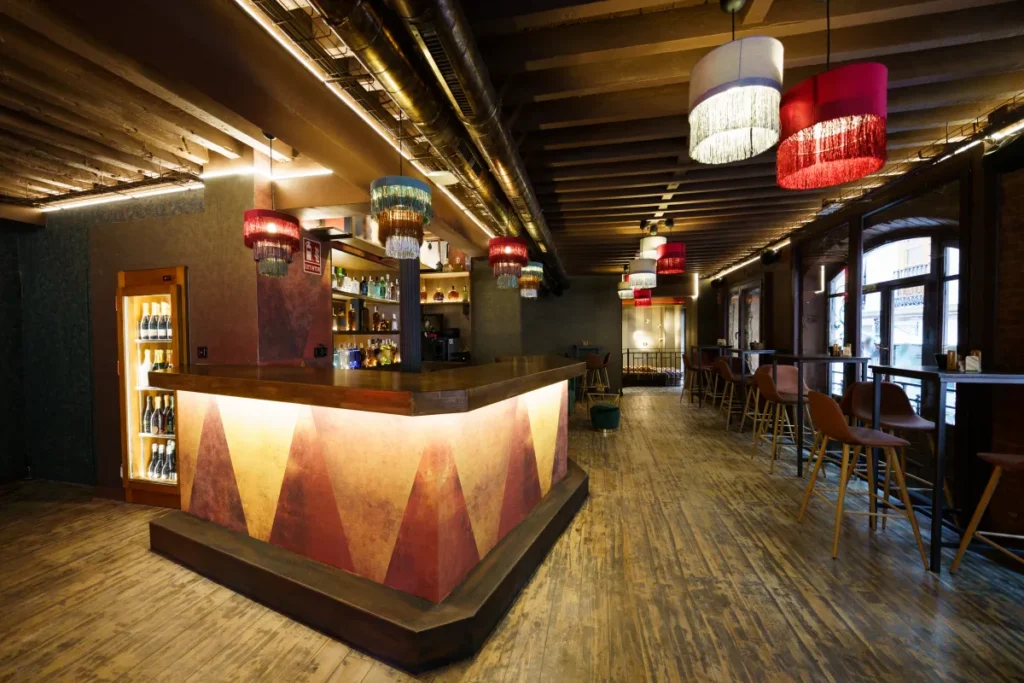
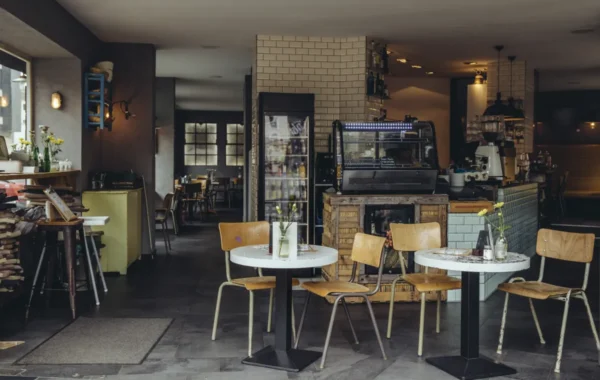
bar cafe build outs interior cafe wooden bar counter

Site Walk, Scope Definition, And Pre-Construction

A site walk is where the work letter meets existing conditions. For this reason, Ceiling space, shaft access, utility locations, and base-building limits all influence design, cost, and schedule on bar and cafe build-outs.

Bring the tenant improvement work letter to the walk and confirm what the landlord expects you to protect, what hours you can work, and what shutoffs require advance notice. Meanwhile, Those answers belong in the bid package, not in someone’s memory.

Roadmap From Work Letter To Mobilization

  1. Kickoff and document intake: collect the work letter, lease exhibits, landlord standards, existing drawings, and any equipment requirements.
  2. Site walk and verification: confirm access routes, staging options, utility points, ceiling/plenum constraints, and existing fire/life safety devices.
  3. Scope matrix and questions list: separate landlord vs. Also, tenant scope and write down decisions needed before pricing.
  4. Bid strategy: decide whether you need a budgeting pass, design-assist pricing, or a hard bid based on drawing completeness.
  5. Schedule and phasing plan: build a look-ahead schedule that respects working-hour rules, shutdown windows, and long-lead items.
  6. Permits and inspections plan (as applicable): identify plan check needs, trade permits, testing, and the inspection sequence needed for turnover.
  7. Submittals and procurement: release long-lead materials early and confirm delivery timing, storage, and protection.
  8. Preconstruction alignment: set communication routines with the property team and confirm access, safety, and cleanup expectations.
  9. Mobilization: install protections, set staging, post safety signage, and start work per the approved phasing.

Cost & Timeline Snapshot (Typical Drivers)

  • After-hours work can reduce disruption, but it may increase labor and supervision costs.
  • Kitchen ventilation, suppression, and fire/life safety scope often drive plan review and coordination time.
  • ADA-related upgrades can expand scope, especially when routes or restrooms need adjustment to meet current standards.
  • Long-lead items (millwork, specialty equipment, flooring) can set the critical path if they aren’t released early.

Key Decisions To Capture In Writing

DecisionWhy it mattersWork letter detail to confirm
Working hours and noise limitsControls phasing, staffing, and disruption levelAllowed hours, weekend rules, and after-hours requirements
Utility shutdown responsibilityImpacts safety, schedule, and tenant coordinationNotice periods, who coordinates with building staff, and approved windows
Fire and life safety scopeDrives inspections, testing, and turnover timingTesting/acceptance steps and documentation needed for closeout
Landlord review and approvalsAdds time if the approval chain is unclearWho approves submittals, how long reviews take, and what triggers resubmittals
Closeout package requirementsPrevents late surprises at turnoverAs-builts, warranties, operations manuals, and training expectations

For a bid that matches your lease constraints, share the work letter and any landlord standards before pricing. In addition, That lets the schedule reflect real access rules and reduces change orders later.

Scheduling After Hours And Access Logistics

Bar and cafe build-outs often happen inside occupied commercial properties, so scheduling is as important as the scope. For this reason, A strong plan protects adjacent tenants, keeps egress clear, and prevents noisy work from colliding with business hours.

Site Access And Logistics Checklist

  • Access control: keys/badges, escort rules, lockbox policies, and after-hours contacts.
  • Loading and deliveries: loading-zone rules, dock/elevator reservations, delivery times, and material handling routes.
  • Staging and storage: secure laydown areas, protected storage, and restrictions on common-area use.
  • Protection: floor and wall protection, dust containment, odor control, and signage for occupied areas.
  • Utility tie-ins: planned shutdown windows, notification requirements, and contingency plans if access changes.
  • Cleanup: daily housekeeping standard, debris routes, and end-of-shift site securing.
  • Coordination: a weekly look-ahead schedule shared with the property team and any adjacent tenants.

Phasing Options That Minimize Downtime

  • Isolate work zones with temporary partitions and keep accessible paths open.
  • Schedule loud or dusty activities after hours when the building allows it.
  • Prefabricate assemblies offsite when practical to shorten onsite time.
  • Use alternates for schedule-driven choices (after-hours premium vs. longer daytime duration).

When the work letter spells out access and protection rules, teams avoid day-one surprises. As a result, If your building has tight access windows, ask for an alternate schedule so you can choose the best disruption profile.

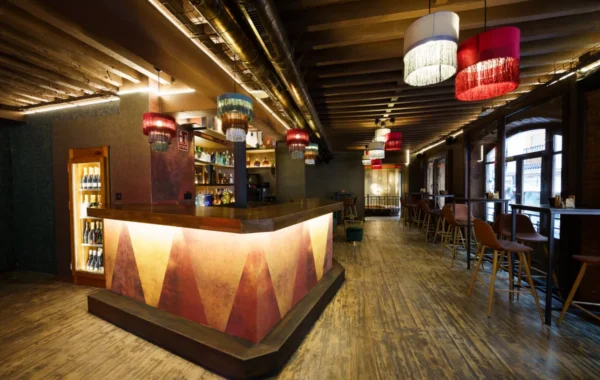
bar cafe build outs lighting illumination concept vintage luxury

Quality Control, Inspections, And Punch List

US Construction & Remodeling Corp. In addition, helps Sacramento commercial clients translate a tenant improvement work letter into an inspection-ready build plan. For example, We coordinate scheduling and phasing to protect building operations, keep compliance items visible, and package documentation for closeout. Call Call for a quick work-letter review, or request a site walk to start a bid.

Quality Controls That Support Inspections

  • Trade-by-trade scope confirmation so subcontractor proposals match the work letter boundaries.
  • Photo documentation of in-wall work before close-in, plus a running issues log.
  • Pre-inspection checks to confirm clearances, labeling, and required access panels.
  • Punch list tracking with owners/PMs so open items don’t drift into turnover week.

Inspections go smoother when responsibilities are assigned in advance. Also, If the lease places inspections or sign-offs on the tenant, build those steps into the schedule early and keep the documentation centralized.

Closeout Documentation You Can File And Reuse

  • Submittals and product data for key finishes and equipment (as applicable).
  • As-built drawings reflecting approved field changes.
  • Warranty paperwork and a clear point of contact for warranty questions.
  • Operations and maintenance manuals for installed systems and equipment (as applicable).
  • Inspection sign-offs and any test reports required for turnover (as applicable).

Transparency And Verification

  • What a proposal should include: scope narrative, assumptions, alternates, and a phasing schedule tied to access rules.
  • What should be called out as exclusions: items not defined in the work letter or drawings, plus landlord-provided work.
  • How to verify quality: review submittals, inspection sign-offs, and the punch list log before turnover.

Locally Grounded Coordination In Sacramento

In Sacramento, permitting and plan review are typically managed through the City of Sacramento Community Development portal (Accela Citizen Access). Additionally, Even when a design team files the application, construction schedules still depend on plan review cycles, resubmittals, and inspection availability. We plan around those realities and keep your closeout package aligned with what inspectors and property teams expect to see.

Tightening A Work Letter Before Bidding

This is a hypothetical example to illustrate a common pattern.

  • Before: The work letter referenced an allowance but didn’t define what it covered, and it was unclear who owned fire/life safety testing sign-offs. For this reason, The GC received bids that couldn’t be compared, and the schedule had no inspection milestones.
  • After: The team produced a scope matrix, clarified allowances and exclusions, added an alternate for after-hours work, and mapped inspections into the schedule. Meanwhile, Pricing came back cleaner, and turnover expectations were documented.

Maintenance Plans And Service Contracts (If Applicable)

Some property teams prefer a single point of contact after turnover, especially when a bar or cafe space sits in a multi-tenant building. As a result, A maintenance plan is optional, but it can reduce downtime by turning small issues into scheduled service rather than urgent callbacks.

What A Light Commercial Maintenance Plan Can Include

  • Minor door, hardware, and threshold adjustments to keep egress and accessibility functioning.
  • Touch-ups and small finish repairs that protect shared-area aesthetics and cleanliness.
  • Targeted repairs for flooring transitions, base, and wall protection in high-traffic areas.
  • Warranty coordination support, including documentation handoff and issue triage.

Ask for a maintenance addendum during bidding if you want defined response expectations and a documented handoff. Also, That keeps warranty boundaries clear and helps your team budget for post-turnover support.

Helpful Links

Frequently Asked Questions

tenant improvement work letter A work letter should remove ambiguity. For bar and cafe tenant improvements, the essentials include scope boundaries, access rules, and compliance responsibilities.

  • Landlord vs. tenant scope matrix, including allowances and exclusions.
  • Working hours, noise limits, loading rules, and shutdown windows.
  • Drawing and submittal requirements for pricing and permitting (as applicable).
  • Change order path and approval authority (landlord and tenant).
  • Inspection and testing milestones needed for turnover (as applicable).
  • Closeout deliverables: as-builts, warranties, and operations manuals.

Yes—when the project scope requires permits and inspections, we coordinate the plan, scheduling, and documentation with your team. The responsible party can vary by lease and contract, so we confirm that early and build it into the schedule.

In Sacramento, teams commonly track plan review and permit status online through the City’s Community Development portal (Accela Citizen Access). We plan inspection milestones around that workflow and keep sign-offs organized for closeout.

Pricing is most accurate when the work letter and drawings describe the same scope. When they don’t, the bid needs allowances and alternates so you can compare proposals.

  • Completeness of drawings and specifications.
  • Mechanical, electrical, and plumbing intensity and tie-in constraints.
  • After-hours requirements and site-access restrictions.
  • Fire and life safety work, testing, and inspection steps (as applicable).
  • ADA impacts and required path-of-travel adjustments (as applicable).
  • Protection, cleanup, and debris-handling rules for occupied buildings.

Timeline depends on approvals, document readiness, and long-lead items. A clear work letter helps, but it still takes coordination to lock the start date.

  • Landlord review cycles and required submittals.
  • Design completeness and the number of open scope decisions.
  • Permit/plan review duration when permits apply.
  • Lead times for millwork, specialty equipment, and key finishes.
  • Building access windows and required shutdown scheduling.

A professional closeout package makes future maintenance and compliance checks easier. At a minimum, request:

  • As-built drawings reflecting approved field changes.
  • Submittals and product data for installed materials and equipment (as applicable).
  • Warranty documentation and warranty contact information.
  • Operations and maintenance manuals (as applicable).
  • Inspection sign-offs and any required test reports (as applicable).
  • Punch list sign-off confirming completion.

Maintenance support is optional, and it works best when it’s defined up front. For multi-tenant properties, a light service plan can reduce downtime by handling small repairs on a schedule.

We can also assist with warranty coordination by organizing documentation and helping route issues to the right trade or manufacturer, based on the warranty terms.

Call Call to discuss your Sacramento bar or cafe TI scope and work-letter constraints. If you prefer, you can also request a site walk online.

To speed up pricing, have the work letter, any landlord standards, a basic plan of the space, desired working hours, and a rough equipment list ready.

Licensed, insured & trusted local contractor

US Construction & Remodeling Corp.
9821 Business Park Dr, Sacramento, CA, 95827
Phone: +1 (916) 234-6696

CSLB License #: 1117562 Fully licensed and insured.

View our Google Business Profile

Service info for Sacramento

For the complete overview of process and planning in Sacramento, visit Bar & Café Build-Outs.

Related articles

  • Kitchen Remodeling Cost in San Francisco: Budget + Timeline Guide
  • Roofing Permit Requirements in Roseville: Timeline + Checklist
  • Roofing Contractor In Berkeley
Leave a comment

This website uses cookies to improve your web experience.
Explore
Drag