Skip links

Gray Kitchen Cabinets: A Contractor’s Guide for California

Thinking about a kitchen refresh? gray kitchen cabinets can give you a clean, modern look while staying practical for daily cooking. This guide covers design choices, materials, and what a professional contractor should manage so your cabinet upgrade stays on track in California.

Quick checklist:

  • Decide the cabinet plan (reuse boxes, refacing, or full replacement).
  • Pick a material and finish that matches how the kitchen is used day to day.
  • Compare hinges and drawer slides (soft-close, full extension) for long-term durability.
  • Confirm lead times and delivery logistics before ordering.
  • Verify how fillers, panels, and trim will be handled so everything fits cleanly.
  • Get 2–3 bids with the same scope (demo, install, adjustments, disposal).

TL;DR: Match the gray undertone to your lighting, then pick door style, hardware, and countertops as a set. A solid contractor confirms measurements, lead times, and any trade work that ties into the cabinet install. When you’re ready, US Construction & Remodeling Corp. can review your plan and provide a clear estimate.

  • Test warm vs cool gray samples in daytime and at night.
  • Choose the scope: paint/refinish, reface, or full replacement.
  • Lock in door style and hardware finish together.
  • Decide storage upgrades (drawers, pull-outs, pantry) early.
  • Coordinate countertops, backsplash, and sink location.
  • Plan layered lighting so gray doesn’t look flat.

Why Homeowners Hire Help For Gray Kitchen Cabinets

DecisionWhy it mattersQuick check
Box materialAffects durability and hardware hold over time.Compare plywood vs particleboard and edge sealing.
Door styleSets the look and cleaning effort.Shaker vs slab; consider fingerprints and wear.
Finish systemControls scratch and moisture resistance.Prefer factory finishes for consistency when possible.
Lead timesOften the biggest schedule driver.Order early and plan delivery/storage.
  • Warm gray Shaker cabinets with matte black pulls to keep contrast crisp.
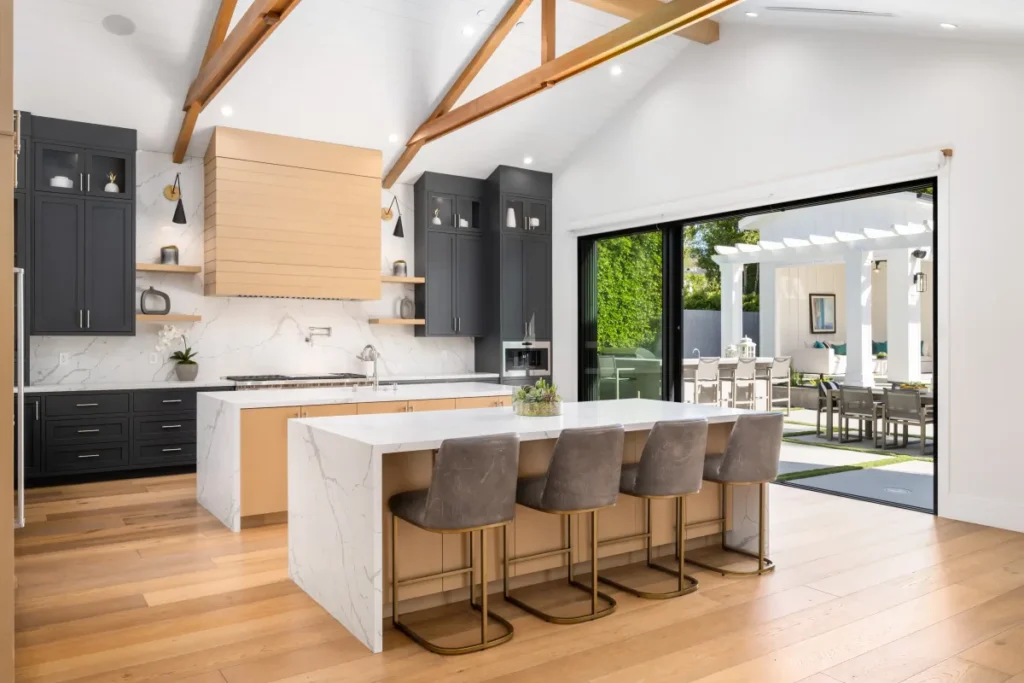
  • Two-tone approach: gray perimeter cabinets with a wood-tone island for warmth.
  • Light gray cabinets paired with white quartz for a bright, also easy-to-clean kitchen.
  • Medium gray bases with lighter uppers to balance depth and openness.
  • Flat-panel gray cabinets with integrated pulls for a modern, low-clutter look.
  • A simple subway or stacked tile backsplash to keep the cabinet color as the focal point.
  • Open shelving or a single glass-front run to break up long cabinet walls.
  • Brushed nickel or champagne bronze hardware that matches faucet and lighting finishes.
  • Under-cabinet lighting to prevent shadows that can make gray look dull.
  • Tall pantry cabinets and deep drawers to boost storage in smaller layouts.

Homeowners hire help when they want the color to look right in their specific lighting and they want the install to stay tight. Overall, A contractor can confirm cabinet sizing, filler pieces, and hardware clearances, plus coordinate countertops and any electrical changes for lighting. For this reason, That planning cuts rework and keeps your kitchen usable.

Common Planning Mistakes To Avoid

  • Picking a gray from a phone screen instead of testing samples on the actual wall.
  • Ignoring undertones (blue, green, beige) that shift under different bulbs.
  • Choosing hardware late and discovering it does not fit the door style or overlay.
  • Keeping a cramped layout when a small change could add drawers or a pantry run.
  • Skipping a lighting plan and ending up with dark corners or harsh glare.
  • Underestimating lead times for doors, specialty organizers, and countertops.

Resale & ROI Priorities

gray kitchen cabinets can support resale because the color reads neutral for many buyers. For example, ROI still comes from function and finish quality, not the paint chip alone.

  • Prioritize durable hinges and drawer slides; smooth function is noticed immediately.
  • Spend on storage upgrades buyers feel every day: deep drawers, trash pull-out, pantry.
  • Keep backsplash and countertop choices timeless so the cabinet color stays flexible.
  • Choose lighting that improves task visibility and flatters the overall palette.

pendant lighting over kitchen island

How To Choose The Right Contractor

Cabinets are a finishing system, not a single product. Also, The right contractor helps you choose a gray that fits your lighting, then installs cabinets so doors align, reveals look consistent, and drawers glide smoothly.

What To Ask During A Walkthrough

Ask how the contractor will confirm measurements, handle uneven walls, and plan around appliances. Also ask who orders the cabinets, where deliveries go, and how damaged parts get replaced if they arrive that way.

  • How do you verify the cabinet layout in the actual room?
  • How do you handle out-of-square walls and floors?
  • Who coordinates countertop templating and backsplash timing?
  • How will you protect floors and control dust?

Trust Checklist (Before You Sign)

Expect the basics in writing and do not rely on verbal promises.

  • License and insurance: confirm the contractor carries active coverage and can provide proof.
  • Written scope: list cabinet line, door style, finish, hardware, and any related work (countertops, lighting, paint, flooring).
  • Permits and inspections: confirm who will pull permits if the work expands beyond a simple cabinet swap.
  • Communication: set a single point of contact and agree on update frequency.
  • Workmanship checks: confirm you will review alignment, drawer function, and touch-ups before closeout.

Layouts That Work With Gray Cabinets

Layout decisions drive function, cost, and how the color reads. In addition, Gray can look heavy in a tight kitchen, so storage and lighting matter as much as shade.

  • Galley: use light-to-medium gray and add under-cabinet lighting to keep the corridor bright.
  • L-shape: put drawers and trash pull-outs on the main run so prep feels efficient.
  • U-shape: mix uppers and open shelves to avoid a boxed-in look with darker grays.
  • Island-centered: consider two-tone (gray perimeter, contrasting island) to add depth and seating.

For small kitchens, prioritize deep drawers over base cabinets with shelves, and use taller uppers to gain storage without widening the footprint.

Cabinet Door Styles And Construction

Door style sets the look, while box construction sets durability. As a result, A good contractor will explain both, then recommend the right finish for your household.

  • Shaker: versatile and forgiving; works well in most homes.
  • Slab/flat-panel: sleek and modern; shows alignment, so installation needs to be precise.
  • Inset: high-end look; needs tight tolerances and can increase labor.

For painted gray, smooth door materials deliver clean lines, while a wood-grain door adds texture. For this reason, Ask about finish sheen (matte vs satin) based on how often you wipe down cabinets.

Countertops, Backsplash, And Flooring

The gray you pick should coordinate with the permanent surfaces. Meanwhile, Bring countertop and flooring samples to the cabinet decision so you do not chase undertones later.

  • Quartz: consistent, low-porosity, and easy to maintain; great with light or medium gray cabinets.
  • Granite: adds natural variation; choose a slab that does not fight the cabinet undertone.
  • Butcher block: adds warmth; plan for regular sealing and avoid soaking near sinks.
  • Backsplash tile: simple patterns keep the look timeless, while bold patterns work best when the rest stays quiet.
  • Flooring: LVP offers durability, tile handles spills well, and hardwood brings warmth if you can protect it.

Layered Lighting To Keep Gray Looking Rich

Gray shifts more than white under lighting. Additionally, Combine ambient ceiling lighting with task lighting at counters, then add accent lighting to highlight the backsplash or open shelving.

Under-cabinet lighting matters because it reduces shadows that can make cabinets look darker than the sample.

If you want help comparing shades and scope options, you can request a free estimate online and get a clear plan for your kitchen.

Planning To Completion

A cabinet-focused kitchen project moves fastest when selections, delivery, and trade scheduling line up. As a result, Your contractor should keep the sequence clear so the kitchen is not down longer than necessary.

How The Job Typically Runs

  1. On-site consultation to confirm goals, measurements, and site conditions.
  2. Layout planning around appliances, clearances, and storage priorities.
  3. Selections for cabinet line, door style, finish, and hardware, plus countertop and backsplash direction.
  4. Ordering and lead-time tracking, with a realistic start date.
  5. Site protection (floors, dust barriers) and removal of existing cabinets when replacing.
  6. Any required trade work (electrical, plumbing, patching) coordinated in the right sequence.
  7. Cabinet installation, fillers/trim, and alignment checks.
  8. Countertop templating and installation, then sink/faucet and fixture coordination if part of scope.
  9. Backsplash, hardware install, final adjustments, cleanup, and walkthrough.

Decision Table (High-Impact Choices)

ChoiceOptionsWhat it impacts
ScopePaint, reface, replaceDowntime, layout flexibility, overall budget
FinishMatte, satin, semi-glossCleaning ease and how gray reads in light
Door styleShaker, slab, insetLook, labor, and alignment tolerances
Related upgradesCountertops, backsplash, lightingScheduling, coordination, and lead times

Budget & Timeline (Typical)

Costs and timing vary widely because a cabinet refresh and a full kitchen change are not the same job. In addition, The biggest drivers are scope, cabinet line, lead times, and whether you add countertops, flooring, or lighting work.

Budget Ranges & Timeline (Typical)

  • Paint/refinish often costs less and can move faster, but prep and cure time still matter.
  • Refacing can reduce demolition, yet door and hardware lead times still apply.
  • Full replacement takes more planning and ordering, and it is the right time to improve layout.
  • Most cabinet-focused updates take weeks from selections to finish, especially when trades are involved.

Maintenance Tips For A Gray Finish

Good maintenance protects both the color and the hardware.

  • Wipe spills quickly, especially near sinks and dishwashers.
  • Use a mild cleaner and a soft cloth; avoid abrasives that dull paint.
  • Keep microfiber towels handy for fingerprints on darker gray doors.
  • Adjust hinges and drawer fronts if alignment shifts over time.
  • Use cabinet bumpers and felt pads where doors or pulls contact surfaces.
  • Run the hood fan while cooking to reduce grease settling on cabinet faces.

soapstone countertops baking ingredients kitchen table top view

How We Help In Sacramento

US Construction & Remodeling Corp. Meanwhile, helps Sacramento homeowners plan and install gray kitchen cabinets with clear design choices, precise measurements, and coordinated scheduling. We also coordinate related trades when your cabinet upgrade includes lighting, countertops, or plumbing fixtures.

Schedule your free estimate online to review cabinet options and get a written plan. Also, If you prefer to talk by phone, call +1 (916) 234-6696.

Sacramento Permitting Note

If your cabinet project expands into wall changes, new circuits, or plumbing moves, permits may apply. Also, In Sacramento, permitting and plan review typically run through the City of Sacramento Community Development portal (Accela Citizen Access), and applications, payments, and status tracking are handled online. Additionally, Requirements vary by address and scope, so a walkthrough is the right time to confirm the likely path.

Workmanship And Accountability

You should expect licensed, insured work, a clean jobsite, and clear communication. As a result, At handoff, doors and drawers should operate smoothly, hardware should feel solid, and cabinet reveals should look consistent across the run.

Contact: US Construction & Remodeling Corp. | +1 (916) 234-6696 | https://usconstructioncali.com/

Helpful Links

Frequently Asked Questions

Start by checking your fixed finishes: countertops, floors, and backsplash. Warm grays pair well with creamy whites and wood tones, while cool grays sit better with bright whites and stainless. Test large samples in your kitchen during daylight and at night so the undertone does not shift on you.

It depends on the condition of your existing boxes and your layout goals.

  • Paint/refinish: best when boxes are solid and the layout works.
  • Reface: useful when boxes are good but doors and drawer fronts feel dated.
  • Replace: the right move when you want a new layout, better storage, or damaged boxes fixed.

The biggest drivers are scope and selections. Layout changes, cabinet line/grade, door style, hardware, and specialty storage add cost. Countertops, backsplash, flooring, and lighting upgrades also change the timeline because they require additional coordination.

Permits depend on what the project includes. A straightforward cabinet swap may not trigger permitting, but electrical changes, plumbing moves, or structural work often do. A good contractor will flag the likely needs and coordinate with the local building department when required.

White or off-white quartz is a reliable pairing, and warm wood tones can keep the kitchen from feeling cold. For hardware, matte black creates contrast, brushed nickel stays classic, and champagne bronze adds warmth. Match the hardware finish to your faucet and lighting so the room reads intentional.

Expect the calendar to be driven by selections and lead times, not only installation days. Once materials are on site, cabinet installation and related finish work can move quickly. If you add countertops, backsplash, or lighting changes, the schedule expands because trades need to work in sequence.

Ask for proof of insurance, confirm the contractor holds an active California license, and get a detailed scope in writing. You should also ask who is responsible for ordering, delivery checks, and warranty handling. Finally, make sure you understand the communication plan and how changes are approved during the job.

Licensed, insured & trusted local contractor

US Construction & Remodeling Corp.
9821 Business Park Dr, Sacramento, CA, 95827
Phone: +1 (916) 234-6696

CSLB License #: 1117562 Fully licensed and insured.

View our Google Business Profile

Service info for Sacramento

For the complete overview of process and planning in Sacramento, visit Kitchen Remodeling.

Frequently Asked Questions

Start by checking your fixed finishes: countertops, floors, and backsplash. Warm grays pair well with creamy whites and wood tones, while cool grays sit better with bright whites and stainless. Test large samples in your kitchen during daylight and at night so the undertone does not shift on you.

It depends on the condition of your existing boxes and your layout goals.

  • Paint/refinish: best when boxes are solid and the layout works.
  • Reface: useful when boxes are good but doors and drawer fronts feel dated.
  • Replace: the right move when you want a new layout, better storage, or damaged boxes fixed.

The biggest drivers are scope and selections. Layout changes, cabinet line/grade, door style, hardware, and specialty storage add cost. Countertops, backsplash, flooring, and lighting upgrades also change the timeline because they require additional coordination.

Permits depend on what the project includes. A straightforward cabinet swap may not trigger permitting, but electrical changes, plumbing moves, or structural work often do. A good contractor will flag the likely needs and coordinate with the local building department when required.

White or off-white quartz is a reliable pairing, and warm wood tones can keep the kitchen from feeling cold. For hardware, matte black creates contrast, brushed nickel stays classic, and champagne bronze adds warmth. Match the hardware finish to your faucet and lighting so the room reads intentional.

Expect the calendar to be driven by selections and lead times, not only installation days. Once materials are on site, cabinet installation and related finish work can move quickly. If you add countertops, backsplash, or lighting changes, the schedule expands because trades need to work in sequence.

Ask for proof of insurance, confirm the contractor holds an active California license, and get a detailed scope in writing. You should also ask who is responsible for ordering, delivery checks, and warranty handling. Finally, make sure you understand the communication plan and how changes are approved during the job.

Leave a comment

This website uses cookies to improve your web experience.
Explore
Drag