
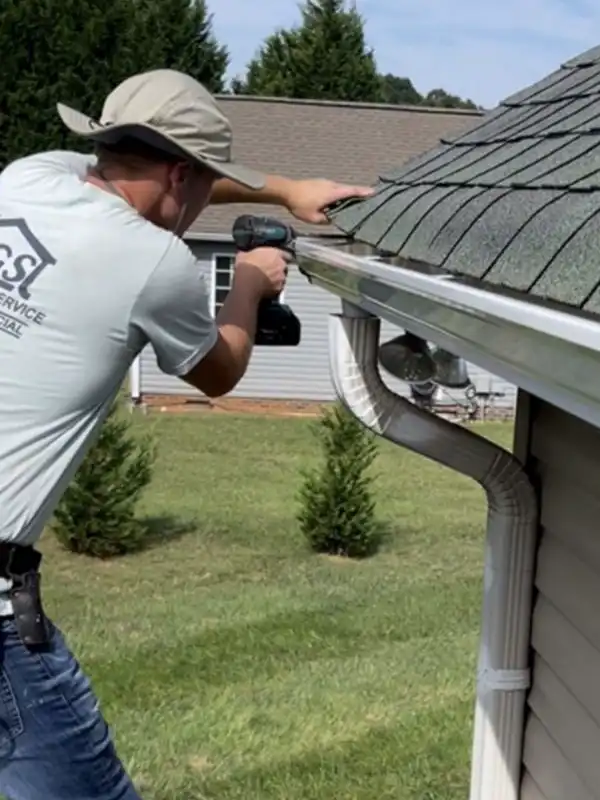

Local planning guide for Sacramento
If you’re planning new seamless gutters, understanding gutters permit requirements sacramento upfront can prevent mid-project surprises, rework, and schedule slips. This guide walks you through scope decisions, materials, and the local permit and inspection checkpoints so you can plan with confidence.
TL;DR: Many gutter projects are straightforward, but permit needs can change based on scope, attachment details, drainage changes, and related repairs. Treat it like a short planning exercise: confirm your scope, choose materials with realistic lead times, and verify permit requirements before ordering.
- Write down what’s changing (size, routing, drainage, fascia repairs).
- Pick a gutter profile and metal thickness that fits your roofline and budget.
- Decide on gutter guards (and how they’ll be maintained).
- Plan downspout locations and where water will discharge.
- Check whether your scope needs a permit before you schedule labor.
- Order materials early if you want a custom color or specialty metal.
Gutters Permit Requirements In Sacramento: The Planning Checklist That Prevents Rework
Permits are about protecting safety and property, so the key is matching your exact scope to what the City expects. A clean plan also helps you avoid common failure points like improper slope, messy discharge, or fasteners that don’t hold.
What usually changes permit needs
- Drainage changes: Moving downspouts, adding new discharge points, or tying into drainage systems can shift requirements.
- Structural/exterior repairs: Replacing fascia, repairing rot, or changing attachment conditions can expand the scope.
- Multi-trade work: Bundling gutters with roofing, exterior paint, or carpentry may trigger a different review path.
- Access constraints: Tight side yards and tall rooflines affect staging, safety setup, and scheduling.
ROI and resale priorities (practical, not hype)
Cleanly installed gutters can support curb appeal and help reduce staining at fascia and siding. They may also help protect landscaping and keep water away from areas that buyers notice, like walkway edges and visible splash zones.
Define Scope and Must-Haves
Start by defining what “done” means at your home: the gutter run lengths, downspout locations, and where water will go after it leaves the roof. Once that’s clear, permit questions become easier to answer because you’re not guessing about scope.
Scope checklist you can hand to a contractor
- Total linear feet of gutters and the number of corners and outlets.
- Gutter style (K-style vs half-round) and target capacity.
- Number of downspouts and exact discharge locations.
- Any fascia board repair, paint, or replacement needed.
- Whether you want gutter guards, and the maintenance plan.
Small-lot and tight side-yard downspout layouts
Homes with narrow side yards often need tighter elbows, cleaner routing, and careful discharge placement to avoid creating slippery walkways or muddy fence lines. A simple improvement is to plan fewer, better-placed downspouts rather than adding random outlets that create splash and erosion.
Storage and organization upgrades that fit a gutter project
If runoff management is part of your goal, you can pair gutter work with neat, low-clutter options like covered splash blocks, discreet downspout extensions, or a rain barrel system where appropriate. Keep it simple: storage should be easy to access and easy to maintain, or it becomes a neglected eyesore.
Material Selections and Lead Times
Material choice affects more than looks. It changes lead time, maintenance, and how the system performs during heavy rain.
Materials deep dive (what to choose and why)
- Aluminum: Common for seamless gutters, balances cost and corrosion resistance, and works well for most homes.
- Steel: Can be tougher, but watch for corrosion risk if coatings are damaged.
- Copper: Premium look and long service life, typically higher cost and longer lead time.
- Vinyl: Budget-friendly in some cases, but performance can vary; ask about durability and fastening.
Gutter guards (choose based on maintenance reality)
Guards can reduce debris buildup, but no option makes gutters “maintenance-free.” Pick a style that matches your roof debris (pine needles vs leaf drop) and your willingness to do periodic cleaning.
Lead-time risks that can move your calendar
- Custom colors and specialty metals can take longer than standard stock.
- Hidden hangers, oversized downspouts, and guard systems may not be same-day available.
- Rain in the forecast can compress installation windows and reschedule ladder work.
Permits, Inspections, and Scheduling
In Sacramento, the safest approach is to confirm requirements based on your exact scope before ordering materials or locking an install date. The City’s online tools make it easier to check status and keep documentation organized.
Local permit and plan review flow (Sacramento)
- Define the work: Document what’s being replaced vs changed (routing, discharge, fascia repair, drainage tie-ins).
- Confirm requirements: Use the City’s Community Development online portal to determine whether your scope needs a permit and what submittals apply.
- Submit and track: If needed, submit the application and track plan review status and payments online.
- Schedule checkpoints: If inspections apply, schedule them at the right moments so you’re not forced to undo finished work.
- Close documentation: Keep approvals and receipts with your home records for future buyers and insurance questions.
Use the City of Sacramento Community Development online portal to start the check and keep everything in one place.
Budget ranges & timeline (typical)
- Planning: 1–3 days to define scope, pick materials, and confirm whether permitting applies.
- Material lead time: 2–7 days for standard options; 1–3+ weeks for custom colors or specialty metals.
- Installation: Often 1 day for many homes; more time if fascia repair or complex rooflines are involved.
- Delays usually come from: expanded scope, access constraints, weather, or waiting on approvals when required.
A quick decision table you can reference
| Decision | What it affects | Common delay trigger |
|---|---|---|
| Changing downspout discharge | Drainage plan, site water handling | Extra coordination and approvals |
| Adding fascia repair | Labor scope, scheduling | Hidden rot discovered after removal |
| Custom color / specialty metal | Lead time, budget | Material availability |
| Guard selection | Maintenance effort, performance | Wrong guard for debris type |
Site Prep and Living-Through Tips
US Construction & Remodeling Corp. helps Sacramento homeowners plan gutter work around real-life constraints—driveway access, ladder safety, weather windows, and any permitting steps tied to the scope—so the timeline stays clear from the start. To talk through your schedule and next steps, Free estimate or call Call.
Prep that prevents day-of surprises
- Move vehicles away from downspout areas and ladder paths.
- Protect outdoor furniture and keep pets inside during removal and cleanup.
- Confirm where debris will be staged and how cleanup will work.
- Walk the discharge plan so water doesn’t end up on walkways or toward the foundation.
Trade order that avoids redo work
If your scope includes fascia repair, painting, or roof-edge work, schedule those items before final gutter installation. That sequencing reduces the chance you’ll need to detach new gutters to fix something behind them.
Closeout Checklist and Warranty Notes
Closeout is when you verify performance, capture documentation, and lock in a maintenance routine. A clean finish also helps if you sell later because you can show what was done and when.
Closeout checklist
- Confirm consistent slope and no standing water after a hose test.
- Check hangers and fasteners for secure attachment and clean alignment.
- Verify downspouts drain where you planned (no splashback or erosion).
- Make sure seams and end caps are sealed and dry after flow testing.
- Collect product info and any applicable paperwork for your records.
Maintenance tips that protect performance
- Clean gutters at a cadence that matches your trees and roof debris.
- After storms, spot-check corners, outlets, and downspout connections.
- Keep discharge areas clear so water doesn’t back up during heavy rain.
Helpful links
Related articles
Frequently Asked Questions
Do I need a permit to replace gutters in Sacramento?
It depends on what’s changing. A straightforward replacement may be treated differently than work that changes drainage routing, downspout discharge locations, or includes related exterior repairs.
When in doubt, confirm requirements through the City of Sacramento Community Development portal before you order materials or schedule labor.
What scope details should I have ready before I check gutters permit requirements sacramento?
Bring a clear scope summary so you get a reliable answer.
- Are you changing downspout locations or discharge points?
- Is fascia repair or replacement included?
- Are you tying into any drainage system or adding new drainage components?
- What material and profile are you installing?
How long does a typical gutter project take once I’m ready to schedule?
Many installations can be completed in a day, but planning and materials can take longer than homeowners expect. Standard materials may be available within a week, while custom colors or specialty metals can extend lead times.
If your scope requires approvals or inspections, build extra time into the calendar.
What usually delays gutter installation in Sacramento?
Delays most often come from expanded scope discovered during removal (like hidden fascia damage), weather windows for ladder work, and material lead times for non-standard selections.
Clarifying the discharge plan early also avoids last-minute changes that can affect schedule.
Can gutter work be combined with fascia repair or exterior painting?
Yes, but it’s smart to plan the order so you don’t undo new work. Fascia repairs and paint prep typically come before final gutter installation, and then gutters go on once surfaces are ready.
Do gutter guards eliminate maintenance?
No. Guards can reduce debris buildup, but every system still needs periodic checks, especially at corners, outlets, and downspout connections.
Choose a guard style based on your roof debris and what you’ll realistically maintain.
Planning note for Sacramento: Treat permits, procurement, and inspections as one critical path. Lock scope and selections before demolition so trade handoffs do not stall.
Scope proof: A written line-item scope with allowances and exclusions is a better predictor of a smooth job than the lowest headline price.
US Construction & Remodeling Corp. (scope-first planning)