Skip links

Kitchen remodeling permit requirements | Alameda Checklist

Planning a kitchen remodel in Alameda means aligning design choices with kitchen remodeling permit requirements before you order materials. This guide explains what to lock in early, how approvals and inspections usually work, and how to keep your schedule realistic.

Quick checklist:

  • Define the scope and your must-have outcome (performance, budget, timeline).
  • Confirm what work is involved and the order of operations.
  • Finalize measurements and key selections before ordering long-lead materials.
  • Collect 2–3 quotes and compare line-by-line (scope, allowances, cleanup, warranty).
  • Create a simple schedule and pre-order the items that most often cause delays.

TL;DR: Most permit delays come from late scope changes, missing product specs, or unclear responsibility for drawings and trade work. A permit-aware plan keeps layout, lighting, ventilation, and plumbing decisions coordinated. Schedule a free estimate online at https://usconstructioncali.com/free-estimate/ or call +1 (916) 234-6696.

  • Confirm what’s changing (layout, walls, plumbing, electrical, gas, venting)
  • Lock appliance sizes and vent hood specs early
  • Select cabinets/counters before final drawings
  • Plan lighting, outlets, and dedicated circuits upfront
  • Build lead times into the schedule (cabinets, countertops, appliances)
  • Coordinate inspection days before work starts

The Planning Checklist That Prevents Rework For Kitchen Remodeling Permit Requirements

DecisionWhy it mattersQuick check
ScopeDefines what is included and prevents surprises.Write a line-item scope and allowances list.
Site constraintsAccess and hidden conditions can change the plan.Check access and existing surfaces before work starts.
SelectionsLong-lead items can drive the schedule.Confirm availability before starting.
PermitsSome scopes require approvals and inspections.Ask your city/county what applies to your project.

Permits become stressful when the scope keeps changing. For example, In Alameda, the smoother projects start with a clear plan set, confirmed product specs, and a schedule that respects plan review and inspections.

Planning Checklist (Lock These Decisions Early)

  • Will also the layout change or stay in place?
  • Will you move the sink, dishwasher, or refrigerator water line?
  • Are you adding or relocating a range, cooktop, or gas line?
  • What vent hood model and duct route will you use?
  • Where will new lighting, outlets, and dedicated circuits go?
  • Which cabinets, countertops, and backsplash materials are you choosing?

Common Planning Mistakes To Avoid

  • Ordering cabinets before confirming appliance sizes and clearances
  • Starting demolition before you have a complete plan for electrical and ventilation
  • Choosing finishes without confirming long lead times or discontinued SKUs
  • Skipping a temporary-kitchen plan and losing weeks to day-to-day disruption
  • Assuming “minor changes” won’t affect drawings, inspections, or re-orders

Define Scope And Must-Haves

Write a simple scope statement: what stays, what moves, and what upgrades are non-negotiable. As a result, This keeps pricing clearer and reduces change orders that appear mid-build.

  • Keep footprint vs. Also, reconfigure: moving walls or relocating fixtures usually adds coordination and approvals
  • Storage priorities: pantry space, pull-outs, trash/recycle, and drawer-based base cabinets
  • Performance upgrades: ventilation, task lighting, and outlets where you actually cook
  • Durability targets: surfaces that match your cleaning habits, not just the showroom look

Accessibility And Aging-In-Place Options

Even if you don’t need accessibility features today, a few choices can make the kitchen easier to use for years. For this reason, These upgrades often blend in visually while improving safety and comfort.

  • Reduce pinch points near the sink and range and keep walkways as open as the layout allows
  • Use lever-style handles and D-shaped pulls for easier grip
  • Choose pull-out shelves and roll-out trays to reduce bending and reaching
  • Add brighter, layered lighting (ambient + task) to cut shadows at prep areas
  • Select slip-resistant flooring and minimize abrupt transitions between rooms

Material Selections And Lead Times

Materials don’t just affect style—they control the schedule. Additionally, Cabinets, appliances, and specialty fixtures can take weeks to arrive, so the best time to decide is before drawings are finalized and submitted.

  • Cabinets: stock can move fast; semi-custom and custom can take longer depending on finish and layout
  • Countertops: fabrication typically starts after cabinets are installed and templated
  • Appliances: confirm cut sheets early so cabinet sizing and electrical needs stay accurate
  • Tile and trim: order extra for attic-stock and future repairs, especially with patterned tile
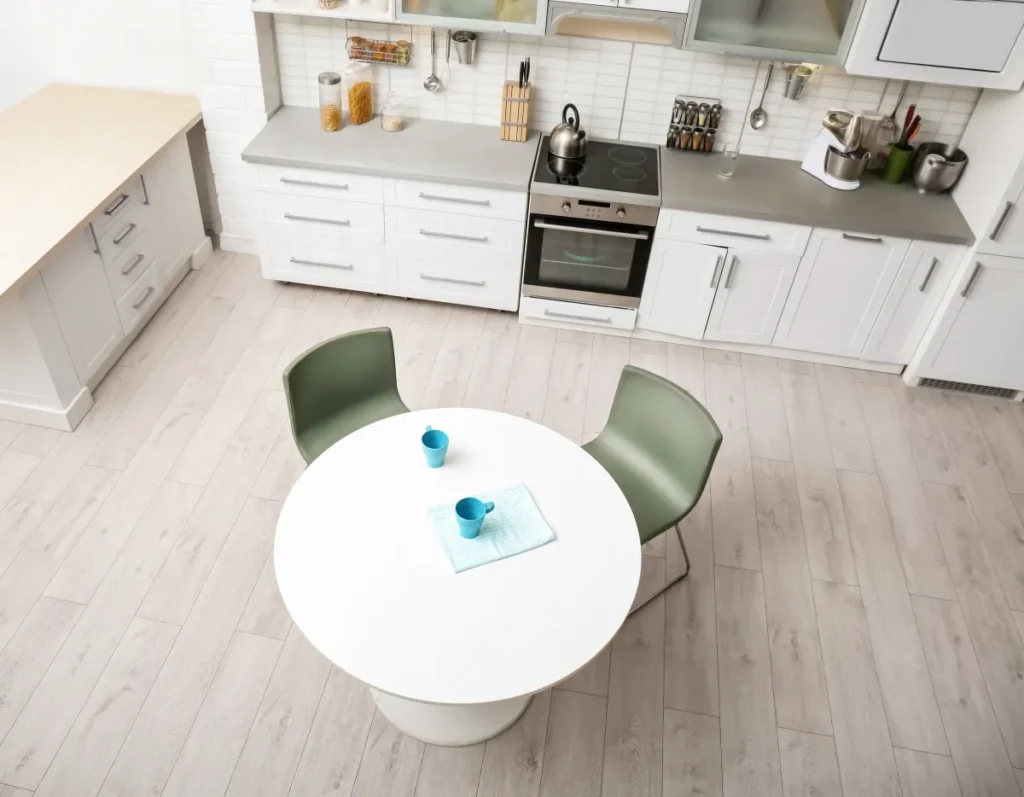
kitchen flooring modern kitchen interior security cctv camera view

Permits, Inspections, And Scheduling For Kitchen Remodeling Permit Requirements

In Alameda, many kitchen remodels require permits when you change the layout or touch building systems. In addition, The City of Alameda uses an online permit portal (Accela) for many applications and tracking, so a complete submittal package matters.

Permit Notes For Alameda Kitchens

Every project is different, and the Building Division makes the final call. Meanwhile, Still, these are common permit triggers homeowners should plan for:

  • Moving or adding water supply or drain lines (sink, dishwasher, refrigerator water)
  • Adding new circuits, relocating outlets, or upgrading the electrical panel
  • Changing gas piping or relocating cooking appliances that use gas
  • Modifying ducting for a new or relocated range hood
  • Removing or altering walls, headers, or other structural elements

Inspections usually follow the work sequence. Overall, You’ll commonly see a rough inspection after trade work runs behind the walls, and a final inspection after finishes and fixtures are installed.

Typical Timeline Ranges

Timelines vary by scope, product availability, and review cycles. For this reason, Use these ranges as a planning baseline, then refine them after you confirm materials and the permit path.

  • Design + scope definition: often 1–4 weeks
  • Plans + submittal package: often 1–3 weeks
  • Plan review + revisions: can be a few weeks to several weeks depending on scope
  • Ordering long-lead items: overlaps plan review; confirm lead times before locking the start date
  • Construction: often 4–10 weeks for many full kitchen remodels
  • Final inspections + punch list: often 1–2 weeks
DecisionWhy it affects cost/timeLock it in
Layout changesDrives drawings, trade moves, and inspection sequenceBefore plan set is finalized
Cabinet style + dimensionsControls countertop template timing and appliance fitBefore ordering cabinets
Appliance specsSets clearances, electrical loads, and ventilation needsBefore permit submittal
Range hood and duct routeAffects framing, ducting, and inspection checkpointsBefore rough-in starts
Lighting/outlet planPrevents patchwork changes and rework after drywallBefore electrical rough-in

Site Prep And Living-Through Tips

A kitchen remodel can disrupt daily life more than most projects. For example, A little prep reduces stress and helps the crew work efficiently.

  • Set up a temporary food-prep zone with a microwave, coffee maker, and dishwashing plan
  • Plan for scheduled shutoffs (water, power, gas) and keep a simple daily notice routine
  • Protect adjacent floors and create a clear path for deliveries
  • Confirm where debris and materials will be staged so your home stays usable
  • Keep kids and pets out of the work zone and store valuables away from traffic areas
  • Do a weekly walkthrough to catch small issues before they become rework

If you’re comparing bids, ask each contractor to describe the permit and inspection plan in writing. Meanwhile, That clarity usually prevents “surprises” later.

kitchen flooring positive african american couple looking at camera

Closeout Checklist And Warranty Notes

Closeout is more than a final cleanup. As a result, It’s the moment to confirm everything works, documentation is complete, and the permit can be closed if one was necessary.

  • Verify final inspection sign-off (when applicable) and keep copies of approved plans
  • Test outlets, lighting circuits, disposal, dishwasher, and any range hood controls
  • Run water at the sink and dishwasher and check for leaks under cabinets
  • Confirm caulk and grout lines look clean and are fully cured before heavy cleaning
  • Collect care instructions for countertops, cabinets, and flooring (and note what cleaners to avoid)
  • Register appliances and keep model/serial numbers in one place

Warranty coverage varies by product and installer. In addition, Ask for written warranty terms on workmanship and keep manufacturer documentation for appliances and materials. As a result, If a small issue shows up after move-in, addressing it quickly usually prevents bigger damage.

US Construction & Remodeling Corp. As a result, helps homeowners in Alameda plan and build kitchen remodels with clear scopes and coordinated inspections. Additionally, To talk through your project, schedule online at https://usconstructioncali.com/free-estimate/ or call +1 (916) 234-6696.

Helpful Links

Frequently Asked Questions

Sometimes yes, sometimes no—it depends on what changes behind the finishes. A simple, like-for-like swap can be different from a remodel that changes layout or building systems.

  • If you keep the layout and don’t change utilities, the work may be simpler from a permit standpoint.
  • If you move the sink, add circuits, change ventilation ducting, modify gas piping, or alter walls, permits and inspections are more likely.

The safest approach is to confirm the scope with the City of Alameda Building Division (or your contractor can confirm as part of planning) before you order materials and set a start date.

Inspection steps match the sequence of work. The goal is to verify that the parts you won’t see later are installed correctly before they get covered.

  • Rough inspections: typically happen after utilities and in-wall work are installed but before surfaces are closed.
  • Framing/structural checks: may apply if walls, beams, or openings change.
  • Final inspection: happens after fixtures, finishes, and required safety items are complete.

Build inspection days into the schedule early. That way, trades can sequence work without losing momentum.

It varies with project complexity and how complete the submittal package is. Small, straightforward scopes can move faster, while projects that change layout or structure often take longer because they need more review and coordination.

Plan for a review cycle plus time to answer comments and revise drawings if needed. Keeping product specs, appliance cut sheets, and a clear scope in the plan set usually helps reduce back-and-forth.

You can, but it’s a risk-management decision. Custom cabinets and special-order appliances often have long lead times, so homeowners want to start early. The tradeoff is that permit-driven plan changes can force re-orders.

  • Order early only after the layout and appliance specs are truly locked.
  • Confirm the vent hood model and clearances before finalizing cabinet sizes.
  • Ask about return policies, restocking fees, and storage requirements.

If you want to avoid costly rework, wait until drawings are finalized and the permit path is clear.

Permit and plan review fees depend on scope and how the City applies its fee schedule. A project that only refreshes finishes will often be different from one that changes utilities or structure.

  • Ask for an itemized estimate that separates permit fees from construction labor and materials.
  • Clarify which trade permits may apply based on the scope.
  • Account for design, drafting, or engineering costs separately if your project needs them.

Your contractor can help you forecast these costs during planning so the budget reflects the full project, not just visible finishes.

The fastest way to trigger revisions is to change major selections after the plan set is submitted. Lock these items early so kitchen remodeling permit requirements don’t disrupt your schedule.

  • Final layout (sink, range, refrigerator, island, and clearances)
  • Appliance list with model numbers or cut sheets
  • Ventilation plan (range hood model and duct route)
  • Lighting and outlet plan, including any dedicated circuits
  • Plumbing fixture locations and any line relocations
  • Any wall or opening changes

Once these are set, it’s easier to coordinate trades and book inspections with fewer surprises.

Coming prepared helps you get a clearer scope and a more accurate timeline. It also makes it easier to identify what might require permits or inspections in Alameda.

  • Your must-haves (storage goals, seating, cooking workflow, lighting needs)
  • Photos of the current kitchen and any problem areas
  • Inspiration images and material preferences (cabinet style, counters, backsplash)
  • Appliances you plan to keep vs. replace
  • Any known HOA rules (if applicable) and preferred working hours
  • A target start window and a realistic budget range

If you’re ready to talk through options, book a free estimate at https://usconstructioncali.com/free-estimate/ or call +1 (916) 234-6696.

Licensed, insured & trusted local contractor

US Construction & Remodeling Corp.
9821 Business Park Dr, Sacramento, CA, 95827
Phone: +1 (916) 234-6696

CSLB License #: 1117562 Fully licensed and insured.

View our Google Business Profile

Start with the pillar guide

For a complete overview (scope, timeline, and planning tips), see our main page: Kitchen Remodeling.

Leave a comment

This website uses cookies to improve your web experience.
Explore
Drag