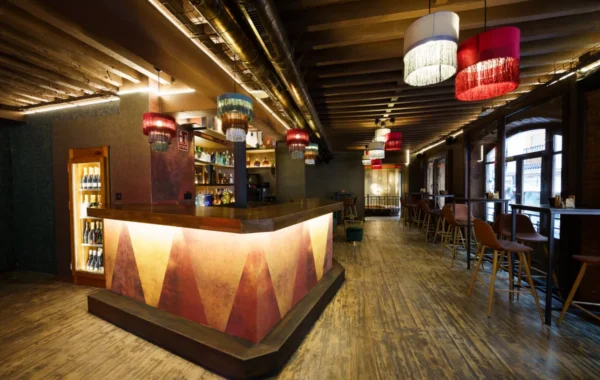
MEP Rough-in Coordination For Bar And Cafe Build-outs
Bar and cafe build-outs can stay on schedule right up to rough-in, and then trades start colliding. This guide breaks down mep rough in coordination bar planning so facility teams can protect opening dates, inspections, and tenant operations.
Quick checklist:
- Define the scope and your must-have outcome (performance, budget, timeline).
- Confirm what work is involved and the order of operations.
- Finalize measurements and key selections before ordering long-lead materials.
- Collect 2–3 quotes and compare line-by-line (scope, allowances, cleanup, warranty).
- Create a simple schedule and pre-order the items that most often cause delays.
TL;DR: Rough-in coordination is equal parts sequencing and documentation. When equipment requirements lock early, shutdowns are phased, and inspection gates are planned, rework drops and the schedule stops bleeding “dead days.”
- Confirm equipment cut sheets and utility loads before walls close
- Hold a trade coordination meeting (MEP + framing + fire/life safety as applicable)
- Map shutdown windows and after-hours tie-ins with tenant/landlord
- Track long-lead items (hoods, RTUs, electrical gear, specialty fixtures)
- Run a pre-inspection punchlist to reduce re-inspections
- Collect closeout docs (as-builts, warranties, O&M) during the build
Process, Timeline, And Coordination For Mep Rough In Coordination Bar
| Decision | Why it matters | Quick check |
|---|---|---|
| Scope | Defines what is included and prevents surprises. | Write a line-item scope and allowances list. |
| Site constraints | Access and hidden conditions can change the plan. | Check access and existing surfaces before work starts. |
| Selections | Long-lead items can drive the schedule. | Confirm availability before starting. |
| Permits | Some scopes require approvals and inspections. | Ask your city/county what applies to your project. |
MEP rough-in is where mechanical, electrical, and plumbing systems get installed before finishes. Overall, On bar and cafe tenant improvements, coordination matters because ceiling space and back-of-house routes fill fast, and inspection sign-offs become hard schedule gates.
When teams treat mep rough in coordination bar work as a managed workflow (not a series of field “fixes”), they can also sequence trades cleanly, protect access for inspectors, and keep downstream scopes like drywall and ceiling grid from stalling.
For a broader look at commercial deliverables beyond rough-in, see the Bar & Café Build-Outs page.
Common Rough-In Conflicts To Plan Around
- Overhead congestion: duct runs, lighting, sprinkler adjustments, signage supports, and access panels fighting for the same space
- Kitchen/servery exhaust coordination: routing, roof/curb coordination (if applicable), and clearances that affect framing and fire-rated assemblies
- Electrical capacity surprises: panel space, feeder routing, and equipment voltage changes that arrive late
- Plumbing tie-ins: drain slopes, floor cores, vent routes, and “where does this actually connect?” questions
- Fire/life safety impacts: devices and sprinkler heads that move when the layout shifts
- Access and shutdowns: utility tie-ins that require tenant notifications and after-hours work
Who This Coordination Is For
- Facility and property managers protecting operating hours, access control, and documentation
- GCs/PMs managing trade sequencing, RFIs, and inspection readiness
- Business owners and operators working toward a target opening date and turnover plan
Coordination Roadmap (Planning To Close-In)
- Existing-conditions capture: walk the space, verify utility points, and document ceiling/plenum constraints that drawings may not show.
- Responsibility matrix: define who provides equipment, who patches/paints, who coordinates penetrations, and who handles specialty scopes.
- Submittals and cut sheets: log equipment requirements early (loads, clearances, rough-in points) so layout decisions stop changing midstream.
- Trade sequencing plan: map what goes in first (core drilling, mains, sleeves) and what needs access later (testing, inspections, trim-out).
- Field QA + pre-inspection punchlist: verify labels, supports, clearances, and access panels before calling for inspections.
- Inspection gates + correction windows: schedule with realistic float for corrections so downstream crews do not sit idle.
- Close-in release + documentation capture: lock “as-built” notes, test results, and warranty info before walls and ceilings hide the work.
Scope Framing For Apples-To-Apples Bids
Rough-in coordination proposals vary widely. Additionally, Comparing bids gets easier when the scope spells out assumptions, deliverables, and schedule constraints.
- Include (typical): coordination meetings, sequencing notes, rough-in layout verification, pre-inspection punchlists, and closeout documentation tracking.
- Confirm explicitly: after-hours shutdown work, temporary utilities, patch/repair responsibility, access panel allowances, and how revisions/RFIs are handled.
- Often excluded unless noted: design/engineering changes, landlord base-building work, specialty vendor scopes (certain hood/suppression/controls), and equipment procurement.

Tenant/Operations Coordination For Mep Rough In Coordination Bar
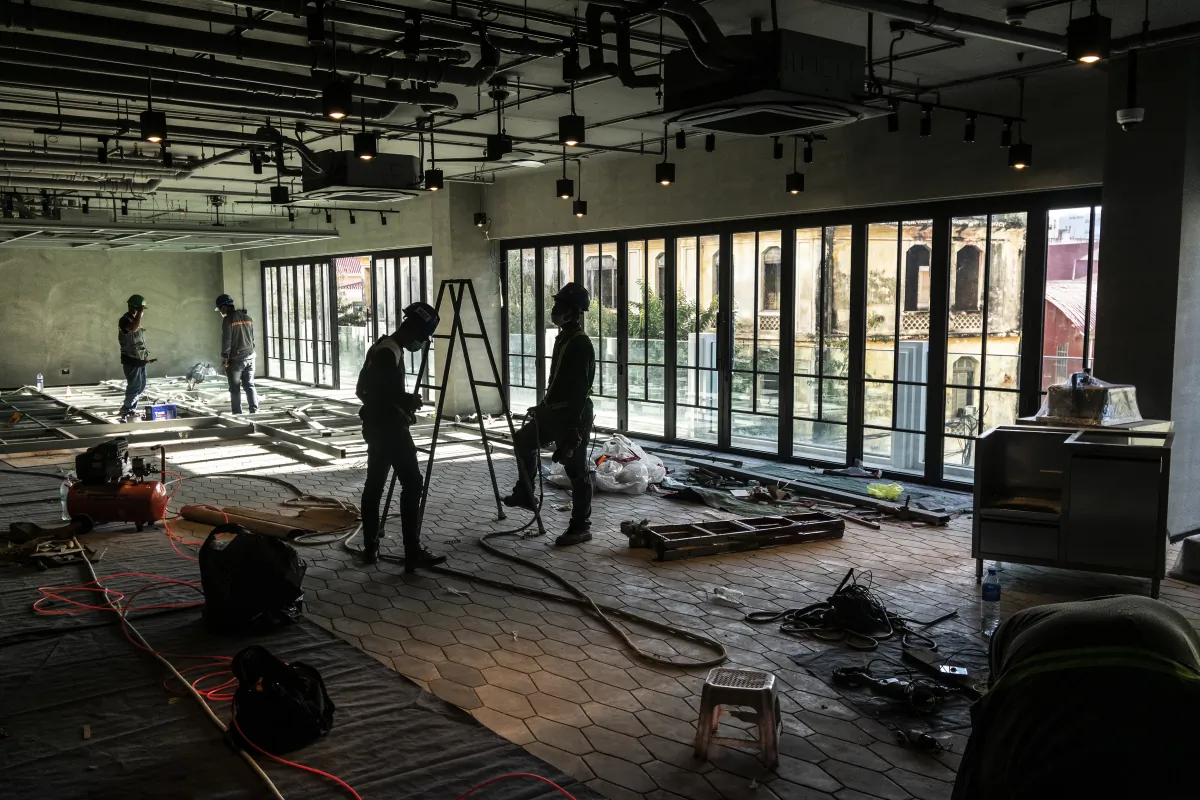
Bar and cafe projects rarely happen in a vacuum. Meanwhile, Even when the space is dark, teams still coordinate with landlords, adjacent tenants, loading rules, noise limits, and inspection access. Also, A workable plan ties field sequencing to operational constraints, so the project avoids preventable downtime.
Downtime Minimization And Phasing Options
- Phase by zone: run back-of-house rough-in and inspections while keeping front-of-house work staged for later access.
- Schedule shutdowns as events: treat electrical and plumbing tie-ins like mini-projects with notices, access approvals, and contingency time.
- Protect circulation: keep compliant egress paths, signage, and safe access routes during active work (especially in multi-tenant sites).
- Bundle noisy/dusty work: consolidate coring, sawcutting, and overhead drilling into planned windows to reduce disruption.
- Plan inspection access: avoid stacking storage under inspection areas so inspectors can see what they need without a reshuffle.
Hypothetical example: Keep a café open while back-of-house MEP rough-in runs behind a temporary partition, then schedule tie-ins after close so operations can reopen the next morning.
Cost & Timeline Snapshot
- Schedule gates: rough-in inspections, utility shutdown windows, and long-lead equipment releases drive the critical path.
- Coordination effort: mep rough in coordination bar work scales with trade count, ceiling congestion, and how often layouts change.
- Cost drivers: after-hours work, unknown existing conditions, specialty equipment interfaces, and re-inspections add labor and delay.
| Decision gate | What to confirm | Schedule risk if late |
|---|---|---|
| Equipment loads | Cut sheets, voltage, gas, water, drainage needs | Rework and delayed inspections |
| Ceiling coordination | Duct, lighting, sprinkler, signage clearances | Ceiling grid delays and RFIs |
| Shutdown windows | Landlord approval, tenant notices, after-hours access | Lost operating time and standby labor |
| Long-lead equipment | Release dates and storage plan | Idle crews waiting on install |
Materials Lead Times And Procurement
Procurement decisions show up in rough-in quickly. As a result, If equipment is late or substitutions land without review, layout changes cascade across trades and inspections.
Long-Lead Items To Identify Early
- HVAC rooftop equipment and curb/adapter requirements (when applicable)
- Make-up air units, exhaust fans, and duct accessories
- Electrical panels, breakers, meters, and specialty disconnects
- Lighting packages and controls that affect wiring routes
- Plumbing fixtures, specialty valves, and backflow components
- Bar/servery equipment rough-in points (power, water, drains)
- Specialty accessories that require backing or blocking in walls
Procurement Controls That Protect Schedule
- Submittal register: track what needs approval, by whom, and by when.
- Lead-time confirmation: verify availability before the schedule assumes delivery dates.
- Early rough-in points: confirm exact connection locations so framing and sleeves are placed once.
- Storage and staging plan: avoid damaging equipment or blocking inspection access.
- Substitution review: check clearances, loads, and code implications before swapping products.

Safety Plan And Compliance Documentation
US Construction & Remodeling Corp. In addition, supports commercial teams by aligning trade schedules and phasing with the documentation that keeps a job moving—submittals, field reports, and closeout deliverables. As a result, That approach keeps mep rough in coordination bar work coordinated instead of turning into last-minute corrections.
Timeline-first planning call: share the target opening date and constraints, and we’ll map a rough-in sequence with inspection gates and shutdown windows. Also, Book: https://usconstructioncali.com/free-estimate/ or call +1 (916) 234-6696 to schedule a site walk.
Safety Planning That Fits Tenant Environments
- Site-specific access rules (badges, escort requirements, delivery routes, and lock-up)
- Daily housekeeping standards to keep egress and work areas clear
- Hot work and overhead work controls (when applicable)
- Signage, barriers, and coordination around shared corridors and loading zones
- Toolbox talks and incident reporting expectations aligned with the GC/owner
ADA And Code Checkpoints During Rough-In
Accessibility and code requirements often fail late because teams wait until finishes to verify clearances. For example, Rough-in is the right time to confirm the “bones” of the space: routes, restroom rough-ins, mounting heights, and blocking locations.
- Restrooms: verify rough-in locations that drive clearances (lavs, WCs, grab bar backing, accessories).
- Service counters and seating: confirm accessible portions early so electrical/plumbing stubs land correctly.
- Door swings and clear widths: keep rough openings coordinated with hardware and access needs.
- Coordination method: confirm requirements with the design team and the local authority having jurisdiction (AHJ) before close-in.
How They Affect Schedule
Permits and inspections may apply to MEP rough-in work depending on scope and jurisdiction. For this reason, Clarify early who pulls permits (GC versus trade) and how inspection scheduling will be handled, because missed inspections can stop drywall, ceilings, and equipment setting.
For projects in the City of Sacramento, permitting and plan review typically run through the City of Sacramento Community Development portal (Accela Citizen Access). For example, Even when the scope is straightforward, inspection readiness still depends on coordination: access, labeling, and clean documentation.
Closeout Package And Warranty Readiness
Closeout should not be a scramble at turnover. For this reason, Build the closeout package as rough-in progresses so documentation stays current.
- Equipment cut sheets, submittals, and startup requirements collected in one place
- Test results and inspection sign-offs organized by system
- Warranty info and service contacts consolidated for operations teams
Transparency And Quality Verification (No Guesswork)
- Clear inclusions/exclusions: scope language that matches the plans, phasing, and shutdown constraints.
- Documented coordination: meeting notes, submittal tracking, and punchlists tied to schedule gates.
- Inspection readiness checks: pre-inspection walkthroughs to catch support, clearance, and labeling issues.
- Operational handoff: organized closeout docs so facility teams can maintain systems after turnover.
Getting Quotes In Sacramento (Bid Checklist)
Quotes for bar and cafe rough-in vary because existing conditions and operational constraints vary. Also, A tighter bid package reduces surprises, especially when mep rough in coordination bar work must hit a specific opening date.
Bid Checklist To Send With Plans
- Target dates: required rough-in start, inspection windows, and turnover expectations.
- Phasing constraints: allowed work hours, shutdown limitations, noise/dust rules, and access control.
- Trade scope boundaries: what is included for mechanical, electrical, plumbing, and related patching.
- Existing-condition assumptions: what is known versus what must be verified during a site walk.
- Long-lead responsibilities: who orders what, approval steps, and required submittals.
- Inspection readiness: expectations for labeling, access panels, and pre-inspection punchlists.
- Change management: how RFIs, revisions, and substitutions are priced and scheduled.
- Closeout deliverables: as-builts, test results, warranties, and O&M documentation requirements.
Questions That Reveal Coordination Maturity
- How will shutdowns be planned and communicated to tenants/landlord?
- What is the plan to keep inspection access clear during rough-in?
- How will long-lead items be tracked, and who owns submittal approvals?
- What pre-inspection checks are standard before requesting inspections?
- What documentation is delivered at closeout, and in what format?
If the project is in Sacramento and a schedule is driving the decision, call +1 (916) 234-6696 to discuss rough-in sequencing and inspection gates, or request a planning call at https://usconstructioncali.com/free-estimate/.
Helpful Links
Frequently Asked Questions
Scope varies by plans and site constraints, but rough-in coordination commonly includes:
- Trade sequencing and coordination meetings (mechanical, electrical, plumbing)
- Verification of rough-in points from equipment cut sheets
- Pre-inspection punchlists and inspection readiness planning
- Shutdown window planning and tenant/landlord coordination
- Documentation tracking for closeout (as-builts, submittals, warranties)
Pricing usually depends on the number of trades involved, the level of congestion above ceilings, and how much work must happen after-hours.
- Existing-condition unknowns (utilities, access, prior tenant modifications)
- Inspection complexity and potential re-inspection cycles
- Long-lead items and substitution risk
- Phasing requirements to limit downtime
Duration depends on scope, permit/inspection timing, and long-lead equipment. Rough-in can move quickly when layouts stay stable and inspections are scheduled with float for corrections.
A practical approach is to plan “inspection gates” (rough-in, fire/life safety as applicable, and close-in) and tie each gate to a punchlist so downstream trades do not wait.
Permits and inspections may apply based on jurisdiction and scope. Some projects require the GC to pull permits, while others use trade permits for specific systems.
Confirm the permitting path early, because inspection availability and correction cycles can affect the rough-in critical path.
Downtime control usually comes from phasing and communication, not wishful scheduling.
- Define access rules and work windows up front
- Bundle shutdowns and noisy work into planned blocks
- Keep egress and shared corridors safe and clear
- Use pre-inspection checks to avoid schedule-stopping re-inspections
Start with the target opening date, operating constraints, and any landlord rules. From there, a site walk and a bid-ready scope list can be assembled for accurate pricing.
Book a planning call: https://usconstructioncali.com/free-estimate/ or call +1 (916) 234-6696.
Licensed, insured & trusted local contractor
US Construction & Remodeling Corp.
9821 Business Park Dr, Sacramento, CA, 95827
Phone: +1 (916) 234-6696
CSLB License #: 1117562 Fully licensed and insured.
Start with the pillar guide
For a complete overview (scope, timeline, and planning tips), see our main page: Bar & Café Build-Outs.