Roofing Cost in Rocklin: Ranges, Timeline & Quote Tips
When a homeowner searches remodel cost for a roof in Rocklin, they usually want a real budget range, not a guess. This guide breaks down pricing drivers, a typical timeline, and what to ask so you can compare quotes with confidence.
Quick checklist:
- List the biggest cost drivers (roof size/pitch, material, tear-off, decking repair, and flashing/vents).
- Pick a material system and verify underlayment, flashing, and ventilation details.
- Clarify tear-off vs overlay and what happens if decking damage is found.
- Compare 2–3 itemized bids (materials, disposal, permits, warranty).
- Schedule around weather and confirm daily cleanup and protection.
- Do a final walkthrough: flashing, vents, and warranty documentation.
TL;DR: Roof size, material, and hidden repairs drive most price swings. A solid bid lists decking repair rates, flashing scope, and ventilation changes. For a quick ballpark based on your roof type, call +1 (916) 234-6696.
- Pick the roof material you want (shingle, tile, or metal).
- Ask how many layers are included in tear-off and disposal.
- Get a written per-sheet price for plywood decking repairs.
- Confirm flashing and ventilation are included, not optional extras.
- Ask whether your Rocklin scope needs a permit and inspection.
- Compare bids line-by-line using the same material grades.
How Remodel Cost Applies In Rocklin
Homeowners often treat a roof as part of overall remodel cost planning because it protects the whole house. Additionally, The smart approach is to budget in ranges until a contractor can inspect the roof surface and, if needed, confirm the condition of the decking (the plywood under the roofing).
This page is also most helpful if you’re seeing leaks, curled or missing shingles, broken tiles, stains on ceilings, or heavy granules in gutters. It’s also useful if you’re preparing to sell and want to reduce inspection risk.
Cost Breakdown For Roofing In Rocklin (What You Pay For)
Roofing quotes can look similar on the surface, but the details matter. For this reason, A complete bid should describe what gets removed, what gets replaced, and how “unknowns” are handled if damage is found after tear-off.
Planning Ranges You Can Use Today
These ranges are for installed pricing. For example, Your final number depends on roof size, pitch (steepness), access, and the material you choose.
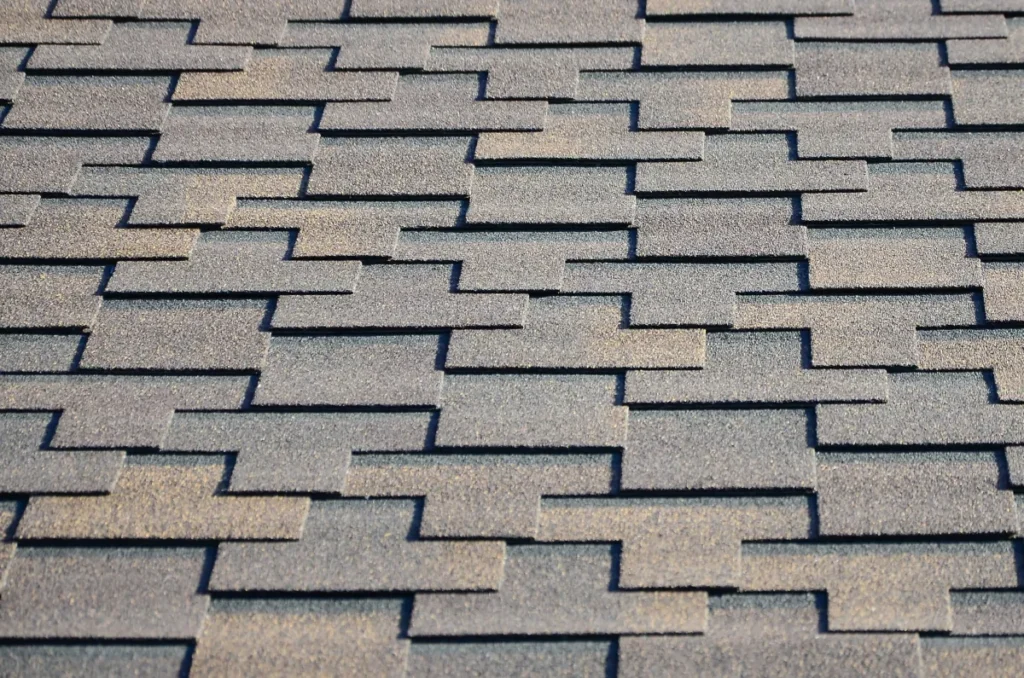
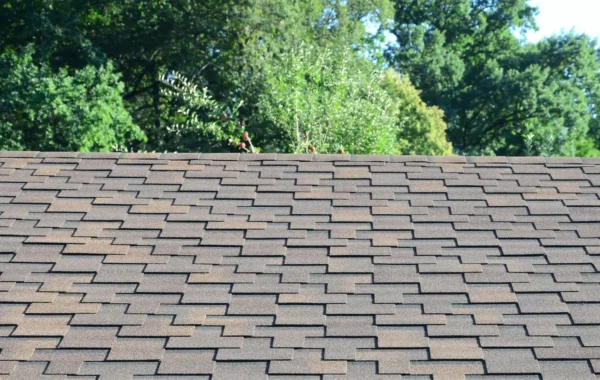
- Asphalt shingles: about $450–$900 per “square” installed (a square = 100 sq ft of roof surface).
- Concrete/clay tile: about $900–$1,600 per square installed (more labor and heavier material).
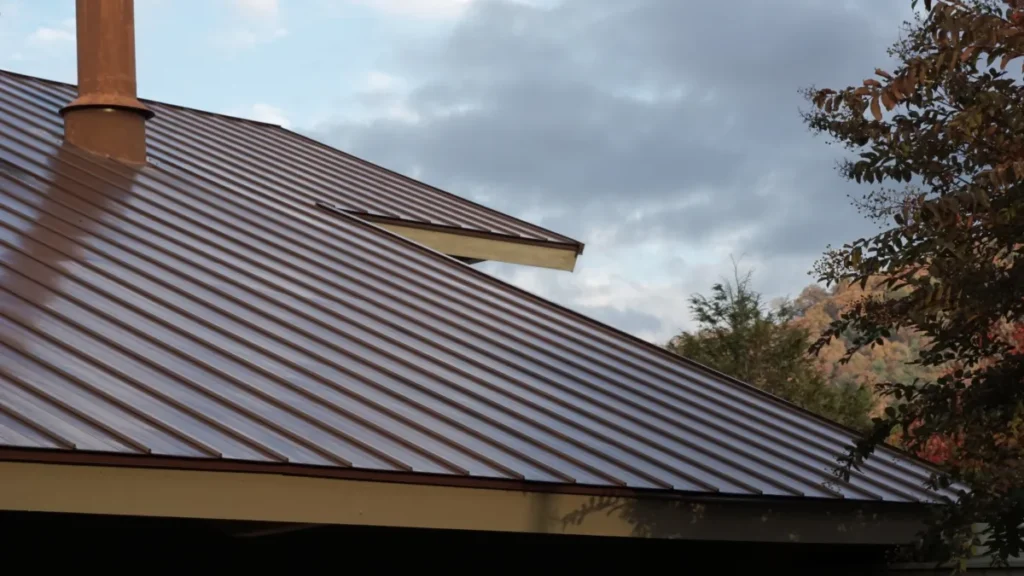
- Standing-seam metal: about $1,200–$2,200 per square installed (premium material with detail-heavy work).
Common Line Items That Change The Total
- Tear-off and disposal: often $150–$350 per square, higher with multiple layers.
- Underlayment: a water-resistant layer under the roof covering; often $75–$250 per square depending on type.
- Flashing: thin metal that seals roof-to-wall areas and penetrations; costs vary widely by complexity.
- Ventilation adjustments: improving intake and exhaust airflow; often a few hundred to a few thousand dollars depending on what’s missing.
- Decking repairs: usually priced per 4x8 sheet of plywood; ask for the unit price and how approval works.
- Cleanup and protection: driveway/landscaping protection and nail cleanup; it should be included and described.
Hypothetical example: Two bids may use the same shingles, but one may exclude new flashing at a chimney or assume zero decking repairs. That’s where surprises happen. Overall, Ask what is included “as needed,” and get those unit prices in writing.
Where The Money Goes
Material choice matters, but labor and risk often drive the biggest swings. Also, Steep roofs take longer and require more safety setup. For this reason, Roofs with valleys (inside corners where two roof planes meet), skylights, and chimneys need more flashing detail.
A Quick Way To Read A Bid
- Simple roof + standard shingles: labor time and crew efficiency can matter as much as the shingle line.
- Tile or metal systems: materials can become a larger share, and the install details have a higher bar.
- Any roof with repairs: decking and structural fixes can become a major cost driver.
| Cost driver | How it changes cost | What to confirm in the quote |
|---|---|---|
| Roof pitch and access | More safety gear and slower install pace | Bid reflects the actual steepness and access points |
| Layers to remove | Extra labor and dump fees | Number of layers included in tear-off |
| Decking condition | Bad plywood must be replaced for a safe install | Per-sheet rate and photo documentation |
| Flashing complexity | More detail work around chimneys, walls, and penetrations | Specific flashing locations included (not “extra”) |
| Ventilation | Imbalances can shorten roof life and cause moisture issues | What intake and exhaust vents are being added or improved |
Optional Upgrades That Add The Most Value
Not every upgrade is worth the money. In addition, The best value upgrades reduce leak risk and help the roof perform longer.
Value-First Choices (Good ROI For Most Homes)
- Higher-quality underlayment: better backup protection if water gets under the primary covering.
- Upgraded flashing: step flashing at walls, valley metal, and chimney flashing done correctly.
- Drip edge: metal edging that protects roof edges and directs water into the gutter.
- Ventilation tune-up: balanced airflow can lower attic heat and reduce moisture buildup.
If you’re trying to keep remodel cost under control, spend first on watertight details. Meanwhile, Skip add-ons that don’t change performance.

Permits, Inspections, And Scheduling
Permits depend on the scope. As a result, A simple like-for-like reroof may still require a building permit, and more complex changes (material changes, structural repairs, moving vents, solar work) can add review steps. Additionally, The safest move is to confirm requirements before materials are ordered.
For Rocklin projects, many permit and inspection steps run through the city’s eTRAKiT portal. As a result, If a permit applies, it can affect both start date and closeout, so it needs to be part of your schedule discussion.
Scheduling Realities That Affect Timing
- Material lead times (tile and specialty metal can take longer)
- Weather windows for tear-off and drying-in the roof
- Inspection availability when a permit is necessary
Typical Project Timeline (What Happens And When)
Timelines vary, but this is a realistic sequence for many roof replacements.
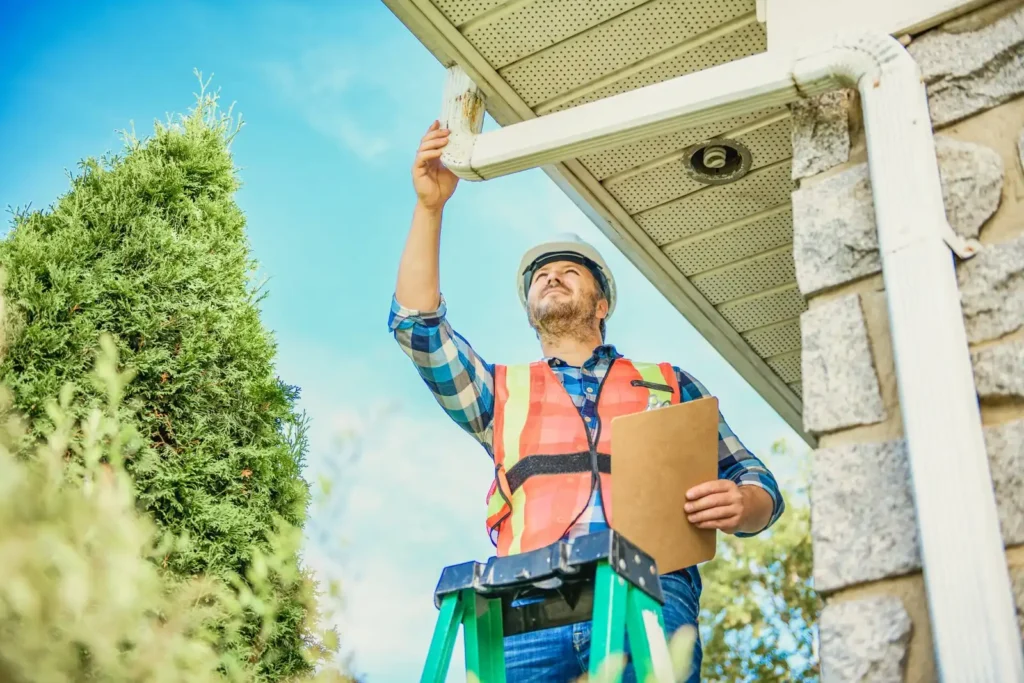
- On-site inspection and measurements: usually scheduled within a few days; the visit is often under two hours.
- Estimate and scope review: commonly 1–3 business days after the visit, depending on options.
- Permit step (if required): often 1–3+ weeks depending on scope and city workload.
- Material order and delivery: a few days to a couple of weeks, depending on material.
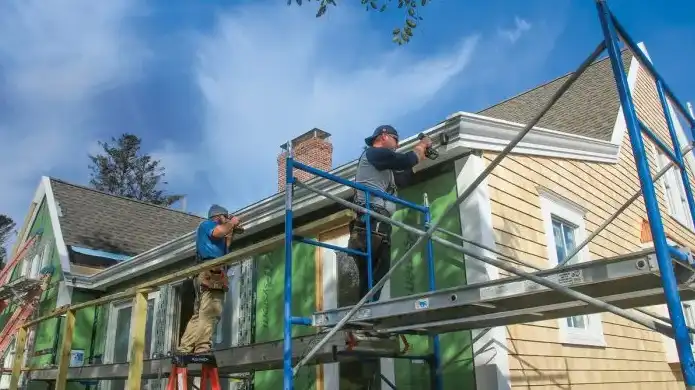
- Tear-off and installation: commonly 1–3 working days for many homes.
- Final inspection (if required) and cleanup: same day or within a few days of completion.
Decking repairs can add time. For example, A professional quote explains how changes are approved and priced before work continues.
Financing Options Homeowners Commonly Use
Every household budget is different. As a result, These are common ways homeowners handle roof costs without tying you to any specific lender.
- Cash/savings: simplest when available.
- Home equity loan or HELOC: spreads payments out; compare rates and terms with your bank.
- Home improvement loan: sometimes used when the roof is part of a larger remodel plan.
- Credit card (short-term): can work for smaller scopes, but rates matter.
- Insurance claim (when damage qualifies): only applies to covered events; get coverage and scope confirmed in writing.
When you’re weighing options, keep the scope fixed so you can compare true costs. As a result, Changing materials midstream makes budget planning harder.
If you’re tracking remodel cost across multiple home projects, give the roof its own budget line and keep a reserve for hidden wood repairs.

A Quick Checklist
A roofing quote should protect you, not confuse you. Also, The goal is a clear scope you can compare across bidders, with fewer surprises once work starts.
- Ask for the measured roof area and confirm it’s roof surface, not house footprint.
- Confirm the exact material type and grade (shingle type/weight, tile profile, or metal gauge).
- Make sure tear-off includes the number of existing layers and full debris haul-away.
- Get the underlayment type in writing (synthetic vs peel-and-stick in valleys and eaves, when applicable).
- List every flashing location included: chimneys, walls, skylights, vents, and valleys.
- Get a per-sheet decking price and a clear approval process for any rotten wood found.
- Ask what ventilation changes are included (intake vents, ridge vents, bathroom fan venting).
- Confirm whether a Rocklin permit is necessary for your scope, and who handles scheduling inspections.
- Confirm cleanup details: driveway protection, landscaping protection, and magnets for nails.
What Buyers And Inspectors Notice
A new roof can reduce inspection risk and help buyers feel confident, but ROI varies by market and by the rest of the home. As a result, Focus on details that prevent leaks and show workmanship.
- Watertight details: clean flashing and proper edge protection matter more than a “premium” label.
- Ventilation and moisture control: balanced airflow can prevent attic moisture problems.
- Documentation: keep your written scope, invoices, and permit records when they apply.
Common Mistakes That Inflate Roofing Costs
- Comparing totals only: the lowest price can be missing flashing, ventilation, or protection work.
- No unit pricing for surprises: without per-sheet decking rates, change orders can get messy.
- Ignoring permit requirements: confirm what applies to your Rocklin address and scope.
- Skipping attic ventilation: heat and moisture can shorten roof life and damage wood.
- Not asking about worksite protection: nail cleanup and debris control should be planned.
When you’re ready for a real number, US Construction & Remodeling Corp. For this reason, can inspect your roof and provide a written scope you can compare. As a result, Call +1 (916) 234-6696 for a quick consult and an estimate discussion based on your home.
Helpful Links
Frequently Asked Questions
Often, yes, but it depends on scope and address. Ask your contractor to confirm the requirement and include permit handling in the bid if it applies. Rocklin permits and inspection scheduling are commonly managed through the city’s eTRAKiT portal.
A “square” is roofing shorthand for 100 square feet of roof surface. Pricing “per square” helps compare bids across different roof sizes.
Make sure both bids match on scope. Use this quick comparison list:
- Same material type and grade
- Same tear-off layers and disposal
- Same underlayment and flashing scope
- Decking repair unit price included
- Ventilation work spelled out
Sometimes, but it’s not always allowed or recommended. Roofing over existing layers can hide damaged decking and may shorten the new roof’s life. An on-site inspection is the right way to determine whether a full tear-off is the better option for your roof.
Upgrades that reduce leak risk usually deliver the best value:
- Better underlayment in vulnerable areas
- New flashing at chimneys, walls, skylights, and valleys
- Drip edge at roof edges
- Ventilation improvements for balanced airflow
The most common drivers are hidden wood damage, extra flashing complexity, and ventilation corrections. Ask for unit prices (like decking per sheet) and a written change-order approval process before work begins.
Licensed, insured & trusted local contractor
US Construction & Remodeling Corp.
9821 Business Park Dr, Sacramento, CA, 95827
Phone: +1 (916) 234-6696
CSLB License #: 1117562 Fully licensed and insured.
Related service
Looking for a step-by-step overview before you choose materials? Read Roofing Remodeling (Landing Page).