Roofing Vs DIY In Los Angeles
If you’re weighing roofing vs diy los for a Los Angeles home, focus on three things: safety, complexity, and the cost of a mistake. A small detail can turn into a leak.
TL;DR: DIY can make sense for small, low-risk fixes when you’re comfortable on a ladder and you understand how roofs shed water. For a full replacement or active leaks, hiring a pro usually wins on safety and durability.
Quick Checklist
- Two stories or a steep roof pitch (steepness): bring in a pro.
- Leaks, soft spots, or stained ceilings: treat it as more than a patch.
- Tile, metal, or low-slope membranes: complexity rises fast.
- Chimneys, skylights, and lots of vents: leak risk concentrates at details.
- Permits or inspections may apply: plan for coordination.
- No safe place for materials and debris: schedule a crew with the right equipment.
This guide covers contractor selection, a realistic project roadmap, and the key decisions that affect budget and timeline in Los Angeles.
Why Homeowners Hire Help For Roofing Vs DIY In Los Angeles For Roofing Vs DIY Los
| Decision | Why it matters | Quick check |
|---|---|---|
| Material system | Affects lifespan, cost, and appearance. | Confirm shingle/tile type, underlayment, and warranty. |
| Flashing & penetrations | Most leaks start at edges and penetrations. | Specify flashing at chimneys, vents, and valleys. |
| Ventilation | Controls heat/moisture and protects decking. | Confirm intake/exhaust balance and vent types. |
| Tear-off & decking | Hidden damage can change cost and timeline. | Include an allowance and photo documentation. |
DIY roofing looks simple online. In addition, For many Los Angeles homeowners, roofing vs diy los gets real once they realize the roof is a system with layers that must work together.
When you remove old material, you expose the structure to weather and you take on fall risk. For example, That’s why most full replacements and anything with active leaks are better handled by a trained crew.
- Safety: Most roof injuries come from slips and falls, also not power tools.
- Water control: Many leaks start at edges, joints, or penetrations (vents, chimneys, skylights), not the open field.
- Hidden damage: You can’t see rot or damaged decking (the wood sheathing under the roof) until tear-off.
- Material handling: Bundles, tiles, and metal panels are heavy and awkward on a ladder.
- Verification: A professional scope and photo documentation are easier to keep for resale and future repairs.
What Changes The DIY Math
Material choice impacts weight, complexity, and how forgiving the installation is. As a result, Underlayment is the water-resistant layer installed on top of the roof decking and under the finished roof. Flashing is shaped metal that seals transitions around edges, walls, chimneys, and pipes.
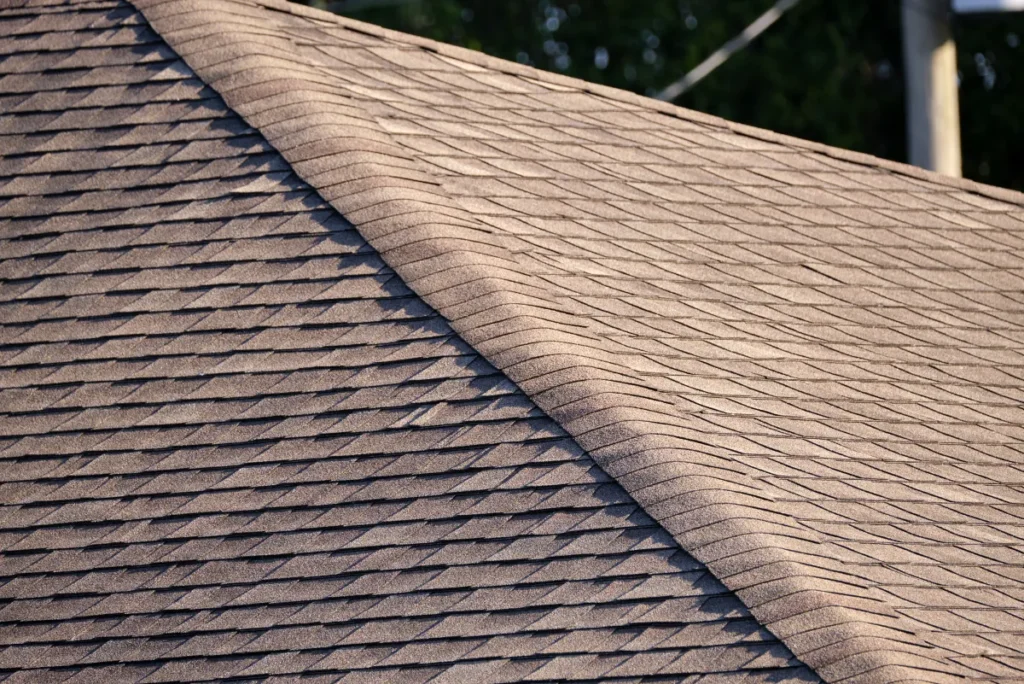
- Asphalt shingles: Common and generally the most budget-friendly. Also, Details at edges and penetrations still matter.
- Clay or concrete tile: Durable and attractive, but heavy. For this reason, Repairs may require matching profiles and careful handling to avoid breakage.
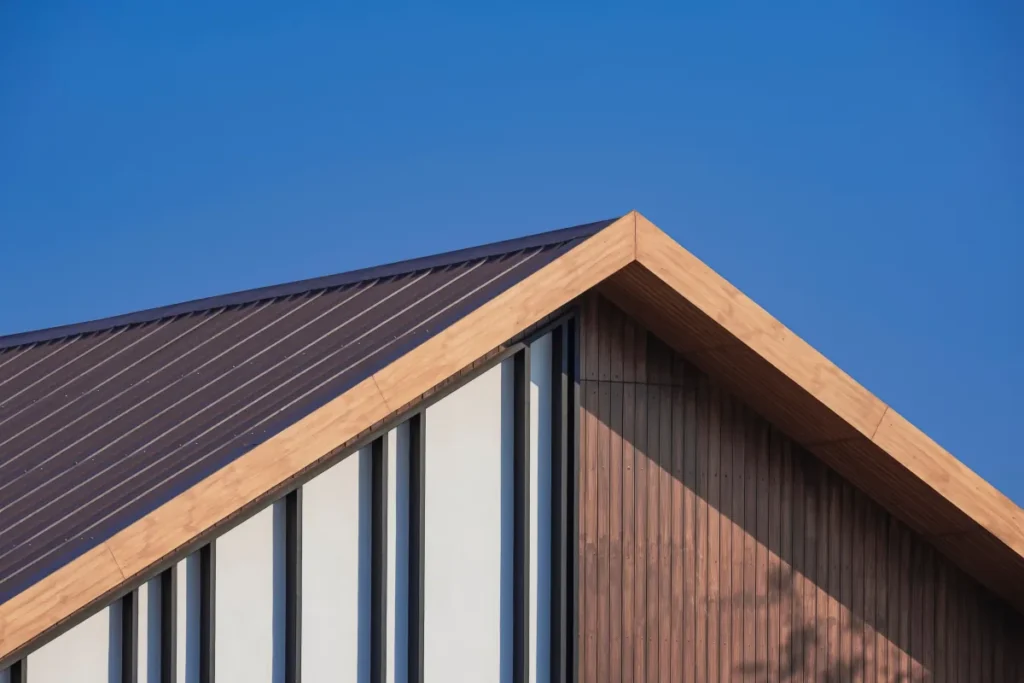
- Metal roofing: Long-lasting and can use reflective finishes. Additionally, It relies on precise fastening and carefully formed flashing.
- Low-slope membranes (like TPO): Often used on flatter roofs. Meanwhile, Seams and terminations are critical, so DIY risk goes up quickly.
Roof Plan Decisions That Affect Performance
Before anyone orders materials, map the roof pitch (how steep it is), the number of valleys (where two roof planes meet), and every penetration. Overall, These details drive labor, leak risk, and the right ventilation approach.
- Keep drainage paths clear so water moves off the roof instead of sitting at low points.
- Plan ventilation intentionally; balanced airflow helps the roof assembly stay drier and cooler.
- Decide how to handle existing skylights and vents before tear-off to avoid last-minute surprises.
Practical Planning Ideas
In many Los Angeles neighborhoods, access can be the challenge, not the roof itself. In addition, Tight driveways, narrow side yards, and limited staging space affect where materials land and how debris gets removed.
- Confirm where a delivery truck can park and offload safely.
- Protect landscaping and walkways with temporary coverage.
- Use a plan for daily cleanup so nails and debris don’t end up in tires or shoes.
How To Choose The Right Contractor For Roofing Vs DIY Los
If you’re comparing bids after searching roofing vs diy los, focus on clarity. For this reason, The right contractor explains the scope in plain language and puts it in writing.
You should know exactly what’s being removed, what’s being installed, and how the crew will protect your home while the roof is open.
Bid Checklist (Use This On Every Estimate)
- Specific roof system (shingle/tile/metal/membrane) and manufacturer line.
- Underlayment type and how edges and valleys will be handled.
- Flashing approach at chimneys, vents, and wall transitions.
- Decking repair plan if damaged wood is found.
- Ventilation plan and any attic access needed.
- Debris hauling and magnetic nail sweep at the end of each day.
- Who handles permits and inspection scheduling when required.
Contract Terms That Protect You
Ask for a written contract with a payment schedule tied to milestones, not vague promises. For this reason, Make sure change orders (scope changes) are written and priced before the crew proceeds.
Trust Signals You Can Verify
- Proof of active insurance and current trade licensing.
- A named point of contact and a plan for daily updates while work is active.
- Photos of critical steps (deck repairs, underlayment, flashing) before the final layer goes on.
Want a timeline reality check before you commit? For this reason, Use our planning call request form and tell us when you want the work done.

Planning To Completion
US Construction & Remodeling Corp. Meanwhile, helps Los Angeles homeowners turn the roofing vs diy los question into a clear plan: what needs repair, what needs replacement, and what steps must happen in what order.
Book a planning call to talk timeline first—then we’ll walk through scope, materials, and permit coordination.
Roof Evaluation And Options
We inspect the roof surface, edges, and penetrations. We also look for signs of damaged decking (the wood sheathing under the roof). As a result, You’ll get options based on condition, not guesswork.
Permits And Scheduling In Los Angeles
Some roof work may require permits or inspections, depending on scope and what’s being changed. Also, Los Angeles LADBS offers online services for permitting and plan review, and some projects can qualify for faster or online permit paths.
Ordering, Staging, And Protection
- Confirm material lead times and delivery timing.
- Plan staging so materials and debris stay controlled.
- Protect landscaping, HVAC units, and walkways before tear-off.
Tear-Off, Deck Repairs, And Dry-In
Dry-in means the roof is covered with underlayment so the structure stays protected even before the finished roof goes on. For example, If we find damaged wood, we document it and review repair options before moving forward.
Installation And Detail Work
The crew installs the primary roof material and completes detail work at edges, valleys, and penetrations. Additionally, Careful flashing and sealing prevent most future leaks.
Cleanup, Inspection, And Closeout
- Daily cleanup and a final magnetic nail sweep.
- Inspection coordination when required.
- Closeout notes you can keep for maintenance and future resale.
Quick Comparison Table
| Factor | Why it matters | DIY reality |
|---|---|---|
| Height & pitch | Steeper and higher roofs raise fall risk and slow work. | Often the biggest safety barrier. |
| Material type | Tile, metal, and membranes rely on precision details. | Tools and technique matter more than enthusiasm. |
| Penetrations | Chimneys, vents, and skylights are common leak points. | Small mistakes can show up later as water stains. |
| Deck repairs | Damaged decking must be fixed before installation. | Hard to plan for without experience. |
| Permits/inspection | Some scopes require coordination and sign-off. | Paperwork and scheduling can delay DIY. |
Frequently Asked Questions
DIY can be reasonable for small, low-risk fixes on a single-story roof when you can work safely and you understand where leaks start (usually at edges and penetrations).
When the project looks like a replacement, a steep roof, or an active leak, roofing vs diy los usually comes down to risk. A professional scope and install are easier to verify and maintain.
If you want a quick timeline check, call +1 (916) 234-6696 or request a planning call online.
Sometimes. Permit needs depend on the roof type and what’s being changed.
- Minor repairs may not require the same steps as a full replacement.
- Changing structural elements can trigger additional review.
When in doubt, confirm requirements with LADBS before work starts, and keep inspection documentation for your records.
The biggest cost drivers are usually the roof size, material type, and how much repair work is necessary under the old roof.
- Layers: Multiple existing layers increase tear-off labor and disposal.
- Complexity: More valleys, dormers, and penetrations add detail work.
- Access: Tight staging areas can slow the crew and raise labor time.
- Decking repairs: Rot or damage adds material and labor once the roof is open.
A written scope that lists these items makes bids easier to compare.
Most projects have three timelines: planning, on-site work, and closeout.
- Planning: measurements, selecting materials, and lining up delivery.
- On-site work: often a few days for straightforward roofs; complex roofs take longer.
- Closeout: final cleanup, documentation, and inspections when required.
Permit and inspection scheduling can add time in Los Angeles, so start planning early if you have a deadline.
The best material depends on the roof slope, your budget, and the look you want.
- Asphalt shingles: common and cost-conscious.
- Tile: durable and distinctive, but heavier and more complex to repair.
- Metal: long-lasting; reflective finishes can help with sun exposure.
- Low-slope membranes: designed for flatter roofs where shingles don’t work well.
Ask your contractor to explain the full system—decking, underlayment, flashing, and ventilation—not just the top layer.
Line bids up side by side and confirm they include the same scope and materials.
- Same material brand/line and color (when applicable).
- Same underlayment type and edge/valley details.
- Same flashing scope around chimneys, vents, and walls.
- Clear plan for decking repairs and how pricing works if damage is found.
- Cleanup, disposal, and daily protection plan.
- Permits/inspections spelled out when required.
If a bid is vague, ask for a revised scope in writing before you sign.
Related service
Looking for a step-by-step overview before you choose materials? Read Roofing Remodeling (Landing Page).