Skip links

Shower Remodel: A California Homeowner’s Guide

When the shower starts leaking, looking dated, or feeling tight, a shower remodel becomes less about style and more about protecting the bathroom behind the walls. This guide breaks down options, scope choices, materials, and a realistic timeline for California homeowners. To talk through your space, call US Construction & Remodeling Corp. at +1 (916) 234-6696 or request a free estimate online.

Quick checklist:

  • Define the scope and prioritize daily function (shower, storage, ventilation).
  • Confirm what trade work is involved (plumbing, electrical, drywall) and the order of work.
  • Choose finishes that hold up in wet areas and are easy to clean.
  • Collect 2–3 quotes and compare line-by-line (scope, allowances, cleanup, warranty).
  • Decide what needs to be ordered first (tile, fixtures, vanity) to keep the schedule moving.

TL;DR: Keep plumbing locations when possible, pick a waterproofing system you can document, and choose finishes that are easy to clean. A clear scope and early fixture selections prevent most schedule surprises. If this is your only bathroom, plan for limited shower access for part of the job.

  • Choose a scope: surface refresh vs full rebuild
  • Decide whether the shower footprint stays the same
  • Pick wall system: tile, solid-surface panels, or acrylic
  • Select fixtures early (valve + trim + showerhead)
  • Plan storage (niche, corner shelf, or bench)
  • Set expectations for dust control and daily cleanup

Options And What Each Includes For Shower Remodel

DecisionWhy it mattersQuick check
Wet-area finishesWet zones need durable, easy-clean surfaces.Choose materials rated for bathrooms and simple maintenance.
VentilationHelps prevent humidity and long-term damage.Confirm fan sizing and vent routing.
LayoutGood layout improves daily usability.Verify clearances and door swings.
Budget controlKeeps scope creep from blowing up the price.Use allowances and a written change-order process.
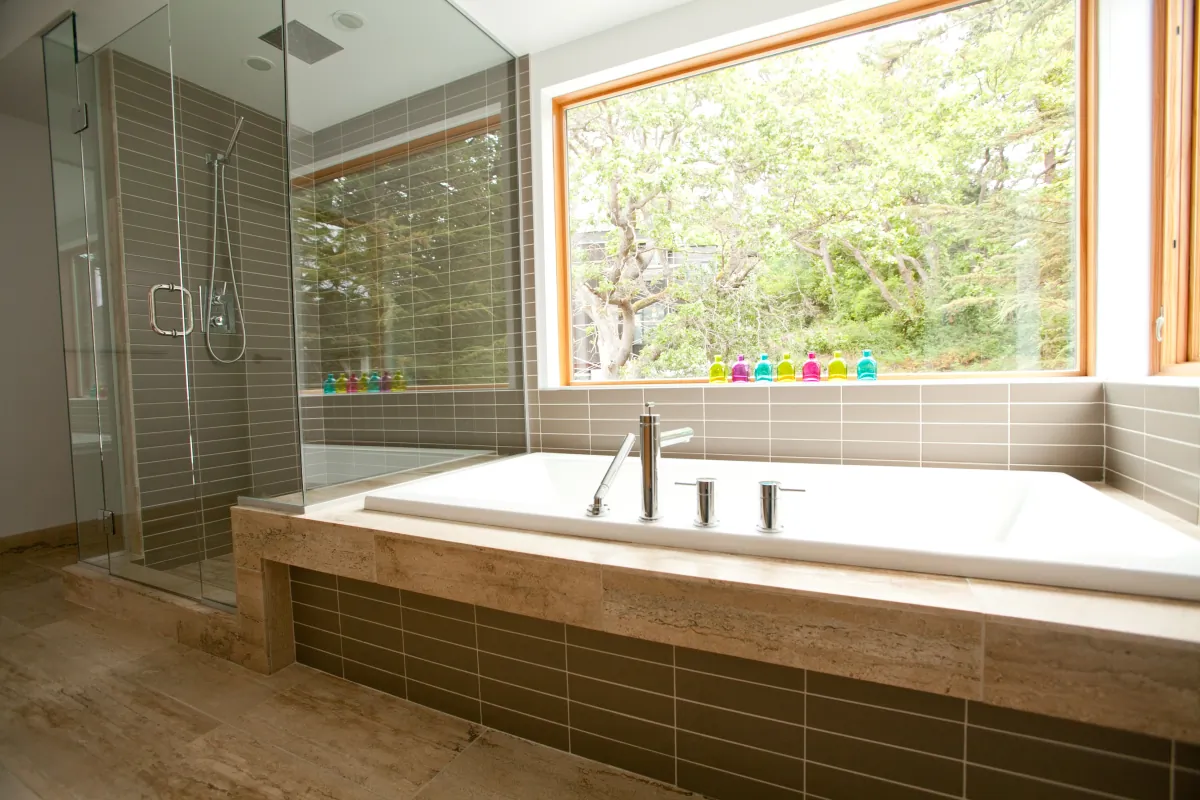
  • Walk-in shower with a low-threshold pan for easier entry
  • Tub-to-shower conversion that uses the existing wet wall when possible
  • Frameless glass panel or door to open up sightlines
  • Large-format porcelain wall tile to reduce grout lines
  • Solid-surface wall panels for fast cleanup and fewer joints
  • Built-in niche (or two) placed at comfortable reach height
  • Bench seating (built-in or fold-down) for comfort and safety
  • Handheld shower on a slide bar for rinsing and cleaning
  • Matte finishes (black, also brushed nickel, chrome) matched across the room
  • Upgraded ventilation to protect paint, grout, and trim

Most shower projects fall into one of three goals: stop leaks, make cleaning easier, or make the shower safer and more comfortable. As a result, The options above can mix together, but the “must-haves” stay the same: a properly sloped base, a complete waterproofing system behind the finish, and clean transitions at every edge and penetration.

When homeowners focus only on tile and fixtures, they often miss the real long-term value: water management. For example, A well-built shower upgrade should drain correctly, dry out quickly, and stay sealed where different materials meet.

Related Bathroom Upgrades

A shower upgrade can be the anchor for a better-feeling bathroom, even if you don’t remodel the entire room. For this reason, Common add-ons include vanity replacement, bathroom flooring replacement, a new exhaust fan, and lighting upgrades. You can also browse service info at https://usconstructioncali.com/.

Common Planning Mistakes To Avoid

  • Choosing finishes before confirming the waterproofing approach
  • Buying trim kits without checking valve compatibility
  • Skipping a plan for niche/bench placement and framing support
  • Picking high-contrast grout without a realistic cleaning routine
  • Underestimating how much door swing affects a narrow bathroom
  • Waiting too long to order custom glass or specialty fixtures

If you want to compare options with real-world scope and materials, a quick phone consult can narrow the direction before you start buying finishes.

bathroom remodel

Scope Options (Refresh Vs Full Remodel) For Shower Remodel

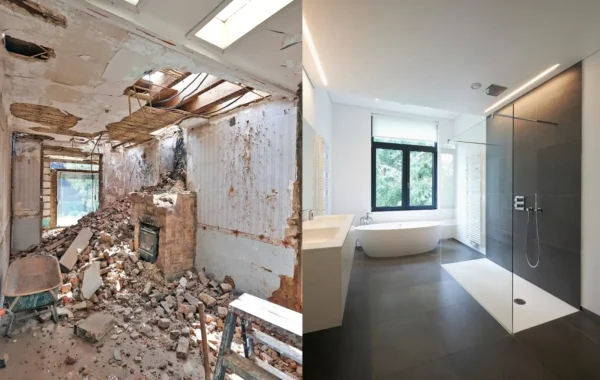
Two bathrooms can look similar and still need very different levels of work inside the shower. Meanwhile, A refresh focuses on what you see—new wall surfaces, updated fixtures, and a cleaner look—while keeping the structure mostly intact. In addition, A full remodel opens the walls so you can address hidden moisture issues, update rough plumbing or electrical, and rebuild the shower system from the framing out.

One practical decision makes everything else easier: are you solving a surface problem, or a water-management problem? Additionally, Persistent leaks, soft drywall, or recurring musty smells usually point to deeper work than “new tile on top.”

Quick Decision Table

ScopeBest when…Typical workMain cost drivers
RefreshPlumbing is sound and damage looks limitedNew surround/tile, fixtures, minor plumbing updatesTile complexity, glass, fixture grade
Full remodelYou suspect hidden damage or want changes behind wallsDemo to framing, rebuild waterproofing, update rough-ins as neededRepairs, plumbing moves, custom niches/benches, glass
Tub-to-shower conversionYou want a bigger walk-in shower without moving wallsRemove tub, adjust drain/valve, new base and wallsDrain relocation, enclosure choice, tile labor

Layout Moves That Work

In a galley-style bathroom (long and narrow), the shower door swing and walkway width matter as much as tile choice. Overall, An L-shape or U-shape layout can tuck the vanity or toilet around a corner, which frees up a cleaner glass line at the shower. Meanwhile, In an island-centered primary bath (often a freestanding tub acting as the “island”), a simple shower enclosure keeps the room open while still controlling water.

  • Keep the shower footprint the same when the room feels tight
  • Use a fixed glass panel with an open entry to reduce door clearance needs
  • Choose a recessed niche instead of a corner caddy to protect elbow room
  • Use a bench only if the shower is deep enough to keep standing space
  • Plan towel hooks and a robe hook where you can reach without crossing wet floors
  • If you’re touching the vanity, consider a slimmer profile to open the aisle

Materials And Finish Selections

Materials determine the look of the shower, but they also determine how often you scrub it. Also, Start with the hidden system—proper slope and waterproofing—then choose wall and floor finishes that match your upkeep tolerance and your budget.

When you’re comparing bids, ask how the installer will waterproof corners, benches, niches, and valve penetrations. In addition, Those details usually decide whether a shower stays dry behind the tile.

Material Trade-Offs: Quick Pros/Cons

  • Porcelain/ceramic tile: Flexible design range and durable; grout lines require maintenance and proper sealing strategy.
  • Large-format tile: Fewer grout lines and a clean look; needs flatter walls and careful layout to avoid lippage.
  • Solid-surface panels: Fast cleanup and minimal joints; style selection can be narrower than tile.
  • Acrylic/fiberglass surround: Budget-friendly and quick to install; can feel less “custom” and may scratch over time.
  • Natural stone: High-end look; requires ongoing sealing and careful product selection to avoid staining.

Coordinating The Rest Of The Bathroom

If the shower work touches nearby finishes, plan the full palette once so it looks intentional. As a result, For vanity cabinets, popular door styles include Shaker (versatile), slab (clean and modern), and raised-panel (traditional). Meanwhile, Countertop options like quartz, solid-surface, and cultured marble balance durability and maintenance, while flooring choices such as porcelain tile or waterproof vinyl help tie the room together.

Layered Lighting That Flatters Tile

  • Ambient: Even ceiling lighting that keeps the room bright and safe.
  • Task: Vanity lighting aimed at the face for shaving, makeup, and daily routines.
  • Accent: A focused light that highlights tile texture or a niche without glare.

Timeline And Site Disruption (Typical)

A shower renovation follows a predictable sequence, but the pace depends on what’s behind the walls and how quickly selections arrive. Also, Expect short water shutoffs during plumbing work, plus noise and dust during demo—so it helps to set a clear work zone and a daily cleanup expectation upfront.

Build Sequence Most Homeowners See

  1. Protect floors and set up dust control
  2. Demo and inspection of framing/substrate
  3. Rough plumbing (and electrical, if included)
  4. Waterproofing installation and cure time
  5. Tile/panel install, then grout and sealant work
  6. Glass measure and install (if applicable)
  7. Fixture trim-out, final detailing, and walkthrough

Budget Ranges & Timeline (Typical)

  • Refresh: often low-to-mid four figures; roughly 3–7 working days once materials are on site.
  • Full rebuild: often mid four figures into five figures; commonly 2–3+ weeks depending on inspections, tile complexity, and glass fabrication.
  • Plumbing moves, custom niches/benches, and specialty tile are frequent budget drivers.
  • Keeping the drain and valve wall in place is one of the simplest ways to control cost.

Keeping The Home Livable During Work

  • Plan an alternate shower option if this is the only bathroom
  • Ask when water will be off and for how long
  • Keep pets and kids out of the work zone
  • Confirm where materials and debris will be staged

Resale And ROI Priorities

  • Prioritize a leak-free build and clean drainage over niche “wow” features
  • Choose durable, neutral finishes that age well
  • Add blocking for future grab bars even if you don’t install them now
  • Good ventilation protects the investment more than most people expect

Maintenance Habits That Keep It Looking New

  • Use a squeegee on glass and tile after showers to reduce mineral buildup
  • Clean with pH-neutral products (avoid harsh acids on stone and grout)
  • Keep silicone joints intact; re-caulk when you see gaps or peeling
  • Confirm whether your grout type needs periodic sealing

ada compliance upgrades all inclusive all gender bathroom real image aut

How To Get Started In Sacramento

US Construction & Remodeling Corp. Overall, helps homeowners plan a shower remodel with clear scope, finish selections, and a build sequence that works for real life—especially when the home has only one bathroom. Also, You get straightforward communication, coordination across trades, and a plan that spells out what’s included before work begins.

Call for a quick consult:+1 (916) 234-6696
Prefer online:Request a free estimate

Local Project Flow In Sacramento

  1. Short intake call to confirm goals, constraints, and any leak history
  2. Site visit to measure, review existing conditions, and confirm scope options
  3. Selections planning (tile/pan, fixtures, glass) with a clear allowance strategy if needed
  4. Pre-construction plan for protection, access, and daily cleanup expectations
  5. Demo, rough-ins, waterproofing, and finish installation in a defined sequence
  6. Inspections and permit coordination when the scope requires it
  7. Final walkthrough and punch list so the shower is ready for daily use

Sacramento Permitting And Plan Review (General)

Inside Sacramento city limits, homeowners often track plan review, payments, and inspection status through the City of Sacramento Community Development portal (Accela Citizen Access). Additionally, Permit needs depend on the exact scope and address, so it’s smart to confirm early if plumbing, electrical, or structural changes are involved.

Trust Checklist Before You Hire

  • Verify the contractor through CSLB and confirm the business name matches the contract
  • Ask how the waterproofing system is installed at corners, niches, and penetrations
  • Get a written scope that states what gets replaced versus reused
  • Confirm who is responsible for permits (when needed) and inspection scheduling
  • Clarify communication cadence and how change orders are handled
  • Ask what cleanup and dust-control measures are included

Ways To Get An Estimate

  • Call with a few photos and your must-haves to narrow scope quickly
  • Use the online form if you want a written follow-up and scheduling options
  • When comparing bids, request separate line items for waterproofing, plumbing, and glass so you can compare clearly

Company Details

Helpful Links

Frequently Asked Questions

Timeline depends on scope, inspections, and materials. A surface refresh can take several working days, while a full rebuild with tile and custom glass can take a few weeks.

  • Keeping plumbing in place often shortens the schedule
  • Custom glass and specialty finishes can add wait time

The biggest cost drivers are what you can’t see at first and what you choose at the finish line.

  • Plumbing changes (moving the drain or valve wall)
  • Repair work after demo (rot, moldy substrate, uneven framing)
  • Tile complexity (patterns, niches, benches, large-format installs)
  • Glass type (frameless vs framed, coatings, custom sizes)

It depends on the scope and local jurisdiction. Many areas require permits when you change plumbing, electrical, structural elements, or the footprint of the shower. A contractor should help you confirm what applies to your address before work starts.

Wall panels are typically the easiest day-to-day because they have fewer joints. Tile offers more design flexibility, but grout lines need regular cleaning and proper sealing strategy.

If low maintenance is the priority, consider larger-format tile, epoxy/advanced grout options, and a glass treatment that reduces spotting.

Often, yes. A tub-to-shower conversion typically uses the same wet wall, then updates the drain/valve as needed and installs a new base and walls.

Space, plumbing location, and the bathroom door swing usually determine whether it feels truly “walk-in.”

Ask questions that reveal the waterproofing plan, not just the design.

  • Which waterproofing system will be used and how corners/penetrations are handled
  • How the shower base will be sloped and how water is directed to the drain
  • What’s included in writing (demo, repairs, waterproofing, tile, glass, fixture install)
  • How permits/inspections will be handled if the scope triggers them

Licensed, insured & trusted local contractor

US Construction & Remodeling Corp.
9821 Business Park Dr, Sacramento, CA, 95827
Phone: +1 (916) 234-6696

CSLB License #: 1117562 Fully licensed and insured.

View our Google Business Profile

Frequently Asked Questions

Timeline depends on scope, inspections, and materials. A surface refresh can take several working days, while a full rebuild with tile and custom glass can take a few weeks.

  • Keeping plumbing in place often shortens the schedule
  • Custom glass and specialty finishes can add wait time

The biggest cost drivers are what you can’t see at first and what you choose at the finish line.

  • Plumbing changes (moving the drain or valve wall)
  • Repair work after demo (rot, moldy substrate, uneven framing)
  • Tile complexity (patterns, niches, benches, large-format installs)
  • Glass type (frameless vs framed, coatings, custom sizes)

It depends on the scope and local jurisdiction. Many areas require permits when you change plumbing, electrical, structural elements, or the footprint of the shower. A contractor should help you confirm what applies to your address before work starts.

Wall panels are typically the easiest day-to-day because they have fewer joints. Tile offers more design flexibility, but grout lines need regular cleaning and proper sealing strategy.

If low maintenance is the priority, consider larger-format tile, epoxy/advanced grout options, and a glass treatment that reduces spotting.

Often, yes. A tub-to-shower conversion typically uses the same wet wall, then updates the drain/valve as needed and installs a new base and walls.

Space, plumbing location, and the bathroom door swing usually determine whether it feels truly “walk-in.”

Ask questions that reveal the waterproofing plan, not just the design.

  • Which waterproofing system will be used and how corners/penetrations are handled
  • How the shower base will be sloped and how water is directed to the drain
  • What’s included in writing (demo, repairs, waterproofing, tile, glass, fixture install)
  • How permits/inspections will be handled if the scope triggers them

Leave a comment

This website uses cookies to improve your web experience.
Explore
Drag