Skip links

Siding Cost in Alameda: Pricing + Timeline Guide

If you’re planning exterior remodel cost in Alameda, siding is one of the biggest line items because it combines materials, labor, and whatever the crew finds behind the old boards.

Quick checklist:

  • List the biggest cost drivers (square footage, material, wall prep/rot repair, trim, finish, and access).
  • Confirm moisture management details (housewrap, flashing, caulking) in writing.
  • Define the full scope (trim, soffit/fascia, paint, insulation upgrades).
  • Confirm access/safety plan and how landscaping/property will be protected.
  • Compare 2–3 itemized quotes and verify warranty coverage.
  • Check permit requirements if altering exterior walls or doing structural repairs.

This guide gives you realistic ranges and a week-by-week view so you can plan the work and request quotes that match the same scope.

Siding In Alameda

TL;DR: Siding budgets swing most based on access (one-story vs two-story), material choice, and hidden repairs. An itemized quote plus a simple schedule keeps the project from drifting.

  • Decide: repair, partial replacement, or full replacement
  • Pick a material category (vinyl, fiber cement, engineered wood)
  • Ask how repairs are priced (allowance vs change order)
  • Confirm what’s included (housewrap, flashing, trim, disposal)
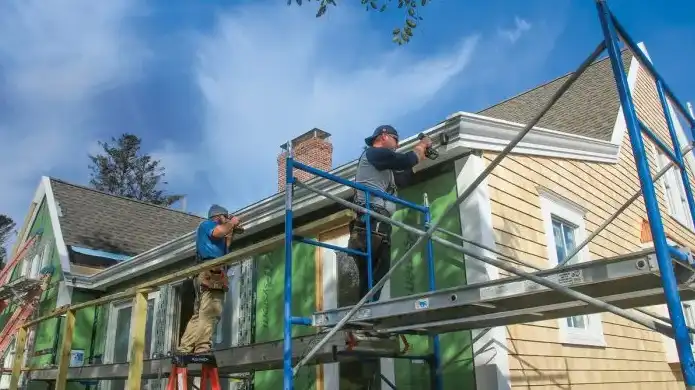
  • Plan for access needs (scaffolding, lift, staging space)
  • Clarify permit and inspection needs for your scope

Want a straightforward consult? Call +1 (916) 234-6696.

Siding In Alameda Pricing Guide For Homeowners In Alameda For Remodel Cost

When homeowners look up siding cost in Alameda, also they usually want a starting number and a plan for “what if we find damage?” That’s smart—most surprises come from what’s hidden behind the old siding.

This pricing guide is for homeowners deciding between repair, partial replacement, or a full re-side, and who want a realistic budget before they commit.

Ballpark Installed Price Ranges

Contractors may price siding by the square foot, by the “square” (100 square feet), or as a single project total. For this reason, Installed numbers often include labor and standard accessories, but they may not include major wall repairs or painting—always confirm what’s in the scope.

  • Vinyl siding: roughly $8–$14 per sq. ft. installed
  • Fiber cement siding: roughly $12–$22 per sq. ft. installed
  • Engineered wood siding: roughly $12–$24 per sq. ft. installed
  • Natural wood siding: roughly $16–$30+ per sq. ft. installed (higher upkeep)

Hypothetical example: If your exterior has about 1,800 sq. ft. As a result, of wall area and pricing lands near $15 per sq. As a result, ft., the base work would be about $27,000 before permit fees or repair add-ons.

Where The Money Usually Goes (Cost Breakdown)

A good quote breaks the total into clear buckets so you can compare bids.

  • Labor and job setup: protection, staging, and installation time
  • Materials package: panels/boards, trim, fasteners, sealants
  • Tear-off and disposal: removing old siding and hauling debris
  • Water barrier details: housewrap (wind/water layer) and tapes
  • Flashing work: metal or membrane at windows/doors so water drains out
  • Repairs: sheathing (boards under siding) and any damaged framing found after demo
  • Finish work: paint, caulk, touch-ups, and cleanup

If you’re tracking overall remodel cost, ask for a base scope plus a clear repair allowance. Meanwhile, That keeps pricing honest without forcing a contractor to guess.

Decisions That Affect Price And Time

DecisionWhy it mattersTypical cost impactTypical timeline impact
Tear-off vs overlayTear-off exposes the wall for proper barrier/flashing and reveals repairs.Overlay can cost less up front; tear-off reduces hidden-risk surprises.Tear-off may add days, especially if repairs appear.
Material choiceDurability, maintenance, and accessories vary by product system.Vinyl often runs lower; fiber cement and wood trend higher.Some materials install slower and may require painting.
Home height and accessTwo-story walls need extra safety setup and staging.More labor and possible lift/scaffold rental.Often adds 1–3 working days.
Repair scope behind sidingFixing soft sheathing keeps the new siding straight and sealed.Can be minor or substantial depending on what’s found.Work pauses while repairs are completed.

Key Cost Drivers (Design, Materials, Trades)

In Alameda, bids separate quickly when crews start accounting for design complexity, material system details, and how many specialty trades are involved.

Design And Access

  • Wall area and shape: more corners, gables, and bump-outs add cutting and trim time.
  • Number of stories: height increases setup time and safety requirements.
  • Obstructions: tight side yards, decks, and landscaping affect access and staging.

Materials And Details

  • Board profile and thickness: thicker profiles can cost more and install differently.
  • Trim package: corner boards, fascia, and soffit work add material and labor.
  • Moisture protection: quality housewrap, tapes, and flashing details prevent future problems.

Trades You May Need (Beyond Siding)

  • Carpentry: sheathing repair, trim rebuild, or framing fixes.
  • Painting: if your siding is not factory-finished or you’re repainting trim.
  • Electrical/plumbing adjustments: moving exterior fixtures, vents, or penetrations so the siding seals correctly.

Resale Value And Curb Appeal (ROI)

New siding can improve curb appeal and reduce visible maintenance issues during a sale. Also, ROI usually comes from doing the hidden work right—straight lines, clean trim, and strong water protection—not from overspending on upgrades you don’t need.

  • Choose a finish and color that fits the home.
  • Replace visibly damaged trim so buyers don’t see patchwork repairs.
  • Include flashing upgrades so water drains the right way.

Scope Choices That Hold Value Long-Term

When budgets get tight, prioritize the pieces that prevent future damage.

  • Include housewrap and flashing details in the written scope.
  • Plan for targeted sheathing repairs where damage exists.
  • Upgrade only what you can maintain (painted wood needs more upkeep than many alternatives).
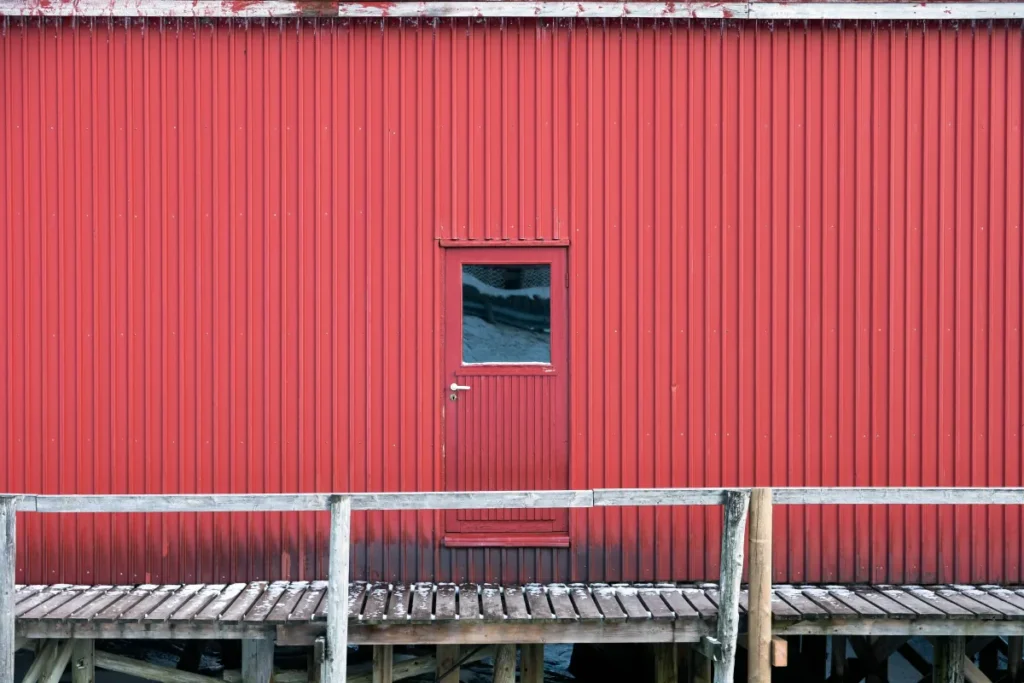
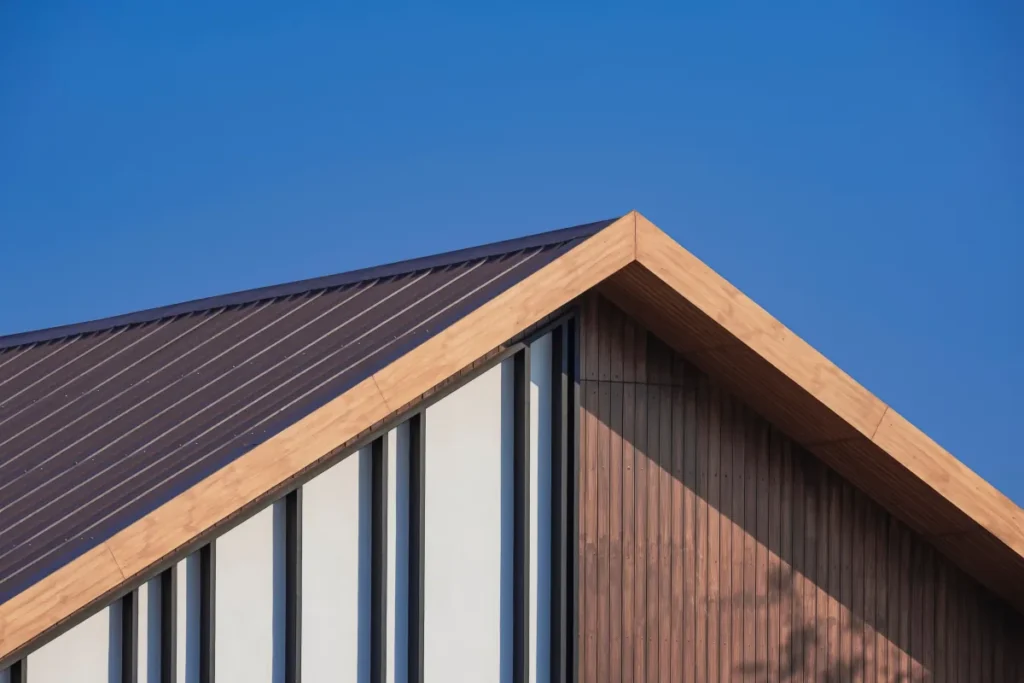
vertical siding metallic door and wall of warehouse on coastline i

Ways To Keep Costs Under Control

Cost control comes down to scope clarity. In addition, The more decisions you make before work starts, the fewer change orders you’ll see once siding is off the wall.

  • Choose your material category early: don’t compare bids until everyone prices the same product type.
  • Ask how repairs are handled: a repair allowance can keep small surprises from turning into big paperwork.
  • Keep the exterior layout the same: moving windows or doors can shift the job from “siding” into reframing.
  • Standardize trim details: fewer custom profiles usually means less labor and less waste.
  • Confirm what “included” means: housewrap, flashing, disposal, and paint can change the bottom line.
  • Protect your schedule: special-order materials can add weeks; get lead times in writing.

Financing Options Homeowners Use

Some homeowners treat siding as a stand-alone project. For example, Others roll it into a larger remodel cost plan for the home. For example, In either case, pick financing that matches the project timeline and your comfort level.

  • Cash savings: simplest option, no interest, no loan paperwork.
  • Home equity loan or HELOC: often used for larger home projects; terms vary widely.
  • Cash-out refinance: can fund improvements, but rates and closing costs matter.
  • Personal loan: faster approval in some cases, typically higher rates.

Whatever route you consider, tie payments to completed milestones. Overall, Avoid paying for the full job up front.

Timeline And Inspection Milestones

Siding work moves quickly once materials are delivered and staging is set. The overall calendar can stretch when selections, special orders, or permits are still in motion.

Typical Timeline (Decision To Completion)

  • Site visit and measurements: 1–2 days
  • Finalize material, color, and trim: 2–7 days
  • Order and delivery: 1–3+ weeks depending on product availability
  • Permitting (if required): varies by scope and review
  • On-site installation: often 3–10 working days for many homes
  • Final walkthrough and cleanup: about 1 day

Week-By-Week Example Schedule (Full Replacement)

This is a simple example for a full replacement that includes repairs and paint. Smaller jobs can finish faster.

  1. Week 1: protect landscaping, set scaffolding or lifts, remove existing siding, and inspect the wall.
  2. Week 2: complete sheathing repairs, install housewrap and flashing, and start the new siding.
  3. Week 3: finish siding and trim, seal penetrations, and prep surfaces for paint if needed.
  4. Week 4: paint/touch-ups, final walkthrough, and close out any inspections if applicable.

Permit And Inspection Notes For Alameda

Some siding replacements are simple swaps. Additionally, Others involve structural changes, major sheathing replacement, or moving openings, which is where permits and inspections usually come into the conversation.

For many building and planning actions, the City of Alameda uses an online permit portal (Accela) for applications and status tracking. For this reason, Requirements depend on the exact scope and address, so confirm early to avoid delays.

  • Possible inspection milestone: an inspector may need to see repairs before the new siding covers them.
  • Possible final milestone: a final inspection after the exterior is complete.

If your home was built before 1978, ask your contractor about lead-safe renovation practices when disturbing painted surfaces. In addition, Lead dust can be hazardous, especially for kids.

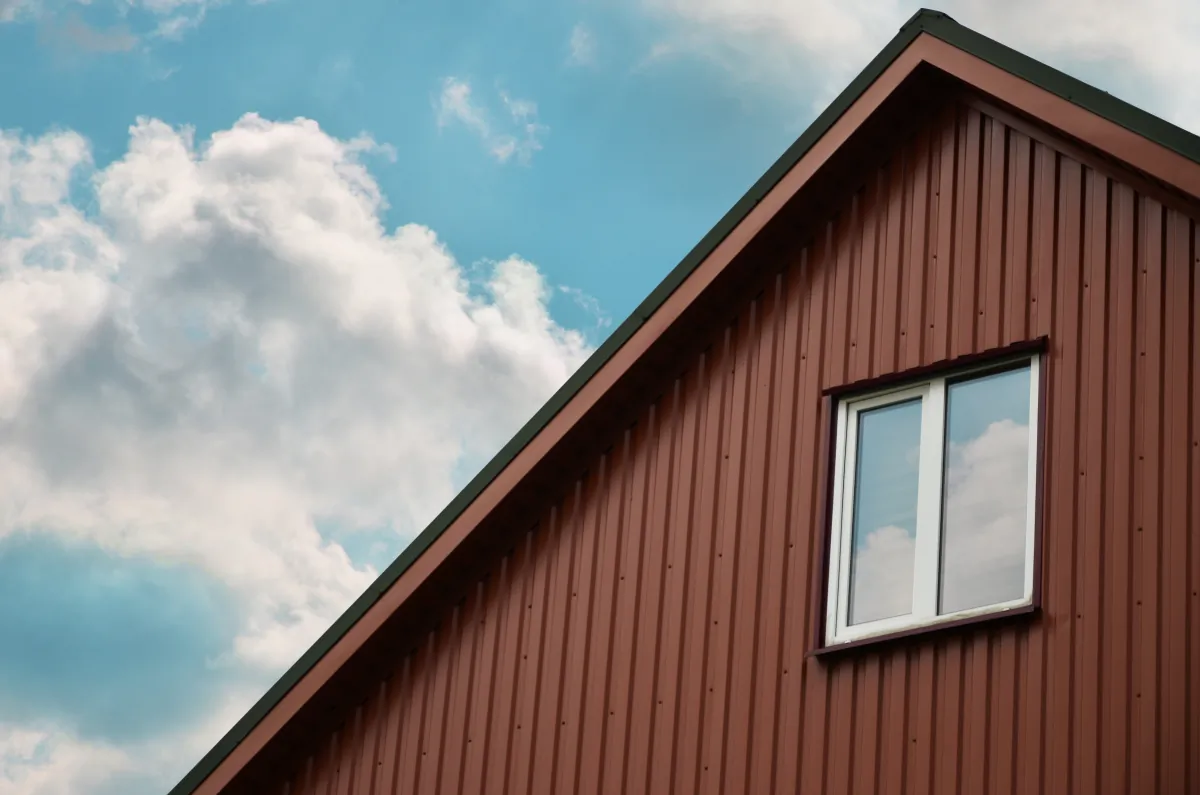
vertical siding the brown attic with a small window on the sky

Requesting A Detailed Quote

Online ranges help you start budgeting, but a quote should explain exactly what will be replaced and how the wall will be protected once the old siding comes off.

To request a detailed Alameda siding quote from US Construction & Remodeling Corp., call +1 (916) 234-6696. Additionally, We’ll talk through your goals and, if it makes sense, schedule a site visit to measure and confirm scope.

What To Have Ready For A Fast Estimate

  • Your address (so we can plan access and parking)
  • Photos of each side of the home
  • Your best guess on goals: repair vs full replacement
  • Material preference (or a short list of options)
  • Any known issues (soft spots, leaks, peeling paint)

What A Solid Quote Should Include

  • Exact scope: areas included and excluded
  • Material system and thickness/profile
  • Housewrap and flashing details (not just “replace siding”)
  • How repairs are priced (allowance vs time-and-material)
  • Trim, caulk, paint/finish responsibilities
  • Cleanup, disposal, and jobsite protection

How To Compare Bids Without Guesswork

If two bids show a very different remodel cost total, it usually means the scope is different. Additionally, Compare the details before you compare the number.

  • Make sure both bids handle repairs the same way.
  • Confirm both include water-barrier and flashing work.
  • Check whether paint/finish and trim are included.
  • Ask for a written timeline with milestone payments tied to completed work.

Helpful Links

Frequently Asked Questions

Installed siding pricing often falls roughly between $8 and $30+ per sq. ft., depending on material, access, and finish work. The total project budget can change a lot if the crew finds damaged sheathing or trim after tear-off.

Use online ranges to start, but rely on a measured, itemized quote for your home.

Most “big gaps” come from scope differences, not just price. Common causes include:

  • Different material systems (or different thickness/trim packages)
  • Tear-off vs overlay assumptions
  • How repairs are handled (included, allowance, or change orders)
  • Paint/finish included in one bid but not the other

Sometimes. A straightforward replacement may be treated differently than work that changes wall structure, replaces large areas of sheathing, or moves openings. The City of Alameda uses an online permit portal (Accela) for many applications and tracking.

Confirm requirements early so permit timing doesn’t surprise your schedule.

On-site work often runs about 3–10 working days for many homes, depending on size, height, repairs, and whether painting is included. Special-order materials or permitting can add calendar time before the crew starts.

Handle uncertainty up front instead of hoping for the best:

  • Ask for a repair allowance (with clear rules for what it covers)
  • Set aside a contingency (many homeowners plan 10–20% of the base scope)
  • Require photos and written change orders for any added work

Sometimes, yes—especially if you’re addressing the most damaged sides first. The tradeoff is that phased work can cost more overall and matching old-to-new materials can be difficult.

If you phase it, keep water-barrier and flashing details continuous so the wall stays protected.

Licensed, insured & trusted local contractor

US Construction & Remodeling Corp.
9821 Business Park Dr, Sacramento, CA, 95827
Phone: +1 (916) 234-6696

CSLB License #: 1117562 Fully licensed and insured.

View our Google Business Profile

Leave a comment

This website uses cookies to improve your web experience.
Explore
Drag