Skip links

Solar Panels Contractor In Berkeley

Choosing solar is a big decision, and choosing the right installer is where most projects go smooth (or get stressful). This checklist is built for Berkeley homeowners searching for a solar panels contractor berkeley and wanting clear, written answers before signing anything.

Quick checklist:

  • Verify roof condition first; plan reroof timing before installing panels.
  • Size the system from real kWh usage and shading, not just panel count.
  • Compare inverter options (microinverters vs string + optimizers) and monitoring.
  • Confirm permitting and utility interconnection responsibilities and timeline.
  • Review the contract (warranties, production assumptions, exclusions, roof penetrations).
  • Confirm any electrical panel upgrades and inspection steps.
  • Verify license/insurance where required, and compare bids line-by-line (allowances, exclusions, change orders).

TL;DR: Collect 2–3 written proposals that match the same scope, tie payments to completed milestones, and hold the final payment until inspections are signed off and you can verify the system is operating. A good contractor makes the paperwork and schedule transparent, not mysterious.

  • Ask for a written bid with line items (equipment, roof work, electrical work, cleanup).
  • Verify licensing and insurance, and confirm the license status with the CSLB.
  • Make sure the proposal states who handles City of Berkeley permits and inspections.
  • Compare timelines in writing, including how delays and changes get handled.
  • Use a milestone-based payment schedule, not big upfront payments.
  • Plan a final walkthrough and documentation handoff before you release the last payment.

If you want a written estimate from US Construction & Remodeling Corp., request it at https://usconstructioncali.com/free-estimate/ or call +1 (916) 234-6696. Have your address and a recent electric bill handy so the estimate can be accurate.

How To Hire For Solar Panels Contractor In Berkeley (Without Guesswork) For Solar Panels Contractor Berkeley

DecisionWhy it mattersQuick check
Roof conditionInstalling over an aging roof risks rework later.Inspect first and plan reroof timing if needed.
System sizeDetermines cost and energy offset.Size from real kWh usage and shading.
Inverter typeAffects monitoring and shade performance.Compare microinverters vs string + optimizers.
Permits & interconnectionApprovals can drive the schedule.Ask who handles permits/utility and expected timelines.

Solar proposals can look similar on the surface, yet the details decide whether you get a clean install and predictable paperwork—or a lot of “that’s extra.” Use the steps below to screen companies before you spend time on meetings and revisions.

This approach is especially helpful if you’re worried about roof penetrations, an older electrical panel, or limited roof space. Those conditions can be handled well, but only when the contractor calls them out in writing.

Planning Checklist Before You Request Bids

Bring the same information to every contractor so you can compare apples-to-apples.

  • Your last 12 months of electric bills (or as many as you have).
  • Photos of the roof planes you think are usable (and any shading from trees or nearby buildings).
  • A few photos of your main electrical panel with the door open (labels visible if possible).
  • Your goals: reduce bills, plan for an EV, add backup power later, or a mix.
  • Any HOA or building rules that may affect where panels can go.
  • Notes on roof age and past leaks/repairs (if you know them).

Questions To Ask Contractors (And What Good Answers Sound Like)

You’re not looking for perfect speeches—you’re looking for clear ownership of scope, schedule, and follow-through.

  • “Who creates the design and plan set?” Look for a clear answer and a defined deliverable.
  • “Who pulls permits with the City of Berkeley?” The proposal should state this in writing, along with permit/inspection fees.
  • “Will you inspect the roof and main panel in person before finalizing the layout?” A site visit reduces surprises.
  • “What roof attachment and flashing method will you use for my roof type?” You should hear a specific method and a manufacturer system.
  • “What’s excluded from this price?” Listen for common gaps like panel upgrades, roof repair, drywall/stucco patching, or trenching.
  • “How do you handle changes after work starts?” Expect a written change order with price and time impact before work proceeds.
  • “Who handles service calls after the system is turned on?” The workmanship point of contact should be named.

Layout Ideas When Roof Space Is Limited

Many Berkeley homes have tight roof geometry, multiple roof planes, or shading that limits where panels can fit. A good installer will explain tradeoffs and show a simple layout diagram, not just a total price.

  • Prioritize the least-shaded roof areas, even if that means fewer panels with higher output per panel.
  • Ask for a layout that keeps roof access clear; local fire access clearances may apply depending on the roof.
  • If the roof needs replacement soon, talk through doing roof work and solar in the right order so you don’t pay twice.
  • Keep future additions in mind (like expanding later) by reserving space and planning conduit routes cleanly.

When you’re ready, request a written estimate and include your roof/panel photos and a recent bill. Book online at https://usconstructioncali.com/free-estimate/ or call +1 (916) 234-6696.
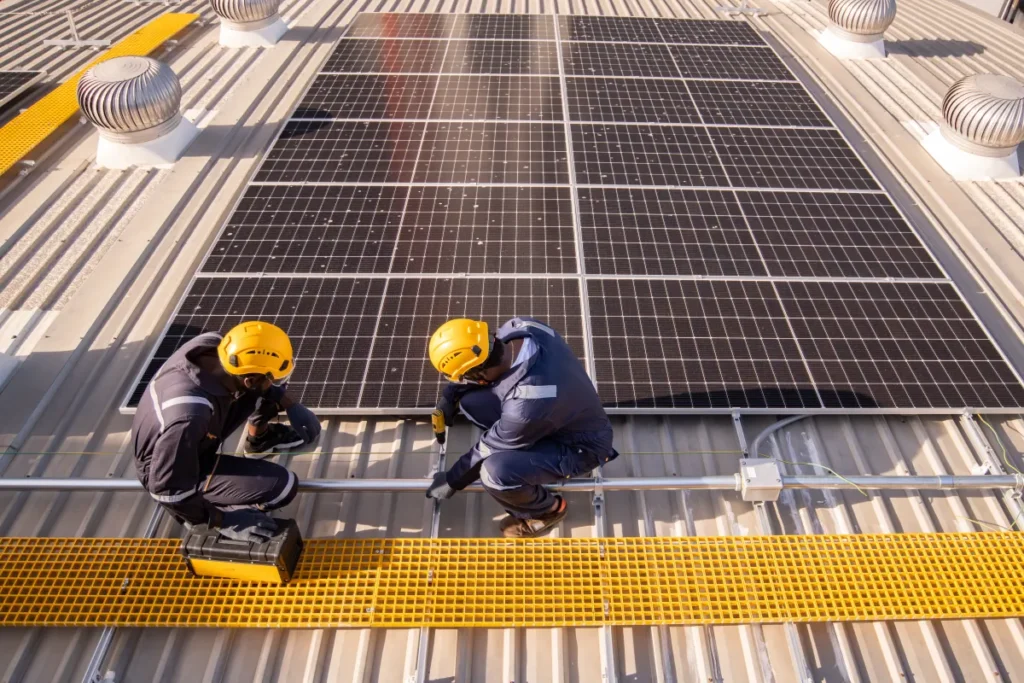
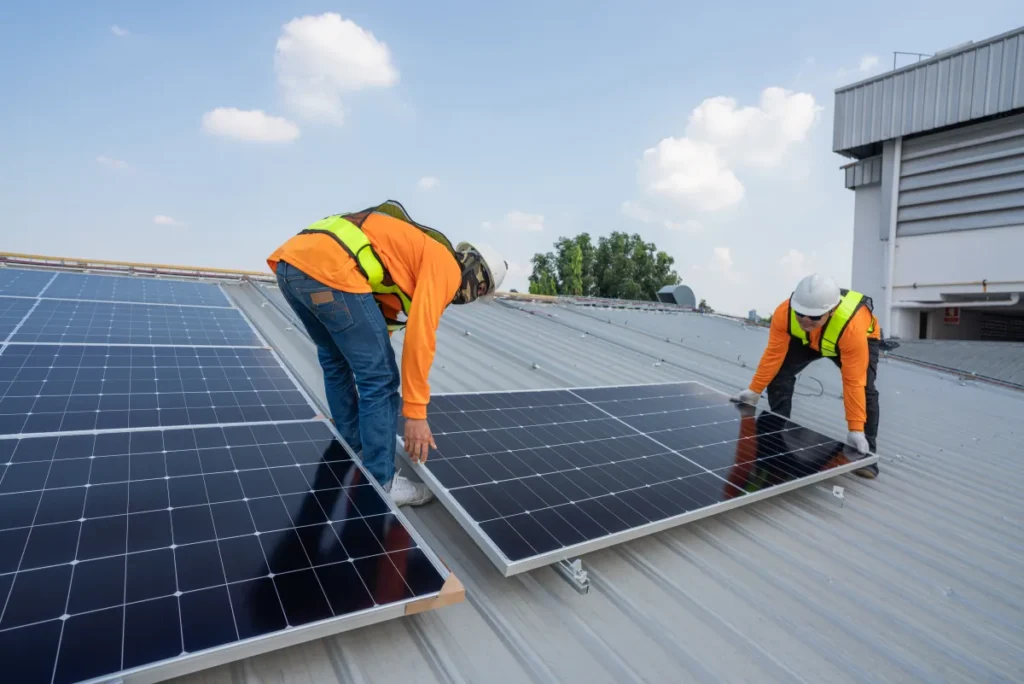
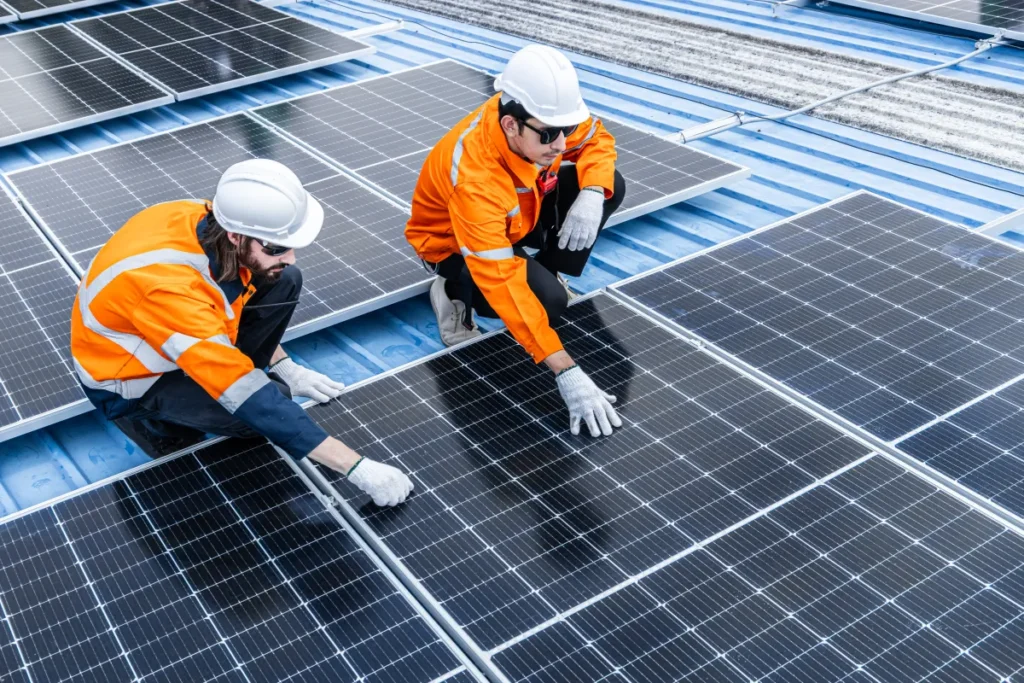
solar panel engineers walking on roof inspect and check solar

Bid Comparison Checklist (Apples-To-Apples) For Solar Panels Contractor Berkeley

Two bids can differ by thousands because one includes the “unsexy” items and the other doesn’t. Before you compare price, compare scope and assumptions. If you’re evaluating a solar panels contractor berkeley homeowners can hire with confidence, the paperwork should be as clear as the hardware list.

Apples-To-Apples Bid Scorecard

  • Site visit: Was the roof and main panel actually inspected, or was it priced from satellite images?
  • Equipment listed by name: Panel model and wattage, inverter warranty length, and monitoring method are spelled out.
  • Roof work: Attachment/flashing approach, roof-type handling, and any roof repair allowance are documented.
  • Electrical scope: Conduit routes, labeling, disconnects, and any panel work are included (or clearly excluded).
  • Permits & inspections: The bid states who submits plans, who pays fees, and who schedules inspections.
  • Cleanup & protection: Protection steps, haul-away, and patch/paint expectations are written down.
  • Warranty clarity: Manufacturer warranties vs. contractor workmanship warranty are separated and easy to understand.

Quick Comparison Table (What Usually Drives Price And Schedule)

Item to decideWhat to confirm in writingWhy it affects cost/timeline
Roof conditionAny repairs or reroof work needed before mountingRoof work can change the start date and scope
Main electrical panelBreaker space, service size, and any upgrades included/excludedElectrical changes may add inspections and materials
Layout & shadingPanel placement diagram and shading assumptionsLayout changes affect performance and permit drawings
Paperwork pathWho submits plans, pays fees, and books inspectionsPlan review and inspection scheduling can be the critical path
Utility turn-onWho submits PTO paperwork and what documents you receiveThe system may wait for approval after inspection

Tip: if a bid is missing any of the items above, ask for a revised proposal. You’ll learn quickly which contractors run organized jobs and which ones rely on verbal promises.

Contract Basics (Payment Schedule, Scope)

A solid contract protects both sides by setting scope boundaries and a clean payment trail. Insist on a single document that matches the final bid—no “we’ll work that out later” for roof work, electrical scope, or inspection steps.

Must-Have Contract Details

  • A detailed scope of work (equipment, roof attachments, electrical work, monitoring setup, and cleanup).
  • Milestones tied to deliverables (plan submission, install completion, passed inspection, system commissioning).
  • A clear change-order process: written approval, price, and schedule impact before extra work begins.
  • Who provides warranties and who you contact for service after install.
  • What happens if roof or electrical conditions differ from assumptions (and how that gets documented).

In California, deposits for home improvement projects are limited by state rules; don’t accept a large upfront payment “just to get on the calendar.” When in doubt, verify current requirements with the Contractors State License Board (CSLB) before you sign.

Timeline Planning And Change Orders

Most delays come from unclear scope, incomplete plan sets, or waiting on inspections. A good contractor lays out a timeline with checkpoints, and they update it when something changes rather than letting weeks drift by.

Typical Phases And Rough Time Ranges

  • Site visit + assessment: often 1–2 weeks to schedule, depending on availability.
  • Design + final proposal: commonly 1–2 weeks once measurements and photos are complete.
  • City review: varies by scope and workload; plan for anywhere from a few days to several weeks.
  • Installation: many homes install in 1–3 days; complex roofs or electrical work can extend that.
  • City inspection: scheduled after install; timing depends on inspection availability.
  • PTO approval: utility processing after inspection can take additional time.

Keep Control Without Drama

Changes happen—roof deck repairs, panel upgrades, or conduit reroutes can be real discoveries. The key is making sure every change is documented before work moves forward.

  • Require a written change order that lists the reason, the exact work added/removed, and the price change.
  • Ask how the change affects the schedule and whether it impacts inspections or paperwork.
  • Don’t rely on texts or verbal approvals; keep one paper trail for the entire job.
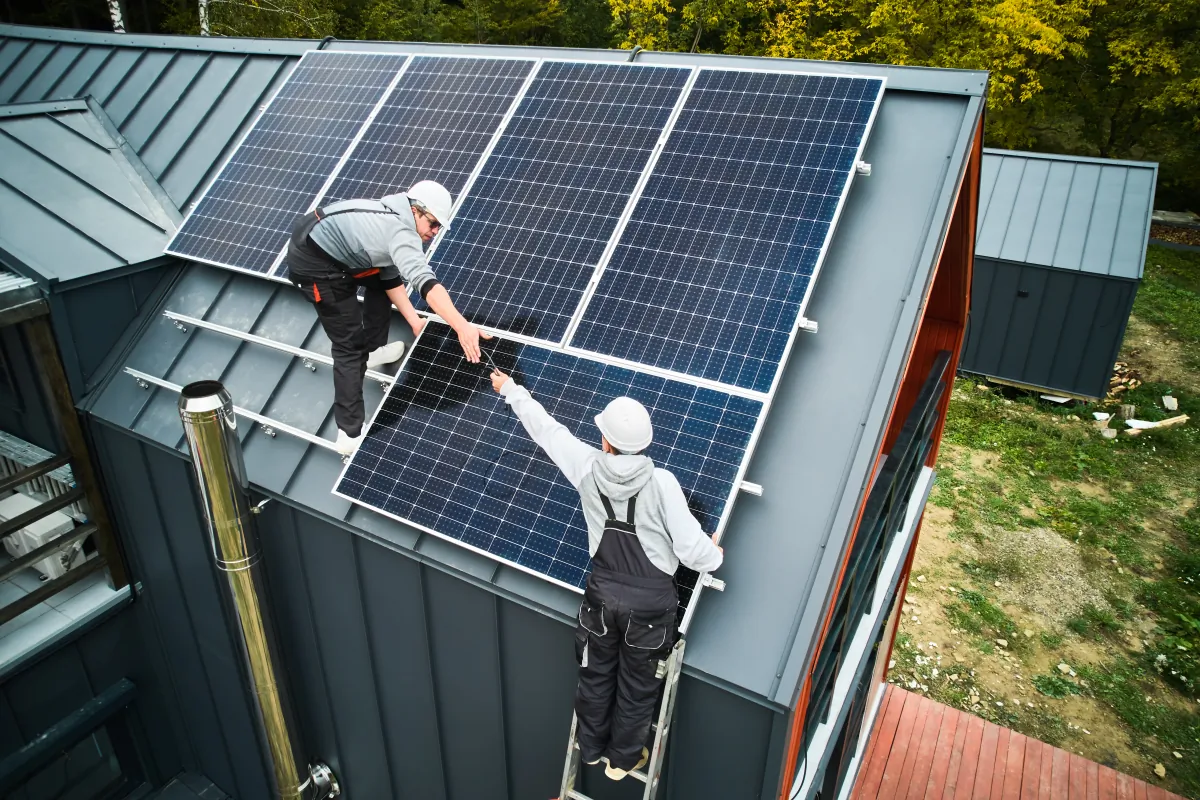
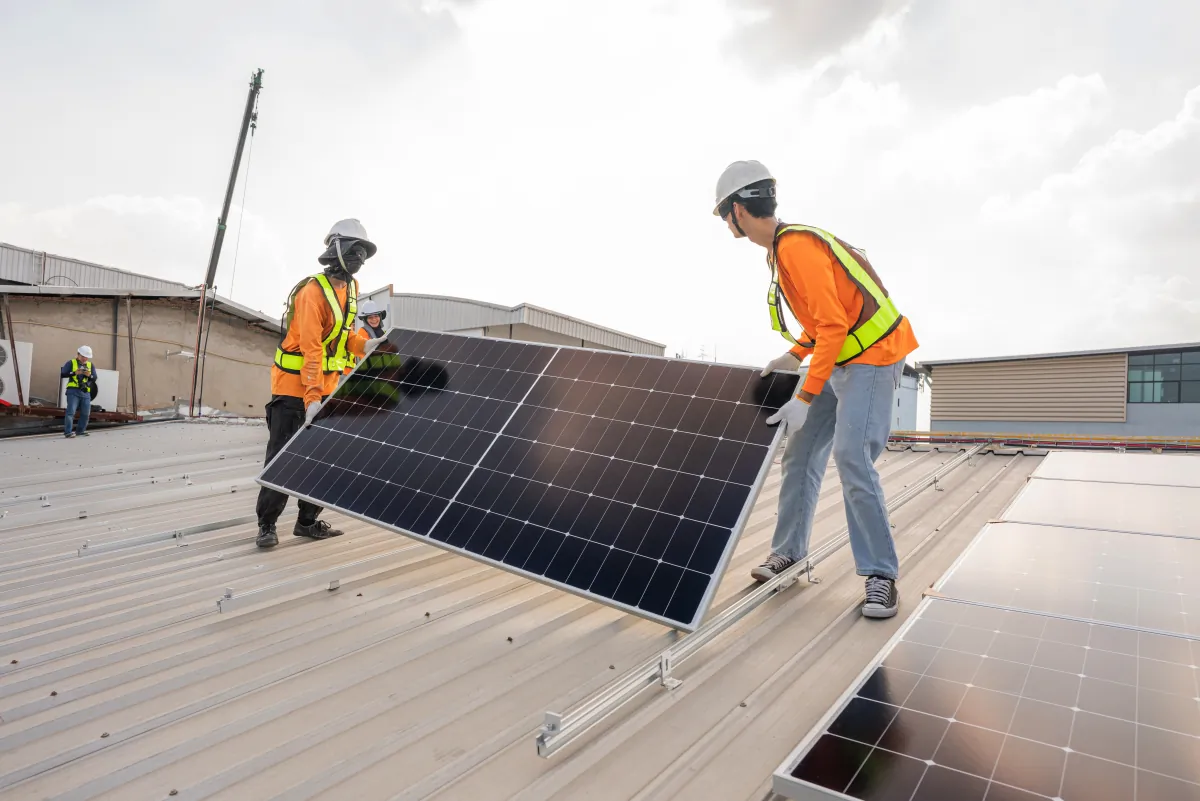
solar panel men technicians carrying photovoltaic solar moduls

Quality Checks Before Final Payment

Before you make the last payment, do a real walkthrough—on the roof (if safe), at the electrical equipment, and in the monitoring app. You’re confirming workmanship and documentation, not just “panels are on the roof.”

Final Walkthrough Checklist

  • Panels look straight and secure, with no damaged roofing around attachments.
  • Flashing and sealant details look clean; no exposed holes or loose hardware.
  • Conduit runs are tidy and protected; labels and disconnects are installed as required.
  • Monitoring is set up on your phone, and you can see live or same-day production.
  • You receive copies of permits, inspection sign-offs, and equipment information (models/serials).
  • Warranty documents are provided in writing, along with the service contact for future issues.
  • Work area is cleaned up and haul-away is complete.

Permits And Inspections In Berkeley: What To Expect

Most rooftop solar projects involve city permitting and at least one inspection, and the exact steps depend on your home and the scope of electrical work. Ask the contractor to explain the permit path in plain language and include it in the written scope.

In Berkeley, the City of Berkeley Permit Service Center supports online permitting through “Permits Online” for many building and trade permits. Even when the application starts online, inspections still need to be scheduled and passed before the project is considered complete.

If a contractor tells you permits “aren’t necessary,” treat that as a red flag—at minimum, you should understand what will be inspected and who is coordinating it.

Ready to get a clear, written estimate? Request yours at https://usconstructioncali.com/free-estimate/ or call +1 (916) 234-6696. To speed things up, share your address, a recent electric bill, and a few roof and panel photos.
Helpful Links

Licensed, insured & trusted local contractor

US Construction & Remodeling Corp.
9821 Business Park Dr, Sacramento, CA, 95827
Phone: +1 (916) 234-6696

CSLB License #: 1117562 Fully licensed and insured.

View our Google Business Profile

Leave a comment

This website uses cookies to improve your web experience.
Explore
Drag