Solar Panels Cost in El Dorado Hills: Price Range + Timeline
Thinking about solar for your home in El Dorado Hills? When you budget a major upgrade, the remodel cost can feel hard to pin down until you understand system size, roof details, and electrical needs.
Quick checklist:
- List the biggest cost drivers for your scope (layout changes, finishes, plumbing/electrical work).
- Confirm what work is involved and the order of operations.
- Finalize measurements and key selections before ordering long-lead materials.
- Collect 2–3 quotes and compare line-by-line (scope, allowances, cleanup, warranty).
- Create a simple schedule and pre-order the items that most often cause delays.
TL;DR: Use a wide ballpark range to plan, then tighten it after a roof and electrical check. If you want a line-item quote and a realistic schedule for your address, book a free estimate online and we will confirm what your home needs.
- Gather your last 12 months of electric bills (or kWh usage).
- Decide your priority: bill reduction, backup power, or both.
- Look at roof condition, shading, and usable roof space.
- Check your main electrical panel rating and available breaker space.
- Choose whether a battery is “now” or “later.”
- Schedule your free estimate online (or call +1 (916) 234-6696).
Solar Panels In El Dorado Hills Pricing Guide For Homeowners In El Dorado Hills
El Dorado Hills,” you are usually trying to answer two questions: what should I budget, and how long will this take? Additionally, The ranges below give you a planning target before you commit to an on-site evaluation.
Typical planning range (before incentives): many roof-mounted residential systems often land around $15,000–$35,000. Overall, Add-ons like battery storage and electrical upgrades can move the total up quickly, so treat this as a budgeting range, not a quote.
Budget Snapshots (Before Incentives)
- Smaller starter system (roughly 4–6 kW): commonly $15k–$25k.
- Mid-size system (roughly 6–10 kW): commonly $22k–$35k.
- Battery storage for backup power: commonly add $10k–$20k+ depending on size and integration.
- Main electrical panel or service work: commonly add $2k–$6k+ when needed.
Cost Breakdown: Where The Money Typically Goes
- Solar equipment: panels, also racking, roof attachments, and flashing.
- Electrical components: inverter equipment, breakers, disconnects, wiring, and safety labels.
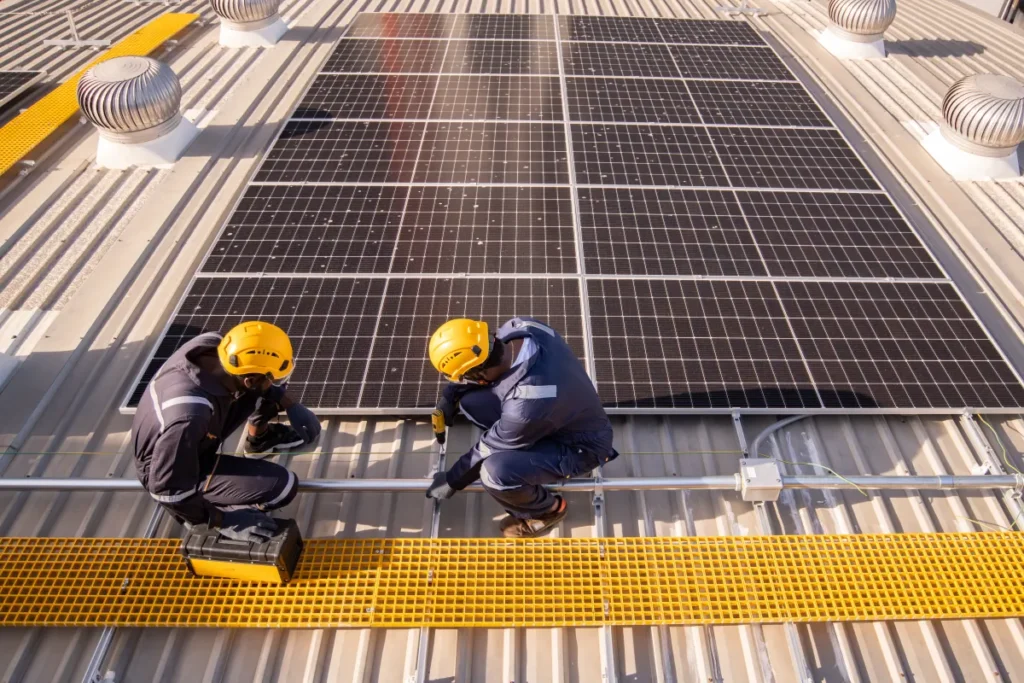
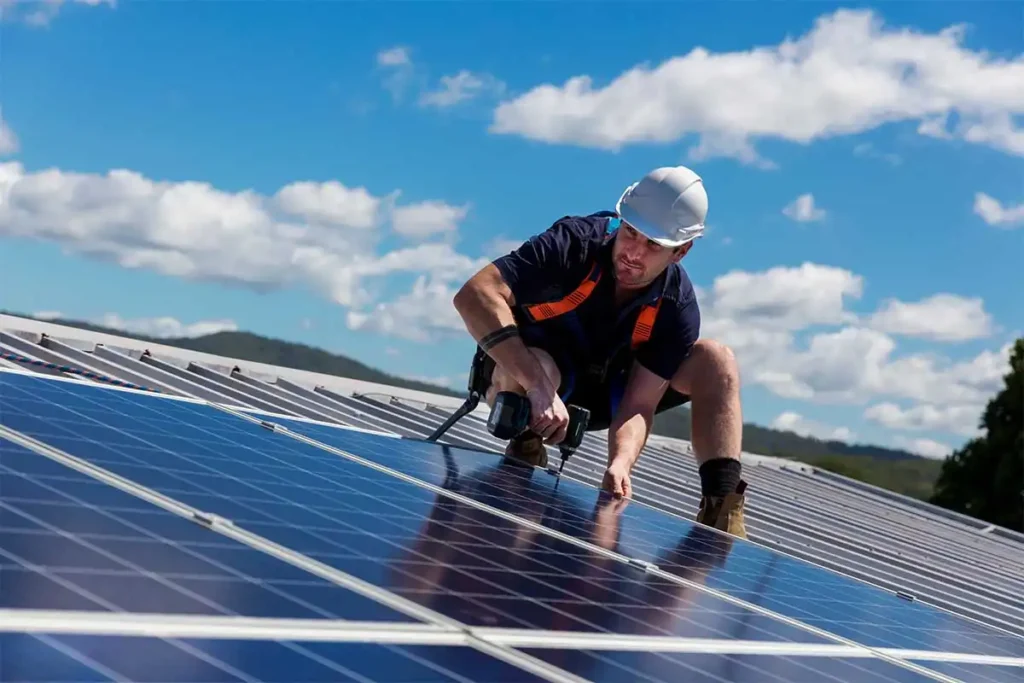
- Labor: mounting, wiring, commissioning, and cleanup.
- Engineering and design: layout, plan set, and structural details when the jurisdiction requires them.
- Permits and inspections: fees vary based on jurisdiction and scope.
- Common add-ons: battery storage, a critical-load subpanel, or an electrical service upgrade.
Quick Table: Decisions That Move Price And Schedule
| Decision / Condition | Typical cost impact | Typical schedule impact |
|---|---|---|
| System size and layout | Primary driver of total price | May add design time; install time changes less |
| Roof material and pitch | Can raise labor and mounting complexity | May add staging and install time |
| Electrical panel capacity | Upgrades can add $2k–$6k+ | Extra coordination and inspection steps |
| Battery storage | Often adds $10k–$20k+ | Usually adds at least one more workday and checks |
| Shading and access limits | Can change layout and equipment needs | May add prep work before install day |
Want a tighter number? For example, A site visit lets us verify roof measurements, rafter layout (when visible), electrical panel capacity, and the cleanest conduit route so your estimate reflects your home instead of averages.
Key Cost Drivers (Design, Materials, Trades): What Moves Remodel Cost
Solar pricing looks simple on paper, but real homes add variables. Also, In practice, three areas drive most changes: how the array fits your roof, what your electrical setup needs, and whether you add storage.
- System size goal: bigger offset targets usually mean more panels and higher total cost.
- Roof layout: multiple roof planes, skylights, vents, or limited usable area can increase design time and labor.
- Roof material: some materials require slower handling and more careful flashing.
- Electrical service: limited breaker space or older equipment may require panel/service work.
- Route complexity: long attic runs or exterior conduit paths can increase labor.
- Storage and backup: adding a battery changes equipment count, wall space planning, and electrical scope.
- Structural documentation: some projects need added engineering detail depending on the home and jurisdiction.
Long-Term Value: Where To Spend (And Where To Hold Back)
For long-term value, spend on the items that prevent rework and protect the home. For this reason, Tight waterproofing details, code-correct electrical work, and a clean layout matter more than cosmetic upgrades that do not change performance.
- Prioritize roof protection: proper flashing and attachment methods protect the roof and reduce leak risk.
- Plan for future loads: if an EV charger or heat pump is in your future, right-size the electrical plan now.
- Right-size the system: oversizing can inflate cost without matching your real usage.
- Choose serviceable equipment: clear labeling and accessible locations make future service easier.
Resale And ROI: What Buyers Tend To Ask About
Solar can support resale value when the system is straightforward to understand and transfer. In addition, Buyers commonly want clarity on ownership, documentation, and whether the system is permitted and inspected.
- Keep the paperwork: permit sign-offs, spec sheets, and warranties help during a sale.
- Keep it simple for buyers: clear monitoring access and a labeled electrical setup reduce confusion.
- Document upgrades: if you upgraded the main panel or service, include that in the home improvement file.
Ways To Keep Costs Under Control
You do not control every variable, but you can control the big ones. As a result, The goal is to avoid design churn, prevent surprise electrical work, and keep the scope aligned with your budget.
- Right-size based on real usage: use 12 months of kWh data so you are not guessing.
- Decide on battery timing early: adding storage later can be done, but planning for it up front can reduce rework.
- Keep the layout practical: a clean, consolidated array often installs faster than multiple small sections spread across roof planes.
- Address electrical realities early: if your panel is full or undersized, budget for the upgrade instead of hoping it is not needed.
- Ask for line-item scope: a clear scope makes comparisons easier and prevents surprise “extras.”
- Coordinate related work: if you already plan roof repairs or electrical improvements, aligning schedules can reduce duplicate labor.
Financing Options Homeowners Commonly Consider
Financing can change your monthly cash flow even when the project price stays the same. Meanwhile, We do not push a specific lender; instead, we recommend comparing the structure and total cost of financing before you sign.
- Cash: simplest structure; no interest, but it ties up liquidity.
- Home equity loan or HELOC: often used for larger home improvement scopes; terms vary by lender.
- Unsecured personal loan: faster to arrange, often higher rates than secured options.
- Solar-specific loan products: can offer long terms; review fees, payoff rules, and ownership terms carefully.
Whatever route you choose, confirm how incentives apply to your situation and talk with a tax professional if you have questions about eligibility.
Timeline And Inspection Milestones
Solar does not usually require months of on-site work, but approvals and scheduling add time. As a result, The outline below shows a realistic sequence homeowners can plan around.
Typical Timeline (What Happens When)
- Site visit and measurements: typically 30–60 minutes on site once scheduled.
- Design and proposal: commonly a few business days to about two weeks depending on complexity.
- Engineering and plan set: often overlaps with design; timing depends on scope.
- Permit review: commonly a few weeks, but it varies by jurisdiction workload and completeness of submittal.
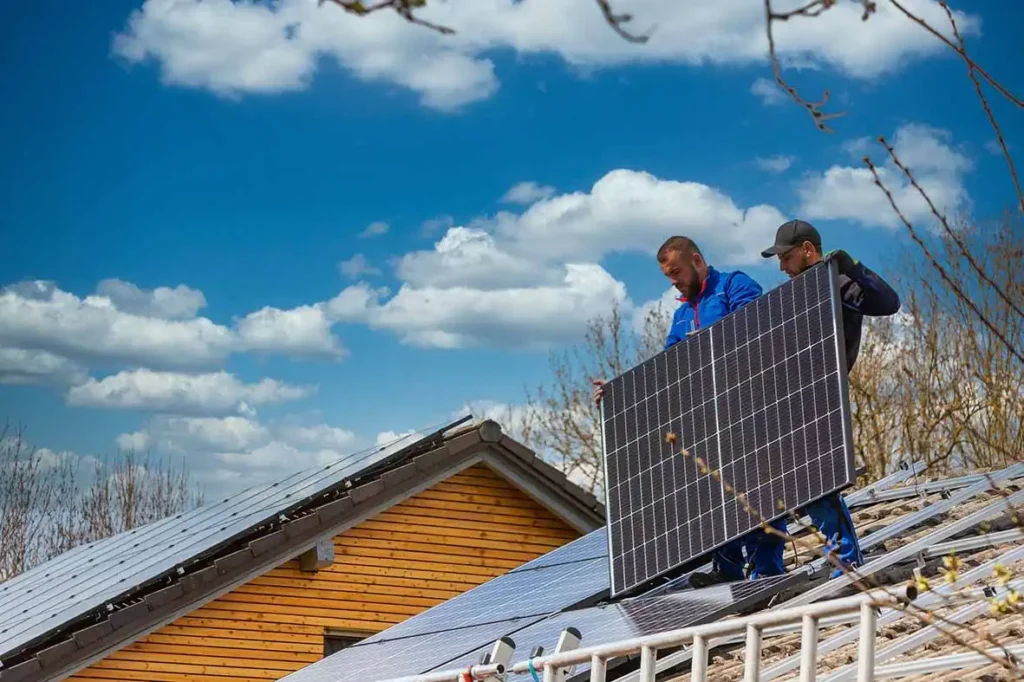
- Installation: many homes install in 1–3 days once materials are ready.
- Inspection: typically scheduled after install; timing depends on inspector availability.
- Utility approval to energize: timing varies; this step often adds extra waiting even after inspection.
Permit And Inspection Notes For El Dorado Hills
El Dorado Hills is often unincorporated, so permitting commonly runs through El Dorado County Building Division online services, depending on the exact address and the scope of work. Also, Most residential solar installations need permits and inspections for the building/electrical work, and the inspector will verify safety items like grounding, labeling, and code-compliant disconnects.
If your project includes a main panel upgrade, battery storage, or other electrical changes, expect the permit scope and inspection steps to expand. Additionally, We help you understand what is included in the scope so the schedule stays realistic.
What Can Extend The Schedule
- Electrical service upgrades or corrections discovered during the site visit
- Additional engineering documentation requested during plan review
- Material lead times for certain equipment
- Utility scheduling and approvals after final inspection

Requesting A Detailed Quote
If you want a price you can make decisions on, the fastest move is to get an on-site evaluation. US Construction & Remodeling Corp. Also, provides straightforward, line-item estimates so you can see where the dollars go and what (if anything) is optional.
Primary CTA:schedule your free estimate online. Additionally, If you prefer to talk it through first, call +1 (916) 234-6696.
What To Have Ready (So The Quote Is Accurate)
- 12 months of electric bills or usage history
- Any known plans for electrical upgrades, EV charging, or major appliance changes
- Access to the main electrical panel and attic/garage areas (when available)
- Your preference on battery backup (yes/no/undecided)
What You Should Expect In A Detailed Estimate
- A clear scope of work (including any electrical upgrades, if needed)
- A practical timeline with inspection/approval checkpoints
- Assumptions called out in plain English (roof access, panel condition, equipment placement)
Helpful Links
Licensed, insured & trusted local contractor
US Construction & Remodeling Corp.
9821 Business Park Dr, Sacramento, CA, 95827
Phone: +1 (916) 234-6696
CSLB License #: 1117562 Fully licensed and insured.