Skip links

Solar Panels Cost in San Francisco: Pricing + Timeline Guide

If you're pricing solar panels in San Francisco and trying to budget remodel cost without guesswork, you're not alone. Online calculators often miss the details that actually change the number: roof condition, electrical readiness, and how quickly plans move through review.

Quick checklist:

  • List the biggest cost drivers (system size, inverter/battery, roof/electrical upgrades, and permitting).
  • Size the system from real kWh usage and shading, not just panel count.
  • Compare inverter options (microinverters vs string + optimizers) and monitoring.
  • Confirm permitting and utility interconnection responsibilities and timeline.
  • Review the contract (warranties, production assumptions, exclusions, roof penetrations).
  • Confirm any electrical panel upgrades and inspection steps.

TL;DR: Expect a wide range because every home's roof, shading, and electrical setup differ. The fastest path to an accurate price is a site visit that checks the roof, main panel, and wire run so your estimate matches what will be installed. Ask for a written estimate with line items and clear assumptions so you can compare bids fairly.

  • Confirm your average electric use (12 months if possible)
  • Note roof type, age (if known), and any active leaks
  • Decide if you want solar-only or solar plus battery backup
  • Take a clear photo of your main electrical panel label and breakers
  • Ask what's included: permits, inspections, and commissioning
  • Request a written estimate: book a free on-site evaluation

Solar Panels In San Francisco Pricing Guide For Homeowners In San Francisco

Solar pricing gets confusing fast because solar panels cost can mean three different things: equipment, installation labor, and the jobsite upgrades needed to install safely and pass inspection. Additionally, When you plan your remodel cost, separate the base system from adders like electrical panel work or roof repairs so you can compare proposals on equal footing.

This guide is for San Francisco homeowners who want a realistic range and a clear way to move from research to a written estimate. Overall, You'll see what typically drives price up or down, plus what to ask for so surprises do not show up mid-project.

Typical Price Ranges (Before Incentives)

Use these as planning numbers until a contractor verifies your roof layout, shading, and electrical setup. For this reason, A site visit usually tightens the range quickly.

  • Solar-only (no battery): roughly $18,000 to $38,000 for many single-family homes
  • Solar + battery storage: often adds $10,000 to $25,000+ depending on capacity and electrical work
  • Main panel or service upgrades: commonly add $2,000 to $8,000+ when required
  • Roof repair or replacement: varies widely; plan it separately if the roof is also near end-of-life

Incentives and tax credits may reduce the net cost for qualified homeowners. As a result, Because programs can change, confirm current eligibility before you make a decision based on an after-incentive number.

Where The Budget Usually Goes (Line Items To Ask For)

  • Design and engineering: layout, structural review as needed, and electrical planning
  • Materials: panels, mounting/racking, wiring, and required safety components
  • Labor: roof work, electrical work, and commissioning the system
  • Jobsite specifics: attic access, conduit routing, and roof penetrations/flashing details
  • Administration: permit submittals and inspection scheduling support

Quick Decision Table (Cost + Schedule)

DecisionWhat it affectsWhat to confirm
System sizeEquipment and labor12-month usage and roof space
Roof conditionPrep work and longevityRemaining roof life before installing
Electrical readinessUpgrade scopeMain panel rating and breaker space
Battery add-onMaterials and electrical workBackup goals and battery location
Permitting paceOverall timelinePlan review duration and inspection availability

Key Cost Drivers (Design, Materials, Trades)

The largest price swings usually come from site conditions, not sales language. Also, A simple roof with a short electrical run costs less than a roof that needs specialty prep or a major electrical upgrade, even if the panel brand is similar.

  • Roof complexity and access: steep pitch, fragile materials, limited access, or tight work areas can increase labor time
  • Shading and layout constraints: chimneys, trees, or roof features can reduce usable space and complicate layout
  • Electrical upgrades: limited panel capacity, grounding updates, or long conduit runs can add cost
  • Structural considerations: some roofs need engineering sign-off or reinforcement depending on framing and load
  • Battery storage decisions: adding backup power changes equipment count and electrical scope
  • Finish expectations: cleaner conduit routing and patch/paint coordination can add time but improves the result

Hypothetical example: A straightforward array on a newer composition shingle roof with open attic access may stay closer to the base range. A similar-size system that also needs a panel upgrade and battery backup will typically land higher because the scope expands across trades.

Common Planning Mistakes To Avoid

Most avoidable overruns happen in planning. Meanwhile, These mistakes tend to inflate cost or stretch the schedule.

  • Picking a system size without checking real usage and roof shading
  • Skipping a roof condition review and discovering repairs after design is complete
  • Comparing proposals that do not include the same scope (design, permitting, inspections)
  • Waiting to address electrical limitations until the install date is close
  • Not asking where conduit will run or how roof penetrations will be sealed

Ways To Keep Costs Under Control

You can keep pricing predictable without cutting corners. In addition, The best savings come from removing unknowns early and making a few high-impact choices up front.

  • Right-size the system: match design to your actual usage and available roof space
  • Decide on battery goals early: adding storage later can require redesign and extra labor
  • Address roof work before solar: if the roof is aging, plan repairs or replacement before panels go on
  • Confirm electrical scope early: a quick panel review can prevent change orders
  • Ask for clear allowances: get written ranges for items like drywall patching, trenching, or specialty roofing details

Scope Choices That Protect Long-Term Value

Solar is a long-term system, so focus on durability and serviceability. For example, Solid mounting and flashing details, clear labeling, and tidy cable management matter because they reduce future maintenance headaches.

Ask for documentation you can keep with your home records: equipment spec sheets, a basic electrical diagram, and written warranty terms for both materials and workmanship. As a result, That paper trail helps if you sell the home later or need service.

  • Choose a layout that minimizes roof penetrations while meeting code
  • Plan conduit routes that look clean and stay accessible for service
  • Confirm the design leaves room for future roof maintenance and repairs

How Remodel Cost Is Finalized In A Written Estimate

A good estimate does not just list a total. In addition, It shows the assumptions behind the number so you can spot gaps before you sign.

  • Site details: roof material, number of stories, access notes, and where equipment will be placed
  • Electrical scope: whether upgrades are included, excluded, or carried as an allowance
  • Clear inclusions: permitting support, inspections, and final commissioning steps
  • Clean options: solar-only versus solar with battery, shown as separate line items
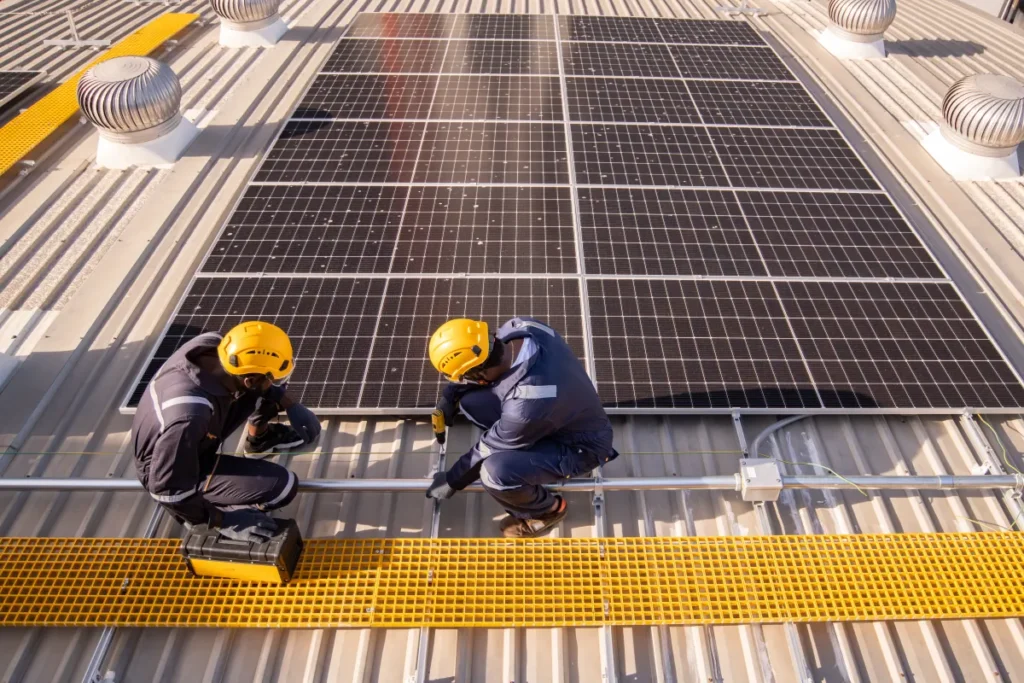
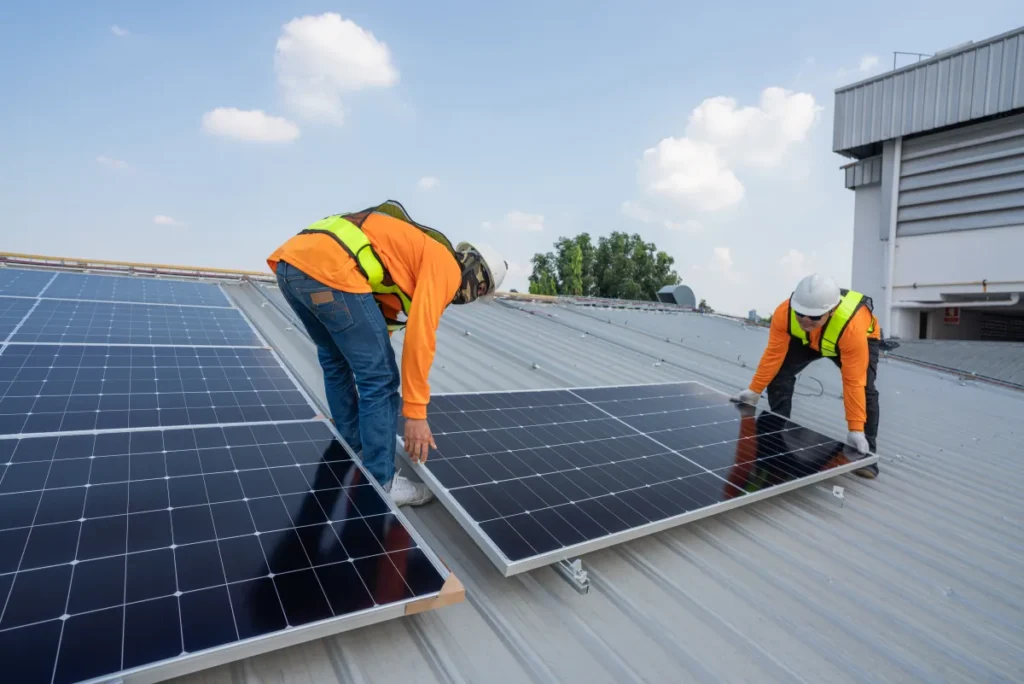
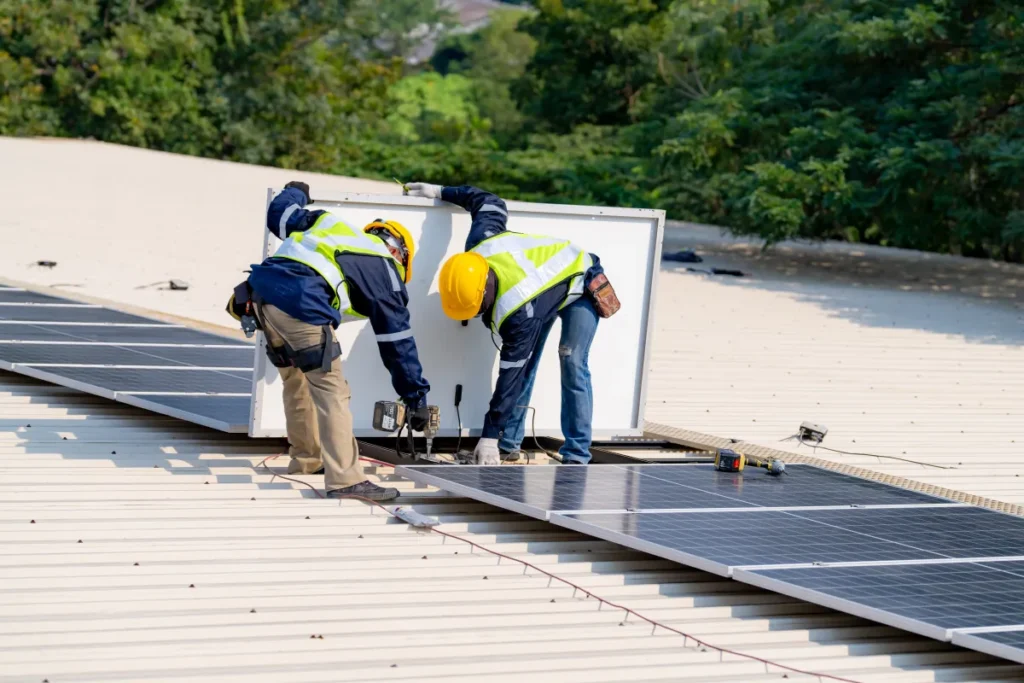
solar panel engineers walking on roof inspect and check solar

Timeline And Inspection Milestones

From the homeowner viewpoint, solar is a schedule of small milestones. Also, Installation may take a day or two, but design review and inspections usually control the calendar in San Francisco.

Typical Timeline Ranges

Every project moves at its own pace, yet this timeline helps you set expectations and plan around travel or other remodeling work.

  • Site visit and measurements: 1 to 7 days (based on scheduling)
  • Design and plan set: about 1 to 3 weeks
  • Permit review and approvals: commonly 2 to 8+ weeks depending on scope and workload
  • Installation: 1 to 3 days for many homes
  • City inspection: often 1 to 3 weeks after installation
  • Utility permission to operate: often 1 to 4 weeks after final inspection

Roof repairs, electrical upgrades, and battery add-ons can extend the schedule. Additionally, Align those scopes early so you do not lose time between trades.

Permit And Inspection Notes For San Francisco

Many solar projects require permits and inspections, even when the work feels straightforward. In addition, Requirements vary by address and scope, so treat this as a general overview.

  • San Francisco DBI provides online permit tracking, which makes it easier to monitor status during plan review.
  • Some common residential scopes may qualify for faster or more streamlined online steps, depending on the project.
  • Expect at least one inspection milestone before the system can be turned on for regular use.

If you are comparing proposals, ask each contractor to explain what is included for permitting and inspection coordination, and what items could slow approval if the plan set is missing details.

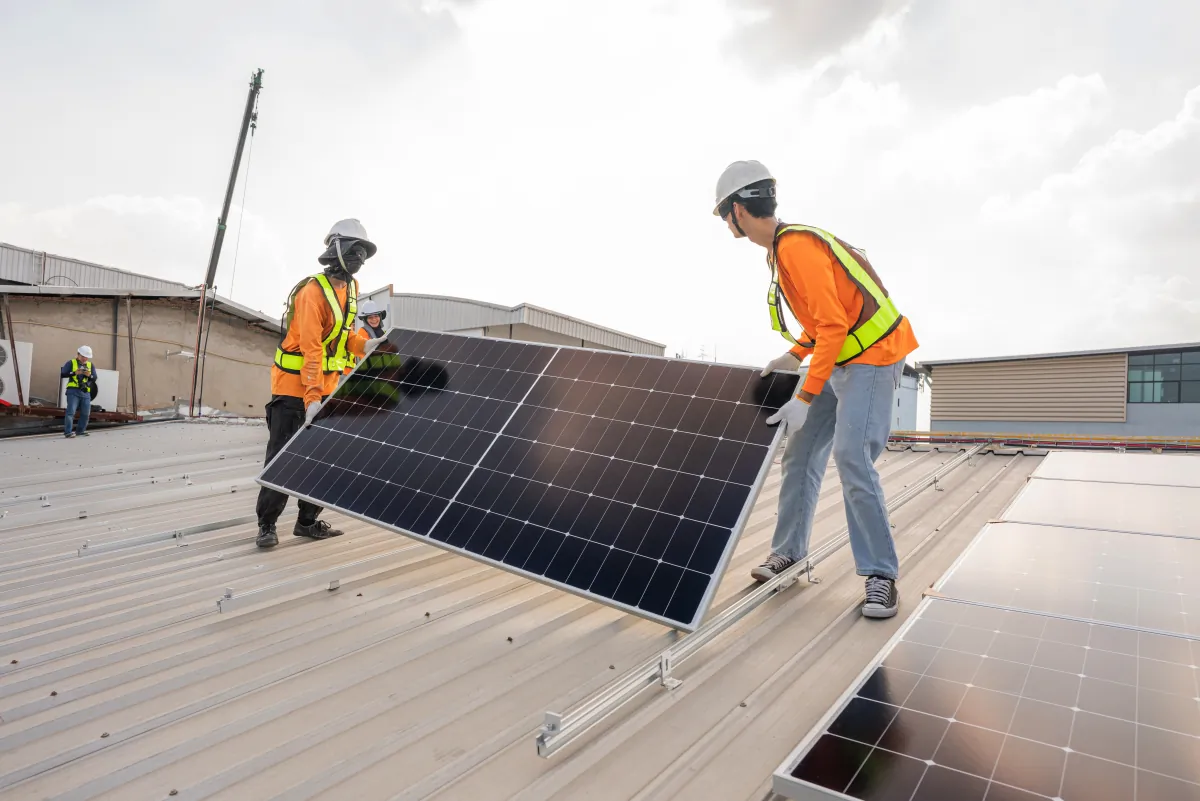
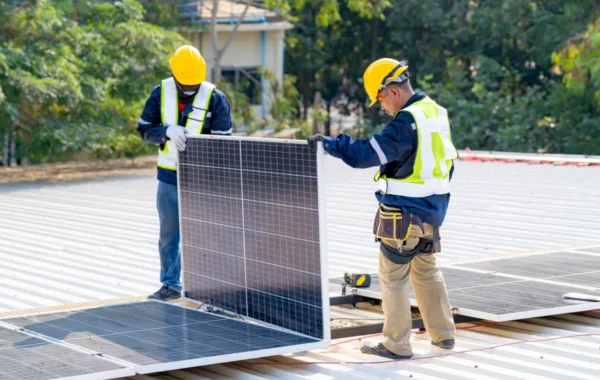
solar panel men technicians carrying photovoltaic solar moduls

Requesting A Detailed Quote

If you want a number you can actually plan around, request a written estimate tied to your home, not a generic calculator. Also, With your address and a quick look at the roof and electrical panel, we can confirm system size, layout, and any upgrade needs before you commit.

Call +1 (916) 234-6696 or schedule online to start: request a free estimate. Additionally, We serve San Francisco homeowners and keep the conversation straightforward: clear scope, clear options, and no pressure to buy add-ons you do not need.

To speed things up, have these ready: a recent utility bill (or 12 months if available), photos of the main electrical panel, and any roof info you already know. In addition, If you are planning other work (roofing, electrical, or an upgrade), mention it so the estimate reflects the full remodel cost picture.

Financing Options (High-Level)

Many homeowners choose cash because it keeps the total cost lower. For example, Others prefer financing to reduce the upfront payment. Also, The right choice depends on your budget and how long you plan to stay in the home.

  • Solar loans: spreads the cost over time; ask about fees and payoff terms
  • Home equity loan or HELOC: can offer flexible terms, depending on your situation
  • Personal loans: simple, but rates and terms vary widely

We can explain how each option changes your monthly outlay and what documentation you may need, but confirm loan and tax details with your lender and advisor.

Resale And ROI Considerations

Solar can improve buyer appeal, especially when the system is owned and easy to transfer. Additionally, The strongest resale positioning comes from clear paperwork and a roof that will not need replacement soon.

  • Keep copies of permits, inspection sign-offs, and equipment documents for the next homeowner.
  • Avoid complicated transfer situations by understanding ownership structure before you sign.
  • Match system size to household usage so the system feels practical, not oversized.

Helpful Links

Frequently Asked Questions

For many single-family homes, solar-only projects often land around $18,000 to $38,000 before incentives, with wide variation based on roof and electrical conditions. Adding battery backup commonly increases the budget by $10,000 to $25,000+.

The most accurate way to price your home is a site visit that confirms roof layout, shading, and main electrical panel capacity.

A solid estimate should clearly state assumptions and list line items so you can compare apples to apples.

  • System size and proposed panel layout
  • Electrical scope (and whether upgrades are included or excluded)
  • Permitting and inspection coordination (high level)
  • Solar-only versus solar plus battery options

The biggest cost adders typically come from site conditions and trade coordination, not small differences in equipment branding.

  • Electrical panel or service upgrades
  • Complex roofs or difficult access
  • Battery storage add-ons
  • Layout constraints caused by shading or roof features

Many installations take 1 to 3 days once approvals are in place. The full timeline often stretches longer because design, permit review, and inspection scheduling can take weeks.

As a planning range, many homeowners see roughly 4 to 12+ weeks from site visit to turn-on, depending on scope and review workload.

Many projects require permits and inspections, even when the work seems straightforward. Requirements depend on scope and address, so confirm details during your estimate.

San Francisco DBI supports online permit tracking, which helps you follow progress during plan review and approvals.

Yes. Homeowners often consider cash, solar loans, home equity options (loan or HELOC), or personal loans. Each choice changes your upfront payment and total cost.

Compare fees, payoff terms, and any lien implications carefully, and confirm details with your lender and financial advisor.

Solar can improve buyer appeal, especially when the system is owned and the paperwork is easy to transfer. The resale impact varies by home, system size, and how well documented the project is.

Keep permits, inspection sign-offs, and equipment documents with your home records to make resale smoother.

Licensed, insured & trusted local contractor

US Construction & Remodeling Corp.
9821 Business Park Dr, Sacramento, CA, 95827
Phone: +1 (916) 234-6696

CSLB License #: 1117562 Fully licensed and insured.

View our Google Business Profile

Leave a comment

This website uses cookies to improve your web experience.
Explore
Drag